Key Points
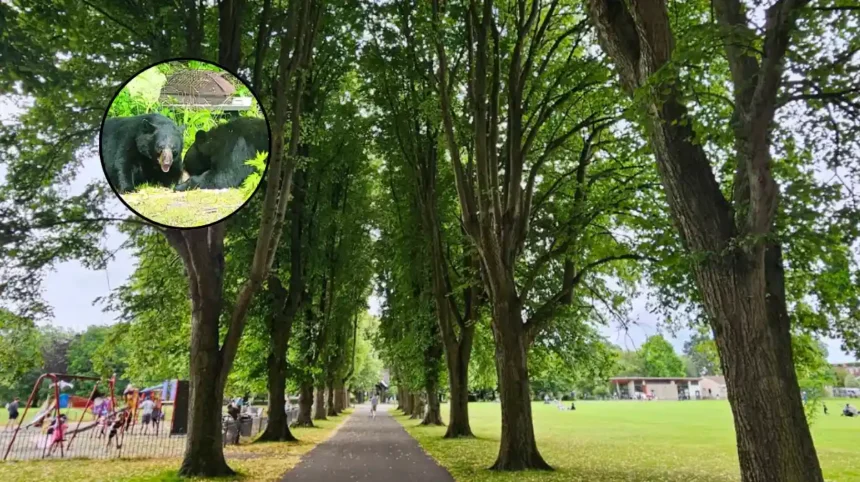
- Bristol police have reported an increase in black bear sightings in the city, with Page Park identified as a particular area of concern.
- Residents told local media they are seeing bears frequently, with some saying the animals appear in their neighbourhoods almost daily.
- Brian Avery, of Owens Way, said he has a black bear in his yard “every single day”, and estimated one bear there at more than 500 pounds.
- Rose Krystofolski said she saw a bear on King Street on Sunday, while Donna Kelly Doucette said she saw a “good sized” bear last Thursday as she sat on her patio with her two dogs on leashes.
- Sarah Kirkby Thompson said she sees black bears weekly in her neighbourhood.
- Bristol police warned residents to keep their distance from bears, especially mothers with cubs, and said the Connecticut Department of Energy and Environmental Protection is aware of the increased bear presence.
- Related reporting from CBSNewYork shows the wider Connecticut bear issue has already affected households, including an incident in Bristol where a bear stole a package from a porch.
- Broader regional coverage from ABC6 indicates bear sightings have also been reported in southeastern Massachusetts, where officials have urged residents to avoid contact and secure attractants such as trash and bird feeders.
Bristol (Bristol Express News) June 17, 2026 — Bristol police are reporting a rise in black bear sightings across the city, with residents saying the animals are appearing in neighbourhoods with unusual frequency, particularly around Page Park.
As reported by Bristol police, the Connecticut Department of Energy and Environmental Protection is already aware of the increase and is urging the public to stay clear of the animals at all times.
Police said that although a bear sighting may seem like a photo opportunity, people should remember that black bears are wild, powerful animals and that a mother bear can react aggressively if she feels her cubs are threatened.
The warning comes as residents describe repeated encounters in their own gardens, on streets and near patios.
Brian Avery, who lives on Owens Way, told the Press that he has black bears in his yard “every single day”, while Rose Krystofolski said she saw one on King Street on Sunday.
Where are residents seeing bears?
Reports from Bristol residents suggest the sightings are not isolated, with multiple people saying bears have become a familiar presence in their neighbourhoods. Sarah Kirkby Thompson said she sees black bears weekly in her area, and Donna Kelly Doucette said she spotted a “good sized” bear walking across her tree line last Thursday while she sat on her patio with her two dogs on leashes.
The police statement singled out Page Park as an area where sightings have increased. That detail is significant because repeated sightings in a public or heavily used residential space can change how people move through the area, especially walkers, pet owners and families using nearby outdoor spaces.
Residents quoted in the report describe a pattern that has become part of daily life rather than an occasional wildlife encounter.
Avery’s claim that one bear in his yard is “over 500 pounds” also reflects how large and imposing these animals can appear to people living close to wooded or suburban edges.
What are police saying?
Police are asking the public not to approach bears, not to try to photograph them at close range and not to treat them as harmless because they are visible in neighbourhoods.
Their warning was especially focused on mothers with cubs, which they described as a situation where the mother may be far more defensive than people expect.
The police message is designed to reduce the risk of a confrontation between people and wildlife. It also reflects the wider public-safety approach often used when wild animals are drawn into residential areas, where food sources, pets and human activity can increase the chances of a dangerous encounter.
The statement did not indicate that any person was injured in the Bristol sightings reported here. Instead, the emphasis was on prevention, distance and awareness.
How are residents reacting?
Residents quoted by the Press appear to be adapting to the sightings, but they are also clearly concerned about how often the bears are appearing. Krystofolski’s account of seeing a mother bear with three teenage cubs in her backyard last week shows that some encounters are happening very close to homes.
Donna Kelly Doucette’s account suggests at least some bears are moving through yards without causing immediate trouble.
She said the animal “didn’t bother us, just looked and kept going.” Even so, repeated close-range sightings can leave people feeling less comfortable using patios, gardens and outdoor paths.
The reporting also shows that residents are not responding with panic, but with a mix of caution and routine observation. That is a common pattern in communities where wildlife gradually becomes more visible near housing.
What is the wider Connecticut context?
The Bristol reports fit into a broader pattern of bear activity across Connecticut. CBSNewYork previously reported on a Bristol incident in which a black bear stole a package from a homeowner’s porch, showing how wildlife encounters can move from sightings into property interference.
That earlier report described video of the bear crossing the driveway and taking a package containing lavender-scented toilet paper before dropping it in a neighbour’s yard.
While that incident was separate from the current police warning, it reinforces the reality that black bears are already interacting with residential spaces in parts of the state.
A separate report from ABC6 shows that bear sightings are not limited to Bristol, with multiple reports also coming from southeastern Massachusetts.
In that report, Taunton police said residents are not used to seeing bears in their neighbourhoods, and officials urged people to avoid them, talk loudly while backing away slowly, and secure bird feeders, trash and compost.
How should people respond to a sighting?
The available reporting points to one consistent message: keep your distance. Police and other officials say residents should avoid approaching the bear, should not run and should stay calm while backing away slowly.
Authorities also advise people to reduce attractants around homes, including unsecured rubbish, bird feeders and outdoor food sources.
In other words, the immediate response is not just what a person does when they see a bear, but how households manage their surroundings before a sighting occurs.
That approach is meant to protect both people and wildlife. When bears associate neighbourhoods with food or easy access, they are more likely to return, which can increase the risk of repeated encounters.
Background of this development
Black bear sightings in and around Connecticut have been a recurring issue in recent years, and public warnings typically focus on keeping people away from the animals rather than trying to move or confront them.
Earlier reporting has shown bears entering residential areas, crossing streets, and even taking items from porches, which suggests that suburban development and wildlife habitat overlap remains a continuing issue in the region.
The Bristol reports also show how local government and state wildlife authorities often respond once sightings become more frequent: they issue safety reminders, encourage distance, and ask residents to report activity.
That pattern is consistent with broader wildlife management advice seen in neighbouring Massachusetts and other parts of New England.
What is the likely impact on residents?
For Bristol residents, the immediate effect is likely to be increased caution when using gardens, patios and nearby parks.
Families with children, dog walkers and people living close to wooded areas may change their routines, especially in places where bears have been seen repeatedly.
It may also push more households to secure rubbish, remove food attractants and monitor outdoor spaces more carefully. For the wider community, frequent sightings could lead to more calls for wildlife guidance, stronger public alerts and a greater expectation that residents will report bears quickly when they are seen.
In practical terms, the development is likely to make coexistence with black bears a more visible part of daily life in Bristol, rather than an occasional surprise.