Key Points
- A Bristol landlord, Nadeem Ahmed, has been ordered by a First-tier Tribunal (Property Chamber) to repay £24,592 to four former tenants.
- The tribunal found the property on Brislington Hill was operating as an unlicensed House in Multiple Occupation (HMO).
- Serious failings included fire safety breaches, mould, water ingress, and two rat infestations during the tenancy.
- No gas safety, electrical safety or energy performance certificates were provided to tenants.
- Judge Simon Allison ruled Ahmed’s conduct “fell short of a reasonable standard” and awarded tenants 80% of rent paid, plus £341 in fees.
- Bristol City Council confirmed a licence application was not submitted until April 2025.
- The case underscores tightening HMO enforcement and rising compliance pressures on UK landlords.
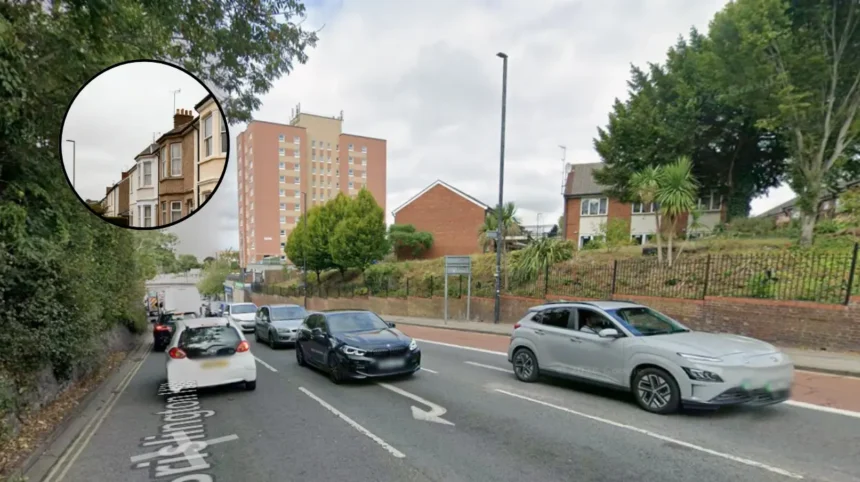
Bristol (Bristol Express News) July 3, 2026 – A Bristol landlord has been ordered to repay more than £24,000 to former tenants after a housing tribunal found he ran an unlicensed multiply-occupied property riddled with safety and maintenance failures. The First-tier Tribunal (Property Chamber) issued a Rent Repayment Order against Nadeem Ahmed following an application by four ex-tenants of a house on uk/local/brislington/">Brislington Hill, Bristol, with the decision handed down in 2026.
- Key Points
- Why was the property deemed an unlicensed HMO and when was a licence application submitted?
- What safety and maintenance failures did the tribunal identify at the Brislington Hill house?
- Which safety documents were missing and what did the judge say about the landlord’s conduct?
- How much money were the tenants awarded and what does this mean for compliance costs?
- What does this case signal for HMO enforcement in Bristol and across England?
- Background of the development: How did HMO rules and rent repayment orders evolve in England?
- Prediction: How could this ruling affect tenants, landlords and the Bristol rental market?
As reported in tribunal documentation and summarised by property news outlets, the panel described the case as being
“at the higher end of the spectrum” due to “serious failings with fire safety and the condition of the Property”.
The tribunal awarded the tenants 80% of the rent paid during the relevant period, totalling £24,592, and ordered Ahmed to pay an additional £341 in tribunal fees.
Why was the property deemed an unlicensed HMO and when was a licence application submitted?
The tribunal found that the Brislington Hill property was being operated as a House in Multiple Occupation without the required HMO licence from Bristol City Council.
Under English law, certain shared houses must hold an HMO licence to ensure minimum standards for safety, space and management.
Bristol City Council confirmed that a licence application for the property was not submitted until April 2025, well after the period during which the tenants lived there and raised complaints.
The absence of a valid licence during the tenancy formed a central part of the tenants’ application for a rent repayment order, a remedy available when landlords breach licensing and safety rules.
What safety and maintenance failures did the tribunal identify at the Brislington Hill house?
The tribunal heard detailed evidence of multiple, persistent problems affecting habitability and safety. According to the findings, the property suffered from:
- Mould in the kitchen and in three bedrooms.
- Water ingress into the kitchen, contributing to damp and mould.
- Two separate rat infestations during the tenants’ occupation.
- An electrical malfunction that was addressed slowly.
- Ongoing mould and water ingress issues that were not resolved throughout the tenancy.
While an exterminator was sent to deal with the vermin, the tribunal noted that no repairs were carried out to prevent the rats from returning, indicating a failure to address the root cause of the infestation. The combination of fire safety concerns, structural damp and pest problems led the panel to conclude that the property’s condition fell significantly below acceptable standards.
Which safety documents were missing and what did the judge say about the landlord’s conduct?
The tribunal found that no evidence had been provided showing that the tenants received mandatory safety documentation.
Specifically, there was no proof that gas safety certificates, electrical safety certificates or energy performance certificates (EPCs) had been supplied, as required by law for rented properties in England.
In addition, the tribunal heard that the tenants’ deposits had not been properly returned at the end of their tenancies, another breach of private rental regulations.
Judge Simon Allison, who presided over the case, concluded that Ahmed had been involved in managing the property but that his conduct had “fallen short of a reasonable standard”.
This phrasing, used in tribunal judgments, signals a clear failure to meet expected landlord duties around licensing, repairs and tenant protection.
How much money were the tenants awarded and what does this mean for compliance costs?
The tribunal ordered Ahmed to repay 80% of the rent paid by the four tenants during the relevant period, amounting to £24,592. On top of this, he was required to pay £341 in tribunal fees.
Rent Repayment Orders can cover up to 12 months of rent (or housing benefit) where serious breaches are proved, and the 80% figure reflects the severity of the failings in this case.
The decision adds to mounting pressure on landlords in England, who are adjusting to evolving regulatory standards on licensing, safety checks and property conditions.
Property industry coverage has highlighted that English rents have risen sharply in recent years as landlords factor in new rules and compliance costs, with further tax and regulatory changes expected to affect a majority of landlords by 2028.
What does this case signal for HMO enforcement in Bristol and across England?
The ruling underscores active enforcement of HMO licensing by local authorities and housing tribunals. Bristol, like many cities with high student and young professional populations, has a large stock of shared housing, making HMO rules particularly significant.
The tribunal’s strong language and substantial financial penalty signal that operating without a licence, especially alongside safety neglect, can lead to severe consequences.
Nationally, the case fits into a broader pattern of tighter oversight in the private rented sector. Recent analysis points to rising compliance costs and regulatory complexity as landlords adapt to new rules on safety certificates, energy efficiency and licensing.
The tribunal’s reference to these wider trends, alongside specific findings on missing documentation and poor repairs, highlights how individual cases are increasingly viewed through the lens of system-wide enforcement.
Background of the development: How did HMO rules and rent repayment orders evolve in England?
Houses in Multiple Occupation (HMOs) are properties rented by at least three people who are not from one household but share facilities such as a kitchen or bathroom.
Mandatory HMO licensing was introduced to improve safety and management standards in higher-risk shared housing, requiring landlords to obtain a licence from their local council and meet conditions on fire safety, room sizes and amenities.
Rent Repayment Orders were strengthened under the Housing and Planning Act 2016, allowing tenants and councils to apply to a tribunal for repayment of up to 12 months’ rent where landlords breach licensing, fail to provide prescribed documents, or commit certain offences.
Tribunals consider factors including the severity of breaches, duration, impact on tenants and the landlord’s conduct when deciding the percentage of rent to be repaid. The Brislington Hill case, with its 80% award and explicit criticism of fire safety and maintenance failures, sits toward the more serious end of this spectrum.
Prediction: How could this ruling affect tenants, landlords and the Bristol rental market?
For tenants in Bristol and similar cities, the decision may encourage more renters to challenge unsafe or unlicensed HMOs, using the threat of rent repayment orders as leverage.
Awareness of the potential to recover a large portion of rent could embolden tenants to report mould, pests and missing safety certificates, particularly where multiple occupants are affected.
For landlords, especially those managing smaller HMOs, the ruling reinforces the financial risks of operating without a licence or neglecting basic repairs and safety duties.
With compliance costs already rising and further regulatory and tax changes anticipated by 2028, some landlords may exit the market or pass costs on through higher rents, potentially tightening supply in cities like Bristol where demand is strong.
In the medium term, the case could contribute to a gradual shift toward better-maintained, properly licensed HMO stock, as enforcement actions accumulate and become more visible.
However, if compliance pressures continue to outpace rental income growth, there is also a risk of reduced availability of affordable shared housing, affecting students, key workers and lower-income renters who rely on the HMO sector in Bristol and across England.