Bristol is one of the UK’s best cities for free days out. It combines museums, landmark walks, parks, harbourside routes, and public festivals into a compact city break that works for visitors, families, students, and locals.
- What are the best free things to do in Bristol?
- Which Bristol museums are free?
- How do you visit the Clifton Suspension Bridge for free?
- Where can you walk for free in Bristol?
- What free parks and green spaces are worth visiting?
- Which free events happen in Bristol?
- Why is Bristol strong for free travel?
- How should you plan a free Bristol day?
- What makes these attractions useful year-round?
- Why Bristol ranks well for budget visits
- Why Bristol is a strong free day out
What are the best free things to do in Bristol?
The best free things to do in Bristol include free museums, the Clifton Suspension Bridge area, harbourside walks, public parks, and free seasonal festivals. These attractions cover culture, history, scenery, and outdoor time, so Bristol delivers a full day out without requiring an entry fee.
Bristol works well for budget travel because many of its strongest attractions are publicly accessible. The city centre, harbourside, and Clifton area contain a high concentration of free activities, so visitors can move between them easily on foot.
The city’s free offer also covers different interests. Some people want art and history, others want views and photography, and others want family-friendly outdoor spaces. Bristol supports all of those needs within a small urban area.
Free events also strengthen the city’s appeal throughout the year. Bristol regularly hosts public celebrations, walking events, cultural festivals, and large outdoor gatherings that add extra value to a visit.
Which Bristol museums are free?
Bristol Museum & Art Gallery and M Shed are the city’s most important free museums. They offer indoor activities, local history, art, and culture without an admission charge, which makes them central stops for any free Bristol itinerary.
Bristol Museum & Art Gallery is one of the city’s best-known free cultural spaces. It brings together art, natural history, archaeology, and world collections in one venue, which gives it broad appeal for mixed-age visits.
M Shed focuses on Bristol itself. It explores the city’s social, industrial, and maritime history, so it works especially well for visitors who want to understand how Bristol developed over time.
These museums complement each other. Bristol Museum & Art Gallery offers a wider cultural overview, while M Shed gives a more direct city story. Together they create a strong free indoor option for any season.
Other free cultural spaces also matter. Bristol has additional galleries and creative venues that support its reputation as a city with a strong public arts scene.
How do you visit the Clifton Suspension Bridge for free?
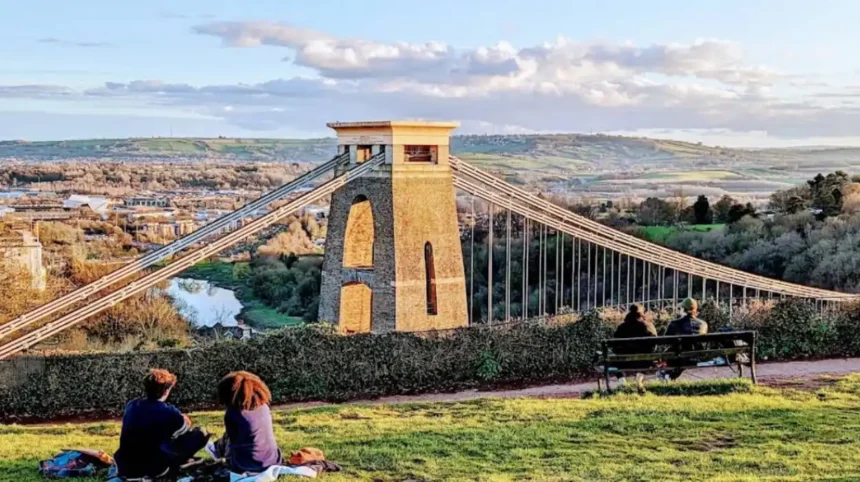
The Clifton Suspension Bridge is free to cross on foot, and the surrounding area is one of Bristol’s most recognisable free sightseeing spots. Visitors also use the bridge area for views, photography, walking, and heritage exploration without paying an entry fee.
The bridge is one of Bristol’s defining landmarks. It links two dramatic sides of the Avon Gorge and creates one of the city’s most famous viewpoints.
A walk around Clifton and the surrounding paths gives visitors a strong free experience even without paying for attractions nearby. The area combines historic architecture, open views, and access to one of Bristol’s best-known engineering achievements.
The bridge museum adds historical value to the visit. It helps explain the structure’s construction and significance, which makes the experience more complete for people interested in local history and design.
This part of Bristol is especially useful for first-time visitors. It delivers a landmark experience that feels iconic, photogenic, and easy to combine with other free activities.
Where can you walk for free in Bristol?
Bristol has several strong free walking areas, including the harbourside, the Clifton route, city-centre streets, and public parks. These spaces make the city easy to explore on foot and give visitors a low-cost way to see its main sights.
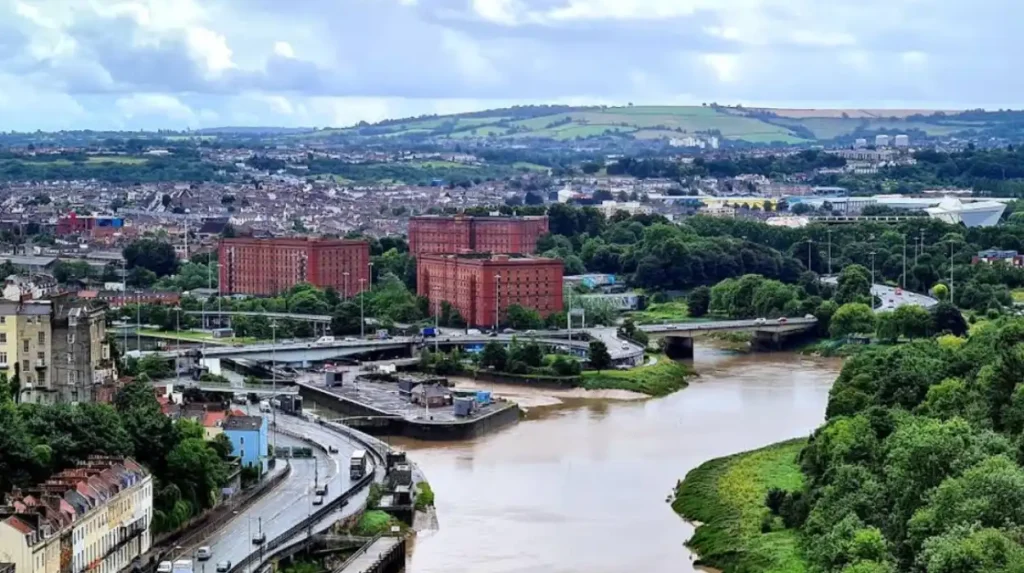
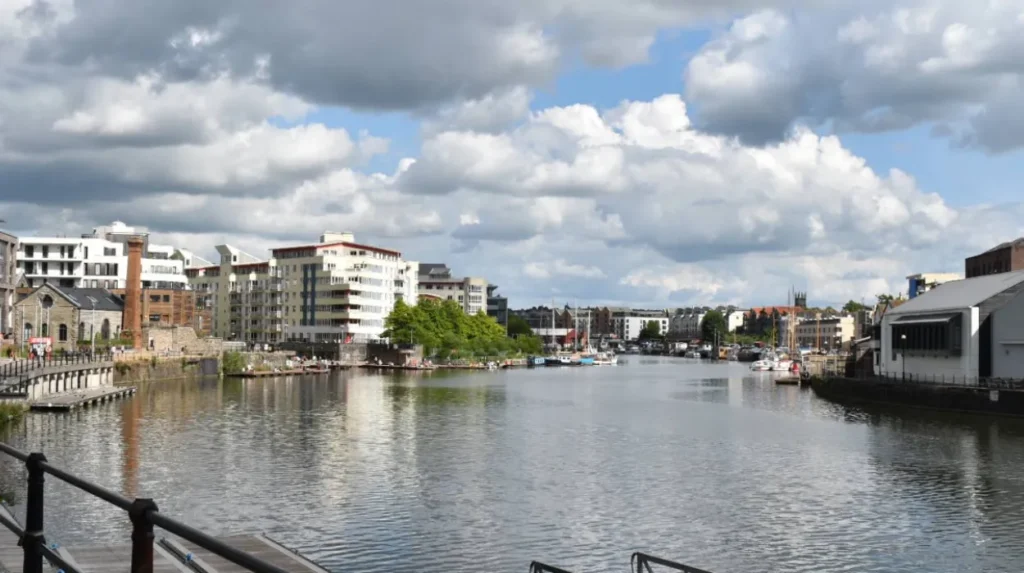
The harbourside is one of the best free walking zones in the city. It combines waterfront views, public art, bridges, and historic buildings, so it gives a wide sense of Bristol’s character.
Clifton is another strong option. The area offers elegant streets, views across the gorge, and access to the suspension bridge, which makes it ideal for a scenic walk.
Central Bristol also works well for self-guided exploration. Visitors can move between museum areas, shopping streets, squares, and public buildings while staying within a walkable core.
These free walking routes are valuable because they create flexible sightseeing. You can spend an hour or half a day in the city without needing tickets, bookings, or a fixed schedule.
What free parks and green spaces are worth visiting?
Bristol’s free parks and green spaces include large city parks, smaller neighbourhood parks, and open public spaces. They are useful for picnics, exercise, family time, and quiet breaks from the busier parts of the city.
St George Park is one of the most useful free outdoor spaces in Bristol. It offers room to walk, relax, and enjoy a simple local outing without spending money.
The city also has several other public green spaces that work well for different types of visits. Some are suitable for families, some for running or walking, and others for sitting, reading, or meeting friends.
Green space matters in a city break because it changes the pace of the day. A museum visit or harbour walk feels more balanced when it is followed by time in a park.
Bristol’s parks also help local residents. They support regular exercise, school-age outings, and everyday outdoor use, which gives them value beyond tourism.
Which free events happen in Bristol?
Bristol hosts a regular calendar of free events, including festivals, community gatherings, walking events, and outdoor celebrations. These events add variety to the city and give visitors a reason to return at different times of year.
The city’s free events are one of its biggest strengths. Some focus on arts and culture, others on walking, nature, or local community life.
Large public festivals are especially important. They create a lively atmosphere, draw crowds into the centre, and turn familiar streets and squares into event spaces.
Seasonal events also help with planning. A summer visit, a spring walk, and a winter festival trip all feel different in Bristol because the city’s public calendar changes across the year.
For residents, these events provide affordable entertainment. For visitors, they create extra experiences that do not add to the cost of the trip.
Why is Bristol strong for free travel?
Bristol is strong for free travel because many of its most notable attractions are open to the public and close together. That makes it easy to see museums, landmarks, waterfront areas, and parks in one low-cost visit.
The city’s layout is a major advantage. The centre, Clifton, and the harbourside form a compact sightseeing circuit, so visitors can fit several free attractions into one day.
Bristol also offers range. It has history, art, engineering, scenery, and open-air spaces, which means free travel does not feel limited or repetitive.
This variety matters for different audiences. Families need activities that are easy and flexible, while solo travellers often want a good mix of walking and sightseeing. Bristol gives both groups a strong free option.
The city also performs well in search because “free things to do in Bristol” covers many intent types at once. People want budget travel ideas, family plans, rainy-day options, and weekend itineraries, and Bristol supports all of them.
Explore More Area Guide
Moving to Bristol Guide: Costs, Best Areas, Transport, and Essential Tips
Work-Life Balance in Bristol: Practical Tips for a Healthier City Life
How should you plan a free Bristol day?
A strong free Bristol day combines one museum, one landmark walk, one outdoor space, and one harbourside or city-centre route. That structure gives you a full experience of the city while keeping the trip simple and affordable.
Start with a free museum in the morning. That gives the day an indoor anchor and helps if the weather is uncertain.
Move on to the Clifton Suspension Bridge or the harbourside after that. Both areas are visually strong and give you some of the city’s most memorable views.
Add a park or public green space in the middle or later part of the day. That breaks up the sightseeing and gives the visit a more relaxed pace.
Finish with a café stop, a walk through the centre, or a free event if one is running. That keeps the day varied while still staying on budget.
What makes these attractions useful year-round?
Bristol’s free attractions work all year because they include indoor museums, outdoor landmarks, public parks, and repeat festivals. This gives the city a dependable free offer in every season and in different weather conditions.
Indoor museums solve the winter and rain problem. They give Bristol a reliable option when outdoor sightseeing is less comfortable.
Outdoor attractions work especially well in warmer months. The bridge area, parks, and harbourside become stronger when the weather is good and daylight lasts longer.
Events add another layer of year-round usefulness. They make the city feel active even when people are not planning a formal sightseeing trip.
That mix matters for search intent too. People do not only look for Bristol activities in summer. They also search for rainy-day plans, school holiday ideas, and weekend options across the calendar.
Why Bristol ranks well for budget visits
Bristol ranks well for budget visits because its most recognisable experiences do not depend on paid entry. Visitors can enjoy museums, architecture, scenic walks, and public events without needing a large travel budget.
The city gives good value because its free attractions are not low-quality filler. They include major museums, one of the UK’s most famous bridges, and a strong network of public spaces.
Bristol also benefits from being easy to navigate. A visitor can combine several activities in one area rather than spending money moving between distant sites.
This makes the city attractive for short breaks. It works well for a single day, a weekend, or a family outing where costs need to stay controlled.
For locals, the same strengths apply. The city’s free places support repeat use, which keeps them relevant beyond one-off tourism.
Why Bristol is a strong free day out
Bristol is one of the UK’s best cities for free things to do because it offers culture, scenery, and public space in a compact area. Its museums, bridge views, parks, and events create a complete no-cost experience for broad audiences.
The city’s free offer is broad enough to suit many travel styles. Some visitors want history, some want fresh air, and some want a family-friendly plan that does not need advance booking.
Bristol delivers those options without forcing a choice between quality and cost. That is what makes it a strong evergreen topic for travellers, locals, and search users.
Its biggest advantage is balance. Bristol gives you indoor and outdoor activities, classic landmarks and modern culture, and quiet spaces and busy event areas.
That balance is why Bristol stays relevant as a free destination all year round.
What are the best free things to do in Bristol?
The best free things to do in Bristol include visiting Bristol Museum & Art Gallery, exploring M Shed, walking across the Clifton Suspension Bridge, strolling around the Harbourside, relaxing in public parks, and attending free festivals and community events throughout the year.