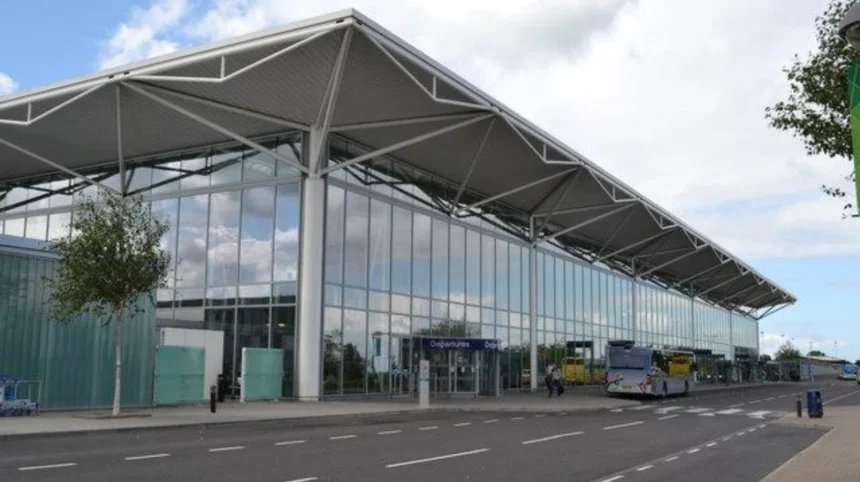
Bristol Airport is one of the United Kingdom’s major regional airports and the principal international airport serving Bristol, South Gloucestershire, Somerset and parts of the wider South West of England. Bristol Airport news covers a wide range of developments, including flight disruption, runway operations, passenger facilities, new routes, airline schedules, transport links, environmental projects, planning decisions and airport expansion.
- What is Bristol Airport?
- Why is Bristol Airport important to the South West?
- What types of Bristol Airport news are most important?
- How does a Bristol Airport flight disruption affect passengers?
- What causes delays at Bristol Airport?
- What happens when the Bristol Airport runway closes?
- How do Bristol Airport cancellations affect passengers?
- Which airlines operate from Bristol Airport?
- What new routes are announced in Bristol Airport news?
- How does Bristol Airport expansion affect passengers?
- What environmental projects are associated with Bristol Airport?
- How can passengers check Bristol Airport news before travelling?
- How does Bristol Airport news affect people living near the airport?
- Why is Bristol Airport news important for future travel?
- What should passengers remember about Bristol Airport news?
The airport is located at Lulsgate Bottom, approximately eight miles south of Bristol city centre. It operates as an important gateway for passengers travelling across the UK, Europe and other international destinations.
Bristol Airport news is particularly important because disruption at the airport affects passengers across the wider region. Flight cancellations, delays, adverse weather, runway maintenance, security issues and airline changes can influence journeys for thousands of travellers.
Understanding how Bristol Airport operates also helps passengers interpret breaking news. A runway closure, for example, can affect both departing and arriving aircraft, while an airline schedule change can affect only particular routes.
This guide explains the main areas covered by Bristol Airport news and provides useful background for passengers, residents, businesses and anyone monitoring developments at the airport.
What is Bristol Airport?
Bristol Airport is an international airport serving Bristol and the wider South West, located at Lulsgate Bottom in North Somerset and operating as a major regional gateway for passenger air travel. It connects the region with numerous domestic, European and international destinations throughout the year.
Bristol Airport began commercial operations in 1957 and has developed from a relatively small regional facility into a major passenger airport. Its official airport code is BRS.
The airport serves Bristol, but its catchment area extends considerably beyond the city. Passengers from Somerset, Gloucestershire, South Wales, Wiltshire and other parts of the South West use Bristol Airport for leisure and business travel.
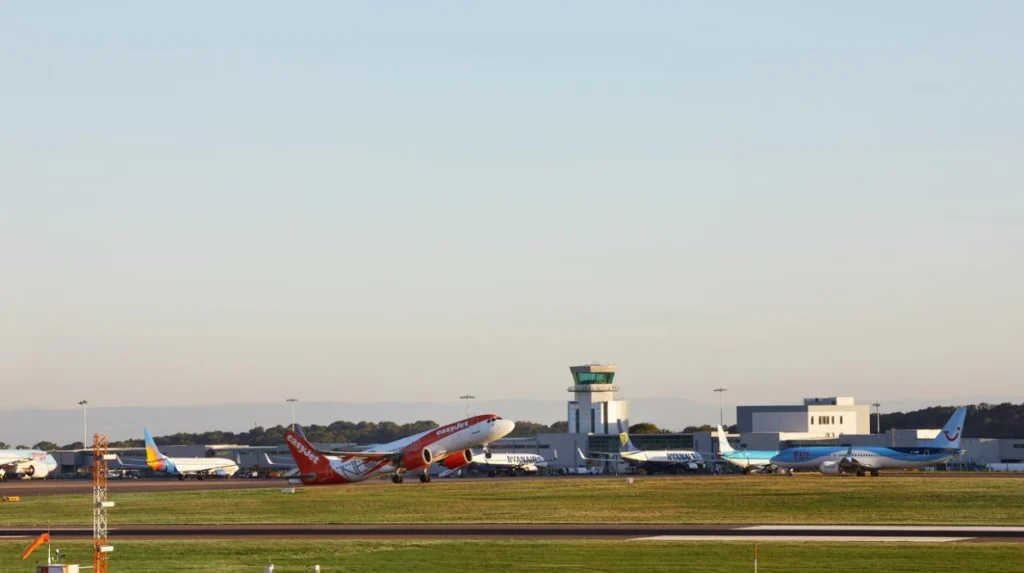
The airport has one main runway. This makes runway availability particularly important to airport operations. When the runway becomes unavailable, aircraft cannot use the normal departure and arrival system until operations are restored.
Bristol Airport operates a passenger terminal containing check-in facilities, security screening, departure lounges, retail outlets, restaurants and passenger services. The airport also has facilities for aircraft handling, baggage processing, ground transport and aviation operations.
Its position near the M5 and other major roads makes it accessible by car, coach, taxi and other forms of transport. Bristol Airport also serves passengers who live outside Bristol itself.
The airport’s importance means that Bristol Airport news has a direct connection with regional transport, tourism and the local economy.

Why is Bristol Airport important to the South West?
Bristol Airport provides a major air connection for Bristol and surrounding regions, supporting tourism, business travel, employment and international connectivity. Its passenger network reduces dependence on airports farther from the South West and supports regional economic activity.
Airports perform more than a transport function. They connect businesses with international markets, provide access to tourism destinations and support employment across aviation and related industries.
Bristol Airport supports direct connections between the South West and destinations across Europe and beyond. This makes it an important part of the region’s wider transport infrastructure.
The airport also generates employment through airlines, airport operations, security, retail, hospitality, transport and maintenance. Additional economic activity comes from hotels, taxis, car parks and tourism businesses that depend on passenger traffic.
Passenger numbers have changed significantly throughout the airport’s history. Growth in low-cost airline services and increased demand for international leisure travel have contributed to the airport’s expansion.
The airport’s regional importance also explains why operational news receives significant attention. A disruption affecting Bristol Airport can affect holidaymakers, business travellers, airport employees, airlines and ground transport providers.
For passengers, the airport’s role means that checking official flight information before travelling remains an important part of journey planning.
What types of Bristol Airport news are most important?
The most important Bristol Airport news generally concerns flight disruptions, cancellations, delays, new routes, airline changes, runway operations, passenger facilities, transport access, planning decisions and environmental developments affecting airport operations.
Flight disruption is one of the most searched areas of airport news. A cancellation or long delay can immediately affect passengers with connecting transport, accommodation bookings and onward journeys.
Runway news is another major category. The runway is central to aircraft movements, so maintenance problems, technical defects and operational restrictions can have widespread consequences.
Airline announcements also form a significant part of Bristol Airport news. Airlines regularly introduce new routes, adjust seasonal schedules, increase capacity or remove services.
Passenger facilities generate another category of news. Changes to security procedures, terminal facilities, lounges, parking, accessibility services and retail areas can affect the airport experience.
Road and public transport developments are also relevant. Congestion on surrounding roads can affect how long passengers need to reach the terminal.
Environmental developments have become increasingly important. These include biodiversity projects, carbon reduction measures, renewable energy initiatives, waste management and efforts to reduce the environmental impact of airport operations.
Planning and expansion decisions can influence the airport’s long-term capacity and its relationship with surrounding communities.
How does a Bristol Airport flight disruption affect passengers?
A Bristol Airport disruption affects passengers according to the cause, duration and operational area involved. Runway problems can affect arrivals and departures, while airline cancellations, staffing issues or aircraft problems can affect individual services or specific routes.
Flight disruption does not always mean that every aircraft at Bristol Airport is affected.
A technical issue affecting one aircraft can cause a limited delay. A runway closure has a much broader operational impact because aircraft cannot normally depart or land while the runway is unavailable.
Weather can also affect airport operations. Strong winds, fog, snow, thunderstorms and other severe conditions can reduce operational capacity.
When disruption occurs, aircraft can experience delays before departure. Arriving aircraft can also be held, diverted or delayed depending on the circumstances.
Passengers should distinguish between a delayed flight and a cancelled flight. A delayed flight remains scheduled but operates later than its original time. A cancelled flight does not operate as originally planned.
During significant disruption, passengers can also face long queues in terminal areas, changes to departure gates, baggage delays and pressure on ground transport.
Airlines remain responsible for communicating the status of individual flights. Bristol Airport provides airport-level information, while the airline provides the specific booking and passenger instructions.
What causes delays at Bristol Airport?
Bristol Airport delays result from operational, technical, weather, air traffic, aircraft, security and airport capacity factors. The effect varies according to the location of the problem, its duration and the number of flights affected during the disruption.
Weather is one of the most common causes of aviation disruption. Aircraft operations require specific visibility, wind and safety conditions.
Air traffic restrictions can also create delays. Aircraft operate within controlled airspace, and restrictions in one area can affect flights operating elsewhere.
Aircraft availability is another important factor. Airlines operate fleets through complex schedules, so a problem with one aircraft can affect later services.
Ground handling also influences departure times. Baggage loading, passenger boarding, aircraft cleaning, refuelling and catering all need to be completed before departure.
Security procedures can create temporary queues and delays. Additional security requirements can increase processing times during busy periods.
Runway availability is particularly important at Bristol Airport because the airport operates with a single main runway. Maintenance or an operational defect can therefore have a significant effect on aircraft movements.
A delay can also spread through an airline’s schedule. An aircraft arriving late at Bristol can then depart late on its next scheduled journey.
What happens when the Bristol Airport runway closes?
When the Bristol Airport runway closes, aircraft cannot use the normal runway for take-offs and landings until airport operations determine that it is safe and available. Arrivals can be delayed or diverted, while departing flights can be held or cancelled.
Runway closures are among the most significant forms of airport disruption.
The runway is the surface used by aircraft for take-off and landing. Its condition must meet strict operational and safety requirements before aircraft movements can continue.
A runway closure can therefore affect multiple parts of the airport’s schedule simultaneously.
Departing aircraft may remain at their gates or be delayed on the ground. Arriving aircraft may remain airborne, enter holding patterns, divert to another airport or return to their departure airport depending on operational circumstances.
Diversions are managed by airlines and flight crews in coordination with air traffic control and airport operations. The alternative airport depends on aircraft capability, weather, runway availability, passenger arrangements and operational capacity.
Once the runway reopens, normal operations do not necessarily return immediately. Aircraft and crews can be out of position, creating additional delays after the original problem has been resolved.
This is why passengers can continue experiencing disruption even after an airport announces that runway operations have resumed.
How do Bristol Airport cancellations affect passengers?
A cancelled Bristol Airport flight does not operate according to its original schedule, requiring the airline to provide passengers with information about alternative arrangements. Passengers should check their airline booking directly before travelling to the airport.
Cancellations can occur for many reasons. These include aircraft problems, operational restrictions, severe weather, crew availability and airport capacity limitations.
The passenger’s first point of contact is the airline operating the flight. The airline holds the booking information and provides instructions concerning rebooking, refunds and other applicable passenger rights.
Passengers should avoid assuming that an airport closure automatically means every flight has been cancelled. Different airlines and routes can respond differently to the same disruption.
A passenger should check the latest flight status before leaving home. This can prevent unnecessary travel to the terminal when a flight has already been cancelled or significantly delayed.
Passengers should also keep important booking information available, including the flight number, departure date and airline details.
For international journeys, disruption can create additional complications because missed connections, hotel bookings and onward transport can be affected.
Which airlines operate from Bristol Airport?
Bristol Airport is served by multiple airlines operating scheduled, seasonal and charter services. Airline networks change over time as carriers adjust routes, aircraft capacity, seasonal demand and commercial schedules.
The airport has historically been strongly associated with low-cost and leisure airlines, although its network includes different types of services.
easyJet is one of the major airlines associated with Bristol Airport and operates numerous routes from the airport.
Ryanair also operates services from Bristol, providing connections to multiple European destinations.
TUI Airways serves holiday destinations from Bristol through its seasonal programme. Jet2.com also operates leisure routes and holiday services from the airport.
Other airlines operate services depending on the current seasonal schedule.
Airline networks are not static. A route available during one summer season can have a different schedule during winter. Airlines can also increase frequencies on popular routes or introduce new destinations.
Passengers should therefore rely on current airline and airport information when checking a particular flight rather than assuming that a historic route operates throughout the year.
What new routes are announced in Bristol Airport news?
New Bristol Airport routes are typically announced when airlines introduce services to destinations not previously served, increase seasonal capacity or restart routes that were previously discontinued. Route announcements can improve regional connectivity and support tourism.
New route announcements are important because they directly expand travel options for passengers in the Bristol region.
An airline evaluates factors such as passenger demand, aircraft availability, airport capacity and commercial viability before introducing a route.
New routes can operate seasonally or throughout the year. Holiday destinations often have stronger demand during specific months, while business-oriented routes can operate more consistently.
Route frequency is also important. A destination served several times a week provides different travel options from a destination served once a week.
New services can also influence competition. When multiple airlines serve similar destinations, passengers can gain additional scheduling and pricing choices.
Bristol Airport news about route launches therefore provides useful information for travellers planning future holidays and business trips.
How does Bristol Airport expansion affect passengers?
Bristol Airport expansion focuses on increasing capacity, improving passenger facilities and supporting future demand while addressing transport, environmental and community considerations. Expansion decisions can influence terminal operations, road access and airport infrastructure.
Airport expansion is a long-term process rather than a single construction project.
Passenger growth can increase demand for check-in areas, security screening, departure lounges, baggage facilities, aircraft stands and transport infrastructure.
Expansion can also require improvements outside the terminal. Roads, parking facilities, public transport and airport access routes must accommodate passenger demand.
Planning applications and development proposals are therefore important parts of Bristol Airport news.
Expansion can generate economic benefits through construction, employment, tourism and increased connectivity. It can also create concerns involving traffic, noise, air quality, carbon emissions and the impact on surrounding communities.
Bristol Airport operates within a regulated planning environment. Major development proposals require assessment and consideration by relevant authorities.
The future direction of the airport therefore depends on both passenger demand and planning decisions.
What environmental projects are associated with Bristol Airport?
Bristol Airport’s environmental activity includes biodiversity management, carbon reduction, energy efficiency, waste reduction and measures designed to reduce the environmental impact of airport operations and associated infrastructure.
Environmental issues are an increasingly important part of airport development.
Biodiversity projects focus on habitats, vegetation and wildlife management around airport land. These programmes form part of wider efforts to manage the airport’s environmental footprint.
Energy efficiency is another area of attention. Airports use energy for lighting, heating, cooling, passenger processing, baggage systems and other infrastructure.
Waste management also forms part of airport environmental operations. Passenger activity produces significant volumes of food packaging, disposable materials and other waste.
Transport emissions are another consideration. A substantial proportion of airport-related journeys involve passengers travelling to and from the terminal.
Environmental reporting allows airport operators and surrounding communities to monitor progress against stated targets.
Future Bristol Airport news is likely to continue covering environmental programmes alongside infrastructure and passenger developments.
How can passengers check Bristol Airport news before travelling?
Passengers should check their airline’s flight status and Bristol Airport’s latest operational information before travelling. Checking shortly before departure helps identify cancellations, delays, terminal changes, transport problems and other developments affecting the journey.
Flight information can change rapidly during periods of disruption.
Passengers should check the flight number, scheduled departure time and current status before leaving for the airport.
The airline provides the most relevant information about individual bookings. Bristol Airport provides information about airport operations and facilities.
Passengers should also allow sufficient time for travel, parking, check-in, security and boarding. During busy periods, queues can increase journey times.
If disruption has already been announced, passengers should follow instructions provided by their airline rather than travelling to the airport without checking their flight status.
Keeping notifications enabled through the airline’s booking system can also help passengers receive updates.
For international flights, travellers should ensure that passports, visas and other required documents remain valid before departure.
How does Bristol Airport news affect people living near the airport?
Bristol Airport news affects nearby communities through changes in traffic, employment, aircraft activity, environmental programmes, construction and airport development. Local residents therefore monitor planning decisions and operational changes alongside passenger-focused airport updates.
The airport is located in a rural area of North Somerset, close to communities surrounding Lulsgate Bottom.
Airport activity creates employment and supports businesses in the surrounding region. Hotels, restaurants, taxis, parking companies and other transport services benefit from passenger demand.
At the same time, airport operations create local infrastructure pressures.
Road traffic is an important issue because passengers and employees travel to the airport by car, taxi, coach and other forms of transport.
Aircraft noise is another issue for communities located beneath or near flight paths. Changes in flight schedules and airport capacity can influence the level of aviation activity.
Construction projects can also affect local roads, land use and employment.
These issues explain why Bristol Airport news extends beyond flight schedules. Airport development is also a local planning and infrastructure issue.
Why is Bristol Airport news important for future travel?
Bristol Airport news provides information about the future of regional air travel, including route development, passenger capacity, infrastructure investment, environmental measures and operational changes that influence how people travel from Bristol and the wider South West.
The airport’s future is closely linked to passenger demand.
Travel patterns change because of economic conditions, tourism trends, airline strategies and international events. Airlines respond by changing aircraft allocation, routes and frequencies.
Infrastructure must also adapt to changing demand. Passenger facilities need to handle peak periods efficiently while maintaining security and safety standards.
Technology is another long-term factor. Digital check-in, automated baggage processes, biometric systems and improved passenger information can change how travellers move through airports.
Environmental policy will also influence future aviation. Airports and airlines face increasing pressure to reduce emissions and improve environmental performance.
For Bristol, the airport remains an important part of regional connectivity. Changes at the airport can affect tourism, business travel, employment and the wider transport network.
What should passengers remember about Bristol Airport news?
Bristol Airport news covers more than flight cancellations and delays. It includes runway operations, airline routes, passenger facilities, transport access, expansion, environmental projects and planning decisions that collectively shape air travel from Bristol.
The most important information for an individual passenger is always the current status of the specific flight.
Airport-wide disruption does not affect every service in the same way. A runway closure can have a broad impact, while an aircraft problem can affect a single service.
Passengers should check flight information before travelling, allow sufficient time at the airport and follow instructions from their airline.
For residents, Bristol Airport news provides insight into changes affecting transport, employment, development and the surrounding environment.
For businesses, route changes can influence access to international markets and regional tourism.
For travellers, new services can create additional options for holidays and business journeys.
Bristol Airport will continue to play a significant role in the South West’s transport network. Its news agenda will continue to include operational developments, airline announcements, infrastructure investment, passenger services and environmental activity.
Understanding these different areas makes it easier to interpret Bristol Airport news accurately and identify which developments have a direct effect on individual journeys.
What is Bristol Airport?
Bristol Airport is an international airport in North Somerset serving Bristol and the wider South West of England. It operates domestic, European and international passenger flights.