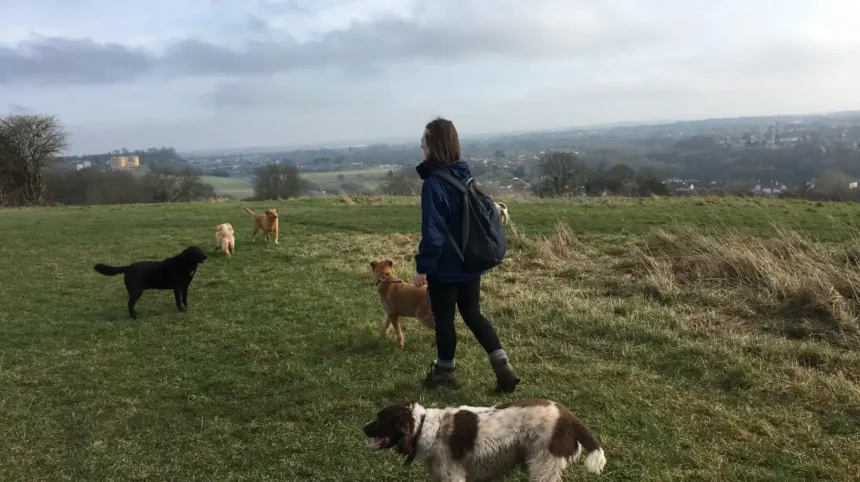
Bristol is one of England’s strongest cities for dog walking because it combines large country estates, historic parks, woodland, riverside paths and protected nature sites. The city council manages more than 1,000 hectares of land designated for nature conservation, including 49 Sites of Nature Conservation Interest and 13 Local Nature Reserves.
- What makes Bristol a good city for dog walks?
- Where are the best dog walks in Bristol?
- Which Bristol dog walks are best for long walks?
- Which Bristol dog walks are best for woodland?
- Which dog walks in Bristol have riverside or gorge scenery?
- What should dog owners know about Bristol’s parks and nature areas?
- How should you prepare for a dog walk in Bristol?
- Are Bristol dog walks suitable throughout the year?
- How can you choose a Bristol dog walk based on distance and terrain?
- What makes Bristol dog walking environmentally responsible?
- Which Bristol dog walks are best for first-time visitors?
- How can Bristol dog walks remain enjoyable as the city develops?
This variety gives dog owners access to short urban walks, longer countryside routes and woodland trails without travelling far from the city centre. Popular locations include Ashton Court Estate, Blaise Castle Estate, Leigh Woods, The Downs, Eastville Park, Oldbury Court Estate and the Avon Gorge.
Dog walking in Bristol also requires awareness of wildlife, livestock, cyclists, children, muddy terrain and local restrictions. Responsible owners keep dogs under control, follow signs, remove dog waste and respect areas where dogs are restricted.
What makes Bristol a good city for dog walks?
Bristol offers an extensive network of parks, estates, woodlands, riverside spaces and nature reserves that provide varied dog-walking environments within and around the city. Its largest green spaces support short walks, longer routes and nature-focused outdoor recreation.
Bristol’s geography creates particularly varied walking conditions. The city contains elevated viewpoints, wooded valleys, open grassland, historic estates and river corridors. This means dog owners can select routes according to distance, terrain and the needs of their dogs.
Bristol City Council identifies major green spaces including Ashton Court Estate, Blaise Castle Estate, Brandon Hill, Castle Park, College Green and other parks and estates.
The city also has an important nature-conservation network. Bristol City Council manages more than 1,000 hectares of land designated for nature conservation. These areas include 49 Sites of Nature Conservation Interest and 13 Local Nature Reserves.
For dog owners, this creates several practical categories of walking environment. Urban parks provide convenient daily exercise. Country estates provide longer routes. Woodlands offer shade and varied terrain. Riverside paths provide relatively open walking corridors.
Dog owners should check site-specific signs before allowing dogs off lead. A location being a public park does not automatically mean every section permits unrestricted off-lead exercise.
Where are the best dog walks in Bristol?
The best-known Bristol dog-walking destinations include Ashton Court Estate, Blaise Castle Estate, Leigh Woods, The Downs, Oldbury Court Estate, Eastville Park and the Avon Gorge, each offering different scenery, terrain, distances and walking conditions.
Ashton Court Estate
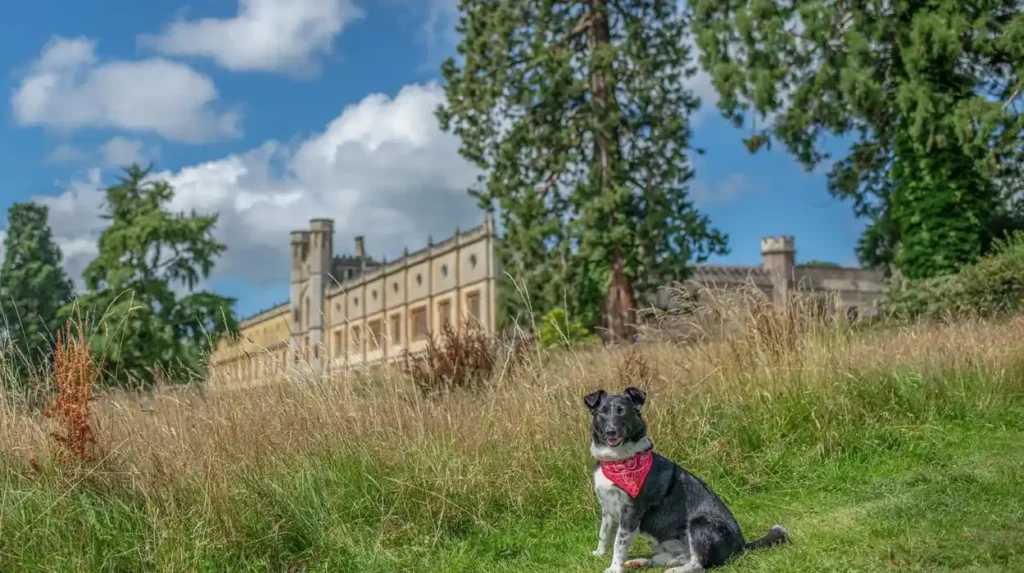
Ashton Court Estate is one of Bristol’s largest outdoor destinations. Bristol City Council describes the estate as a country park and mansion covering approximately 850 acres of woodland and grassland.
The estate provides extensive space for walking across woodland, open grassland and estate landscapes. Its scale makes it suitable for owners seeking longer walks rather than a short urban park circuit.
The landscape also connects with Bristol’s wider nature network. Bristol City Council lists Ashton Court among its main estates that contain significant natural habitat and wildlife.
Dogs should remain under effective control around other walkers, cyclists, wildlife and livestock. Owners should follow signs displayed across the estate.
Blaise Castle Estate
Blaise Castle Estate covers 650 acres and is a Grade II* registered parkland. It contains woodland, grassland, streams, ponds, caves, historic structures and walking routes.
The estate has several official walks. These include the Castle Walk, Gorge Walk, Kings Weston Down Walk, Rhododendron Walk and The Royals and St Mary’s Church Walk. The published routes range from approximately one mile to three miles.
The Rhododendron Walk is approximately three miles and takes about one hour and 45 minutes according to Bristol City Council. It combines surfaced paths and woodland trails with varied terrain and steep inclines.
Blaise also contains a substantial dog-free play area. This separation is important for dog owners because children’s play facilities and dog exercise areas have different requirements.
Leigh Woods
Leigh Woods is one of the most distinctive woodland dog walks near Bristol. The National Trust manages the site, which forms part of the Avon Gorge landscape and has significant nature-conservation importance. It is designated as a National Nature Reserve and forms part of the Avon Gorge Site of Special Scientific Interest and Special Area of Conservation.
Dogs are welcome at Leigh Woods on leads. The National Trust specifically asks visitors to clean up after their dogs and provides a dog bin at the North Road entrance.
The official Leigh Woods Woodland Wander is one mile long and takes approximately 30 to 45 minutes. The circular route combines surfaced paths and grass, with some muddy sections during wet weather.
The site also has a one-mile Veteran Tree Walk. The route is classified as easy and takes approximately 30 to 45 minutes.
Leigh Woods is especially important for responsible dog walking because of its wildlife. The National Trust identifies rare plants and insects and highlights the area’s exceptionally important whitebeam tree population.
The Downs
The Downs is a major open green space in Bristol. Its open character provides a different walking experience from the enclosed woodland of Leigh Woods or the historic landscape of Blaise Castle.
The area is particularly useful for city residents who need accessible green space without travelling to the outskirts. Its broad open landscape also provides space for walking and recreational activity.
Dog owners should remain aware of other users. The Downs is used by walkers, runners, families and recreational groups, so dogs need reliable recall and appropriate control.
Oldbury Court Estate
Oldbury Court Estate is another established green space in Bristol. It combines parkland and woodland environments and forms part of the city’s broader network of important natural habitats.
The estate is particularly useful for owners who want a woodland-oriented walk without leaving Bristol. Its paths provide a mixture of terrain and scenery.
As with other Bristol estates, conditions change after rainfall. Mud, wet grass and slippery paths require appropriate footwear and controlled walking speeds.
Eastville Park
Eastville Park is a historic municipal park in Bristol. Bristol City Council identifies Eastville Park among the city’s important historic parks and gardens.
The park provides accessible urban green space for daily dog exercise. Its location makes it particularly relevant to residents in eastern parts of the city.
Its historic landscape also demonstrates how Bristol’s public parks developed alongside the city’s urban expansion. Bristol’s historic parks include medieval deer parks, Georgian landscapes and Victorian municipal parks.
Which Bristol dog walks are best for long walks?
Ashton Court Estate, Blaise Castle Estate and Leigh Woods provide some of Bristol’s strongest options for longer dog walks because they contain extensive paths, woodland, grassland and varied terrain across larger landscapes.
Long walks require more planning than short neighbourhood walks. Owners should consider water, weather, terrain, daylight, dog fitness and access arrangements before setting out.
Ashton Court is particularly suitable for longer sessions because the estate covers around 850 acres.
Blaise Castle also supports longer routes. Its official Rhododendron Walk covers three miles and combines woodland trails, surfaced paths, natural features and historic buildings.
Leigh Woods provides shorter official routes but also contains a wider network of woodland paths. The National Trust describes several walking and running routes across the site.
A longer dog walk should not automatically mean a faster walk. Dogs need opportunities to investigate their surroundings, drink water and recover from exertion. Terrain also affects physical demand. A three-mile route with steep inclines creates greater exertion than three miles on level ground.
Owners should therefore select routes according to the dog’s age, fitness and behaviour rather than distance alone.
Which Bristol dog walks are best for woodland?
Leigh Woods and Blaise Castle Estate provide particularly strong woodland walking environments in Bristol, with established trails through broadleaf trees, grassland and historic landscapes that create varied terrain and seasonal conditions.
Leigh Woods contains broadleaf woodland including oak, small-leaved lime and ash. The National Trust describes veteran trees, grassland and limestone habitats across the reserve.
The site contains more than 500 veteran trees. These trees provide important habitat for fungi, invertebrates and lichen.
Blaise Castle Estate also combines woodland with grassland, streams, ponds and other natural features. Bristol City Council identifies the estate as a Site of Nature Conservation Interest covering 100 hectares.
Woodland walking requires additional awareness of seasonal conditions. Fallen branches, exposed roots, mud and slippery surfaces can affect route safety.
Dogs also encounter wildlife more frequently in woodland. Owners should prevent dogs from chasing animals and should follow signs relating to livestock and conservation areas.
Which dog walks in Bristol have riverside or gorge scenery?
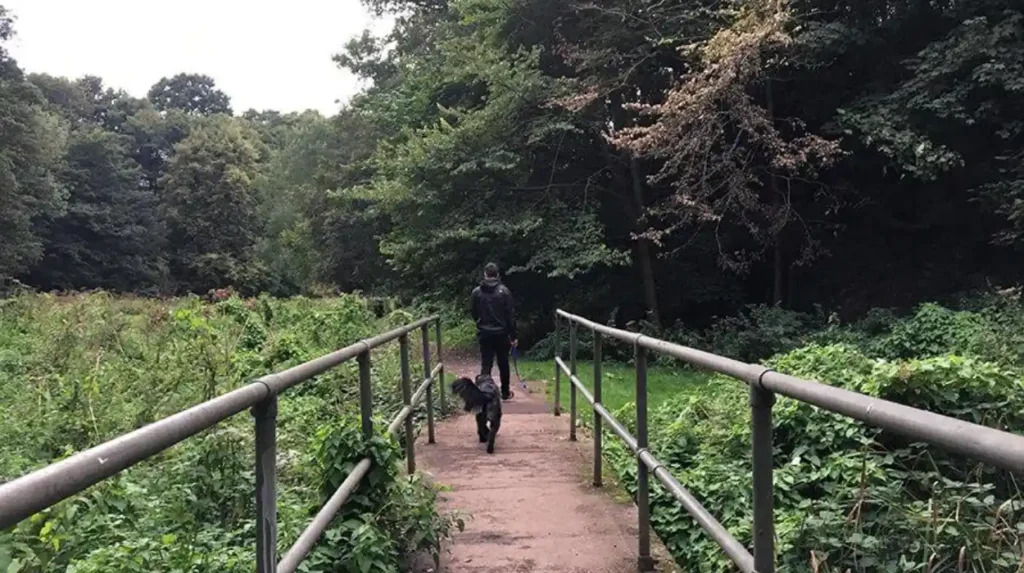
Leigh Woods and the Avon Gorge provide Bristol’s strongest combination of woodland and gorge scenery, while Blaise Castle Estate also contains routes with views across its gorge and surrounding woodland.
The Avon Gorge is one of Bristol’s defining natural landscapes. Leigh Woods sits on the plateau above the gorge and provides views towards the Clifton Suspension Bridge and Bristol.
The National Trust’s Woodland Wander includes viewpoints from the edge of the Avon Gorge and passes Stokeleigh Camp hillfort.
Blaise Castle Estate also has an official Gorge Walk. Bristol City Council lists the route as approximately one mile and around 50 minutes, with views of the gorge and surrounding woodland. The route includes steep inclines.
Gorge routes require additional control because some paths contain steep sections, uneven ground and exposed viewpoints. Dogs should remain close to their owners where signs or terrain require it.
Rivers and ponds also attract wildlife. Dogs should not enter water unless local conditions and signage permit it. Fast-flowing water, deep water and unstable banks create hazards.
What should dog owners know about Bristol’s parks and nature areas?
Dog owners should follow local signs, control dogs around wildlife and livestock, remove dog waste, respect dog-free areas and keep dogs on leads where required by land managers or conservation conditions.
Responsible dog walking protects both public access and wildlife. It also reduces conflict between dog owners and other park users.
Bristol’s nature areas contain habitats that support birds, mammals, insects and plants. The council manages many sites specifically to maintain their ecological value.
Leigh Woods provides a clear example. Its National Nature Reserve and SSSI status reflect its conservation importance. Dogs are welcome, but the National Trust requires them to be kept on leads.
Blaise Castle Estate also contains protected and valuable habitats. Its 100-hectare Site of Nature Conservation Interest includes woodlands, grasslands, streams, ponds and caves.
Dog owners should therefore treat conservation areas differently from ordinary urban pavements. Dogs should not disturb nesting birds, chase wildlife or enter restricted habitats.
Waste management is equally important. Dog waste should be collected and placed in appropriate bins or taken home when bins are unavailable.
How should you prepare for a dog walk in Bristol?
Preparation should cover route length, weather, terrain, water, dog identification, lead control and local restrictions. A simple preparation routine reduces problems and helps owners manage longer walks across Bristol’s parks and countryside.
Weather has a significant effect on Bristol’s walking conditions. Rain creates muddy paths and slippery surfaces. Hot weather increases the risk of overheating, particularly on exposed grassland and paved routes.
Owners should carry fresh drinking water for longer walks. A portable bowl provides a practical way to offer water without relying on ponds or streams.
A lead is essential even for dogs that normally walk off lead. It allows owners to respond quickly to livestock, cyclists, children, wildlife and restricted areas.
Identification is also important. Dogs should have appropriate identification and owners should ensure contact details remain current.
Footwear matters on woodland and estate routes. Blaise Castle’s official routes include steep inclines, while Leigh Woods has uneven rocky sections that become slippery when wet.
Owners should also check the official site information before travelling. Access arrangements, parking conditions, events and temporary restrictions can change.
Are Bristol dog walks suitable throughout the year?
Bristol’s parks, estates and woodlands remain useful for dog walking throughout the year, but route conditions change seasonally. Rain increases mud, summer increases heat exposure, autumn increases leaf cover and winter reduces daylight.
Spring brings longer daylight and active vegetation. Woodland areas such as Leigh Woods contain seasonal wildflowers and developing foliage.
Summer provides longer walking periods but increases heat exposure. Owners should avoid strenuous walks during the hottest part of the day and provide regular access to drinking water.
Autumn creates wet leaves, mud and reduced visibility. Woodland paths can become slippery, particularly on slopes and uneven sections.
Winter reduces daylight and increases the likelihood of saturated ground. Waterproof footwear and reflective equipment become more useful for early and late walks.
Seasonal wildlife activity also requires greater awareness. Dogs should remain under control around nesting birds, deer and other wildlife.
Bristol’s conservation management makes year-round responsible behaviour particularly important. The city manages substantial areas specifically for nature conservation, making dog control an important part of protecting these spaces.
How can you choose a Bristol dog walk based on distance and terrain?
Choose a route according to the dog’s fitness, walking experience and the terrain rather than distance alone. Short woodland circuits suit routine exercise, while larger estates provide longer walks with greater elevation and varied surfaces.
A short walk of approximately one mile can provide meaningful exercise when it includes woodland paths, slopes or varied surfaces. Leigh Woods offers two official one-mile walks, with durations of approximately 30 to 45 minutes.
Blaise Castle provides routes ranging from approximately one mile to three miles. The three-mile Rhododendron Walk takes approximately one hour and 45 minutes.
Terrain is an important consideration. A route containing steep inclines places greater physical demand on both dogs and owners.
Older dogs and dogs with limited fitness require more gradual routes. Flat or moderately level paths provide easier conditions than steep woodland trails.
Young and energetic dogs require adequate exercise but also need behavioural control. High-energy dogs should not be allowed to chase wildlife or interfere with other park users.
The best route therefore depends on the individual dog rather than a single city-wide ranking.
What makes Bristol dog walking environmentally responsible?
Environmentally responsible dog walking protects habitats, reduces wildlife disturbance and preserves public access. Owners support conservation by following signs, using paths, controlling dogs near wildlife, removing waste and avoiding restricted areas.
Bristol contains a substantial network of conservation land. Bristol City Council states that more than 1,000 hectares of land are designated for nature conservation across the city.
Leigh Woods demonstrates why responsible behaviour matters. The site contains nationally important plant and insect populations and one of the world’s richest areas for whitebeam trees.
Blaise Castle also supports diverse habitats, including species-rich grassland. Bristol City Council states that more than 11 hectares of species-rich grassland are managed as traditional hay meadow.
Dogs can affect wildlife through chasing, scent disturbance and uncontrolled movement. Keeping dogs under control reduces these pressures.
Path use also matters. Repeated walking outside designated routes can damage vegetation and increase erosion. Staying on established paths helps protect sensitive ground.
Waste removal is another basic environmental responsibility. Dog waste affects public cleanliness and creates additional management requirements for parks.
Explore More Area Guide
Dog-Friendly Pubs in Bristol: Complete Visitor Guide 2026
Dog-Friendly Cafés in Bristol: Best Places to Visit 2026
Which Bristol dog walks are best for first-time visitors?
First-time visitors should start with clearly established routes such as Leigh Woods, Blaise Castle Estate or Ashton Court because these destinations provide recognised paths, defined access points and established facilities for walking and outdoor recreation.
Leigh Woods provides a straightforward starting point through its official one-mile Woodland Wander. The route has a defined entrance, published duration and documented terrain.
Blaise Castle Estate offers more choice. Visitors can select shorter routes before progressing to longer walks. The estate also has parking, toilets, a café and several walking routes.
Ashton Court is better suited to visitors seeking a larger country-park environment. Its 850 acres provide extensive woodland and grassland.
First-time visitors should begin with a route that matches their dog’s behaviour and fitness. A familiarised dog with reliable recall provides more flexibility than a dog that reacts strongly to other animals or people.
How can Bristol dog walks remain enjoyable as the city develops?
Bristol’s extensive parks, conservation sites and historic estates provide a durable foundation for dog walking. Continued habitat management, responsible visitor behaviour and clear access rules will remain important as demand for green space increases.
Bristol’s green infrastructure has both recreational and environmental functions. The city’s parks provide outdoor space while conservation sites protect habitats and species.
The council’s nature-management programme includes major estates such as Ashton Court, Blaise Castle, King Weston Estate, Oldbury Court Estate, Stoke Park Estate, Avon Gorge and The Downs.
This network gives dog owners access to different landscapes across Bristol. It also means that responsible dog walking is part of wider urban environmental management.
National Trust sites such as Leigh Woods demonstrate the same principle. Dogs are actively welcomed, but access operates alongside conservation responsibilities and visitor management.
The future of dog walking in Bristol therefore depends on maintaining a balance between recreation and conservation. Owners who follow local rules help keep green spaces accessible while protecting the habitats that make Bristol’s walking network distinctive.
For visitors and residents, the most effective approach is simple: choose a suitable route, check current site guidance, carry essential supplies, keep dogs under control and respect the landscape. Bristol’s combination of country estates, historic parks, woodland and protected nature sites provides a strong year-round network for responsible dog walking.
What are the best dog walks in Bristol?
The best dog walks in Bristol include Ashton Court Estate, Blaise Castle Estate, Leigh Woods, The Downs, Oldbury Court Estate and Eastville Park. These locations offer different walking environments, including woodland, grassland, historic parkland, open spaces and gorge scenery.