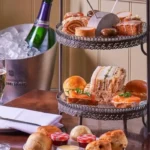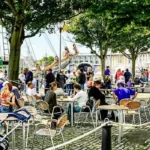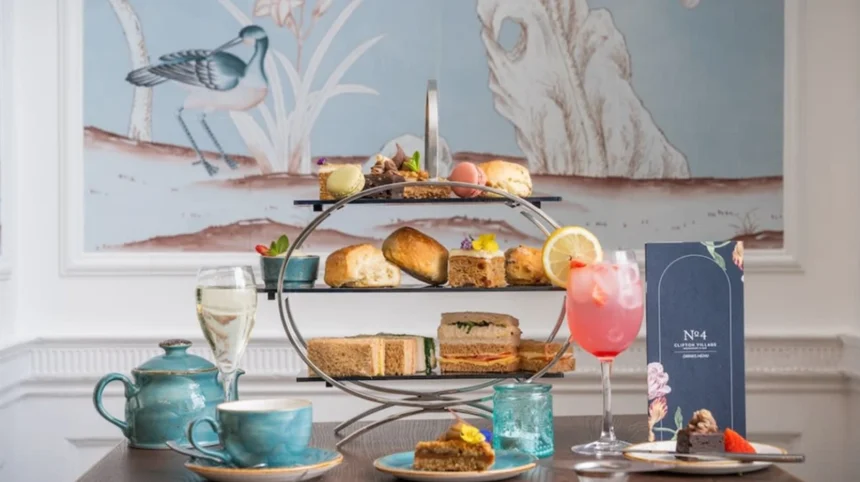
Bristol has a broad tea-room culture that combines traditional English afternoon tea, independent cafés, vintage tearooms, hotel dining rooms and modern venues. The city centre, Clifton, Harbourside and surrounding areas provide distinct settings for tea, scones, sandwiches, cakes and speciality drinks.
- What are the best tea rooms in Bristol?
- What is a traditional Bristol tea room?
- When did afternoon tea become popular in Britain?
- Which Bristol tea rooms are in Clifton?
- Where can visitors find traditional afternoon tea in central Bristol?
- Which Bristol tea rooms offer a vintage experience?
- Which tea rooms in Bristol offer vegetarian, vegan or gluten-free options?
- Which Bristol tea rooms are suitable for special occasions?
- Where can visitors enjoy afternoon tea outside Bristol city centre?
- What food is normally served in Bristol afternoon tea?
- How should visitors choose a tea room in Bristol?
- Why are Bristol tea rooms important to the city’s food culture?
- What should visitors know before booking a Bristol tea room?
- How does Bristol’s tea-room scene fit into a wider city visit?
What are the best tea rooms in Bristol?
The best-known Bristol tea-room options include No.4 Clifton Village, Ashwell & Co, Hotel du Vin, The Bristol, Harbour House, Harvey Nichols and The Ivy Clifton Brasserie, alongside independent cafés and historic venues.
Bristol’s tea-room scene covers several distinct formats. Traditional afternoon tea focuses on finger sandwiches, scones, clotted cream, jam, cakes and tea. Independent tearooms often add homemade cakes, vintage interiors and locally produced ingredients. Hotels provide formal afternoon tea in historic or contemporary settings.
No.4 Clifton Village is located in Clifton Village and serves classic afternoon tea with finger sandwiches, homemade treats and freshly baked scones. Its current menu also includes Champagne, Prosecco and gin-and-tonic upgrades, alongside an outdoor tea option in its private walled garden.
Ashwell & Co provides a vintage tearoom experience in Clifton. Visit Bristol describes its afternoon tea as handmade and locally produced, including sandwiches, cakes, scones and homemade clotted cream. Afternoon tea is currently served on Fridays and Saturdays from 12:30pm, with advance booking required.
Central Bristol offers a different selection. Hotel du Vin occupies a former sugar factory and serves afternoon tea with Bird & Blend Tea Co. infusions, sandwiches, cakes and scones. Harbour House combines afternoon tea with its Harbourside location, while The Bristol provides a traditional presentation using retro crockery.
These venues demonstrate why the term “tea room” in Bristol covers more than a single type of establishment. Visitors can choose between independent tearooms, cafés, restaurants, hotels and heritage settings.
What is a traditional Bristol tea room?
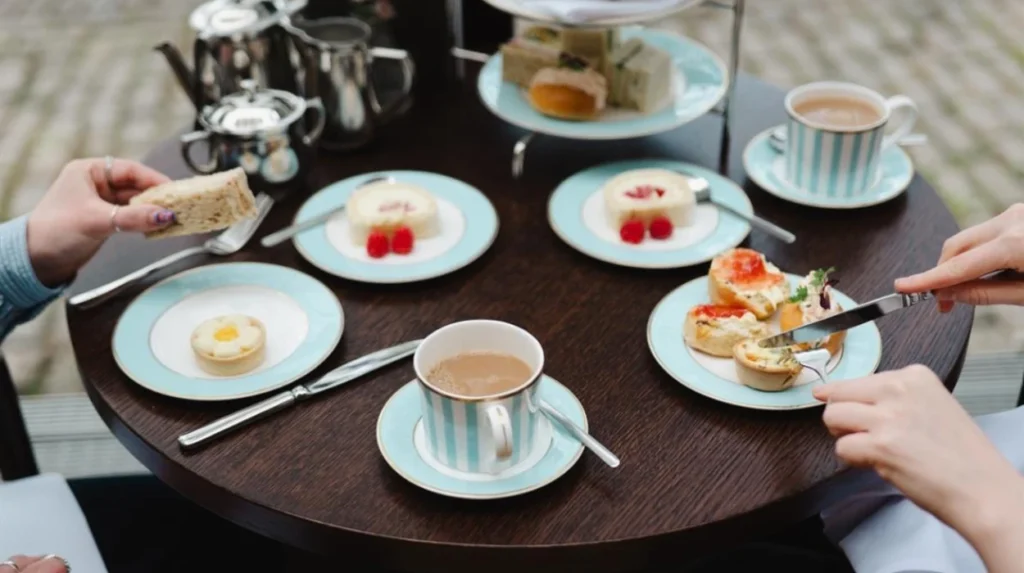
A traditional Bristol tea room is a café or dining venue centred on tea, cakes and light meals, with classic afternoon tea adding finger sandwiches, scones, jam, clotted cream and individual cakes served as a structured social meal.
Traditional tea rooms developed from Britain’s wider tea-drinking culture. Tea entered England during the 17th century as an expensive imported product. Its consumption gradually expanded as supplies increased and prices became more accessible. Public tea rooms subsequently developed as places where people could purchase tea and simple food outside the home.
The National Trust records the development of public tea rooms during the 19th century. Cheaper supplies of Assam, Darjeeling and Ceylon black teas helped make tea accessible to a wider population. Tea rooms also became associated with cakes and refreshments for travellers and visitors.
Modern Bristol follows this established model while adding local characteristics. Independent venues often emphasise handmade food, vintage decoration and neighbourhood identity. Hotels and restaurants generally provide a more formal service.
A traditional tea-room menu normally contains several components. Tea forms the central drink. Scones provide the main baked element. Jam and clotted cream accompany the scones. Finger sandwiches provide savoury food. Cakes and pastries complete the sweet selection.
Cream tea is a smaller format. It normally consists of tea, scones, jam and clotted cream. Afternoon tea is more substantial because it adds sandwiches and additional cakes or pastries.
When did afternoon tea become popular in Britain?
Afternoon tea became established as a fashionable British social ritual during the 19th century, with Anna Maria Russell, Duchess of Bedford, commonly credited with popularising the custom around 1840 as meal times shifted later.
Tea itself has a much longer history. Historic England records its introduction into England during the mid-17th century. By the early 1700s, tea drinking had become fashionable among aristocratic and middle-class groups.
The familiar afternoon-tea story centres on Anna Maria Russell, the seventh Duchess of Bedford. The British Museum states that she is credited with introducing the custom around 1840. The social background was a growing gap between midday lunch and late evening dinner among wealthier households.
The historical record requires some qualification. Historic England notes that food historians have identified evidence of people eating baked treats with tea before the Duchess of Bedford’s period. The Duchess is therefore better understood as an important figure in the popularisation of the custom rather than an uncontested single inventor.
By the Victorian period, afternoon tea had developed into a social occasion. Tea, bread, butter, sandwiches and cakes became associated with formal visits and gatherings. The practice subsequently expanded beyond aristocratic households.
Bristol’s current afternoon-tea venues reflect this historical development. Traditional menus retain the combination of tea, savoury sandwiches, scones and sweet foods while modern venues introduce alternative drinks, dietary menus and regional ingredients.
Which Bristol tea rooms are in Clifton?
Clifton has several prominent tea venues, including No.4 Clifton Village, Ashwell & Co, The Ivy Clifton Brasserie and KIBOU, giving the district traditional, vintage and contemporary interpretations of afternoon tea.
Clifton is one of Bristol’s most established visitor districts. It contains the Clifton Suspension Bridge, Avon Gorge, Clifton Observatory and Clifton Village. The area combines historic architecture, independent businesses, restaurants and cafés.
No.4 Clifton Village provides a traditional afternoon-tea format. Its current menu includes finger sandwiches, homemade treats and freshly baked scones. Visitors can select a classic tea or add Champagne, Prosecco or Plymouth gin and tonic.
Ashwell & Co has a distinctly vintage identity. Its tea service takes place within a vintage boutique setting. The food is handmade, including bread, sandwiches, cakes, tarts, scones and signature homemade clotted cream.
The Ivy Clifton Brasserie provides a restaurant-based afternoon tea. Visit Bristol lists sandwiches, brioche, seasonal cakes and other sweet items within its afternoon-tea selection. The service operates seven days a week according to the current Bristol visitor guide.
KIBOU offers a Japanese interpretation of afternoon tea. Its menu includes sushi, sashimi and Japanese sweets, creating a substantially different format from a traditional British tea service. Vegetarian options are also available.
Clifton therefore suits visitors who want to combine tea with sightseeing. The district’s attractions provide a clear reason to pair a tea-room visit with walking around Clifton Village, visiting the Observatory or viewing the Avon Gorge.
Where can visitors find traditional afternoon tea in central Bristol?
Central Bristol provides traditional afternoon tea at venues including Hotel du Vin, The Bristol, Harbour House, Harvey Nichols Second Floor Restaurant and Harbour Hotel Bristol, with menus combining tea, sandwiches, scones and cakes.
Central Bristol provides the largest concentration of visitor-oriented hospitality infrastructure. Tea venues sit close to shopping areas, historic attractions, the Harbourside and major city-centre streets.
Hotel du Vin & Bistro is located in a converted sugar factory. Its afternoon tea includes Bird & Blend Tea Co. infusions, sandwiches, cakes and scones. The current service also provides vegan sandwich choices and optional Champagne or cocktail additions.
Harbour House occupies a Harbourside location. Its afternoon tea uses seasonal food and includes items such as arancini, focaccia sandwiches, macarons and a Brunel-inspired choux bun. Tea and coffee accompany the food, with additional drink upgrades available.
Harvey Nichols Second Floor Restaurant provides a contemporary department-store dining setting. Its afternoon tea includes savoury sandwiches and homemade sweet dishes such as cakes and pavlova.
The Harbour Kitchen at Harbour Hotel Bristol provides several afternoon-tea formats. These include traditional, Prosecco and Champagne versions. Its menu includes sandwiches, plain and fruit scones, clotted cream, jam and cakes.
The Bristol serves Harbourside afternoon tea from Thursday to Saturday under its current published schedule. The menu includes finger sandwiches, scones, miniature cakes and tea, with gluten-free and vegan options available on request.
These venues suit visitors combining tea with shopping, harbour walks, cultural attractions or city-centre sightseeing.
Which Bristol tea rooms offer a vintage experience?
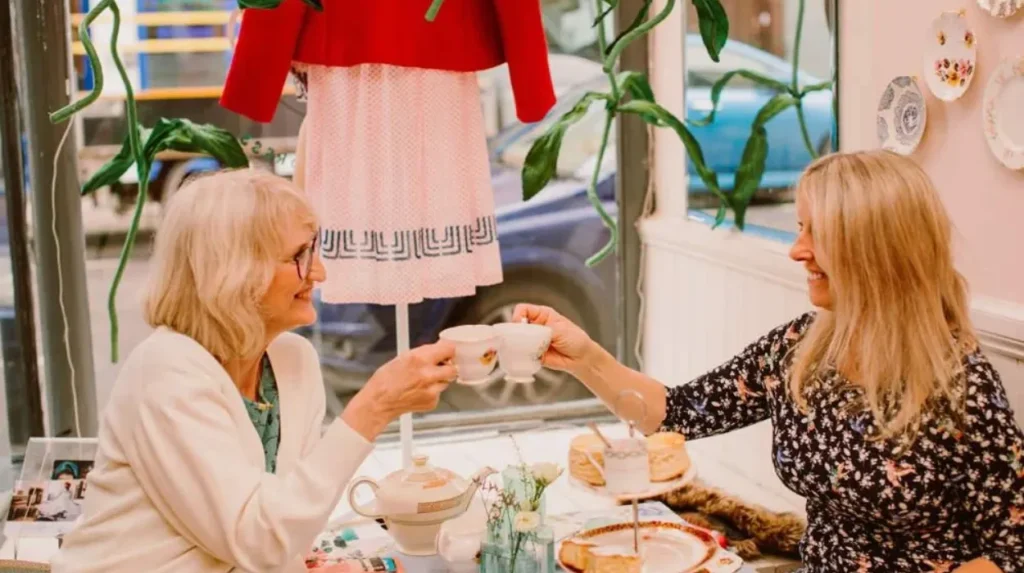
Ashwell & Co provides one of Bristol’s clearest vintage tearoom experiences, combining a vintage boutique setting with handmade sandwiches, cakes, scones and homemade clotted cream served on traditional-style crockery.
Vintage tea rooms use interior design as part of the dining experience. Traditional crockery, furniture, decorative displays and period-inspired presentation create a setting associated with earlier British tea culture.
Ashwell & Co is particularly connected with this format. Visit Bristol describes the Clifton venue as a quirky vintage tearoom located within a vintage boutique. Its afternoon tea uses handmade and locally produced food.
The menu includes sandwiches, miniature cakes, tarts and freshly baked scones. The venue also makes its own clotted cream. These details connect the food preparation with the traditional tearoom concept.
Vintage tea rooms also support private events. Ashwell & Co offers packages for celebrations and private gatherings and provides crockery-hire options for parties held elsewhere.
For visitors interested in Bristol’s independent food culture, this format differs from the hotel afternoon-tea model. The emphasis is on a smaller-scale tearoom identity rather than a large restaurant or hotel operation.
Which tea rooms in Bristol offer vegetarian, vegan or gluten-free options?
Bristol’s afternoon-tea scene includes venues with vegetarian, vegan and gluten-free choices, including No.4 Clifton Village, The Bristol and Berwick Lodge, although dietary menus differ by venue and booking arrangements.
Dietary requirements have become an important part of afternoon-tea planning. Traditional menus often contain wheat, dairy and eggs, so visitors with allergies or dietary restrictions need to confirm suitable alternatives before booking.
No.4 Clifton Village provides a vegan afternoon-tea menu alongside its classic service. Its published menu also identifies several drink upgrades.
The Bristol states that gluten-free and vegan afternoon teas are available on request. This makes advance communication important because dietary adaptations require preparation.
Berwick Lodge provides gluten-free, vegetarian and vegan menus. Its afternoon-tea service also includes a smaller children’s option.
KIBOU offers a vegetarian afternoon tea within its Japanese-inspired format. The menu includes sushi, sashimi and Japanese sweets, creating alternatives to conventional British afternoon tea.
Dietary requirements should be stated during booking rather than after arrival. This gives the kitchen accurate information about allergies, ingredient exclusions and suitable substitutions.
Which Bristol tea rooms are suitable for special occasions?
Bristol tea rooms support birthdays, family gatherings, celebrations, baby showers, graduations and other occasions through formal afternoon-tea menus, private spaces, upgraded drinks and venue-specific event packages.
Afternoon tea is frequently used for celebrations because the format provides a defined service period and multiple food courses without requiring a full restaurant meal.
Ashwell & Co offers private party packages for occasions including hen parties, birthdays and baby showers. The venue also provides crockery hire and delivery options for selected events.
No.4 Clifton Village provides several upgrade options. Guests can add Champagne, Prosecco or Plymouth gin and tonic to the classic afternoon tea. Its private walled garden provides an outdoor setting during suitable weather.
The Bristol offers Champagne and cocktail additions, while Harbour Hotel Bristol provides Prosecco and Champagne afternoon-tea formats.
Special-occasion planning should include group size, dietary requirements, seating preferences and timing. Larger groups often require advance booking because afternoon tea involves multiple prepared components for every guest.
Where can visitors enjoy afternoon tea outside Bristol city centre?
Tea options beyond central Bristol include Berwick Lodge, Thornbury Castle, De Vere Tortworth Court and Curious Kitchen at Aztec Hotel & Spa, extending the afternoon-tea experience into historic buildings, countryside settings and suburban locations.
Bristol’s wider tea-room area extends into South Gloucestershire and nearby destinations. These venues are relevant to visitors with access to a car or those planning a broader day trip.
Thornbury Castle provides afternoon tea within a historic castle setting. Visit Bristol states that afternoon tea is served daily from 1pm to 4pm. The setting connects the meal with the heritage of Thornbury and its historic castle grounds.
De Vere Tortworth Court occupies a Grade II listed Victorian mansion in South Gloucestershire. Its afternoon tea is served in the 1853 Restaurant, which occupies the building’s former library. The current published 2026 information lists traditional, sparkling and Champagne afternoon-tea options.
The current De Vere listing gives traditional afternoon tea at £30 per person, sparkling afternoon tea at £39 and Champagne afternoon tea at £44. Monday-to-Friday service runs from 2pm to 3:45pm, while Saturday and Sunday service runs from 12:30pm to 3:45pm. Prices and service times remain subject to venue updates.
Berwick Lodge combines afternoon tea with a historic country-house setting. Its published options include traditional, Bridgerton-themed, gluten-free, vegetarian, vegan and children’s formats.
Curious Kitchen at Aztec Hotel & Spa focuses on South West ingredients. Its afternoon tea includes West Country Keen’s cheddar, Severn and Wye smoked salmon, Devon buttermilk scones and Cornish clotted cream.
What food is normally served in Bristol afternoon tea?
Bristol afternoon tea normally combines finger sandwiches, freshly baked scones, jam, clotted cream, cakes and tea, while individual venues add seasonal pastries, regional ingredients, themed dishes and alternative dietary menus.
The classic structure divides the meal into savoury and sweet components. Finger sandwiches provide the savoury course. Common fillings include cucumber, smoked salmon, chicken and cream cheese.
Scones provide the central baked component. Traditional service pairs them with jam and clotted cream. The exact presentation varies between venues.
Cakes and pastries complete the sweet selection. Bristol venues use a wide range of contemporary desserts. The Bristol lists miniature cakes, while Harbour House includes macarons and a Brunel-inspired choux bun.
Tea selection also varies. Hotel du Vin uses Bird & Blend Tea Co. infusions. De Vere Tortworth Court lists Twinings tea and fruit infusions alongside coffee.
Modern afternoon tea therefore combines a traditional structure with venue-specific food. The basic components remain recognisable while the flavours, presentation and drinks change.
How should visitors choose a tea room in Bristol?
Visitors should choose a Bristol tea room according to location, menu style, dietary requirements, setting, service times, group size, accessibility and budget rather than treating every tea room as the same dining experience.
Location determines the wider itinerary. Clifton venues work well with Clifton Village and the Clifton Suspension Bridge. Harbourside venues fit naturally into waterfront sightseeing. Central venues suit shopping and city-centre attractions.
Menu style is the next consideration. Traditional menus suit visitors seeking sandwiches, scones and cakes. Vintage venues emphasise atmosphere and handmade food. Japanese-inspired tea provides a substantially different culinary format.
Dietary requirements need early confirmation. Vegan, vegetarian and gluten-free provisions differ between venues, and allergy information should be communicated during booking.
Opening times also differ. Ashwell & Co currently serves afternoon tea on Fridays and Saturdays, while other venues operate daily or on selected days.
Price is another practical factor. Current published prices demonstrate a wide range. De Vere Tortworth Court lists its traditional afternoon tea at £30 per person, while No.4 Clifton Village lists its classic afternoon tea at £28 per person.
Prices change with seasonal menus, special events and drink upgrades. Checking the venue’s current menu before booking provides the most accurate information.
Why are Bristol tea rooms important to the city’s food culture?
Bristol tea rooms contribute to the city’s wider café and hospitality culture by combining traditional British food with independent businesses, international influences, heritage settings, local ingredients and contemporary dietary requirements.
Bristol has a recognised food and drink economy spanning independent cafés, restaurants, markets and specialist food businesses. Visit Bristol describes the city as having a strong independent restaurant and café culture across its districts.
Tea rooms form one part of this wider food environment. Their importance comes from their ability to combine food, drink and social space within a relatively structured format.
The city also demonstrates how traditional British dining adapts to international influences. KIBOU’s Japanese afternoon tea introduces sushi, sashimi and Japanese sweets into a format historically associated with British food.
Regional food identity also appears in Bristol’s wider afternoon-tea area. Curious Kitchen uses West Country cheddar, Severn and Wye smoked salmon, Devon scones and Cornish clotted cream.
Heritage is another important element. Tea can be served inside a former sugar factory at Hotel du Vin, a Georgian townhouse setting at No.4 Clifton Village, a historic castle at Thornbury or a Grade II listed Victorian mansion at Tortworth Court.
This combination gives Bristol’s tea-room scene a broad geographic and culinary identity.
Explore More Area Guide
Best Afternoon Tea in Bristol: Top Bristol Venues
Best Cake Cafés in Bristol: Ahh Toots, Pinkmans & More
What should visitors know before booking a Bristol tea room?
Visitors should check current opening times, prices, booking requirements, dietary provisions, group policies and menu availability before visiting because afternoon-tea services differ between Bristol venues and can change seasonally.
Advance booking is particularly important for popular afternoon-tea services and private celebrations. Ashwell & Co explicitly requires advance booking for its afternoon tea.
Visitors should confirm the service time. Afternoon tea is usually served during the afternoon, but individual venues set their own schedules. Hotel du Vin currently serves from 12:30pm to 4pm, while The Bristol currently lists Thursday-to-Saturday service from 12:30pm to 4:30pm.
Dietary information should be supplied when making the reservation. This is especially important for severe allergies because standard afternoon tea contains common allergens including wheat, dairy, eggs and nuts in some products.
Visitors should also confirm whether children are accommodated and whether a reduced menu exists. Berwick Lodge currently lists a smaller children’s afternoon tea.
Outdoor seating also depends on venue and weather. No.4 Clifton Village provides afternoon tea in its private walled garden when requested as part of the booking.
Current venue information remains the most reliable source for exact prices, dates and availability. Bristol’s official tourism website maintains a dedicated afternoon-tea guide covering venues across the city and surrounding area.
How does Bristol’s tea-room scene fit into a wider city visit?
Bristol’s tea rooms work naturally within sightseeing itineraries because venues are located across Clifton, the city centre, Harbourside and surrounding countryside, allowing visitors to combine tea with heritage, shopping, waterfront walks and cultural attractions.
Clifton provides a strong heritage setting. Visitors can combine tea with the Clifton Suspension Bridge and Avon Gorge before returning to Clifton Village for afternoon tea. The suspension bridge was designed by Isambard Kingdom Brunel and completed in 1864.
The Harbourside provides another logical combination. Visitors can walk beside the water before choosing Harbour House or The Bristol for afternoon tea. The location also connects with Bristol’s wider maritime and cultural attractions.
Central Bristol provides access to shopping, museums, historic streets and cultural institutions. Bristol City Council lists Bristol Museum & Art Gallery, M Shed, The Georgian House Museum, The Red Lodge Museum and Bristol Archives among the city’s major museums and heritage resources.
Tea therefore functions as part of a wider visitor itinerary rather than an isolated food activity. Its timing also fits naturally between lunch and evening activities.
For visitors travelling beyond the city centre, venues such as Thornbury Castle and Tortworth Court create a countryside or heritage-focused day-trip format.
Bristol’s tea-room scene remains relevant because it preserves the core elements of afternoon tea while adapting them to modern hospitality. Traditional menus, independent tearooms, historic properties, international flavours, dietary alternatives and contemporary presentation all form part of the current market.
The result is a tea culture that serves different visitor purposes. A classic afternoon tea fits a formal celebration. A vintage tearoom suits visitors interested in independent Bristol businesses. A Harbourside venue connects tea with sightseeing. A Clifton venue combines tea with heritage. A Japanese-inspired service provides an international interpretation.
For anyone searching for the best tea rooms in Bristol, the most useful approach is therefore to match the venue with the intended experience, location, menu and practical requirements. Bristol provides enough variety to support traditional afternoon tea, cream tea, vintage tearoom visits, modern restaurant services and heritage-based tea experiences within the same regional food scene.
What are the best tea rooms in Bristol?
Some of the notable tea-room and afternoon-tea venues in Bristol include No.4 Clifton Village, Ashwell & Co, Hotel du Vin, The Bristol, Harbour House, Harvey Nichols and The Ivy Clifton Brasserie. Each venue offers a different setting and menu style.