Key Points
- Reopening the Case: The case of the killing of TV presenter Jill Dando, which occurred in 1999 in London, has been reopened after a three-year-long investigation conducted by the Daily Mirror.
- Suspect Identified: Journalists Tom Pettifor and Tristan Cork of the Daily Mirror have identified notorious Serbian murderer Milorad Ulemek as the possible suspect.
- CCTV and Witness Testimony: The Metropolitan Police have been reviewing the original video footage from the Putney Bridge train station through updated technology in an attempt to spot “Man X”, who wears a suit and looks similar to Ulemek.
- Geopolitical Reason: At the time of her killing, Jill Dando was anchoring programmes for the BBC, such as Crimewatch and had just done a high profile TV appeal in support of Kosovan refugees during NATO air strikes in Serbia.
- Background Information: A man named Barry George was earlier found guilty for the crime in 2001 but his conviction was later overturned in 2008. Ulemek is currently undergoing a 40-year jail term in Serbia for his other political killings.
Bristol (Bristol Express News) September 26, 2026 — Police in London have officially reopened the investigation into the unsolved murder of high-profile television presenter Jill Dando, following extensive research by the Daily Mirror that links a Serbian hitman to the fatal shooting.
- Key Points
- What Are the Recent Technological Advancements Helping Investigators?
- How Did Detectives Handle Eyewitness Testimony in 1999?
- What Was the Geopolitical Background Surrounding the Murder?
- Background of the Particular Development
- How This Development Can Affect the British Public and Media Community
As reported by Chief Reporters Tom Pettifor and Tristan Cork of the Daily Mirror and Bristol Live, the prominent BBC presenter was gunned down on her doorstep in London back in 1999. New evidence has emerged pointing towards a notorious Serbian assassin named Milorad Ulemek as being potentially responsible for the contract-style killing.
Following the publication of these findings, the Metropolitan Police confirmed it is actively looking into the new investigative material, which bridges eyewitness accounts from neighbours immediately following the murder, CCTV footage from a nearby tube station, and archival photographs of Ulemek from the period.
What Are the Recent Technological Advancements Helping Investigators?
In a public statement regarding the renewed interest, the Met Police stated:
“In the 27 years since Jill Dando’s murder, the investigation has been subject to numerous reviews, aiming to identify whether matters could be progressed with advances in technology and forensics.”
The spokesperson added that
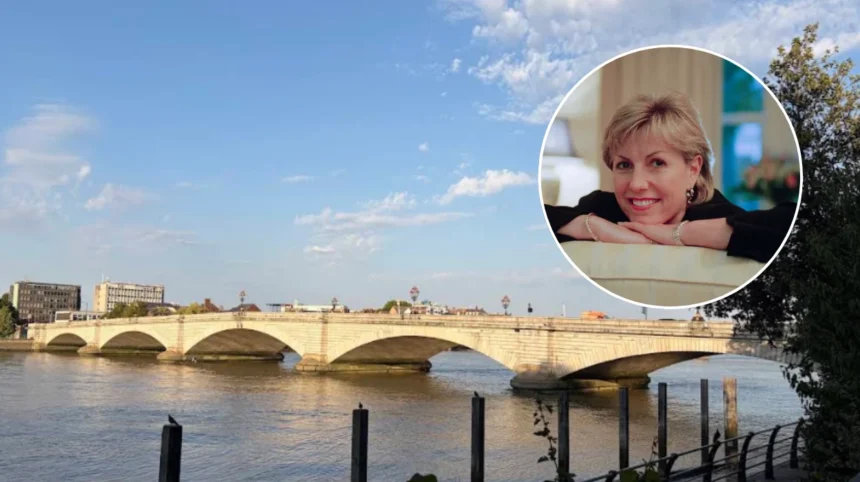
“recent advancements in CCTV enhancement technology have provided investigators with the opportunity to re-examine original footage from Putney Bridge train station. This remains ongoing.”
Cold-case officers have spent the last ten months locating and digitising the original CCTV footage of “Man X”—an unidentified man in a suit captured at the station who has never been successfully named throughout previous iterations of the police investigation. A facial comparison expert previously found that Ulemek shared remarkably similar facial features with Man X. Furthermore, witnesses who observed a man in a suit running down Jill Dando’s road have confirmed they believe Ulemek matches the individual they saw.
How Did Detectives Handle Eyewitness Testimony in 1999?
Detectives were originally alerted to Man X by a key witness who came forward on the very day of the shooting. As documented in police notes, a female motorist driving on the Fulham Palace Road at around the time of the incident saw a man in a suit “running for his life”. A month later, she identified Man X on CCTV as the person she had witnessed sprinting.
However, original detectives dismissed her evidence at the time, arguing that her description of the running man did not match Man X, despite both wearing a suit and tie and sharing a similar height, build, and hair colour.
Jill’s neighbour, Richard Hughes, who witnessed the gunman potentially carrying a mobile phone, stated that the suspect “looked like” an e-fit produced by the female motorist. Another neighbour, Geoffrey Upfillbrown, who lived across the road and also witnessed the killer, noted that it looked “similar”, according to police records. The female witness told the Daily Mirror two years ago that she remained certain it was Ulemek she had seen close to the scene after published images of him were made public.
What Was the Geopolitical Background Surrounding the Murder?
At the time Jill Dando was shot, UK warplanes were actively bombing Serbia, and she was one of the most recognisable faces on British television, presenting popular BBC programmes such as Crimewatch and Holiday. Within hours of her murder, the BBC received a phone call claiming the execution was carried out in response to a NATO attack on a Belgrade television station. Fears were also raised at the time that she may have been specifically targeted for fronting a BBC charity appeal supporting Kosovan refugees, who were facing military aggression from Serbian forces.
Jill was returning to a home she owned when she was ambushed from behind as she prepared to open her front door, being killed instantly by a single bullet to her left temple. At the time of the assassination, Ulemek served as the leader of a notorious paramilitary unit that carried out contract killings for the late Serbian dictator Slobodan Milosevic.
Last year, the Daily Mirror revealed that Ulemek’s former spymaster admitted to dispatching assassins into Western Europe during the period when Jill was killed. Ulemek is currently serving a 40-year prison sentence in Serbia after being convicted of helping plan the assassinations of former President Ivan Stambolic in 2000 and Prime Minister Zoran Djindjic in 2003.
Explore more Bristol Police News:
Armed Police Arrest Wanted Man in Bedminster, Bristol 2026
Missing 15-Year-Old Girl Skye Travelled to Bristol 2026
Background of the Particular Development
The murder of Jill Dando on April 26, 1999, remains one of the most high-profile and deeply unsettling cold cases in British criminal history. For over two decades, public interest has persisted due to the professional nature of the execution and the subsequent legal collapse of the original conviction against Barry George, who spent eight years in prison before being acquitted following a retrial in 2008. Over the years, various geopolitical and underworld theories have circulated, but the recent investigative breakthrough by the Daily Mirror leverages modern digital enhancement and historical cross-referencing with Balkan conflicts, breathing new life into a stagnant file that many feared would never see a resolution.
How This Development Can Affect the British Public and Media Community
The reopening of this landmark case carries significant implications for the wider British public, legal institutions, and the journalistic community. For the public and victims’ advocacy groups, it offers a renewed glimmer of accountability in a case that has long symbolised institutional frustration. For journalists and media personnel, particularly those working in high-profile public broadcasting, the confirmation that a foreign state-sponsored or politically motivated hit may have targeted a journalist highlights ongoing concerns regarding the safety and vulnerability of media figures. Should the Metropolitan Police successfully link and extradite or charge individuals connected to the Yugoslav wars, it could set a profound legal precedent for prosecuting historical transnational assassinations on British soil.