Key Points
- NFL-style post-match access for journalists and broadcasters for all home games has been announced by Bristol Bears at Ashton Gate Stadium.
- Media representatives will receive immediate access to the players and the coaching staff through the new mixed zone that has been created next to the home dressing room.
- This measure is aimed at receiving immediate reactions from the whole team after each match.
- Rob Calder, the Chief Growth and Commercial Officer of Premiership Rugby, highly appreciated the move, saying that increased accessibility narrows the distance between fans and players.
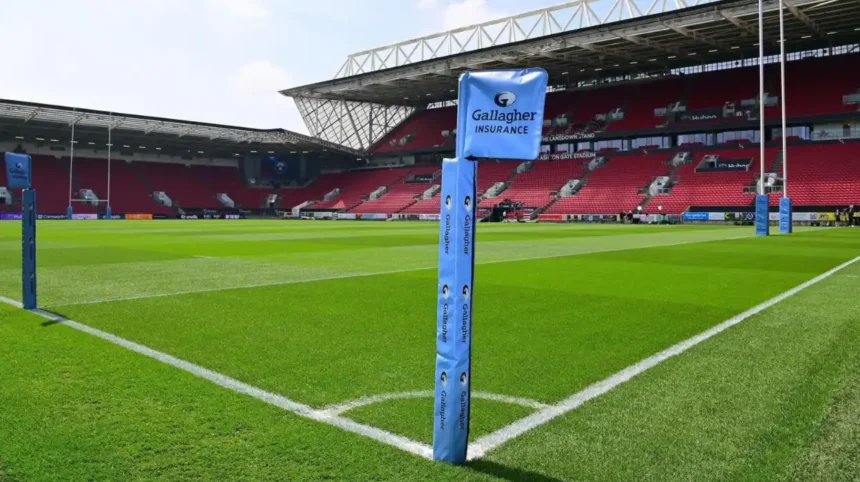
Bristol, England (Bristol Express News) October 1, 2026 – In an innovative shift for professional rugby union, the Bristol Bears have announced they will implement an NFL-style media access protocol for all upcoming home matches at Ashton Gate Stadium. As detailed by Daniel Clark, Content Editor for Bristol Live, the landmark setup introduces a brand-new mixed zone situated directly beside the home changing room, ensuring that accredited journalists and broadcasters can secure immediate reactions from players and coaching staff alike once the final whistle blows.
What is the new Bristol Bears media access model and how does it work?
The newly designed matchday operational structure mimics the fast-paced, high-accessibility post-game protocols standard in American football’s National Football League (NFL). Rather than traditional, restricted media wait times or siloed press conferences, the setup places media representatives right alongside the main artery of player movement from the pitch.
As reported by Daniel Clark of Bristol Live, this physical layout guarantees that
“journalists and broadcasters will get immediate reaction from across the Bears squad with a new mixed zone alongside the home changing room at Ashton Gate”.
By opening up the immediate post-match corridor, the club aims to capture raw, authentic emotions and prompt evaluations directly from the athletes immediately following high-intensity Gallagher Premiership battles.
Why are Premiership Rugby officials supporting this broadcasting shift?
The strategic overhaul has received high-level backing from league administrators looking to modernize rugby union’s media footprint and deepen fan engagement.
As stated by Premiership Rugby’s Chief Growth and Commercial Officer, Rob Calder, and highlighted in reporting by Daniel Clark of Bristol Live:
“Making players and coaches more accessible creates a closer connection between fans and the stars at the heart of the Gallagher PREM”.
League commercial stakeholders believe that shifting towards a more transparent, dynamic interview environment will help humanize rugby stars, generate more compelling broadcast storylines, and elevate the overall media product across digital and traditional platforms.
Explore More Bristol Bears RFC News
Bristol Bears Prepare to Face Northampton Saints in Bristol 2026
Gabriel Oghre Extends Bristol Bears Contract in Bristol 2026
How will the mixed zone change matchday reporting for journalists?
For sports reporters and television crews covering the Gallagher Premiership, the transition to an NFL-style mixed zone drastically alters the post-match timeline. In standard rugby reporting paradigms, media personnel often wait extended periods while players cool down, attend team meetings, or complete medical evaluations before entering structured press conference rooms.
With the new system at Ashton Gate Stadium, the proximity of the mixed zone to the home changing room streamlines the reporting process. Media members can engage multiple squad members concurrently, allowing for a broader spectrum of player perspectives—ranging from star try-scorers to unsung defensive heroes—to be captured and broadcast in real-time. This structural alignment mirrors global sports entertainment standards, ensuring that rugby union remains competitive in capturing media attention alongside other major domestic and international sports codes.
Background
The decision by the Bristol Bears to introduce an NFL-style mixed zone arrives amid a broader, sustained commercial and media evolution within Premiership Rugby. In recent years, domestic rugby clubs and league authorities have actively sought innovative ways to grow their audiences, enhance broadcast values, and increase the visibility of players beyond standard 80-minute match broadcasts.
By looking outside traditional rugby borders—such as adopting operational and media-handling methodologies from major North American sports leagues like the NFL—clubs are attempting to make their athletes more approachable and marketable. The implementation at Ashton Gate Stadium represents a physical manifestation of this modernizing philosophy, transforming standard stadium architecture to accommodate faster, more direct storytelling.
Prediction
This progressive development is expected to significantly impact rugby fans, sports broadcasters, and the players themselves. For the loyal fan base and consumers of rugby media, the increased accessibility will translate into richer, more immediate, and emotionally authentic content across digital platforms, club channels, and news outlets. Supporters will feel a closer affinity to the squad as they hear unfiltered player reactions minutes after the final whistle.
For broadcasters, the guaranteed access to a wide cross-section of the squad will enrich matchday coverage, driving higher engagement and viewership. Meanwhile, players may face heightened media scrutiny due to the immediate nature of post-match interviews, requiring them to adapt to quick-turnaround public communication while managing the emotional highs and lows of competitive club rugby.