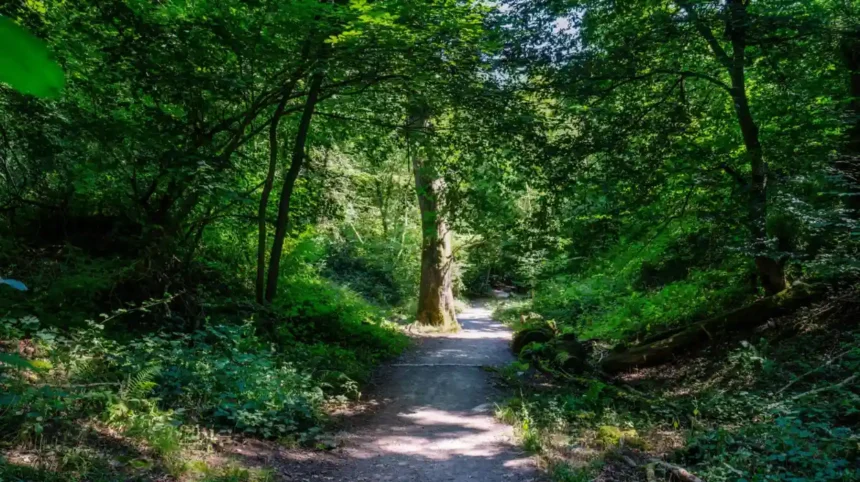
Bristol offers a wide range of dog-walking routes, from woodland paths and open countryside to riverside trails, historic estates and large urban parks. Popular locations include Ashton Court Estate, Blaise Castle Estate, Leigh Woods, the Harbourside and the Bristol and Bath Railway Path. Each location provides different walking conditions, distances and opportunities for dogs to explore.
- What Are the Best Places for Dog Walks in Bristol?
- Ashton Court Estate
- Blaise Castle Estate
- Leigh Woods
- Durdham Downs and Clifton Downs
- Bristol Harbourside
- Which Bristol Dog Walks Are Best for Woodland and Nature?
- Snuff Mills and Oldbury Court Estate
- Eastville Park and the River Frome
- Stoke Park Estate
- Which woodland route should you choose?
- Where Can You Find Easy Dog Walks in Bristol?
- Bristol Harbourside
- Queen Square and Castle Park
- The Downs
- How can owners assess whether a walk is easy?
- Which Bristol Dog Walks Offer Riverside Views?
- Which Dog Walks Near Bristol Are Best for Longer Outings?
- Are Dogs Allowed Off the Lead on Bristol Walking Routes?
- When Is the Best Time to Walk a Dog in Bristol?
- How Can You Choose the Right Dog Walk in Bristol?
- What Should You Bring on a Dog Walk in Bristol?
- How Do Bristol’s Dog Walks Support Local Wellbeing and Nature?
Choosing the best dog walks in Bristol depends on the dog’s age, fitness, recall training and comfort around other people and animals. Short park circuits suit puppies and older dogs, while longer countryside routes provide more exercise for active breeds. Owners also need to consider lead restrictions, livestock, wildlife, accessible paths and seasonal ground conditions.
Bristol’s position between the River Avon, the Avon Gorge and the surrounding countryside creates a varied landscape for walking. The city combines public parks, historic green spaces, nature reserves and long-distance paths. These environments support everyday exercise, outdoor recreation and regular contact with nature.
What Are the Best Places for Dog Walks in Bristol?
The best places for dog walks in Bristol include Ashton Court Estate, Blaise Castle Estate, Leigh Woods, Durdham Downs, Clifton Downs and the Bristol Harbourside. These destinations offer different combinations of woodland, grassland, riverside scenery, accessible paths and longer walking routes.
Ashton Court Estate
Ashton Court Estate is a large historic estate west of Bristol city centre, known for its parkland, woodland, mature trees and open grassland. Its extensive paths accommodate short dog walks and longer countryside outings.
The estate’s open areas provide space for walking, while wooded sections offer shade during warmer weather. Dogs must remain under control around deer, wildlife and other visitors. Owners should check local notices for restrictions and keep dogs on leads wherever signs require them.
Ashton Court is particularly suitable for people seeking a countryside atmosphere without travelling far from central Bristol.
Blaise Castle Estate
Blaise Castle Estate, in north-west Bristol, combines historic parkland, woodland, landscaped grounds and paths around the Blaise Castle Museum area. The estate provides opportunities for walks that vary in length and terrain.
Woodland routes include slopes and uneven surfaces. Owners should choose paths that match their dog’s fitness and avoid allowing dogs to disturb wildlife. The estate’s historic features also make it a useful destination for combining exercise with local heritage.
Leigh Woods
Leigh Woods is a woodland area on the western side of the Avon Gorge, near the Clifton Suspension Bridge. It contains established walking paths beneath mature trees and provides access to a distinctive natural landscape close to Bristol.
The woodland is suitable for dogs that enjoy shaded trails, but steep sections, exposed roots and muddy ground require care. Leigh Woods is also a sensitive habitat, so owners should follow signs and keep dogs under control around wildlife.
Durdham Downs and Clifton Downs
Durdham Downs and Clifton Down form a broad area of open green space in north-west Bristol. Their grassland, established paths and open views make them convenient for everyday dog walking.
The Downs are useful for shorter exercise sessions, particularly for residents of Clifton, Redland and nearby neighbourhoods. Dogs need reliable recall before being allowed off the lead in permitted areas. Owners should also account for cyclists, runners, families and organised events.
Bristol Harbourside
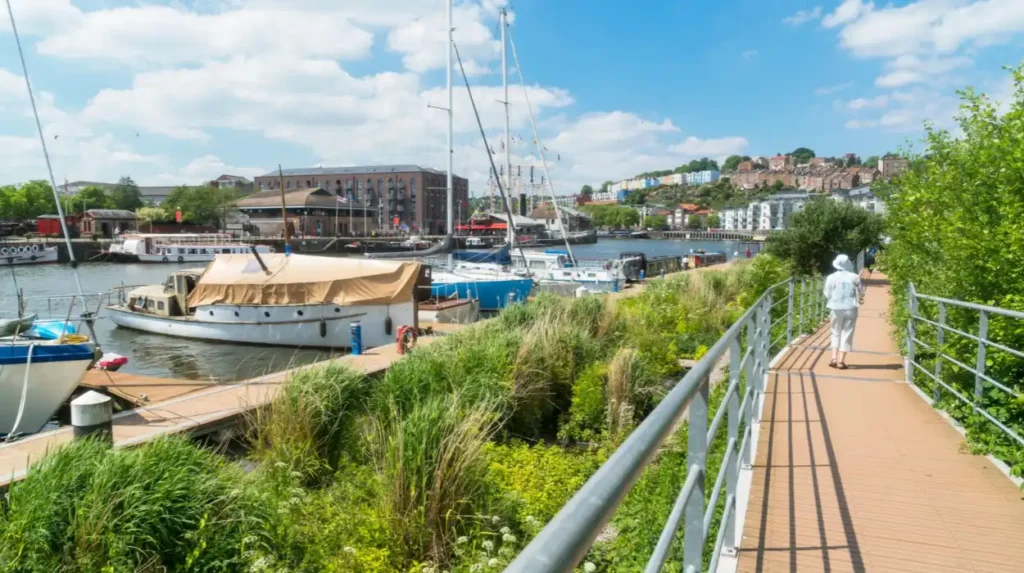
The Bristol Harbourside provides a mainly urban walking experience beside the historic floating harbour. Routes pass waterside buildings, public spaces, cafés and pedestrian promenades.
This area suits dogs accustomed to busy environments, traffic noise and crowds. The hard surfaces make it different from a park or woodland trail. Owners should use secure leads near the water and remain alert around cyclists, narrow pavements and busy crossings.
Each destination serves a different purpose. Ashton Court and Blaise Castle suit longer green-space visits, Leigh Woods provides woodland walking, the Downs offer open grassland, and the Harbourside supports shorter urban outings.
Which Bristol Dog Walks Are Best for Woodland and Nature?
Leigh Woods, Snuff Mills, Oldbury Court Estate and Blaise Castle Estate are strong choices for woodland dog walks in Bristol. Their tree-lined paths, streams and varied terrain provide opportunities for exercise and exploration, although owners need to manage dogs carefully around wildlife, cyclists and other visitors.
Snuff Mills and Oldbury Court Estate
Snuff Mills and Oldbury Court Estate form a connected green-space destination in north-east Bristol. The River Frome runs through the area, creating a landscape of woodland, riverside paths and open parkland.
Snuff Mills takes its name from the former industrial site associated with water-powered milling. The surviving historic features help explain the area’s relationship with the river and Bristol’s industrial past.
Walking routes range from relatively level paths to sections with slopes and uneven ground. Some paths suit pushchairs and people seeking a gentler walk, while narrower riverside sections require more attention.
Dogs should remain close to their owners around the water, wildlife and other path users. The River Frome also connects to longer walking routes, allowing visitors to extend their outing according to their dog’s fitness.
Eastville Park and the River Frome
Eastville Park is a public park in north-east Bristol with open grassland, a lake, mature trees and recreational facilities. It provides a convenient setting for everyday dog exercise.
The park connects with riverside walking opportunities along the Frome Valley Walkway. This route links green spaces and neighbourhoods, allowing walkers to build a longer journey around a shorter park visit.
Dogs need close supervision near the lake and river. Owners should avoid encouraging dogs to chase ducks, swans or other wildlife. Wet ground and muddy sections also require suitable footwear and attention to paw cleanliness.
Stoke Park Estate
Stoke Park Estate is a historic landscape in north-east Bristol, recognised for its open slopes, tree-lined areas and prominent yellow Dower House. The estate provides a different walking environment from enclosed woodland.
Its open landscape allows dogs to experience longer stretches of grassland, while the slopes provide a more demanding walk than flat urban parks. Visitors should follow public paths and observe any notices covering livestock, conservation areas or temporary restrictions.
Which woodland route should you choose?
The best option depends on the type of walk required. Snuff Mills and Oldbury Court suit visitors who want riverside scenery and connected paths. Leigh Woods provides a more wooded setting, while Blaise Castle combines woodland with historic parkland. Stoke Park is useful for open views and sloping terrain.
Forestry England’s dog-walking guidance recommends keeping dogs within sight, preventing them from chasing wildlife and clearing up dog waste. These practices help protect woodland habitats and maintain access for other visitors.
Where Can You Find Easy Dog Walks in Bristol?
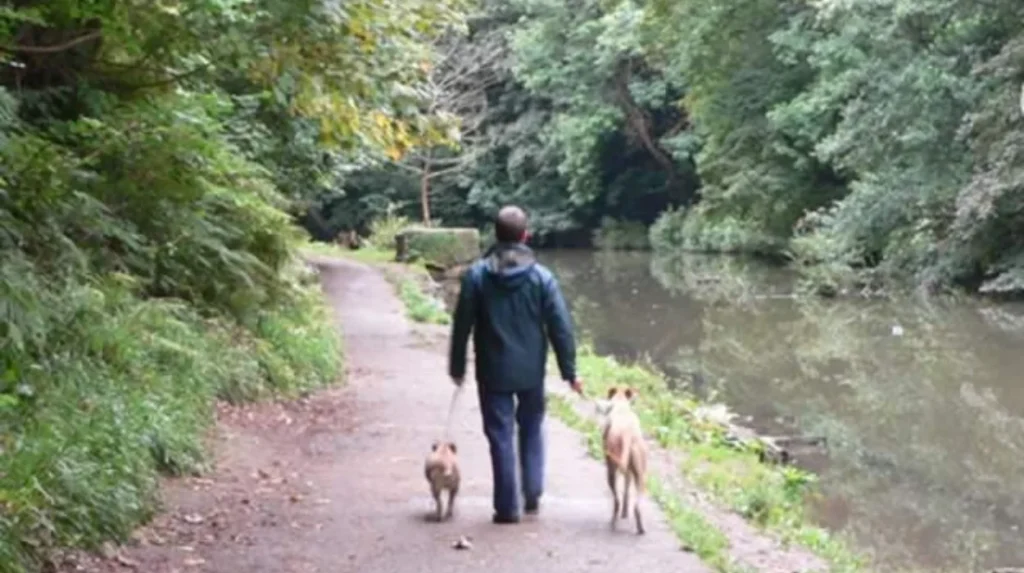
Easy dog walks in Bristol include the flatter paths at the Harbourside, selected routes around Eastville Park, accessible sections of Oldbury Court and suitable paths across the Downs. Route difficulty depends on distance, surface, gradients and the individual dog’s mobility and stamina.
Bristol Harbourside
The Harbourside is suitable for short, straightforward walks with dogs comfortable around people and urban activity. The route passes historic waterfront buildings, public spaces and views across Bristol’s floating harbour.
The floating harbour is a historic waterway created to maintain a navigable water level within the city. Today, it forms part of Bristol’s visitor and leisure landscape.
Most promenades are firmer underfoot than woodland trails. However, the route includes busy sections, junctions and places close to the water. Keep dogs on a secure lead and leave enough space for pedestrians and cyclists.
Visit Bristol identifies the Harbourside as a useful place for traffic-free strolling and city-centre walking.
Queen Square and Castle Park
Queen Square and Castle Park offer central Bristol options for people who want a short walk without travelling to the city’s outskirts.
Queen Square is a historic Georgian square with landscaped lawns and paths. Castle Park provides riverside views, open spaces and access to Bristol’s historic centre.
These locations suit brief exercise breaks and walks combined with errands or city sightseeing. Their central positions also mean that dogs encounter busy pavements, visitors and urban noise.
Owners should check park signs, keep dogs under control and prevent access to prohibited areas. Enclosed children’s play areas are excluded under Bristol’s dog-control rules.
The Downs
The Downs provide wide areas of open grassland and established paths near Clifton and Redland. Their spacious layout gives dogs room to walk without the confined feel of narrow city pavements.
Some paths are suitable for slower walks, but the overall terrain and distance depend on the chosen circuit. The open landscape also means less shelter during strong winds or heavy rain.
The Downs are used by runners, cyclists, families and organised groups. Dogs that become anxious in busy spaces benefit from quieter visiting times and a shorter route away from crowds.
How can owners assess whether a walk is easy?
An easy dog walk is not defined by distance alone. A flat 3-kilometre walk on a firm path can be less demanding than a shorter route with steep gradients, exposed roots and deep mud.
Consider the dog’s age, body condition, health, walking experience and tolerance for busy surroundings. Puppies, older dogs and dogs recovering from injury need routes suited to their individual needs.
Start with a short circuit, monitor breathing and pace, and turn back if the dog becomes unusually tired. Provide drinking water and avoid prolonged exercise during hot weather.
Which Bristol Dog Walks Offer Riverside Views?
Riverside dog walks in Bristol include the Harbourside, Snuff Mills, Eastville Park, Conham River Park and sections of the Avon riverside paths. These routes combine waterside scenery with urban heritage, woodland or parkland, but require careful supervision near water.
Conham River Park
Conham River Park lies beside the River Avon in east Bristol. Its wooded slopes, waterside paths and picnic areas create a quieter setting for walking away from the city centre.
The park forms part of a wider riverside landscape connected with the Avon Trail. Depending on the selected route, visitors can combine a short local walk with a longer journey towards nearby riverside destinations.
Some paths have slopes and uneven surfaces, so visitors should select a route appropriate for their dog and their own mobility. Riverbanks can be slippery, particularly after rain.
Keep dogs close to the water’s edge. Do not assume that a river is safe for swimming, even when the surface looks calm. Currents, submerged obstacles and changing water levels present hazards.
The River Frome through Snuff Mills
The River Frome creates a distinctive setting for walking through Snuff Mills and the surrounding green spaces. The sound of moving water, mature trees and historic structures make the route different from an open urban park.
Some sections are narrow, and visitors encounter bridges, other dogs and people walking in both directions. Keep dogs close enough to pass others without blocking the path.
Avoid allowing dogs to chase birds or enter sensitive riverbank vegetation. After heavy rain, check ground conditions and avoid slippery banks.
Bristol Harbourside and the floating harbour
The Harbourside is a practical choice for a waterside walk that stays close to central facilities. Its pedestrian promenades connect several public spaces and offer views of boats, historic warehouses and modern waterfront buildings.
The route is generally more urban than Conham River Park or Snuff Mills. It works well for dogs accustomed to traffic noise, crowds and hard surfaces.
Keep leads secure near harbour edges, and never allow a dog to jump into the water to retrieve a toy. Check the route for busy crossings and narrow sections before starting.
Which Dog Walks Near Bristol Are Best for Longer Outings?
Longer dog walks near Bristol include routes through Ashton Court Estate, Leigh Woods, the Bristol Ring and sections of the Avon Trail. These destinations offer opportunities to extend exercise into countryside and woodland, with distance and difficulty determined by the chosen paths.
The Bristol Ring
The Bristol Ring is a circular walking route of approximately 33 miles, divided into six sections. It links urban neighbourhoods, parks, woodland and green spaces, including Ashton Court Estate, Stoke Park and areas around Snuff Mills.
The full route is a substantial undertaking and is not necessary for an ordinary dog walk. Owners can instead select one section and plan a shorter outing with suitable transport at the start or finish.
Before walking a section, check its distance, surface, elevation and access points. Some stretches pass through urban areas or shared paths, while others include more demanding countryside terrain.
A circular section simplifies transport arrangements, but not every segment starts and finishes at the same point. Plan the route in advance and carry water, waste bags and a charged phone.
The Avon Trail
The Avon Trail follows the River Avon through parts of Somerset and into the wider Bristol region. Its long-distance character makes it suitable for walkers who want to explore beyond a single park.
Conham River Park provides one local connection to the wider riverside walking landscape. The precise distance and conditions depend on the chosen section.
Long-distance routes require more planning than a short park circuit. Check current path access, river crossings, weather forecasts and transport connections before setting out. Keep dogs on leads near livestock and follow local signs.
Extending a walk through Ashton Court
Ashton Court Estate covers approximately 850 acres of woodland and grassland, making it one of Bristol’s major destinations for extended outdoor exercise. The estate contains different landscapes, so owners can select a shorter circuit or combine paths for a longer walk.
The estate also has deer enclosures and ponds. Bristol City Council advises visitors to keep dogs on short leads in deer enclosures and near ponds, stay on paths and avoid disturbing wildlife.
Dogs chasing deer or other wildlife create safety and legal concerns. Do not enter fenced conservation areas or allow dogs to disturb ground-nesting birds. Check estate notices before choosing a route.
Are Dogs Allowed Off the Lead on Bristol Walking Routes?
Dogs are allowed off the lead in some Bristol parks and open spaces when local rules permit and owners maintain effective control. Lead requirements apply in particular locations, including deer enclosures and sensitive conservation areas, so always follow signs and current council guidance.
Off-lead walking gives dogs opportunities to explore at their own pace, but it requires reliable recall and awareness of other park users. A dog that ignores commands around deer, livestock, cyclists or other dogs needs to remain on a lead.
Bristol’s dog-control rules also restrict dogs from enclosed children’s play areas. Other site-specific notices and temporary conservation restrictions apply in certain locations. Owners should never assume that every part of a large estate has the same rules.
How should owners manage dogs around wildlife?
Wildlife management is particularly important at Ashton Court, Leigh Woods and other green spaces with woodland, ponds or open grassland.
Keep dogs close in habitats where birds nest on the ground. Prevent chasing, digging and disturbance around deer or other animals. At Leigh Woods, Forestry England specifically advises keeping dogs in sight and on the main paths to protect sensitive wildlife.
What are the rules for dog waste?
Owners should pick up dog waste immediately and place sealed bags in an appropriate bin or take them home. If a bin is full, carry the waste until a suitable disposal point is available.
Dog waste creates hygiene problems and can damage the quality of public green spaces. Responsible disposal helps keep routes usable for children, other dog owners and wildlife.
When Is the Best Time to Walk a Dog in Bristol?
The best time for dog walks in Bristol depends on weather, daylight, crowd levels and the dog’s needs. Early mornings generally provide quieter conditions, while cooler parts of the day are preferable in summer. Always check seasonal restrictions and ground conditions.
Spring and autumn offer comfortable conditions for many longer walks, although woodland paths become muddy after rainfall. Summer visits work best during cooler hours, especially for dogs with thick coats or limited tolerance for heat.
Winter walking remains practical on maintained paths, but reduced daylight, wet surfaces and slippery leaves require extra care. Reflective equipment helps improve visibility during early-morning and evening walks.
At Ashton Court, opening and closing times change throughout the year. Bristol City Council publishes seasonal hours and information about temporary conservation zones, so check the official estate page before travelling.
How Can You Choose the Right Dog Walk in Bristol?
Choose a Bristol dog walk according to your dog’s fitness, walking experience, recall, preferred environment and the route’s accessibility. Short park circuits suit everyday exercise, woodland paths offer varied terrain, and longer countryside trails require additional preparation and supplies.
A useful starting point is to match the route to a clear purpose. For a short toilet break and gentle walk, choose a nearby park. For woodland exploration, consider Blaise Castle or Leigh Woods. For an extended countryside outing, plan a suitable section of Ashton Court or the Bristol Ring.
Check whether the route includes steep slopes, steps, narrow bridges, shared cycle paths or exposed riverbanks. These features affect both safety and comfort.
Dogs with mobility limitations benefit from shorter routes with stable surfaces and convenient turning points. Active dogs often enjoy longer walks, but duration should increase gradually rather than jumping immediately to a demanding route.
Before setting off, check current access arrangements, car parking, public transport options and any site-specific dog restrictions. A route that works well on a quiet weekday can feel very different during a major event or a busy weekend.
Explore More Area Guide
Dog-Friendly Bristol: Parks, Walks, Pubs and Places to Visit
Things to Do With Babies in Bristol: Family Guide
What Should You Bring on a Dog Walk in Bristol?
Essential equipment for a Bristol dog walk includes a secure lead, waste bags, drinking water and a suitable collar or harness. Longer routes also require a charged phone, appropriate footwear, weather protection and enough water for both dog and owner.
The equipment needed depends on the length and environment of the walk. An urban circuit near the Harbourside requires different preparation from a woodland route at Leigh Woods or a countryside walk across Ashton Court.
Carry a lead even when off-lead walking is permitted. Site rules, livestock, wildlife or crowded paths can require immediate restraint.
Bring drinking water rather than relying on rivers, ponds or harbour water. Natural water sources can contain contaminants, and stagnant water presents additional hazards. Bristol City Council warns visitors about potential blue-green algae risks around Ashton Court’s heritage ponds.
After muddy walks, check your dog’s paws for grit, thorns and debris. A towel and a small supply of fresh water make cleaning easier before travelling home.
How Do Bristol’s Dog Walks Support Local Wellbeing and Nature?
Bristol’s parks, woodland and riverside paths provide places for regular physical activity, outdoor recreation and contact with nature. Responsible dog walking supports shared access to these spaces while reducing disturbance to wildlife and maintaining cleaner public environments.
Regular walking gives dogs opportunities to exercise, investigate their surroundings and experience different environments. Owners also gain access to outdoor activity close to home, without needing to travel into the countryside for every walk.
Bristol’s green spaces serve additional functions, including habitat protection, recreation and the preservation of historic landscapes. Ashton Court’s grassland and woodland, Leigh Woods’ forest habitats and the River Frome corridor each have distinct environmental characteristics.
Responsible behaviour helps protect these shared resources. Staying on designated paths, respecting seasonal notices, controlling dogs near wildlife and disposing of waste correctly reduce avoidable disturbance.
As Bristol’s green spaces continue to serve residents and visitors, well-managed dog walking remains an important part of their everyday recreational use. Choosing suitable routes and following local guidance helps preserve access for people, dogs and wildlife.
What are the best dog walks in Bristol?
Some of the best dog walks in Bristol include Ashton Court Estate, Blaise Castle Estate, Leigh Woods, Snuff Mills, Clifton Downs and Oldbury Court Estate. These locations offer woodland paths, open parkland, riverside scenery and countryside trails.