Bristol has a diverse live jazz scene supported by historic pubs, independent music clubs, dedicated jazz promoters and established concert halls. The city offers traditional New Orleans jazz, contemporary jazz, bebop, swing, blues-influenced performances and experimental improvisation.
- What Makes Bristol an Important City for Live Jazz?
- Which Bristol Venues Are Best for Traditional Live Jazz?
- Where Can You Hear Contemporary Jazz in Bristol?
- Which Bristol Concert Halls Regularly Host Jazz Performances?
- Where Can You Find Free Jazz Performances in Bristol?
- Which Bristol Jazz Venues Support Local Musicians and Jam Sessions?
- Which Bristol Jazz Venues Are Best for Different Musical Styles?
- Traditional New Orleans Jazz
- Bebop and Modern Jazz
- Contemporary and Experimental Jazz
- Jazz, Blues and Funk
- How Can Visitors Plan a Jazz Night Out in Bristol?
- Where Should Visitors Start?
- How Much Do Bristol Jazz Events Cost?
- Should Visitors Book Jazz Tickets in Advance?
- How Can Visitors Travel Between Jazz Venues?
- What Is the Future of Bristol’s Jazz Scene?
The best jazz venues in Bristol include The Old Duke on King Street, The Be-Bop Club at the Hen & Chicken in Southville, Bristol Music Club in Clifton and St George’s Bristol near Brandon Hill. Each venue offers a different experience, from informal pub performances to organised concerts featuring established British and international musicians.
Bristol’s jazz culture also extends into neighbourhood bars, community venues and independent music spaces. Regular sessions provide opportunities for audiences to discover local performers, while dedicated jazz clubs support emerging musicians and touring artists.
Understanding where to find live jazz helps visitors and residents plan evenings around different musical styles, performance settings and budgets.
What Makes Bristol an Important City for Live Jazz?
Bristol has an established jazz tradition supported by independent musicians, historic performance spaces and community-led music organisations. Its scene combines traditional jazz with contemporary improvisation, creating opportunities for local performers, touring musicians and audiences throughout the city.
Bristol’s musical identity extends beyond electronic music, trip-hop and independent rock. Jazz has maintained a significant place in its cultural development through pubs, small clubs, festivals and concert halls.
The city’s jazz community includes instrumentalists, vocalists, composers, promoters and music enthusiasts. Saxophone, trumpet, piano, double bass and drums feature prominently in performances. Smaller ensembles frequently perform in intimate rooms, while larger productions appear in established concert venues.
Bristol’s independent music culture also supports collaboration between different musical traditions. Jazz performances frequently incorporate blues, funk, soul, Latin music and experimental sounds.
How Did Bristol’s Jazz Scene Develop?
Bristol’s jazz history developed through dance bands, working musicians and informal pub performances during the twentieth century.
According to Bristol Museums’ historical research, dance venues provided employment for musicians during the 1920s, 1930s and post-war decades. Musicians performed in establishments including the Glen, the Grand, the Hawthorns and the Spa.
These dance bands helped establish the foundations of the city’s jazz community. Musicians developed instrumental skills through professional engagements, military bands and regular performances.
The modern jazz scene subsequently developed through smaller pubs and clubs. The White Horse in Ashley Road is identified in Bristol’s oral histories as an early pub to organise jazz nights.
Other historic performance locations included venues in Stokes Croft, Lawrence Hill and Totterdown.
Bristol Museums has also documented oral history interviews and live recordings collected by musician and academic John Berry. His research includes 27 interviews and 92 live performances, preserving valuable evidence of the city’s jazz development. The collection is held at Bristol Archives. Bristol Museums+1
Why Does Bristol Have Different Types of Jazz Venues?
Bristol’s jazz venues operate through different performance formats, including dedicated jazz clubs, traditional pubs, concert halls and community music spaces.
Dedicated clubs concentrate on scheduled jazz programmes and ticketed performances. Traditional pubs provide informal live music sessions, often with free admission. Concert halls accommodate larger touring productions, while community venues support local musicians and experimental projects.
This variety makes the city’s jazz scene accessible to different audiences. Visitors looking for traditional jazz can explore established pubs, while listeners interested in contemporary compositions can attend specialist club nights.
The distinction between a dedicated jazz club and a general live music venue is important. Not every Bristol music venue regularly hosts jazz, so checking individual event listings is essential.
Which Bristol Venues Are Best for Traditional Live Jazz?
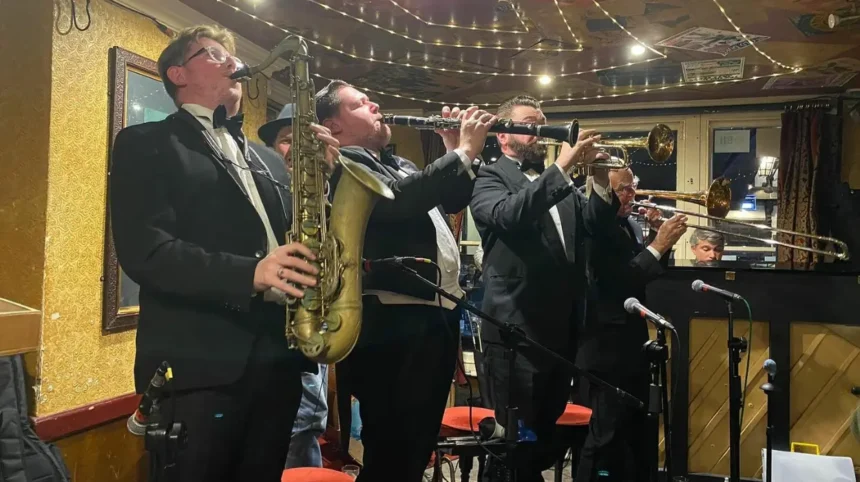
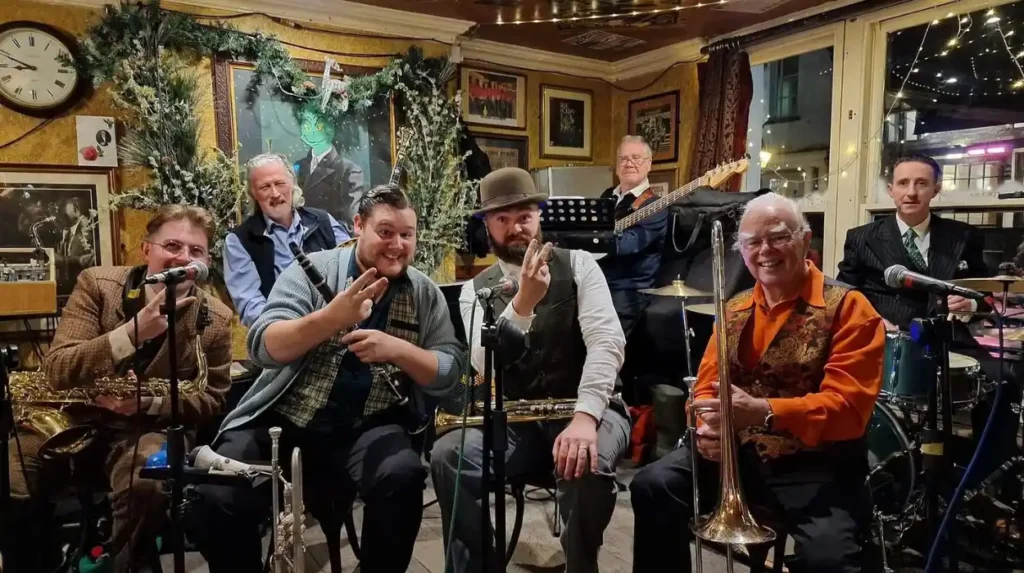
The Old Duke is Bristol’s best-known traditional jazz pub, with a long association with New Orleans-inspired music. Other traditional and jazz-friendly locations include community-led pub sessions and specialist nights featuring swing, blues and acoustic improvisation.
Traditional jazz remains an important part of Bristol’s musical identity. Its performances typically feature acoustic instruments, improvisation, rhythmic interaction and influences from early American jazz.
The following venues and sessions provide opportunities to experience traditional jazz in Bristol.
The Old Duke
The Old Duke is a historic pub on King Street in Bristol’s Old City. Its name references the celebrated American jazz musician Duke Ellington.
The building dates back to approximately 1775 and has a long association with live music. The Bristol Jazz Society identifies the pub as an important location in the city’s jazz history.
Its musical identity centres on traditional and New Orleans-inspired jazz. Visitors also encounter blues performances and other roots-based music.
The pub has historically hosted established local groups, including the Blue Notes and Severn Jazzmen, alongside touring musicians.
Live music has traditionally been available throughout the week, making the venue an important destination for people seeking informal jazz performances. The pub also has a longstanding association with an annual jazz festival in August.
The Old Duke suits visitors who want an informal atmosphere rather than a formal concert experience. Its King Street location also makes it convenient for combining live music with an evening exploring Bristol’s historic centre.
The Stag and Hounds
The Stag and Hounds is situated in Old Market, between Bristol city centre and the Temple Meads area.
The pub has a history of hosting live entertainment, including jazz sessions. Its Sunday music programme has featured performances by local musicians, with opportunities for additional players to join jam sessions.
A jazz jam session is an informal performance where musicians share the stage, perform familiar compositions and improvise together.
This format makes the Stag and Hounds relevant to both audiences and musicians. Visitors can experience live jazz in a relaxed pub environment, while performers gain opportunities to collaborate.
Check the pub’s current entertainment listings before travelling because individual sessions and participating musicians change.
Where Can You Hear Contemporary Jazz in Bristol?
Bristol Music Club and The Be-Bop Club are important destinations for contemporary jazz. Their programmes feature local musicians, touring performers, original compositions and established jazz standards in smaller performance spaces designed for focused listening.
Contemporary jazz incorporates traditional jazz foundations with newer compositional approaches, changing rhythms and experimental arrangements.
Bristol’s specialist jazz clubs provide opportunities to experience these developments through regular performances.
The Be-Bop Club at the Hen & Chicken
The Be-Bop Club is one of Bristol’s longest-running modern jazz clubs. It operates from the Hen & Chicken pub in Southville and has an established programme of contemporary jazz concerts.
The club presents performances by Bristol-based musicians, national touring groups and guest soloists.
Its programme has featured musicians including saxophonists Dave O’Higgins, Ed Jones and Simon Spillett, trumpeter Quentin Collins and guitarist Nigel Price.
The club follows a mini-concert format. This creates a focused listening environment with limited audience conversation during performances.
Local musician Andy Hague has played an important role in the club’s development and programming.
The Be-Bop Club is particularly relevant to visitors interested in modern jazz rather than exclusively traditional New Orleans performances. Its regular Thursday schedule also makes it easier to plan a visit around a dedicated jazz event.
Tickets, performance times and upcoming musicians are published through the club’s official listings and the Hen & Chicken website.
Bristol Music Club
Bristol Music Club is an established music organisation located in Clifton. Its building has provided a home for musical activities for more than a century.
The venue hosts Jazz at Bristol Music Club, a weekly contemporary jazz programme featuring local, national and international musicians.
Performances traditionally take place on Wednesday evenings. Doors open at 7 pm, with concerts starting at 7.30 pm according to the published programme.
The auditorium offers comfortable seating, a large performance stage and two grand pianos: a Steinway and a Bösendorfer.
These facilities make Bristol Music Club suitable for piano-led jazz, instrumental ensembles and performances requiring a dedicated acoustic environment.
The club has presented musicians including Paul Dunmall, Huw Warren, Art Themen and Dave Newton.
Its programme provides an opportunity to hear established performers alongside emerging talent in a relatively intimate setting.
The club’s official website publishes upcoming performances, artist information and ticket details.
The Bristol Fringe
The Bristol Fringe provides an informal setting for live music in Clifton. Its programme has included jazz performances, acoustic music and specialist club nights.
One notable event is Fringe in the Round, a musician-led jazz club format. Performers play in a circular seating arrangement that brings audiences close to the musicians.
The format encourages acoustic performances and close interaction between players. It also creates opportunities for touring musicians and Bristol-based performers to present original material.
The Bristol Fringe is particularly suitable for listeners who prefer smaller performances instead of large concert productions.
The venue also hosts other live music events, so visitors should check the listings to identify performances specifically featuring jazz.
Which Bristol Concert Halls Regularly Host Jazz Performances?
Bristol’s larger concert venues provide opportunities to experience jazz performed by established touring musicians and specialist ensembles. St George’s Bristol and Bristol Beacon are important locations for selected jazz concerts, contemporary instrumental performances and larger musical productions.
Concert halls differ from pubs and independent jazz clubs because they offer dedicated performance facilities, professional sound equipment and organised ticketing.
These spaces attract audiences interested in particular performers, touring productions and carefully programmed concerts.
St George’s Bristol
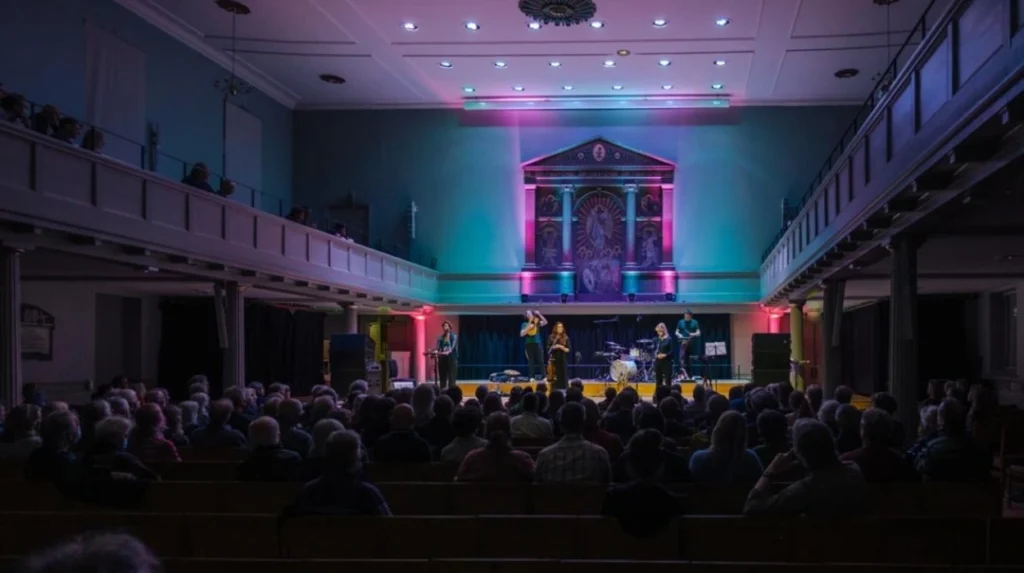
St George’s Bristol is a concert venue located near Brandon Hill in the city centre. The building occupies a restored nineteenth-century church and is recognised for its architectural character and acoustic qualities.
The venue presents several musical genres, including classical music, folk and jazz. Its programming attracts professional instrumentalists, touring ensembles and audiences interested in live acoustic performances.
Jazz musicians who have appeared at St George’s include internationally recognised performers such as Brad Mehldau and Bill Frisell, according to Bristol Jazz Live.
The venue also offers smaller performances in its Glass Room. Selected lunchtime jazz concerts provide another way to experience live music without attending a full evening production.
St George’s is particularly suitable for audiences seeking a seated concert experience. Its central location also makes it accessible from Park Street, Clifton and Bristol’s historic centre.
Visitors should consult the official programme to identify concerts specifically categorised as jazz.
Bristol Beacon
Bristol Beacon is one of the city’s principal concert venues. Formerly known as Colston Hall, it has undergone a major redevelopment and now operates under its current name.
The venue hosts concerts, festivals, orchestral performances and contemporary music events.
For jazz audiences, the Lantern is an important performance space. This smaller auditorium has a capacity of approximately 300 people and provides a more intimate environment than the main concert hall.
Independent jazz promoter Ian Storror has organised concerts there featuring established British and international performers.
Bristol Beacon also presents its own programme of contemporary music and cross-genre performances. These events sometimes incorporate jazz, soul, blues and experimental instrumental music.
The venue is useful for visitors looking for touring artists and larger productions. Its city-centre location provides convenient access to public transport, restaurants and other entertainment destinations.
Check the official Bristol Beacon calendar for jazz-specific performances, seating arrangements and ticket information.
Where Can You Find Free Jazz Performances in Bristol?
Free jazz performances in Bristol are particularly associated with traditional pubs and independent music bars. The Old Duke, The Canteen and The Gallimaufry have hosted accessible live music programmes, although individual events and admission arrangements vary.
Free-entry music contributes to Bristol’s independent jazz culture. It allows audiences to discover musicians without purchasing tickets for formal concerts.
However, free admission does not guarantee that every performance features jazz. Some venues present different genres on different evenings.
The Canteen
The Canteen is an independent restaurant, bar and community music venue in Stokes Croft.
Its music programme includes performances across several genres. Jazz and jazz-influenced music form part of its wider live entertainment offering.
The venue has hosted musicians associated with Bristol’s contemporary jazz community, including performers exploring funk, experimental music and improvisation.
Its informal setting makes it suitable for people who want to combine food, drinks and live music.
The Canteen is not exclusively a jazz club. Visitors should check the weekly programme before choosing an evening specifically for jazz.
The Gallimaufry
The Gallimaufry is an independent bar and music venue associated with Bristol’s alternative music culture.
Its entertainment programme has included jazz, funk, soul and experimental performances. The venue has also hosted residencies involving local musicians, including the Bristol-based group Snazzback.
The Gallimaufry provides an informal environment for discovering musicians working across different musical styles.
Its location on Gloucester Road makes it convenient for visitors exploring the area’s independent restaurants, shops and bars.
The venue’s programme changes regularly, so checking individual event descriptions is important when searching specifically for live jazz.
The Old Fish Market
The Old Fish Market is another location associated with Bristol’s pub-based jazz scene.
Its Sunday evening sessions have featured contemporary jazz performed by Bristol-based musicians. These events provide opportunities to hear smaller ensembles in a traditional pub environment.
The venue’s position near St Nicholas Market makes it convenient for people exploring Bristol’s Old City.
Visitors should confirm the current Sunday programme before attending because individual sessions depend on the organisers and musicians involved.Bristol Jazz Live
Which Bristol Jazz Venues Support Local Musicians and Jam Sessions?
Bristol’s independent jazz venues support musicians through regular residencies, open jam sessions and collaborative performances. The Canteen, The Stag and Hounds and East Bristol Jazz Club are examples of spaces connected with the city’s participatory music culture.
Jazz jam sessions are an important part of the local music community. They allow musicians to perform together without requiring a conventional concert booking.
A typical session begins with a small group of established performers. Other musicians join later, often taking turns playing familiar jazz standards and improvising solos.
These performances help musicians develop practical skills, establish professional relationships and experiment with different musical approaches.
East Bristol Jazz Club
East Bristol Jazz Club is associated with The Old Stillage in Redfield.
Its programme has included jazz performances and musician-led sessions. The club contributes to the cultural life of East Bristol by creating opportunities for local performers and audiences outside the traditional city-centre circuit.
Community-based jazz clubs are important because they provide accessible performance spaces for musicians who do not always appear in major concert halls.
Visitors should check the current club listings for session dates and participation arrangements.
What Happens During a Jazz Jam Session?
A jazz jam session involves musicians performing together through shared compositions and improvisation.
Participants commonly use familiar jazz standards as a starting point. A rhythm section establishes the musical foundation, while soloists improvise around the melody and harmonic structure.
The format usually involves several instrumental roles:
- Saxophone and trumpet: Provide melodies, improvisations and instrumental solos.
- Piano and guitar: Supply chords, harmonies and melodic accompaniment.
- Double bass: Establishes the harmonic and rhythmic foundation.
- Drums: Maintain the pulse and support changes in musical dynamics.
- Vocals: Introduce jazz standards and improvisational interpretations of familiar songs.
For audiences, jam sessions provide an opportunity to hear different musicians performing together. For performers, they offer practical experience in improvisation, musical communication and ensemble playing.
Which Bristol Jazz Venues Are Best for Different Musical Styles?
Bristol offers different performance environments for traditional jazz, bebop, contemporary jazz and experimental music. Choosing a venue according to its musical programme helps visitors find suitable performances, whether they prefer acoustic concerts, informal pub sessions or specialist jazz ensembles.
The city’s jazz scene is not restricted to one musical tradition. Different venues attract performers working across established jazz styles and modern influences.
Traditional New Orleans Jazz
The Old Duke is a strong starting point for traditional jazz.
New Orleans jazz developed in the early twentieth century and is associated with collective improvisation, syncopated rhythms and ensemble playing.
Performances often feature trumpet, clarinet, trombone, piano, bass and drums.
The Old Duke’s musical history and association with traditional jazz make it a particularly relevant destination for this style.
Bebop and Modern Jazz
The Be-Bop Club is a suitable destination for listeners interested in modern jazz.
Bebop developed during the 1940s and introduced faster tempos, complex harmonies and extended instrumental improvisations.
Modern jazz performances at the club include original compositions, reinterpretations of standards and contemporary arrangements.
Contemporary and Experimental Jazz
Bristol Music Club and Bristol Beacon present opportunities to experience contemporary jazz.
Contemporary performances frequently incorporate unusual time signatures, extended improvisation and influences from other musical genres.
These events attract listeners interested in new compositions and different approaches to instrumental performance.
Jazz, Blues and Funk
The Old Duke and independent music venues provide opportunities to experience jazz alongside blues, funk and soul.
These genres share musical influences, including improvisation, syncopation and expressive instrumental arrangements.
Visitors interested in a broader musical programme should also explore The Canteen and The Gallimaufry.
Explore More Area Guide
Best Concert Venues in Bristol for Live Music and Events
Best Live Music Venues in Bristol: Top Concert and Gig Spots
How Can Visitors Plan a Jazz Night Out in Bristol?
Planning a jazz night in Bristol involves checking performance schedules, confirming ticket arrangements and selecting a venue according to location and musical style. Visitors should also consider transport, seating availability and the difference between free pub sessions and ticketed concerts.
Bristol’s jazz events take place across several neighbourhoods, including the Old City, Clifton, Southville, Stokes Croft and Old Market.
Planning around these locations helps visitors avoid unnecessary journeys and identify nearby places to eat or explore.
Where Should Visitors Start?
The Old Duke is a convenient starting point for people exploring traditional jazz in central Bristol.
Visitors interested in contemporary jazz can consider Bristol Music Club or the Be-Bop Club.
St George’s Bristol and Bristol Beacon are more suitable for audiences seeking organised concerts and touring performers.
People exploring independent music culture can add The Canteen and The Gallimaufry to their evening plans.
How Much Do Bristol Jazz Events Cost?
The cost of attending jazz events depends on the venue, performer and event format.
Traditional pub sessions frequently offer free admission. Specialist jazz clubs generally operate through ticketed performances, while concert halls use event-specific pricing.
Visitors should also consider additional spending on refreshments, food and transport.
There is no single standard ticket price across Bristol’s jazz scene. The most reliable information comes from the individual venue’s current booking page.
Should Visitors Book Jazz Tickets in Advance?
Booking in advance is recommended for popular concerts and specialist jazz club performances.
Smaller venues have limited seating, and popular touring musicians attract audiences from outside Bristol.
Free pub performances also become busy, particularly during weekends and special events.
Visitors should check whether a performance is seated or standing before travelling. This information is especially useful for people who prefer a quieter concert environment.
How Can Visitors Travel Between Jazz Venues?
Bristol’s central jazz venues are accessible through the city’s bus network and local walking routes.
The Old Duke is on King Street, close to Queen Square and Bristol Harbour.
Bristol Beacon is situated on Trenchard Street, within walking distance of Broadmead and the central shopping district.
St George’s Bristol is near Park Street and Brandon Hill.
The Be-Bop Club is further south in Southville, while Bristol Music Club is located in Clifton.
Visitors travelling between neighbourhoods should check local bus services and walking distances before arranging an evening itinerary.
The Bristol Clean Air Zone also covers parts of the city centre. Drivers should check the official council guidance before travelling by car.
What Is the Future of Bristol’s Jazz Scene?
Bristol’s jazz scene continues to benefit from independent promoters, specialist clubs, community venues and established concert institutions. Preserving historic performance spaces and supporting emerging musicians remain important factors in maintaining the city’s musical diversity.
The future of jazz in Bristol depends on the relationship between established institutions and independent music organisations.
Historic venues such as The Old Duke preserve traditional jazz culture, while contemporary clubs introduce audiences to newer musical approaches.
Independent promoters also play an important role. They organise concerts, connect musicians with audiences and create opportunities for touring performers to visit the city.
The Bristol Jazz Festival, founded in 2013, demonstrates the importance of community-led music programming. The festival relocated to Tobacco Factory Theatres and Tobacco Factory Cafe & Bar in March 2024, expanding its activities in South Bristol.
Its approach combines local musicians with international performers and aims to make jazz accessible to wider audiences.
Digital event listings and online ticket platforms also make it easier for audiences to discover performances across different neighbourhoods.
Bristol’s jazz culture therefore depends on more than large concert halls. Small clubs, local pubs, independent promoters and community music organisations all contribute to its continued development.
What are the best jazz venues in Bristol?
The best-known jazz venues in Bristol include The Old Duke, The Be-Bop Club, Bristol Music Club, St George’s Bristol and Bristol Beacon. Each offers different jazz experiences, from traditional pub performances to contemporary concerts.