
Commuting in Bristol involves the daily cost of travelling between home, work, education, and other destinations. The main expenses include bus fares, train tickets, petrol, vehicle maintenance, parking charges, and cycling costs. The total cost depends on travel distance, transport choice, journey frequency, and whether a commuter travels within Bristol or from surrounding areas such as Bath, South Gloucestershire, and North Somerset.
- What Does the Cost of Commuting in Bristol Include?
- How Much Does It Cost to Travel by Bus in Bristol?
- Which Bus Tickets Help Bristol Commuters Save Money?
- How Do Bristol Bus Fare Caps Affect Monthly Expenses?
- How Much Does Commuting by Train Cost in Bristol?
- Which Train Tickets Are Best for Regular Commuters?
- How Do Peak and Off-Peak Train Fares Change Commuting Costs?
- Is Driving to Work in Bristol More Expensive Than Taking Public Transport?
- How Much Does Fuel Add to Bristol Commuting Costs?
- How Do Parking Charges Affect the Cost of Driving?
- What Other Car Ownership Costs Should Commuters Consider?
- How Much Does Cycling or Walking to Work Cost in Bristol?
- How Do Bristol Commuting Costs Compare for Different Budgets?
- How Does Hybrid Working Affect the Cost of Commuting in Bristol?
- How Do Bristol’s Transport Connections Affect Commuting Expenses?
- How Can Bristol Commuters Reduce Their Monthly Travel Expenses?
- Compare Single Tickets With Season Tickets
- Check Available Discounts
- Combine Different Transport Methods
- Share Journeys Where Practical
- Track Actual Monthly Spending
- What Should New Residents Know About Commuting Costs Before Moving to Bristol?
- How Will Bristol’s Transport Network Influence Future Commuting Costs?
- Where Can Commuters Find Reliable Information About Bristol Travel Costs?
Bristol is a major city in South West England, with employment opportunities across healthcare, education, professional services, manufacturing, retail, and technology. Its transport network includes buses, rail services, cycling routes, roads, and pedestrian connections. These options give commuters different ways to manage their travel budgets.
Understanding the cost of commuting in Bristol helps workers, students, families, and people moving to the city calculate their monthly expenses. Comparing transport methods also helps commuters identify practical ways to reduce spending without compromising journey reliability.
What Does the Cost of Commuting in Bristol Include?
The cost of commuting in Bristol includes the money spent travelling between home and regular destinations. It covers public transport fares, fuel, parking, vehicle maintenance, cycling equipment, and other journey-related expenses. The total depends on distance, frequency, transport mode, and ticket type.
Commuting expenses fall into two main categories: direct travel costs and indirect ownership costs. Direct costs include bus tickets, train fares, petrol, and parking fees. Indirect costs include vehicle insurance, road tax, servicing, depreciation, and bicycle maintenance.
Public transport passengers generally pay per journey, purchase daily tickets, or use longer-term travel passes. Drivers face a different cost structure because owning a vehicle creates fixed expenses even when it is not used every day.
For example, a Bristol resident travelling to work by bus five days a week needs to calculate the cost of regular tickets or an appropriate travel pass. A driver making the same journey needs to account for fuel, parking, insurance, servicing, and vehicle depreciation.
The distance between home and work also matters. Someone living near Bristol city centre and working within walking distance faces different costs from someone travelling from Weston-super-Mare, Yate, or Portishead.
A realistic commuting budget therefore includes both the price of each journey and the additional costs associated with the chosen transport method.
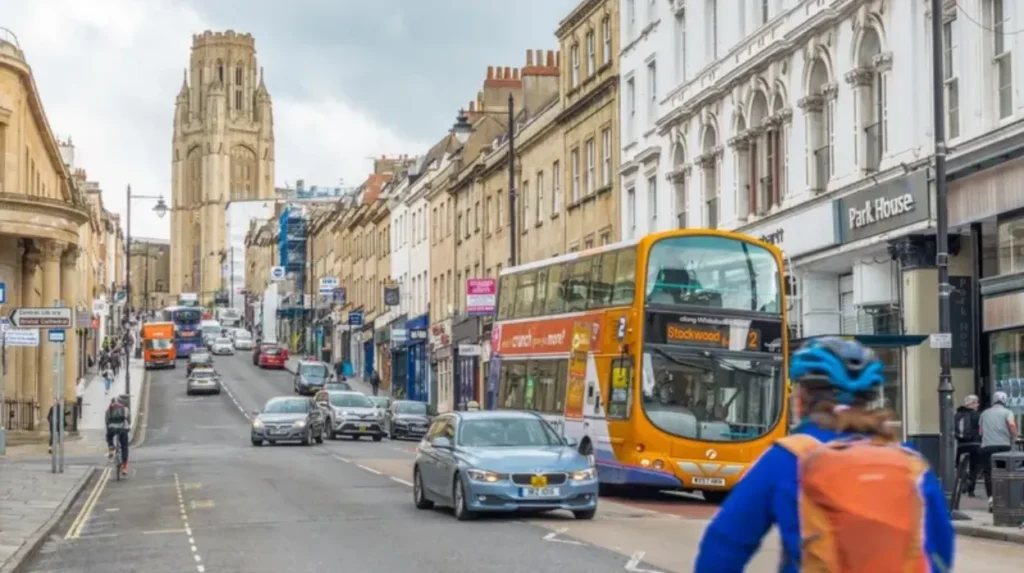
How Much Does It Cost to Travel by Bus in Bristol?
Bus commuting costs in Bristol depend on the route, ticket type, journey frequency, and applicable fare caps. Passengers can compare single tickets, return journeys, day tickets, and longer-term passes. Checking current First Bus and regional transport fares helps identify the most economical option.
Buses form an important part of Bristol’s public transport network. They connect residential neighbourhoods with the city centre, employment areas, shopping districts, hospitals, universities, and surrounding communities.
First Bus operates many services across Bristol and the wider region. Other operators provide additional services on selected routes. The availability of direct connections and the frequency of buses depend on the area and time of travel.
Which Bus Tickets Help Bristol Commuters Save Money?
Occasional passengers often use single tickets, while people travelling to work regularly benefit from comparing daily and longer-term tickets.
A commuter travelling twice daily on five working days makes approximately 40 one-way journeys over four weeks. The cheapest option depends on the applicable single fare, daily ticket price, weekly pass, and any available fare cap.
Passengers should check whether a ticket covers one operator or several participating operators. A ticket that covers multiple services provides greater flexibility when a journey requires a connection.
Discounts also affect commuting expenses. Eligible young people, students, older passengers, and disabled travellers can check the relevant concessionary schemes and eligibility requirements.
How Do Bristol Bus Fare Caps Affect Monthly Expenses?
Fare caps limit the amount eligible passengers pay for qualifying journeys within a specified period. The exact limit depends on the scheme, participating operators, and ticket conditions.
A daily cap helps passengers who make several journeys on the same day. Weekly or longer-term tickets suit people who travel frequently on the same routes.
Before purchasing a pass, commuters should compare its price with the amount they expect to spend on individual journeys. Someone working from home three days a week needs a different ticket strategy from someone travelling to an office every weekday.
Current fares and ticket conditions are available through First Bus and the West of England’s official transport information services.
How Much Does Commuting by Train Cost in Bristol?
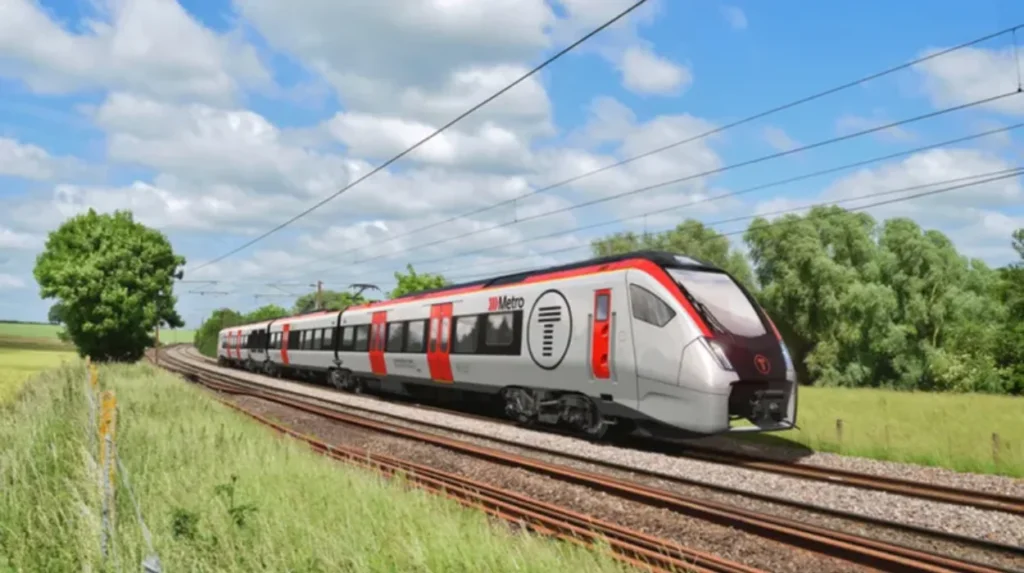
Train commuting costs in Bristol depend on the stations used, journey distance, ticket restrictions, and time of travel. Season tickets, advance fares, railcards, and flexible ticket options offer different levels of value. Commuters should compare current fares before choosing a regular rail journey.
Bristol has two principal mainline railway stations: Bristol Temple Meads and Bristol Parkway. Temple Meads serves the city centre and surrounding districts, while Parkway provides access to northern Bristol and nearby employment and residential areas.
Rail services connect Bristol with destinations including Bath, Cardiff, London, Weston-super-Mare, and other towns across South West England and South Wales. These connections make rail travel relevant to people who live outside the city but work in Bristol.
Which Train Tickets Are Best for Regular Commuters?
Train passengers can compare several ticket options according to their travel patterns.
Advance tickets are generally intended for specific trains and can offer lower prices when purchased in advance. Flexible tickets provide greater freedom but often cost more.
Season tickets suit passengers making regular journeys between the same stations. Depending on the route and ticket conditions, options include weekly, monthly, and annual tickets.
Hybrid workers should compare flexible season tickets with individual fares. Someone travelling to an office two or three days each week does not necessarily benefit from buying a traditional five-day commuting ticket.
Railcards also reduce eligible fares for qualifying passengers and journeys. Eligibility, minimum fares, peak-time restrictions, and other conditions vary by railcard.
How Do Peak and Off-Peak Train Fares Change Commuting Costs?
Peak fares generally apply during designated busy periods, while off-peak tickets offer lower prices when their conditions permit travel outside those periods.
The relevant times depend on the route and ticket rules. A commuter travelling from Bath Spa to Bristol Temple Meads should check the restrictions for that specific journey rather than assume every train has the same pricing structure.
Changing departure times can reduce expenses when work schedules allow it. However, the cheapest ticket is not always the most practical choice if it requires a long wait, an inconvenient connection, or a later arrival at work.
Commuters should compare the full cost and duration of the journey, including transport to and from the stations.
Is Driving to Work in Bristol More Expensive Than Taking Public Transport?
Driving to work in Bristol involves fuel, parking, insurance, vehicle tax, maintenance, and depreciation. Public transport usually has fewer vehicle ownership costs. The cheaper option depends on journey distance, parking availability, ticket prices, vehicle efficiency, and whether passengers share travel expenses.
Driving offers flexibility for commuters whose workplaces are poorly served by public transport. It also supports journeys involving several destinations, equipment, or responsibilities that make travelling by bus or train less convenient.
However, vehicle ownership creates expenses beyond petrol or diesel. The total cost of driving includes recurring and occasional payments that are easy to overlook when comparing commuting options.
How Much Does Fuel Add to Bristol Commuting Costs?
Fuel expenditure depends on distance, vehicle efficiency, fuel price, traffic conditions, and driving habits.
A simple calculation estimates the fuel required for a regular commute.
For example, assume a commuter drives 20 miles each working day, completing a 10-mile journey in each direction. Across 20 working days, the total commuting distance is 400 miles.
If the vehicle averages 40 miles per imperial gallon, it uses approximately 10 gallons of fuel for those journeys. Since one imperial gallon equals approximately 4.546 litres, the commuter uses around 45.5 litres.
The monthly fuel cost is calculated by multiplying 45.5 litres by the current price per litre.
This example excludes additional personal journeys and assumes the stated fuel efficiency remains consistent. Actual consumption changes with traffic, vehicle condition, road gradients, and driving style.
How Do Parking Charges Affect the Cost of Driving?
Parking can represent a substantial part of the commuting budget, especially for workers travelling to central Bristol.
Some employers provide free or subsidised parking, while others require staff to pay for a space. Public car parks, private parking facilities, and on-street parking have different tariffs and restrictions.
A commuter paying £10 per working day for parking spends £200 over 20 working days. At £15 per day, the equivalent monthly expense reaches £300.
These figures are illustrative calculations, not statements of Bristol’s current parking tariffs.
Before driving to work, commuters should check their destination’s parking prices, maximum stay limits, payment arrangements, and restrictions. Parking outside the city centre and completing the journey by public transport can sometimes reduce total expenses.
What Other Car Ownership Costs Should Commuters Consider?
Drivers need to budget for vehicle insurance, vehicle tax where applicable, MOT testing, servicing, tyres, repairs, and depreciation.
Some expenses remain payable regardless of how often the car is used. Others increase with mileage and vehicle age.
For a fair comparison, drivers should calculate both the additional cost of commuting and their wider vehicle ownership expenses. Someone who already owns a car for family responsibilities may evaluate the extra cost of driving to work differently from someone purchasing a vehicle specifically for commuting.
How Much Does Cycling or Walking to Work Cost in Bristol?
Walking has no direct transport fare, while cycling generally costs less per journey than driving. Cycling expenses include a bicycle, safety equipment, maintenance, repairs, and secure parking. Both options help Bristol commuters reduce transport spending on suitable routes and distances.
Bristol has invested in walking and cycling infrastructure, including cycle routes, pedestrian improvements, and links between residential areas and employment destinations.
The practicality of walking or cycling depends on distance, road conditions, weather, physical accessibility, available facilities, and the location of the workplace.
What Does It Cost to Commute by Bicycle?
A bicycle commuter’s initial costs include purchasing a bicycle, a suitable helmet, lights, a lock, and other equipment appropriate to the journey.
Recurring expenses include replacement inner tubes, tyres, brake components, servicing, and occasional repairs. Electric bicycles also require charging and battery maintenance.
Once the equipment has been purchased, the direct cost of an individual bicycle journey is generally low. However, commuters should include the purchase price and expected maintenance when preparing a long-term budget.
Employers participating in a cycle-to-work scheme can offer eligible employees a way to obtain bicycles and approved equipment through a salary-sacrifice arrangement, subject to scheme conditions and applicable tax rules.
When Is Walking a Practical Commuting Option?
Walking works best for short journeys where pavements, crossings, and accessible routes provide a safe connection between home and work.
A person living close to an office, shop, school, or local business can avoid regular transport fares by walking. Walking also reduces dependence on traffic conditions and public transport timetables.
For longer journeys, a combination of walking and public transport can reduce costs without requiring the entire commute to be completed on foot.
How Do Bristol Commuting Costs Compare for Different Budgets?
Bristol commuting expenses vary considerably according to travel frequency, journey distance, and transport mode. A short walk has minimal direct cost, regular bus travel requires a ticket budget, rail commuting depends on route fares, and driving includes fuel and additional vehicle expenses.
The following examples demonstrate how commuters can calculate expenses using their own circumstances.
A short-distance commuter walking to work can have no regular ticket expenditure. Occasional footwear purchases and other personal costs are not included in the direct commuting calculation.
A bus commuter travelling twice daily for 20 working days makes 40 one-way journeys. If each journey costs £2, the monthly total is £80. If an eligible pass provides the same journeys for £65, the pass saves £15 during that month. These amounts are illustrative rather than current fare quotations.
A rail commuter spending £12 per return journey and travelling 20 days each month pays £240 before considering any season-ticket savings. A lower-priced eligible season ticket changes the calculation.
A driver travelling 400 miles each month must calculate fuel costs and add parking, maintenance, and the appropriate share of vehicle ownership expenses.
These examples demonstrate why a single average figure cannot accurately represent every Bristol commuter. The same person also faces different expenses when working from home for part of the week.
How Does Hybrid Working Affect the Cost of Commuting in Bristol?
Hybrid working reduces commuting expenses when employees travel to their workplace fewer days each week. Savings depend on transport fares, parking charges, fuel use, and the availability of flexible tickets. Workers should compare monthly travel spending under their actual office attendance pattern.
Hybrid working combines remote work with attendance at an office or another workplace. It changes the number of journeys employees make and can influence which ticket type provides the best value.
An employee commuting five days each week typically makes more journeys than a colleague attending the office twice weekly. The second employee can benefit from paying for individual journeys instead of purchasing a pass designed for daily travel.
However, the savings are not always directly proportional to the number of office days. A weekly or monthly ticket can still provide better value if the passenger travels frequently enough.
Drivers also benefit from fewer commuting days through reduced fuel consumption, lower mileage-related wear, and potentially lower parking expenditure.
Employees should compare their expected monthly journeys with current ticket prices before purchasing longer-term passes. They should also check their employer’s rules for remote working and any available commuter benefits.
How Do Bristol’s Transport Connections Affect Commuting Expenses?
Bristol’s commuting expenses depend partly on access to reliable bus services, railway stations, cycle routes, and road connections. Living near a suitable route can reduce travel time and transfer costs, while poorly connected journeys often require additional transport or longer travel distances.
Bristol’s transport network links the city centre with residential communities and neighbouring areas. The most convenient route depends on where a commuter lives and where their workplace is located.
People travelling from South Gloucestershire can compare local bus services and rail connections. Residents of Bath can consider rail and bus journeys into Bristol. Commuters from North Somerset can assess available rail, bus, and road connections according to their destination.
Transport accessibility also affects housing decisions. A property with a higher rent but direct access to work can reduce commuting time and transport expenditure. A cheaper home farther away can produce higher recurring travel costs.
The correct comparison considers both housing and transport expenses. It also accounts for journey reliability, the availability of evening services, and the time required to complete the trip.
How Can Bristol Commuters Reduce Their Monthly Travel Expenses?
Bristol commuters can reduce travel expenses by comparing ticket types, checking concessionary discounts, avoiding unnecessary car journeys, sharing eligible travel costs, and considering walking or cycling for short distances. Reviewing monthly spending helps identify the most effective savings.
Transport savings depend on individual circumstances. A passenger who travels every weekday needs a different approach from someone who visits an office occasionally.
The following methods help commuters manage costs without relying on a single transport option.
Compare Single Tickets With Season Tickets
Calculate the total cost of individual journeys before purchasing a weekly, monthly, or annual pass. Include the number of days spent travelling to work and any additional journeys covered by the ticket.
A pass provides value only when its coverage and price match actual travel patterns.
Check Available Discounts
Students, young people, older passengers, and other eligible groups should check relevant concessionary travel schemes.
Rail passengers can review available railcards and their restrictions. Bus passengers should check the discounts and passes offered by their operator and local transport authority.
Combine Different Transport Methods
Walking or cycling to a railway station or bus stop can reduce the need for taxis and short car journeys.
Park-and-ride services, where available and suitable, can also help commuters avoid some central parking costs. Passengers should calculate the combined parking and public transport expenses before deciding.
Share Journeys Where Practical
Car sharing allows passengers travelling along similar routes to divide eligible fuel and parking expenses. The savings depend on the number of passengers, the distance travelled, and the arrangements for sharing costs.
Commuters should agree on departure times and contributions in advance. Shared travel is most practical when participants have compatible schedules.
Track Actual Monthly Spending
Keep a record of fares, fuel purchases, parking payments, and other commuting expenses. Comparing these figures across several months helps identify changes in spending and the effect of working patterns.
A simple spreadsheet or budgeting application can separate commuting costs from other household expenses.
What Should New Residents Know About Commuting Costs Before Moving to Bristol?
New residents should assess commuting expenses alongside rent, council tax, utilities, and other household costs before choosing where to live in Bristol. Checking workplace connections, journey times, ticket prices, and parking availability provides a more realistic estimate of monthly living expenses.
Bristol offers different residential environments, including central neighbourhoods, suburban communities, and areas beyond the city boundary. Each location presents different transport options.
Living close to a workplace reduces the need for long journeys but does not automatically guarantee lower overall living costs. Housing prices and rents also influence the household budget.
People considering a move should identify their workplace, determine the most practical routes, and check current fares. They should test the journey during the hours they expect to travel because service frequency and traffic conditions vary throughout the day.
Families also need to consider school journeys, childcare arrangements, shopping, and other regular trips. These additional journeys influence the total household transport budget.
A property near reliable public transport can reduce dependence on a private vehicle. Conversely, a location with limited services can increase the need for driving or taxi journeys.
Explore More Area Guide
Bristol Salary Guide 2026: Average Wages, Jobs and Living Costs
Monthly Expenses in Bristol: Cost of Living Guide 2026
How Will Bristol’s Transport Network Influence Future Commuting Costs?
Future commuting costs in Bristol will depend on public transport fares, fuel prices, road conditions, infrastructure investment, housing patterns, and workplace attendance. Changes to bus services, railway capacity, cycling facilities, and transport policies will influence the options available to commuters.
Transport planning affects how people travel between homes and employment centres. Improvements to public transport reliability and cycling infrastructure can make alternatives to private cars more practical.
The West of England Mayoral Combined Authority coordinates regional transport planning across Bristol and neighbouring local authority areas. Its transport responsibilities include regional priorities, public transport development, and wider connectivity.
The actual impact of future investment depends on funding, project delivery, service availability, and changes in travel demand. Commuters should therefore use current published fares and timetables when preparing an immediate budget rather than assume that proposed improvements have already reduced costs.
Fuel prices and vehicle operating costs also influence commuting decisions. Changes in electric vehicle ownership, charging access, and public charging prices affect drivers considering a switch from petrol or diesel vehicles.
Hybrid working continues to influence demand for daily commuting. Employees travelling fewer days each week often place greater importance on flexible tickets and transport options that do not require large upfront payments.
Regularly reviewing available routes and prices helps commuters adapt to these changes.
Where Can Commuters Find Reliable Information About Bristol Travel Costs?
Reliable information about Bristol commuting costs comes from official transport operators, government services, regional transport authorities, and railway ticketing providers. These sources publish fares, timetables, eligibility conditions, service updates, and travel restrictions that help commuters calculate expenses accurately.
Passengers should consult official sources when checking prices because fares, discounts, and ticket conditions change over time.
First Bus provides information about bus routes, ticket options, and applicable fares. National Rail offers journey planning and information about rail tickets and services. The West of England Mayoral Combined Authority provides regional transport information and updates about transport planning.
The Department for Transport publishes national transport statistics and policy information. These resources help readers understand wider travel patterns, although national averages do not represent the exact cost of an individual Bristol commute.
For practical budgeting, commuters should confirm the price for their actual route, travel dates, and passenger category. They should also check whether a ticket covers connecting services and whether restrictions apply during peak periods.
Combining official fare information with a realistic estimate of monthly journeys produces a more reliable commuting budget than relying on general averages.
The cost of commuting in Bristol depends on how far people travel, how often they make the journey, and which transport method they choose. Bus and train passengers can compare individual fares with longer-term tickets, while drivers need to account for fuel, parking, maintenance, and vehicle ownership expenses. Walking and cycling provide lower-cost alternatives for suitable journeys.
Hybrid working, concessionary discounts, car sharing, and combined transport journeys can reduce monthly spending. Residents planning a move should also consider transport accessibility alongside housing costs.
The most effective approach is to calculate actual journey expenses, compare available options, and review the budget regularly. By using current information from official transport providers, Bristol commuters can make informed decisions about travel costs and choose options that suit their work schedules and household finances.
What is the average cost of commuting in Bristol?
The cost of commuting in Bristol depends on the distance travelled, transport method, and number of working days. Bus and train passengers pay fares, while drivers also cover fuel, parking, insurance, and vehicle maintenance.