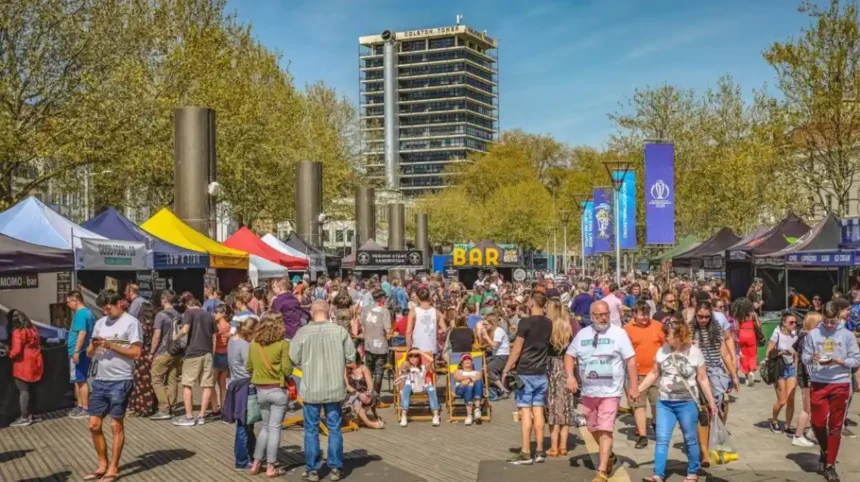
Food festivals in Bristol are organised events that celebrate local produce, international cuisines, independent food businesses, chefs, and community culture through markets, tastings, demonstrations, and culinary experiences across the city.
- Why Is Bristol Known for Its Food Festival Culture?
- How Did Food Festivals Develop in Bristol?
- Which Are the Major Food Festivals and Culinary Events in Bristol?
- Bristol Harbour Festival Food Experiences
- St Pauls Carnival Food Culture
- Bristol Craft Beer Festival
- Local Food Markets and Seasonal Events
- What Types of Food Can Visitors Experience at Bristol Food Festivals?
Food festivals in Bristol represent the city’s diverse food identity, combining traditional British cooking, global cuisines, sustainable food practices, and independent hospitality businesses. Bristol has developed a strong reputation as a food destination because of its multicultural communities, creative industries, and growing local producer network.
A food festival is a public event where food producers, restaurants, street food traders, farmers, chefs, and visitors gather to experience different forms of cuisine. These events usually include food stalls, cooking demonstrations, tasting sessions, live entertainment, workshops, and discussions about food production.
Bristol’s food festival culture reflects the wider development of the city as a centre for independent businesses and cultural events. The city’s harbour areas, neighbourhood markets, and community spaces provide locations for large-scale celebrations and smaller specialist gatherings.
The importance of Bristol food festivals extends beyond eating experiences. These events support local economies by creating opportunities for independent traders, farmers, hospitality workers, and food entrepreneurs. They also promote awareness of sustainable farming, seasonal ingredients, and responsible consumption.
Why Is Bristol Known for Its Food Festival Culture?
Bristol is known for its food festival culture because the city combines multicultural communities, independent food businesses, historic markets, sustainable food initiatives, and large public events that attract residents and visitors throughout the year.
Bristol’s food culture developed through centuries of international connections. The city’s historic port brought ingredients, traditions, and communities from different parts of the world. This heritage continues through modern restaurants, markets, and festivals.
The city has a strong independent food sector. Local restaurants, bakeries, breweries, coffee businesses, and street food operators contribute to Bristol’s reputation as a creative food destination.
Bristol’s neighbourhoods each contribute different culinary influences. Areas such as St Nicholas Market, St Pauls, Bedminster, Clifton, and Harbourside provide important locations for food businesses and cultural events.
The city’s sustainability focus also influences food festivals. Many events highlight local sourcing, reduced food waste, plant-based food options, and environmentally responsible production methods.
Bristol has received recognition as a city with a strong ethical and independent business culture. Food festivals support these values by connecting consumers directly with producers and encouraging local purchasing.
How Did Food Festivals Develop in Bristol?
Food festivals in Bristol developed from traditional markets, maritime trade, community celebrations, and cultural events that gradually expanded into organised culinary festivals featuring local and international food experiences.
Bristol’s food history is connected to its position as a major trading port. The city’s harbour supported the movement of goods, including food products, from different regions.
Historic markets played an important role in developing Bristol’s food economy. Markets provided spaces where farmers, traders, and consumers exchanged fresh produce, meat, fish, baked goods, and specialist products.
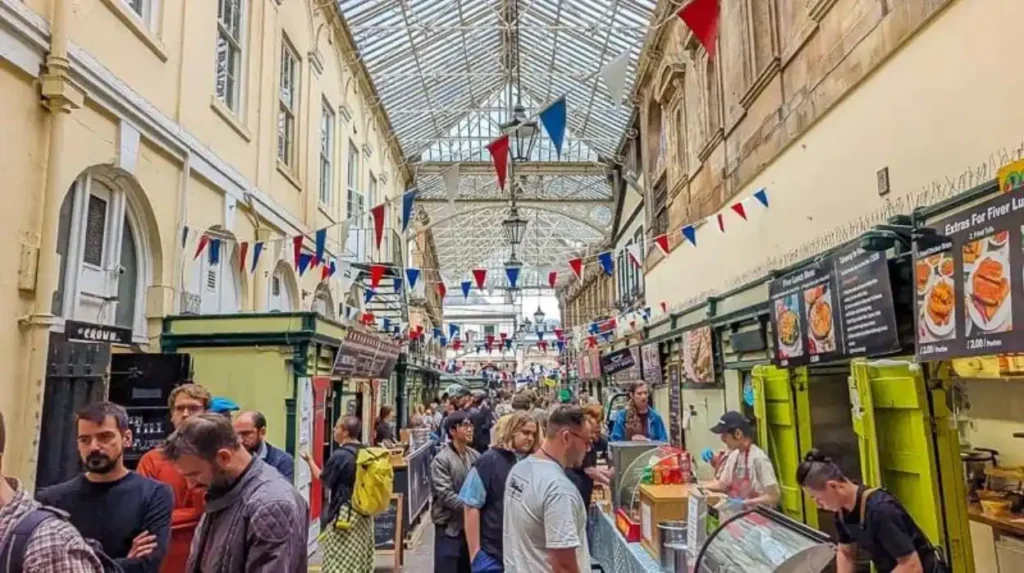
St Nicholas Market is one of Bristol’s oldest markets and remains an important food destination. Established in the 18th century, it continues to host independent traders selling local and international food.
Modern food festivals expanded from these market traditions. Organisers began creating larger events that combined food with music, culture, education, and entertainment.
The development of events such as Bristol Harbour Festival also contributed to the city’s festival culture. The harbour celebration began in 1971 and developed as a major public event celebrating Bristol’s waterfront heritage.
Explore more Area Guide
Bristol for Families: Best Things to Do, See, and Enjoy Together
Cost of Living in Bristol: Rent, Salaries, and Monthly Expenses
Which Are the Major Food Festivals and Culinary Events in Bristol?
Major food-related festivals in Bristol include events connected with street food, local producers, cultural cuisine, markets, and community celebrations that showcase the city’s diverse culinary landscape.
Bristol hosts several important food-focused events throughout the year. These events attract local residents, tourists, chefs, and independent businesses.
Bristol Harbour Festival Food Experiences
Bristol Harbour provides a major setting for public celebrations. Bristol Harbour Festival combines maritime activities, performances, markets, and food stalls along the waterfront. The event began in 1971 and developed into one of Bristol’s largest annual celebrations.
Food traders at harbour events represent different cuisines, including British street food, international dishes, vegetarian options, and artisan products.
St Pauls Carnival Food Culture
St Pauls Carnival is one of Bristol’s most significant cultural celebrations. The event began in 1968 and celebrates African-Caribbean heritage through music, arts, community activities, and food traditions.
Food plays an important role through Caribbean dishes such as jerk chicken, Caribbean patties, rice dishes, and traditional recipes connected with community heritage.
Bristol Craft Beer Festival
Bristol’s craft beer events highlight independent breweries and local drink producers. These festivals often combine food vendors with tasting sessions and live entertainment.
Local Food Markets and Seasonal Events
Bristol’s seasonal markets provide regular food experiences. Examples include Christmas markets, farmers’ markets, street food gatherings, and neighbourhood food events.
What Types of Food Can Visitors Experience at Bristol Food Festivals?
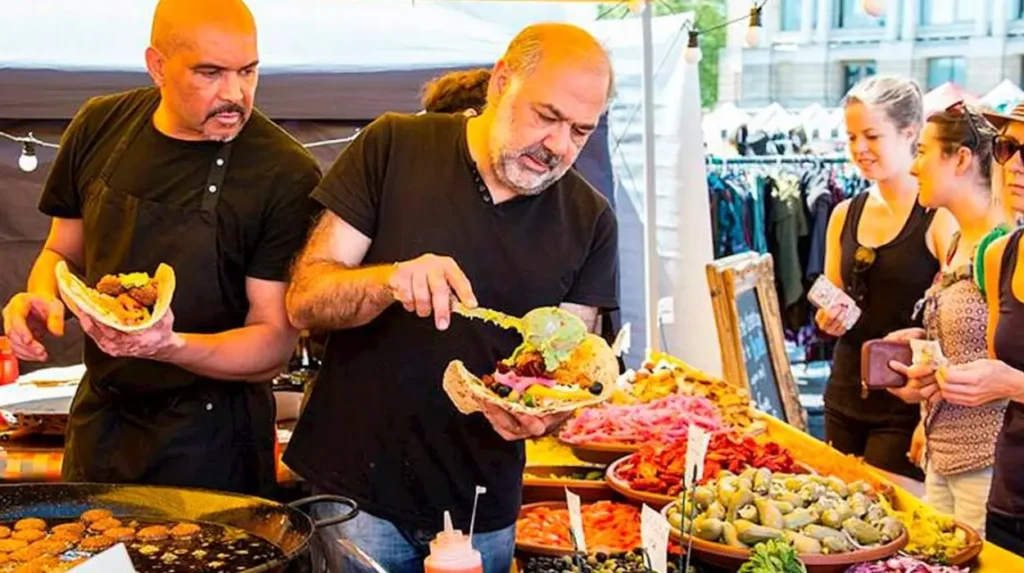
Visitors at Bristol food festivals experience British cuisine, Caribbean food, Asian dishes, European recipes, vegan meals, artisan products, baked goods, drinks, and locally produced ingredients from independent traders.
Bristol’s food festivals reflect the city’s multicultural population. Food choices usually include both traditional and modern cuisines.
Caribbean food has a strong connection with Bristol’s cultural identity. St Pauls Carnival provides opportunities to experience Caribbean cooking traditions linked with the city’s African-Caribbean community.
International cuisines commonly represented at Bristol food events include:
- Asian cuisine, such as Thai, Indian, Japanese, and Chinese dishes.
- European cuisine, such as Italian, French, Spanish, and Mediterranean food.
- Middle Eastern cuisine, such as Lebanese and Turkish dishes.
- African cuisine, including West African and Caribbean-inspired meals.
Local producers also contribute specialist products. These include artisan bread, cheese, chocolate, preserves, cakes, and locally made beverages.
The growth of plant-based food has also influenced Bristol festivals. Many traders now provide vegetarian and vegan options because of increasing consumer demand.
What are the main food festivals in Bristol?
Food festivals in Bristol include Bristol Harbour Festival food events, St Pauls Carnival food celebrations, Bristol Craft Beer Festival, street food markets, seasonal markets, and independent community food events. These festivals showcase local producers, international cuisines, and Bristol’s diverse culinary culture.