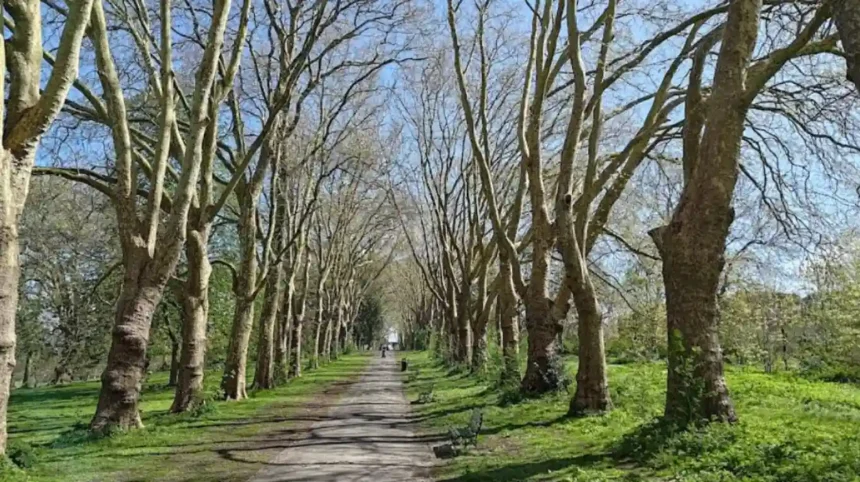
Green spaces in Bristol refer to publicly accessible parks, gardens, woodlands, nature reserves, and recreational open areas managed by Bristol City Council and partner organizations. Bristol maintains over 1,650 green spaces covering 2,217 hectares, equivalent to 4,140 football pitches, with 90% of residents living within 300 metres of a green area. The city’s extensive network includes 13 local nature reserves, major estates like Ashton Court and Clifton Downs, and hundreds of neighborhood parks serving diverse communities across Bristol.
- What are green spaces in Bristol?
- How many green spaces does Bristol have?
- What is the history of Bristol’s green spaces?
- Which are the major parks in Bristol?
- What are Bristol’s local nature reserves?
- How can people get involved in Bristol’s green spaces?
- What benefits do Bristol’s green spaces provide?
- What is Bristol’s green space strategy?
- Where are the best walking routes in Bristol’s green spaces?
- How are Bristol’s green spaces managed and maintained?
- What challenges face Bristol’s green spaces?
What are green spaces in Bristol?
Green spaces in Bristol encompass all publicly accessible parks, gardens, woodlands, playing fields, nature reserves, and recreational open land managed by the council or partner organizations for public use. These spaces include 1,652 designated areas totaling 2,217 hectares across the city. Bristol City Council defines green spaces as land open to the general public for recreation, including council-managed parks and privately owned areas with public access rights.
Green spaces in Bristol serve multiple functions including recreation, biodiversity conservation, climate mitigation, and community wellbeing. The city’s Parks and Green Space Strategy identifies these areas as essential infrastructure for public health and environmental sustainability. Bristol’s green infrastructure includes formal parks with maintained facilities, informal natural areas, sports grounds, playgrounds, and protected nature reserves.
The classification system distinguishes between different types of green space based on management intensity and ecological value. Major parks like The Downs and Ashton Court receive regular maintenance and host organized activities. Local nature reserves such as Badock’s Wood and Lamplighters Marsh prioritize wildlife habitat protection with minimal human intervention. Community growing spaces and allotments provide opportunities for urban agriculture and food production.
Bristol achieved European Green Capital status in 2015, recognizing the city’s commitment to environmental sustainability and green infrastructure development. This designation accelerated investment in park improvements, tree planting initiatives, and biodiversity enhancement projects across the urban area. The council’s Parks Service manages approximately 1,800 hectares of publicly accessible green space throughout Bristol’s neighborhoods.
How many green spaces does Bristol have?
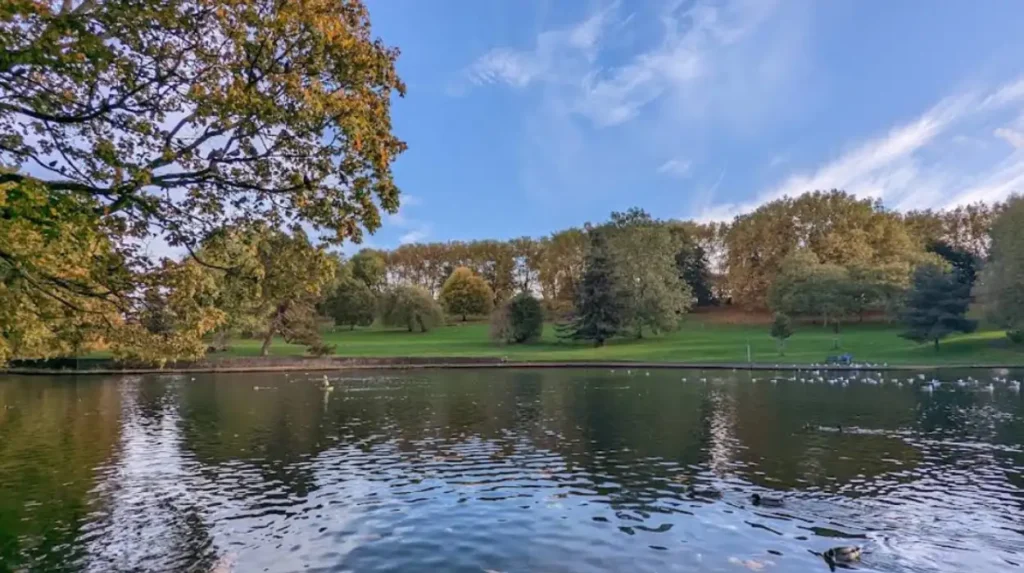
Bristol contains 1,652 parks and green spaces measuring 2,217 hectares in total area, according to the Future Parks Accelerator research. Alternative data from Ordnance Survey identifies 651 publicly accessible green spaces including 85 public parks and 114 allotments. The Bristol Parks Forum estimates total publicly accessible green space at approximately 1,800 hectares across the city.
The variation in reported figures reflects different methodologies for counting and classifying green spaces. The higher figure of 1,652 spaces includes all designated green areas regardless of size, from small pocket parks to large estates. The Ordnance Survey count of 651 spaces focuses on larger, formally designated public access areas meeting specific criteria for public accessibility and management.
Bristol’s green space distribution includes 142 play spaces, 45 playing fields, 27 bowling greens, 114 allotments or community growing spaces, and four golf courses alongside 85 public parks. This diverse portfolio serves different user groups and activities, from organized sports to informal recreation and food production.
The city maintains 13 local nature reserves with specific conservation designations and management plans. These reserves include Avon Cut, Badock’s Wood, Callington Road, Eastwood Farm, Lamplighters Marsh, Lawrence Weston Moor, Manor Woods Valley, Narroways Millenium Green, Old Sneed Park, and Troopers Hill. Major council-owned estates include The Downs, Blaise Castle, Ashton Court, and Stoke Park, each covering hundreds of hectares.
What is the history of Bristol’s green spaces?
Bristol’s green spaces developed from medieval commons, aristocratic estates, and Victorian public health initiatives, with Brandon Hill becoming public land in 1625 and The Downs protected as common land since the 17th century. Major estates like Ashton Court date to the 11th century with continuous public access established in the 20th century.
Brandon Hill Park represents one of Bristol’s oldest public green spaces, designated as public land in 1625 and maintained continuously for over 400 years. The park features Cabot Tower, constructed from red sandstone in the 19th century, and offers panoramic views over central Bristol and the Harbourside area. This historic designation established a precedent for public access to elevated viewpoints within the city.
The Downs, comprising Clifton and Durdham Downs, functioned as common land for grazing and recreation since medieval times. This 400-acre expanse of open grassland became formally protected through local legislation preventing enclosure and development. The area now features football pitches, walking routes, and children’s playgrounds while maintaining its character as open common land.
Ashton Court Estate demonstrates the transition from private aristocratic ownership to public parkland. The estate appears in the Domesday Book of 1086 as a wealthy manor given by William the Conqueror to Bishop Geoffrey de Montbray. The Smyth family acquired the estate in 1545 and maintained ownership for 400 years until 1946. Bristol City Council purchased the estate lands in 1947 and the mansion house in 1959, converting the 850-acre property into public parkland.
Victorian era reforms expanded Bristol’s green space network through deliberate municipal investment. Public health legislation and urban planning requirements prompted the creation of formal parks in densely populated areas. Castle Park, Queen Square, and Victoria Park emerged from this period as planned recreational spaces serving industrial communities.
Which are the major parks in Bristol?
Bristol’s major parks include The Downs (400 acres), Ashton Court Estate (850 acres), Blaise Castle Estate, and Stoke Park Estate (over 100 hectares), each offering extensive recreational facilities and natural landscapes. These four council-managed estates form the backbone of Bristol’s green infrastructure.
The Downs represents Bristol’s largest and most iconic green space, covering 400 acres of open grassland on the city’s northern edge. This area attracts millions of visitors annually for walking, sports, picnics, and festivals. The Downs features multiple football pitches, established walking routes, and a children’s playground while maintaining its open character. The adjacent Clifton Suspension Bridge provides access to Leigh Woods and panoramic views of the Avon Gorge.
Ashton Court Estate spans 850 acres to the west of Bristol, primarily in North Somerset but owned and managed by Bristol City Council. The estate features rolling hills, ancient woodland, a historic mansion house, formal gardens, and a golf course. Wild deer roam freely across the estate, creating a unique urban wildlife experience. Mountain biking trails and walking routes traverse the property, which includes a café and event facilities.
Blaise Castle Estate occupies a substantial area in north Bristol, featuring a Georgian mansion house, formal gardens, and extensive woodland walks. The estate includes a museum, children’s play areas, and maintained paths through mixed woodland and open grassland. This property demonstrates the integration of historic architecture with public recreational space.
Stoke Park Estate covers over 100 hectares along the M32 corridor in northeast Bristol. The estate features the iconic yellow house overlooking Duchess Pond and holds designation as a Site of Natural Conservation Interest. This location provides accessible green space for communities in the eastern suburbs with extensive walking routes and picnic areas.
Explore More Area Guide
Best Views in Bristol: Top Scenic Spots, Skyline Views
17 Instagrammable Places in Bristol for Stunning Photos
What are Bristol’s local nature reserves?
Bristol maintains 13 local nature reserves including Badock’s Wood, Lamplighters Marsh, Lawrence Weston Moor, and Troopers Hill, each designated for wildlife conservation and environmental education. These reserves receive specialized management to protect biodiversity while allowing public access for nature observation.
Badock’s Wood functions as a woodland reserve in Southmead, featuring ancient trees, streams, and diverse habitat types supporting birds, insects, and small mammals. The reserve includes marked trails and interpretation panels explaining the ecological significance of the site. Management focuses on maintaining woodland structure and preventing invasive species establishment.
Lamplighters Marsh operates as a wetland reserve in southeast Bristol, providing habitat for waterbirds, amphibians, and aquatic plants. This site demonstrates successful habitat creation on former industrial land, with lagoons, reed beds, and grassland areas supporting diverse wildlife populations. The reserve includes bird hides and educational facilities for schools and community groups.
Lawrence Weston Moor functions as a grassland and wetland mosaic in northwest Bristol, supporting breeding waders, wildflowers, and invertebrate communities. Management includes seasonal grazing, scrub control, and water level regulation to maintain habitat quality. The site connects to the Severn Estuary and forms part of a larger ecological network.
Troopers Hill provides a unique combination of grassland, woodland, and former industrial features in east Bristol. This reserve includes a prominent chimney stack and offers views across the city while supporting rare plant species and breeding birds. The diverse topography creates varied microclimates and habitat conditions.
Other local nature reserves include Avon Cut, Callington Road, Eastwood Farm, Manor Woods Valley, Narroways Millenium Green, and Old Sneed Park. Each reserve receives specific management plans addressing conservation priorities and public access requirements. Bristol City Council publishes detailed maps and access information for all 13 reserves on their website.
How can people get involved in Bristol’s green spaces?
Bristol offers multiple volunteering opportunities through the Parks Service including ParkWork conservation sessions, One Tree Per Child tree planting, and roving ranger groups operating across north, south, and east Bristol neighborhoods. The council works with over 125 lead volunteers and trains new volunteers 6 to 8 times annually.
ParkWork provides ranger-led conservation and gardening sessions in parks across Bristol, offering training and skills development for people seeking employment in the green sector. Weekly sessions occur at Eastville Park on Wednesdays and Oldbury Court on Fridays. Monthly sessions cover Brandon Hill, Castle Park, Owen Square Park, Lawrence Weston Moor, and Mall Gardens. Participants learn practical conservation skills including hedge laying, path maintenance, and habitat management.
The One Tree Per Child initiative plants trees in schools, parks, and open spaces throughout Bristol. Volunteers assist with tree planting during autumn and winter months, followed by maintenance activities including watering, mulching, and protection from damage. This program has established hundreds of new trees across the city’s green infrastructure network.
Your Park charity partners with Bristol City Council to improve parks in south Bristol through volunteer work parties. The organization operates in nine parks including Cottle Road green space, Dundry Slopes, Hartcliffe Millennium Green, Hawkfield Meadow, Hengrove Mounds, Northern Slopes, Stockwood open space, Withywood Park, and Willmott Park. Activities range from litter picking and path repair to planting and habitat creation.
Roving ranger programs offer flexible volunteering options with half-day or full-day sessions. North Bristol groups meet on Fridays at Kingsweston Estate, Shirehampton Park, and Lawrence Weston locations. South and east Bristol groups operate on Wednesdays at Callington Road Local Nature Reserve, Coombe Brook Valley, Eastwood Farm, Crox Bottom, and Saltwell Valley. Volunteers receive training, tools, gloves, refreshments, and insurance coverage through the council.
Lead volunteer roles include Parks Volunteer Lead and Lead Wildlife Recorder positions. Lead volunteers organize group activities such as litter picking, plant care, guided walks, and wildlife surveys. The council provides health and safety training covering risk assessments, tool use, and hazardous plant identification. Trained volunteers receive personal accident and public liability insurance coverage.
What benefits do Bristol’s green spaces provide?
Bristol’s green spaces attract over 17 million visits annually and provide essential benefits for physical health, mental wellbeing, biodiversity conservation, climate regulation, and social cohesion. Research demonstrates that access to green space reduces stress, improves cardiovascular health, and strengthens community connections.
Physical health benefits emerge through opportunities for exercise, walking, cycling, and outdoor recreation. Bristol’s 90% resident proximity to green space within 300 metres facilitates regular physical activity for most of the population. Parks provide safe, accessible environments for walking, running, sports, and active play, contributing to reduced obesity rates and improved cardiovascular health among regular users.
Mental health improvements result from exposure to natural environments and reduced urban stress. Green spaces offer settings for relaxation, social interaction, and psychological restoration. Studies indicate that time spent in parks reduces anxiety, depression, and stress markers while improving mood and cognitive function. Bristol’s extensive network ensures that residents can access these benefits within their local neighborhoods.
Biodiversity conservation occurs through habitat provision for wildlife species across urban areas. Bristol’s 13 local nature reserves protect rare plants, breeding birds, amphibians, and invertebrate populations. Mature trees in parks like Ashton Court and Leigh Woods support diverse communities of birds, bats, and insects. Wetland reserves such as Lamplighters Marsh create critical habitat for waterbirds and aquatic species.
Climate regulation functions include urban cooling, air purification, carbon sequestration, and flood mitigation. Tree canopy cover in parks reduces ambient temperatures during summer heat waves. Vegetation filters air pollutants and absorbs carbon dioxide through photosynthesis. Green spaces absorb rainfall and reduce surface runoff, decreasing flood risk in surrounding neighborhoods.
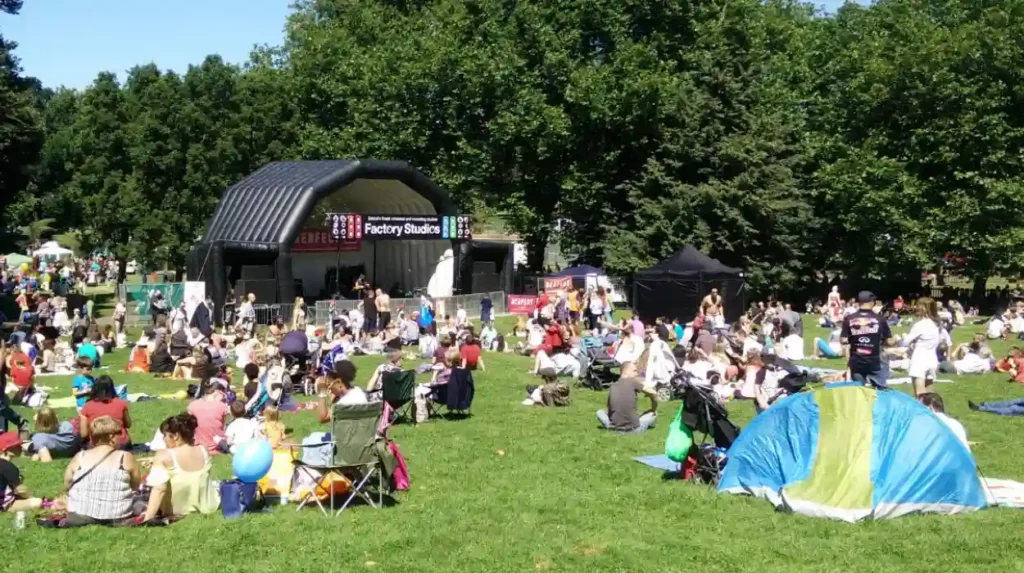
Social cohesion develops through shared use of parks for community events, festivals, and informal gatherings. Bristol’s green spaces host cultural celebrations, sports leagues, markets, and performances that bring diverse communities together. Parks provide neutral ground for intergenerational interaction and cross-cultural exchange, strengthening social bonds and community identity.
What is Bristol’s green space strategy?
Bristol’s Parks and Green Space Strategy establishes a 20-year vision for the city’s parks and green spaces through 2039, setting priorities for investment, management, and community engagement. The strategy encompasses all council-managed parks and publicly accessible green land for recreation.
The strategy document outlines objectives for maintaining and improving green space quality, accessibility, and ecological value. Key priorities include infrastructure upgrades, biodiversity enhancement, climate adaptation measures, and expanded community participation in park management. The 15-year planning horizon extends to 2039, providing long-term direction for resource allocation and policy development.
Investment priorities focus on play area improvements, path maintenance, tree planting, and facility upgrades. The strategy recognizes that aging infrastructure requires systematic renewal to maintain safety and accessibility standards. Climate change adaptation measures include increased tree canopy cover, sustainable drainage systems, and drought-resistant planting schemes.
Community engagement mechanisms include volunteer programs, friends of parks groups, and participatory budgeting for local improvements. The council supports over 125 lead volunteers who organize activities in parks across the city. Friends groups advocate for specific parks and coordinate maintenance activities with council support.
Biodiversity targets emphasize habitat creation, native species planting, and reduced pesticide use. The strategy aligns with Bristol’s broader environmental goals including carbon neutrality and nature recovery. Management practices increasingly prioritize ecological outcomes alongside recreational provision.
Where are the best walking routes in Bristol’s green spaces?
Bristol offers extensive walking routes through Leigh Woods, Ashton Court Estate, the Downs, Snuff Mills, and the Bristol & Bath Railway Path, with trails ranging from flat riverside walks to challenging woodland climbs. National Trust and Forestry Commission manage significant portions of these routes with maintained paths and signage.
Leigh Woods provides a network of walking trails adjacent to the Clifton Suspension Bridge, managed jointly by the National Trust and Forestry Commission. Routes vary from gentle woodland walks to steeper climbs with panoramic views of the Avon Gorge. The woods connect to the Downs and offer approximately one hour of walking from central Bristol. Mountain biking trails share some routes with pedestrian paths.
Ashton Court Estate features extensive walking routes across 850 acres of rolling hills, woodland, and grassland. Circular routes start from the mansion house and café, passing through ancient woodland and open parkland with views across Bristol. The estate accommodates walkers of all abilities with well-maintained paths and clear signage.
The Downs offers open grassland walking with minimal elevation change, suitable for all fitness levels. Routes connect to Leigh Woods via the Suspension Bridge, creating longer circular walks combining open landscape and woodland environments. The area provides unobstructed views across the city and surrounding countryside.
Snuff Mills features riverside trails following the River Frome through lush woodland northeast of the city center. The National Trust property includes waymarked paths suitable for mindful walking and nature observation. Some paths become muddy in wet weather, requiring appropriate footwear.
The Bristol & Bath Railway Path functions as a green corridor following a dismantled railway line through urban and suburban areas. This traffic-free route provides flat, accessible walking and cycling between Bristol and Bath, passing through parks and green spaces along the way. The path serves as both recreational route and commuting corridor.
Brandon Hill offers shorter urban walks with steep sections leading to Cabot Tower and panoramic viewpoints. Paths wind through the park’s nature conservation area and connect to surrounding neighborhoods via multiple entrances from Park Street and Jacobs Wells Road. The park’s central location makes it accessible for brief walks during work breaks or lunch hours.
How are Bristol’s green spaces managed and maintained?
Bristol City Council’s Parks Service manages the majority of green spaces through dedicated ranger teams, volunteer programs, and contracted maintenance services, with specific protocols for tree care, litter collection, and facility upkeep. The service operates health and safety training for volunteers and maintains public liability insurance for authorized activities.
Ranger teams conduct regular maintenance including grass cutting, hedge trimming, path repair, and tree management. Roving rangers support specific sites across north, south, and east Bristol, working with volunteer groups on conservation tasks. Rangers provide training on tool use, hazardous plant identification, and risk assessment procedures.
Tree management follows council policies addressing safety inspections, disease control, and planting programs. Residents can report tree problems or comment on tree felling notices through the council website. The One Tree Per Child program coordinates tree planting in schools, parks, and open spaces throughout the year.
Litter collection occurs through scheduled council services and volunteer-led initiatives. Lead volunteers organize group litter picking sessions with council-provided equipment and insurance coverage. Park users can report litter problems and other maintenance issues through online reporting systems.
Facility maintenance covers playgrounds, sports pitches, benches, bins, and signage. The council prioritizes repairs based on safety risk and usage levels. Play equipment receives regular safety inspections with prompt remediation of identified hazards. Sports pitch maintenance includes seasonal marking, goal post installation, and drainage management.
Volunteer coordination employs dedicated staff supporting over 125 lead volunteers across the city. Training sessions occur 6 to 8 times annually, covering health and safety, tool use, and activity planning. Volunteers receive personal accident and public liability insurance when participating in authorized council activities.
Partner organizations including the National Trust, Forestry Commission, and Your Park charity manage specific sites with council support. These partnerships extend management capacity and bring specialized expertise to conservation and community engagement work.
What challenges face Bristol’s green spaces?
Bristol’s green spaces face challenges including funding constraints, climate change impacts, development pressure, invasive species, and increasing visitor numbers. Research indicates that under seven percent of Bristol comprises publicly accessible open spaces by some measurements, raising concerns about adequate provision.
Funding pressures affect maintenance quality and frequency across the green space network. Council budget reductions have decreased ranger staffing levels and deferred infrastructure repairs. Volunteer programs partially offset these shortfalls but cannot replace professional management for complex tasks.
Climate change creates multiple stressors including drought, flooding, pest outbreaks, and extreme weather events. Summer droughts damage grass areas and increase tree mortality. Winter flooding damages paths and facilities in low-lying parks. Warmer temperatures enable new pest species and diseases affecting trees and plants.
Development pressure threatens green space through housing and infrastructure proposals. Community campaigns have successfully protected some sites from enclosure or construction, but ongoing pressure requires constant vigilance. Legal protections for parks remain limited, leaving many spaces vulnerable to future development proposals.
Invasive species including Himalayan balsam, Japanese knotweed, and rhododendron compete with native plants and reduce biodiversity. Control programs require sustained effort and resources to prevent spread. Climate change may accelerate invasive species expansion by creating favorable conditions.
Visitor numbers exceeding 17 million annually create wear and tear on paths, grass areas, and facilities. High usage concentrates in popular parks like The Downs and Ashton Court, requiring intensive maintenance to prevent degradation. Balancing access with conservation presents ongoing management challenges.
Tick awareness represents an emerging public health consideration in Bristol’s parks and woodlands. The council provides guidance on avoiding tick bites, checking for ticks after park visits, and responding to bites when they occur. This information helps visitors enjoy green spaces while minimizing health risks.