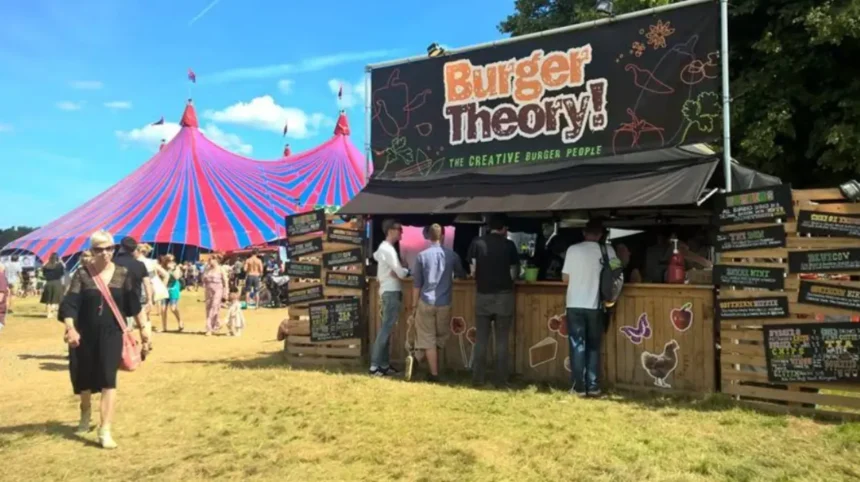
Street food markets in Bristol are a collection of weekly and permanent food venues across the city that serve diverse global cuisines from independent vendors. Bristol hosts at least eight major street food markets, including St Nicholas Market (established 1743), Harbourside Street Food Market, Temple Quay Market, Finzels Reach Food Market, Tobacco Factory Market, Friday Food Market, Windmill Hill Market, and Whiteladies Road Market. These markets collectively offer 60+ independent stalls on weekends, featuring cuisines from Ethiopian, Indian, Malaysian, Greek, Middle Eastern, Sri Lankan, Tibetan, Vietnamese, Caribbean, and Somali traditions.
- What Are Street Food Markets in Bristol and Why Do They Matter?
- Which Street Food Markets Operate in Bristol and When Are They Open?
- St Nicholas Market (St Nicks)
- Temple Quay Market
- Finzels Reach Food Market
- Harbourside Street Food Market
- Tobacco Factory Market
- Friday Food Market
- Windmill Hill Market
- Whiteladies Road Market
- What Cuisines and Vendors Can You Find at Bristol’s Street Food Markets?
- How Do Bristol’s Street Food Markets Compare to Other UK Cities?
- Where Are Bristol’s Best Street Food Markets Located by Neighbourhood?
- City Centre and Harbourside
- Temple Quay and Temple Meads
- Redcliffe and Bristol Bridge
- Southville
- Bedminster
- Clifton and Whiteladies Road
- What Practical Tips Should Visitors Follow for Street Food Markets in Bristol?
What Are Street Food Markets in Bristol and Why Do They Matter?
Street food markets in Bristol are regulated outdoor or covered venues where independent vendors sell ready-to-eat global cuisines at affordable prices, typically £5–£12 per dish. These markets operate on fixed schedules (daily, weekly, or monthly) and serve as Bristol’s primary accessible dining option for lunch breaks, weekend gatherings, and tourist experiences. They matter because they preserve Bristol’s 280-year market trading tradition, support 200+ independent food businesses, and reflect the city’s identity as England’s first European Green Capital (2015) through sustainability-focused operations.
Bristol’s street food culture differs from other UK cities through three defining characteristics. First, independence dominates: Bristol has one of the UK’s highest concentrations of independent restaurants and food vendors, with corporate chains kept at bay. Second, sustainability is embedded: Many vendors prioritize locally sourced, seasonal, and ethically produced ingredients as an operating principle, not a marketing gimmick. Third, global diversity is authentic: Bristol’s port history created cultural mixing, resulting in genuinely excellent Somali, Caribbean, Persian, Vietnamese, Ethiopian, and South Asian food alongside European cooking.
The economic impact extends beyond food sales. Street food markets fuel Bristol city centre’s economic buzz by drawing crowds during lunch hours (12pm–2:30pm) when restaurants are quieter, supporting surrounding retail businesses, and creating employment for vendors who often grow from stalls to shipping containers to brick-and-mortar restaurants. This progression path—market stall to restaurant empire—is a documented pattern in Bristol’s food scene, with vendors like those at Wapping Wharf’s Cargo development exemplifying this trajectory.
Which Street Food Markets Operate in Bristol and When Are They Open?
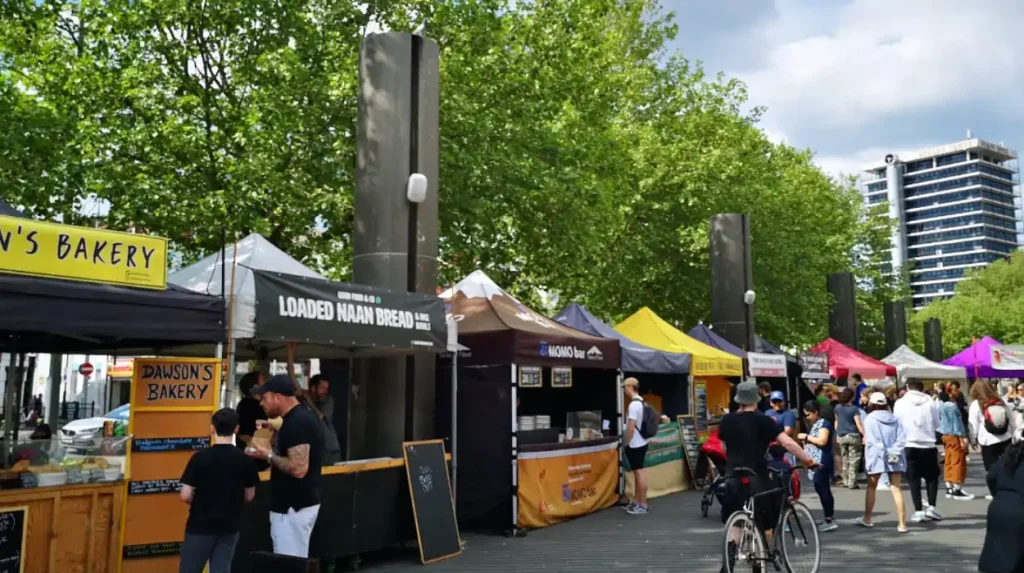
Bristol operates eight primary street food markets with fixed weekly schedules: St Nicholas Market (Mon–Sat, lunchtime), Temple Quay Market (Tue & Thu, 12pm–2pm), Finzels Reach Food Market (Wed & Fri, 11am–2pm), Harbourside Street Food Market (Wed–Thu 12pm–2:30pm, Sat–Sun 11am–4pm), Friday Food Market (Fri, 10am–4pm), Tobacco Factory Market (Sun, 10am–2:30pm), Windmill Hill Market (1st Saturday monthly, 11am–4pm), and Whiteladies Road Market (Sat, 8:30am–1pm). Each market serves distinct neighbourhoods and cuisine profiles, enabling visitors to plan food-focused trips across the city.
St Nicholas Market (St Nicks)
St Nicholas Market, established in 1743, is Bristol’s oldest and most beloved market, located at the top of Corn Street in the Old City within the historic Exchange building designed by John Wood the Elder. The market houses Bristol’s largest collection of independent retailers (over 60 stalls) within a covered structure featuring a grand Corn Exchange and 19th-century Glass Arcade. Food vendors serve Ethiopian injera, South Indian dosas, Japanese ramen, freshly baked pies, Caribbean curries, and artisan cheese. On the first Friday of each month, surrounding streets host a specialist street food market drawing top independent operators. The market operates Monday–Saturday at lunchtime, with permanent stalls opening from early morning.
Temple Quay Market
Temple Quay Market operates every Tuesday and Thursday, 12pm–2pm, in The Square at Temple Quay, adjacent to Temple Meads Station. This market is one of Bristol’s most popular street food venues, serving an array of global cuisines including Sri Lankan delicacies, sushi, smashed burgers, fried chicken wings, East African dishes, Greek wraps, pasta, and Malaysian treats. Popular vendors include Boigers, Alpmac, Big Naths BBQ, and Peckers, with lineups changing weekly. The market’s location behind Temple Meads makes it accessible for commuters and tourists arriving by train.
Finzels Reach Food Market
Finzels Reach Food Market runs Wednesday and Friday, 11am–2pm, on Old Temple Street in Redcliffe, near Bristol Bridge and office buildings in the city centre. Ever-increasing in size, this twice-weekly market features Tibetan food, Cantonese dim sum, fish dishes, Vietnamese Bánh mì sandwiches, and diverse culinary options. The market’s central location makes it ideal for lunch breaks, with vendors providing nourishment across the culinary spectrum.
Harbourside Street Food Market
Harbourside Street Food Market operates Wednesday and Thursday, 12pm–2:30pm, plus Saturday and Sunday, 11am–4pm, at 1 Canon’s Road on Bristol Harbourside near the Watershed. This market brings together Bristol’s best street food with live music and scenic harbour views, featuring an ever-changing 10-stall roster that includes the city’s greatest names, up-and-coming chefs, and unique concepts. Notable vendors include Momo Bar (Tibetan dumplings), Ah-Ma’s Dumplings (bao buns), Gopal’s Curry Shack (Indian vegetarian), and Wood Chop Pizza (sour dough pizza). The weekend schedule (Sat–Sun) attracts larger crowds for picture-perfect harbourside dining.
Tobacco Factory Market
Tobacco Factory Food Market operates every Sunday, 10am–2:30pm, at Raleigh Road in Southville, south of the river. This bustling Sunday market features around 60 stalls offering street food, handmade crafts, and local produce. Vendors include recognizable names from the weekly circuit alongside fresh faces and new concepts, creating a mix of established and emerging food traders. The market’s Southville location provides a relaxed neighbourhood atmosphere distinct from city centre venues.
Friday Food Market
Friday Food Market operates every Friday, 10am–4pm, on Wine Street, acting as an extension of St Nicholas Market. Regular vendors include Pippin Doughnuts, Tia Julia’s Brazilian food, Food By Sophie (Caribbean comfort food), and Wrapman (chicken wraps). This market’s extended hours (10am–4pm) provide all-day street food access on Fridays.
Windmill Hill Market
Windmill Hill Market launched in late 2022 at Windmill Hill City Farm in Bedminster, operating the first Saturday of each month, 11am–4pm (April–December). This new market combines street food with local Bristol maker stalls, live music, and children’s entertainment. The Bedminster location serves South Bristol’s diverse community.
Whiteladies Road Market
Whiteladies Road Market operates every Saturday, 8:30am–1pm, serving seasonal produce from local food and drink traders. This community favourite focuses on local producers rather than international street food.
What Cuisines and Vendors Can You Find at Bristol’s Street Food Markets?
Bristol’s street food markets feature 15+ distinct cuisines including Ethiopian, Indian (South Indian dosas, curry shack), Japanese (ramen, dim sum), Malaysian, Greek, Middle Eastern, Sri Lankan, Tibetan (dumplings), Vietnamese (Bánh mì), Caribbean (curries, comfort food), Somali, Persian, Brazilian, and Somali. Vendor examples include Momo Bar (Tibetan dumplings at Harbourside), Ah-Ma’s Dumplings (bao buns), Gopal’s Curry Shack (Indian vegetarian), Wood Chop Pizza (sourdough pizza), Pippin Doughnuts, Tia Julia’s Brazilian food, Food By Sophie (Caribbean), Wrapman (chicken wings), Boigers, Alpmac, Big Naths BBQ, and Peckers (Temple Quay).
Ethiopian food appears at St Nicholas Market through injera stalls, representing Africa’s diverse culinary traditions. Indian street food—chaat, pani puri, bhel puri—thrives through vendors like Gopal’s Curry Shack, offering lighter, bolder cooking distinct from cream-based British curry houses. Malaysian cuisine features at Temple Quay Market alongside Sri Lankan delicacies, reflecting South Asian culinary diversity. Greek wraps and Middle Eastern dishes appear across multiple markets, demonstrating European and Mediterranean influences.
Tibetan food specializes at Finzels Reach through Momo Bar’s dumplings, while Cantonese dim sum appears at the same market. Vietnamese Bánh mì sandwiches represent Southeast Asian street food traditions. Caribbean comfort food comes through Food By Sophie’s vendors, reflecting Bristol’s significant Caribbean community. Brazilian food appears via Tia Julia’s, adding Latin American diversity.
Sustainability principles shape vendor operations: many prioritize locally sourced, seasonal, and ethically produced ingredients as core operating principles. This reflects Bristol’s 2015 European Green Capital status and distinguishes the city’s food culture from virtue-signalling approaches. The independent vendor model ensures cooking happens with genuine passion and personality rather than corporate standardization.
Price ranges typically span £5–£12 per dish, making street food markets Bristol’s most accessible dining option compared to restaurants. This affordability enables regular visits during lunch breaks and weekend gatherings without financial barriers.
How Do Bristol’s Street Food Markets Compare to Other UK Cities?
Bristol’s street food markets surpass other UK cities through three structural advantages: 280 years of continuous market trading history (St Nicholas Market since 1743), the highest concentration of independent food vendors in the UK, and sustainability embedded as an operating principle rather than marketing. London’s street food scene is more commercialized with corporate involvement; Manchester’s markets lack Bristol’s historical continuity; Birmingham’s food scene is newer and less established.
Bristol’s independence metric directly impacts food quality and variety. The city maintains one of the UK’s highest concentrations of independent restaurants, cafes, and bars, with corporate high-street chains kept at bay. This independence creates genuine passion and personality in cooking, distinguishing Bristol from cities where chain standardization dominates. London’s Borough Market, while famous, operates with more commercial pressure and corporate vendor presence.
Sustainability integration differs fundamentally. Bristol was England’s first European Green Capital (2015), and this commitment manifests in food operations: vendors prioritize locally sourced, seasonal, and ethically produced ingredients as operating principles. Other cities treat sustainability as marketing; Bristol embeds it in ingredient sourcing and waste reduction.
Cultural diversity authenticity separates Bristol from peers. Bristol’s port city history created centuries of cultural mixing, resulting in genuinely excellent Somali, Caribbean, Persian, Vietnamese, Ethiopian, and South Asian food alongside European cooking. This isn’t imported diversity; it reflects Bristol’s actual population composition and historical trade patterns.
The vendor progression model—market stall to shipping container to brick-and-mortar restaurant—is more documented in Bristol than elsewhere. Wapping Wharf’s Cargo development exemplifies this trajectory, with repurposed shipping containers housing independent restaurants that started as market stalls. This ecosystem supports food entrepreneurship more effectively than competitors.
Explore More Area Guide
Top 10 Rooftop Bars in Bristol with Best Views, Food & Cocktails
Best Pubs & Gastropubs in Bristol: Top Rated, Award Winners, Sunday Roasts
Where Are Bristol’s Best Street Food Markets Located by Neighbourhood?
Bristol’s street food markets cluster in six neighbourhoods: City Centre/Harbourside (highest concentration, including Harbourside Market and St Nicholas Market), Temple Quay/Temple Meads (Temple Quay Market), Redcliffe/Bristol Bridge (Finzels Reach), Southville (Tobacco Factory), Bedminster (Windmill Hill), and Whiteladies Road/Clifton (Whiteladies Road Market). Each neighbourhood offers distinct atmospheres: city centre provides dense restaurant concentration for pre-theatre dining; Southville offers relaxed neighbourhood vibes; Temple Quay serves commuters.
City Centre and Harbourside
The Harbourside Street Food Market at 1 Canon’s Road represents the densest food concentration, positioning “about as central as you can get” with scenic waterfront views. This area serves pre-theatre dining (Bristol Hippodrome on St Augustine’s Parade is minutes from Corn Street), weekend brunches, and celebratory dinners. The waterside setting at Wapping Wharf adds dimension: warm evening dining with moored boats creates one of Bristol’s real pleasures.
St Nicholas Market on Corn Street anchors the Old City, located in the historic Exchange building within beautiful high-ceilinged former banks and merchant houses converted into restaurants. This combination of architecture and creative cooking makes Corn Street one of the UK’s great eating streets.
Temple Quay and Temple Meads
Temple Quay Market in The Square, Temple Quay, sits “just a few minutes away from Temple Meads Station and the harbour,” making it ideal for commuters and train arrivals. The square behind Temple Meads provides accessible parking and public transport links.
Redcliffe and Bristol Bridge
Finzels Reach Food Market on Old Temple Street, Redcliffe, is “perfectly situated amongst office buildings near the centre of Bristol,” serving lunch breaks for city workers. The location near Bristol Bridge provides central access.
Southville
Tobacco Factory Market at Raleigh Road, Southville, sits “south of the river in the grounds of the Tobacco Factory,” offering relaxed neighbourhood vibes distinct from city centre intensity. Southville’s community feel attracts locals rather than tourists.
Bedminster
Windmill Hill Market at Windmill Hill City Farm, Bedminster, serves South Bristol’s diverse community, providing “relaxed neighbourhood feel that the city centre can sometimes lack”. North Street in Bedminster has transformed into a brilliant independent restaurant strip.
Clifton and Whiteladies Road
Whiteladies Road Market serves the elegant Clifton area near the Suspension Bridge, with Georgian terraces and tree-lined streets creating hard-to-beat settings. This area is “elegant and expensive” with strong independent restaurant presence.
What Practical Tips Should Visitors Follow for Street Food Markets in Bristol?
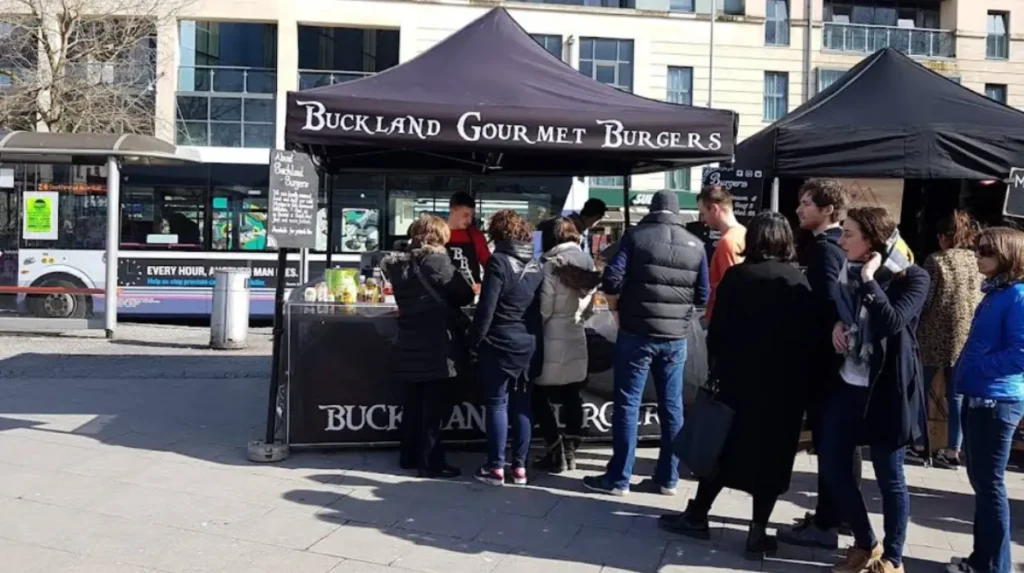
Visitors should book nothing (street food requires no reservations), arrive during lunch hours (12pm–2:30pm) for best vendor availability, explore beyond the city centre to Southville and Bedminster, embrace sharing plates to taste more cuisines, and walk between markets since Bristol is small enough for restaurant crawls. St Nicholas Market at lunchtime on weekdays offers “one of life’s great simple pleasures,” while weekend Harbourside visits attract larger crowds.
Book ahead for restaurants, not street food markets. Bristol’s best restaurants get busy at weekends, but street food markets operate without reservation requirements. This distinction prevents confusion between dining formats.
Don’t ignore lunchtime. Some of Bristol’s best restaurants offer exceptional lunch value compared to dinner, but street food markets excel at lunch with 12pm–2:30pm schedules matching work breaks. St Nicholas Market at weekday lunchtime provides simple pleasures.
Explore beyond the centre. City centre is brilliant, but Stokes Croft, Bedminster, and Southville reward short journeys with neighbourhood vibes. Tobacco Factory in Southville and Windmill Hill in Bedminster offer relaxed atmospheres.
Embrace sharing plates. Bristol’s food culture leans heavily toward sharing and small plates, enabling tasting more cuisines, negotiating at the table, and adjusting meal size to appetite. Street food markets naturally support this format.
Walk between restaurants. Bristol is small enough for restaurant crawls: start with snacks at St Nicholas Market, wander to Corn Street for mains, finish with drinks on Harbourside. The city’s walkability is a major asset.
Check seasonal schedules. Windmill Hill Market operates April–December (first Saturday monthly), not during winter. Harbourside weekend hours (11am–4pm) differ from weekday hours (12pm–2:30pm).
Follow vendor Instagram accounts. St Nicks Night Market happens “a few times a year”—check Instagram for updates. Temple Quay Market and Finzels Reach Market maintain Facebook pages with weekly lineup changes.
Bristol’s street food markets represent a 280-year tradition evolved into one of the UK’s most vibrant street food scenes. The combination of historical continuity, independent vendor dominance, embedded sustainability, and authentic cultural diversity creates a food ecosystem that distinguishes Bristol from other UK cities.
What are the best street food markets in Bristol?
The best street food markets in Bristol include St Nicholas Market, Harbourside Street Food Market, Temple Quay Market, Finzels Reach Food Market, Tobacco Factory Market, Friday Food Market, Windmill Hill Market, and Whiteladies Road Market.