Alaska’s Bristol Bay is an eastern arm of the Bering Sea located in southwestern Alaska, positioned northernmost of the Alaska Peninsula. The pristine watershed encompasses forty thousand square miles of tundra, wetlands, and free-flowing rivers that support unparalleled marine life diversity.
- How Does the Bristol Bay Watershed Support the Largest Wild Salmon Run on Earth?
- What Is the Economic Significance of Commercial Fishing in This Region?
- How Do Indigenous Communities Rely on the Bristol Bay Ecosystem for Subsistence?
- What Environmental Threats Highlight the Controversy Surrounding the Pebble Mine Project?
- What Legal and Regulatory Measures Provide Environmental Protection for the Watershed?
- What Is the Future Outlook for Alaska’s Bristol Bay Amid Global Climate Change?
- FAQs About Alaska’s Bristol Bay
- What is the current status of the Pebble Mine project in Bristol Bay?
- Why is Bristol Bay salmon considered more sustainable than farmed salmon?
- How can tourists visit Bristol Bay, and what are the top activities?
- How does the portfolio effect protect the salmon populations in Bristol Bay?
- What role do indigenous communities play in managing Bristol Bay resources?
The geographical boundary of the region extends from Cape Newenham in the north to Cape Menshikof in the south. Six major river systems feed into this marine basin, including the Cinder, Egegik, Igushik, Kvichak, Naknek, and Nushagak waterways. The regional topography features low-lying coastal plains that transition into glacial lakes and rugged mountains within the interior zones. This undisturbed landscape creates an interconnected matrix of gravel riverbeds, deep lake systems, and rich nutrient-bearing estuaries.
Climatic conditions remain maritime subarctic, characterized by cool summers, high wind velocity, and annual precipitation averages ranging from twenty to forty inches. The shallow bathymetry of the bay combines with massive tidal ranges up to thirty feet, generating complex estuarine mixing zones. These dynamic waters foster rich concentrations of phytoplankton and zooplankton, which establish the foundational energy budget for the entire regional trophic web.
How Does the Bristol Bay Watershed Support the Largest Wild Salmon Run on Earth?
The unique hydrological integrity of Alaska’s Bristol Bay provides pristine spawning habitats across thousands of miles of unobstructed rivers. The absence of industrial dams, artificial channelization, and water pollution ensures optimal genetic diversity and high reproductive success for wild salmon.
Five distinct species of Pacific salmon return to these waters annually, specifically sockeye, king, coho, chum, and pink salmon. The sockeye salmon population represents the largest aggregate run globally, frequently exceeding fifty million returning adult fish in a single summer season. The geographic distribution of specific river systems determines the survival rates of distinct wild salmon stocks, often called the portfolio effect. The Kvichak River system connects to Lake Iliamna, which is the largest freshwater lake in Alaska and serving as the primary nursery for juvenile sockeye.
The Nushagak River system provides crucial spawning gravels for large runs of chinook salmon, which require deep, fast-flowing river channels. This expansive network of intact habitats allows different subpopulations to thrive under varying environmental conditions, stabilizing the overall population against localized climatic shifts. This natural resilience ensures that when one river system experiences low returns, another system balances the ecological deficit.
What Is the Economic Significance of Commercial Fishing in This Region?
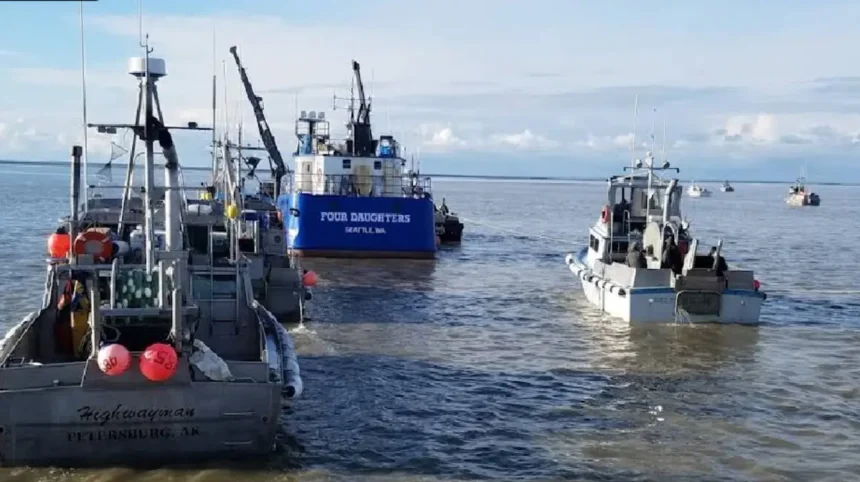
Commercial fishing within Alaska’s Bristol Bay generates over two billion dollars in annual economic activity and provides fifteen thousand jobs. The region supplies approximately fifty per cent of the global harvest of wild sockeye salmon, anchoring international seafood trade networks.
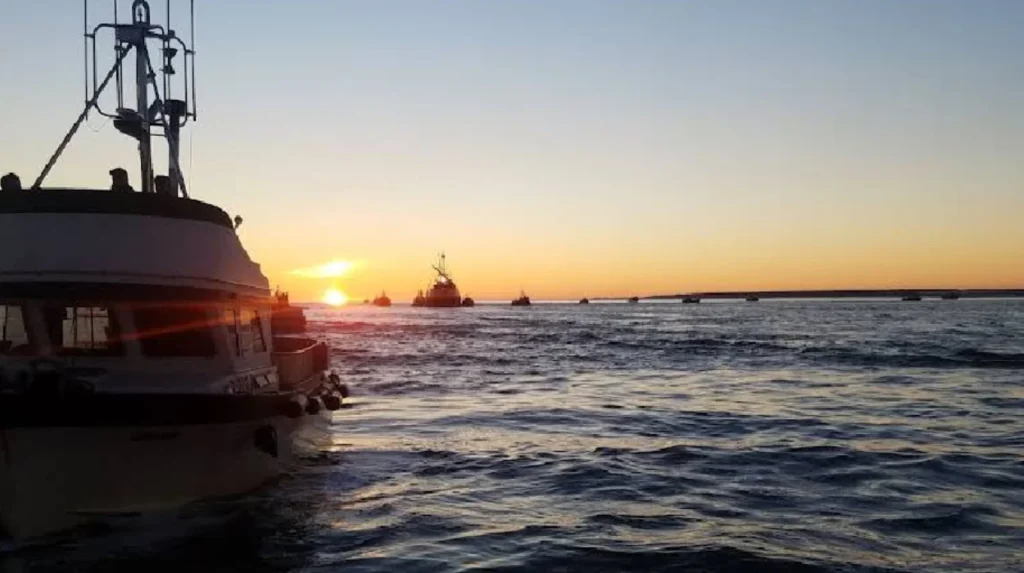
The commercial fishery operates primarily during a compressed four-week period between late June and mid-July every year. Drift gillnetters and set gillnetters constitute the two primary legal gear types utilized by participants within the state-managed fishery sectors. Processing facilities situated in Dillingham, Naknek, and Egegik freeze, canning, and fillet millions of pounds of fish daily for global export.
The financial benefits extend beyond regional borders, creating extensive supply chains that support shipping, marine manufacturing, and retail markets worldwide. Sport fishing tourism generates an additional hundred million dollars annually, drawing international anglers to world-class remote wilderness lodges. Visitors target trophy rainbow trout, arctic char, and king salmon, utilizing local guiding services and air air-taxi operations. This multi-layered economic structure demonstrates how a fully intact ecosystem provides sustainable, long-term financial returns without depleting finite natural resources.
How Do Indigenous Communities Rely on the Bristol Bay Ecosystem for Subsistence?
Central Yup’ik, Alutiiq, and Dena’ina Athabascan peoples have inhabited Alaska’s Bristol Bay region for over ten thousand years, relying on salmon. The annual harvest provides physical nutrition, maintains cultural traditions, and forms the foundation of non-monetary tribal trade economies.
The practice of subsistence harvesting involves entire multi-generational families working together at traditional fish camps established along regional river banks. Families harvest salmon using beach seines, dip nets, and specialized gillnets before processing the fish for winter storage. The preservation methods include wind-drying, cold-smoking, salting, and canning within specialized outdoor structures designed to protect food supplies.
This harvest yields up to several hundred pounds of nutrient-dense food per capita annually, reducing reliance on expensive imported groceries. Beyond food security, the salmon lifecycle forms the core of indigenous spiritual beliefs, oral histories, and community celebrations. The distribution of caught fish follows strict tribal kinship protocols, ensuring elders and vulnerable community members receive adequate nourishment. This deep relationship between humans and wild salmon highlights why preserving the watershed is essential for cultural survival.
What Environmental Threats Highlight the Controversy Surrounding the Pebble Mine Project?
The proposed Pebble Mine project represents a massive open-pit copper, gold, and molybdenum mine located in the Bristol Bay headwaters. Environmental scientists and local stakeholders state the mining infrastructure risks catastrophic toxic contamination of crucial salmon habitats.
The deposit sits directly at the headwaters of the pristine Koktuli River and Upper Talarik Creek, which feed the Kvichak and Nushagak rivers. The construction plan requires massive earthen dams to contain billions of tons of toxic mine tailings and treated wastewater indefinitely. Acid mine drainage occurs when sulphide-bearing minerals are exposed to air and water, creating sulfuric acid that leaches heavy metals. Even trace amounts of copper disrupt the olfactory navigation systems of migrating salmon, preventing them from finding spawning grounds.
The regional seismic vulnerability increases the long-term risk of structural dam failures, which would smother downstream spawning gravels. Environmental protection campaigns mobilized global coalitions of commercial fishermen, indigenous tribes, and conservation organizations to oppose the industrial development. This protracted conflict demonstrates the fundamental incompatibility between large-scale extractive mining and the preservation of delicate, globally significant aquatic ecosystems.
What Legal and Regulatory Measures Provide Environmental Protection for the Watershed?
The United States Environmental Protection Agency issued a Final Determination in 2023 utilizing Section 404(c) of the Clean Water Act. This rare regulatory action effectively prohibits the disposal of mining waste within defined areas of the Bristol Bay watershed.

The federal clean water restriction focuses specifically on preventing the discharge of dredged or fill material associated with developing the Pebble deposit. The agency determined that such industrial discharges would cause unacceptable, irreversible adverse effects on regional fishery areas. The state of Alaska manages the salmon returns using a strict emergency order system overseen by the Alaska Department of Fish and Game. Biologists count escaping fish using specialized sonar systems and elevated counting towers placed along primary river channels before opening commercial fishing periods. This management ensures that enough salmon reach upstream spawning grounds to sustain future generations before commercial harvesting begins. Federal protections like national parks, including Katmai National Park and Preserve and Aniakchak National Monument, safeguard adjacent land areas. These multi-tiered regulatory frameworks work together to insulate the delicate watershed from destructive land use changes.
What Is the Future Outlook for Alaska’s Bristol Bay Amid Global Climate Change?
Climate change presents evolving challenges to Alaska’s Bristol Bay through warming water temperatures, altered winter precipitation patterns, and shifting ocean acidification profiles. Ongoing scientific monitoring remains crucial to understanding how these environmental variables affect future wild salmon survival.
Rising temperatures in freshwater lakes accelerate the growth rates of juvenile sockeye salmon, allowing them to migrate to sea sooner. However, warmer ocean temperatures in the Bering Sea alter marine food webs, increasing competition with other pelagic fish species. Increased frequency of extreme winter weather events leads to rapid snowmelt, causing flash floods that scour riverbeds and destroy developing salmon eggs. Ocean acidification threatens the abundance of pteropods, which are tiny marine snails that serve as a primary food source for salmon. Scientists from the University of Washington Fisheries Research Institute track these shifting variables to adapt regional fishery management strategies. The continued complete structural integrity of the Bristol Bay rivers gives these wild populations the best chance to adapt. Protecting this ecological stronghold ensures that the planet retains its premier example of a fully functioning, wild salmon ecosystem.
FAQs About Alaska’s Bristol Bay
What is the current status of the Pebble Mine project in Bristol Bay?
The United States Environmental Protection Agency issued a Final Determination in 2023 under Section 404(c) of the Clean Water Act, which effectively blocked the Pebble Mine project by prohibiting the disposal of mining waste in the watershed. While the project is legally halted, conservation groups continue to advocate for permanent legislative protections to prevent future mining companies from challenging the ruling or filing new claims.
Why is Bristol Bay salmon considered more sustainable than farmed salmon?
Bristol Bay salmon are completely wild and harvest management follows a strict escape-based system monitored by the Alaska Department of Fish and Game to prevent overfishing. Unlike farmed salmon, they grow naturally in pristine, unpolluted ecosystems without the use of artificial antibiotics, synthetic dyes, or crowded pens, making them a premier choice for environmentally conscious consumers.
How can tourists visit Bristol Bay, and what are the top activities?
Visitors typically access the remote Bristol Bay region by flying into hubs like Dillingham or King Salmon via commercial flights from Anchorage. The top activities include world-class catch-and-release sport fishing for rainbow trout, guided multi-species salmon angling, and wilderness wildlife viewing to watch brown bears catch fish at iconic spots like Brooks Falls in Katmai National Park.
How does the portfolio effect protect the salmon populations in Bristol Bay?
The portfolio effect refers to the immense genetic and geographic diversity spread across the hundreds of micro-habitats and distinct river systems feeding into the bay. Because different salmon subpopulations react differently to localized climate changes, a drop in one river’s run is naturally balanced out by a booming run in another, keeping the overall regional ecosystem exceptionally stable.
What role do indigenous communities play in managing Bristol Bay resources?
Indigenous Yup’ik, Alutiiq, and Dena’ina Athabascan peoples act as vital stewards of the land, using traditional ecological knowledge passed down for thousands of years to advocate for watershed protection. Their multi-generational subsistence fish camps rely on sustainable harvesting methods, ensuring that their cultural heritage and food security remain deeply aligned with federal and state conservation policies.