Key Points
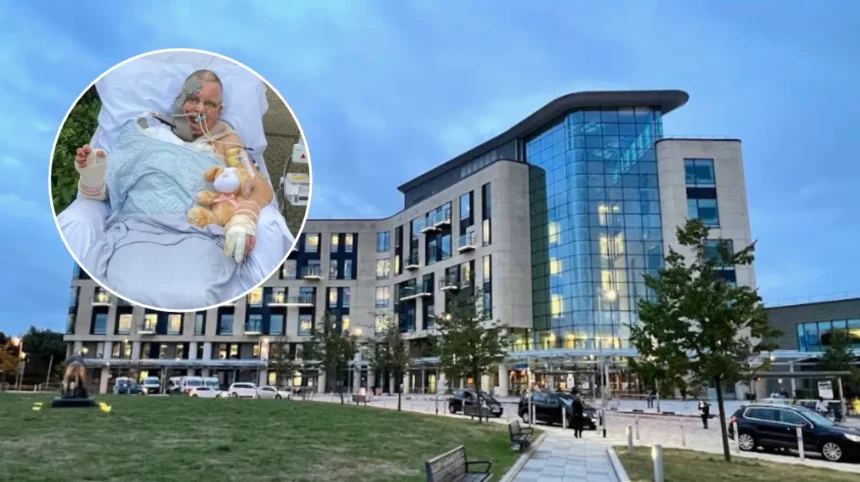
- Maureen Pickles from the area of Almondsbury, which is near Bristol, was severely burned by flash fire after a bonfire accident two years ago.
- Ms Pickles spent ten weeks in hospital, including nine weeks in the burns unit of Southmead Hospital, having undergone multiple skin grafting procedures using the skin from her thighs.
- In another case, an elderly man aged 74 named John from Bristol was severely burned on his face, chest, and arms because of his garden shed exploding after a model airplane caught fire.
- These incidents were captured on the BBC Two documentary series called Emergency 24/7, where the work of the adult Major Trauma Centre of the hospital was highlighted.
- According to the burns consultant Chris Wearn, there are still many burn patients treated in hospital despite constant prevention campaigns, as the correct first aid procedure needs to be conducted.
Almondsbury, Bristol (Bristol Express News) October 21, 2026 – A woman who sustained life-changing flash flame burns from a garden bonfire has revealed she still suffers chronic pain two years after the devastating accident, as medical professionals continue to warn the public about the persistent dangers of backyard fires and domestic explosions.
What happened to Maureen Pickles during the garden bonfire incident?
As reported by Leigh Boobyer and Joe Sims of BBC Radio Bristol, Maureen Pickles, a resident of Almondsbury near Bristol, was alone in her garden building a bonfire when the accident occurred. Pickles stated that she remembers very little of the actual event, apart from being “immediately aware I was on fire.”
Quick-thinking neighbours heard her desperate cries for help and intervened, an action Pickles credits with saving her life. “Without them [the neighbours] I probably wouldn’t be here,” Pickles told BBC Radio Bristol. Following the emergency response, she woke up in Southmead Hospital under the care of burns consultant Chris Wearn.
Pickles endured a 10-week hospital stay, spending nine of those weeks in the specialist burns unit. Describing the extensive medical intervention required, she explained,
“All the skin from my thighs was transferred to the rest of me. My chest, back, arms, face and my hands were all burnt.”
Reflecting on her ongoing recovery, she warned,
“It’s quite painful; not to be recommended. I’d say to anyone thinking about any kind of fuel to do a garden bonfire, please don’t do it. Your burn injury is there for life; your scar is there for life. Sometimes the pain too.”
How did John survive a severe garden shed explosion in Bristol?
Alongside Pickles, the medical staff and trauma patients were featured on the six-part BBC Two documentary series Emergency 24/7, which showcases the daily pressures and expert teamwork within the adult Major Trauma Centre at Southmead Hospital. Another patient featured on the programme was a 74-year-old Bristol man named John, who suffered catastrophic burns after his garden shed exploded roughly 10 feet away from him when his model aeroplane erupted into flames.
John sustained severe injuries to his face, chest, and arms. Describing the terrifying moment, John said, “It was the shock of it, red hot air.” He characterized the pain in his scalp as sitting at a “3/10” on the pain scale, comparing the sensation to “stinging nettles.”
Medical experts calculated that John’s initial risk of mortality stood at one in three due to the severity of his trauma. He underwent emergency surgery to maintain vital blood circulation.
“It was serious business. I knew I was pretty sick,”
John recalled. After several weeks of inpatient recovery, he was discharged to receive ongoing scar management care from community nurses at home.
Explore more Bristol Fire News:
Major Industrial Fire and Explosions Hit Emery Road, Brislington 2026
Fire Crews Tackle Spencer House Tower Block Blaze in Redcliffe 2026
What are the medical insights and official safety advice regarding burn injuries?
Discussing the frequency of such trauma cases, burns consultant Chris Wearn told BBC Radio Bristol that medical teams continue to treat a high volume of burn injuries despite extensive public awareness and prevention campaigns. “You focus on the job in hand, and the patient in front of you,” Wearn said. “[You’re] very clinical about it; you’re focused on getting the best outcome for the patient and their family.” He added that scalds caused by hot liquids remain the most common type of burn injury encountered by the unit.
To help mitigate the severity of burns before professional medical help arrives, Wearn outlined essential first aid guidelines:
- Cool the burn immediately with running water (tepid water is suitable) for 15 to 20 minutes.
- For smaller burns, contact NHS 111 for professional guidance.
- For larger or more severe burns, dial 999 immediately for an ambulance.
- Cover the burn loosely with a fresh piece of cling film, or non-sticky, non-fluffy dressings if available, to protect the area until clinical treatment can be administered.
Background of the particular development
This news report emerges from the broader public visibility brought by the BBC Two documentary series Emergency 24/7, which provides an unvarnished look into the operations of Southmead Hospital’s adult Major Trauma Centre in Bristol. The facility serves as a vital regional unit managing complex trauma cases, ranging from domestic accidents like garden bonfires and shed explosions to major road traffic incidents. The recurrence of severe, preventable domestic burns—despite ongoing public safety messaging from NHS trusts and fire services—remains a central challenge for emergency healthcare providers across the United Kingdom, prompting medical professionals to continually reinforce basic first aid and fire safety awareness.
This development and the widespread media coverage via BBC Radio Bristol and television documentary programming are expected to heighten public consciousness regarding domestic fire safety, particularly concerning garden bonfires and shed equipment handling as seasonal weather shifts. For the local community in Bristol, South Gloucestershire, and the wider UK audience, increased awareness may lead to a reduction in preventable domestic burn injuries and prompt higher adherence to safe burning practices and immediate first aid protocols. Conversely, it underscores the ongoing operational pressures faced by National Health Service major trauma and specialist burns units as they continue to treat complex, long-term trauma cases requiring months of multidisciplinary medical care.