Key Points
- Outrage from the Community: There were more than 800 signatories who called for immediate water safety testing and answers about water contamination at Bristol’s Brislington Brook.
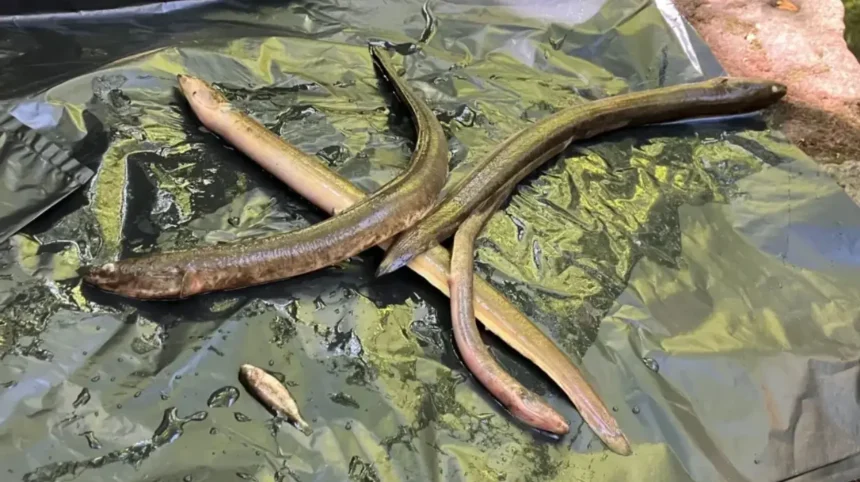
- Impact on the Ecology: Many dead eels, fish, and even one dead bird were reported after a chemical spillage that occurred in September.
- Fire Hazard: The water contamination occurred after the intervention of the emergency services to put out an arson attack at an industrial complex along Emery Road.
- Contaminants in the Water: The Environment Agency revealed that there was firefighting foam, water, and contaminants left behind by an old galvanizing plant in the water run-off.
- Community Pressure: Residents are requesting Bristol City Council to appoint an environmental health official to test water and prepare a habitat restoration plan.
Bristol (Bristol Express News) November 3, 2026 — Hundreds of local residents and campaigners have rallied together, signing a major petition to demand urgent water safety checks and accountability following a devastating ecological pollution event in a South Bristol brook.
Why Are Hundreds Of Petitioners Calling For Water Safety Checks In Brislington Brook?
As reported by Alex Seabrook, local democracy reporter for Bristol Post, more than 800 people have signed a petition calling for rigorous water safety checks in Bristol’s Brislington Brook after dozens of eels were discovered dead. The environmental catastrophe was triggered when emergency services tackled a suspected arson attack at an industrial estate on Emery Road back in September. During efforts to dampen the large blaze, firefighters’ water run-off polluted the nearby watercourse, leaving the stream with a concerning foamy appearance and foul smell noted by local volunteers the following day.
What Did The Environment Agency And Fire Service Reveal About The Pollution?
As reported by Alex Seabrook of Bristol Post, Avon Fire & Rescue Service initially denied any direct link between the Emery Road blaze and the subsequent pollution found in the brook. However, the Environment Agency later confirmed that the wildlife deaths were indeed tied to firewater run-off entering the brook and spreading downstream.
Detailing the nature of the contamination, Alex Seabrook of Bristol Post noted that the Environment Agency described the firewater run-off as a hazardous mix of water, foam, and various legacy chemicals and metals left behind inside a former galvanising factory that had stood empty for years. The Environment Agency added that a single definitive cause could not be pinpointed due to the “complexity of the incident and the range of substances involved”.
In response to initial queries, the fire service stated that crews took active steps to “prevent contaminants from spreading”, which included blocking drains and containing run-off wherever possible, while explicitly denying that they used firefighting foam. The major operation had involved 16 crews to fight the fire at the vacant building, alongside local resident evacuations.
What Actions Are Local Campaigners And Resident Groups Demanding Next?
As reported by Alex Seabrook of Bristol Post, local groups such as Friends of Brislington Brook are intensifying pressure on local authorities to ensure public health and environmental recovery. The group is actively calling on Bristol City Council to send an environmental health officer to collect water samples from the brook. Such testing would accurately determine whether the water is safe for children and family dogs to paddle in, as well as aid in drafting a brand-new restoration plan for local wildlife habitats.
Emphasising the urgency of the situation, Ms Friel of the Friends group stated:
“By taking these vital steps, Bristol City Council can demonstrate their commitment to environmental stewardship and public health, and most importantly, it can help bring our beloved brook back to life. It is time for accountability and action to ensure that another catastrophic event like this does not happen again.”
Explore More Brislington News
Brislington Retail Park Removed From Low-Traffic Plans in Bristol 2026
The Lodekka Pub Closes For Major Refurbishment In Bristol 2026
Background Of The Particular Development
The recent petition and calls for safety checks stem from a growing national and local focus on urban waterway health and industrial disaster management. Brislington Brook is an essential local ecological corridor in South Bristol, serving as a habitat for diverse urban wildlife, including European eels. Incidents involving industrial fires—particularly those occurring in ageing, long-abandoned commercial or industrial units containing legacy chemical residues—frequently pose severe risks to adjacent aquatic ecosystems.
When large volumes of water are deployed during emergency firefighting operations, the resulting run-off can overwhelm standard drainage containment systems, washing hazardous chemical compounds, heavy metals, and residual foams directly into local streams. This latest incident has reignited long-standing debates regarding how local councils, emergency services, and environmental agencies coordinate to mitigate secondary ecological damage during major urban fires.
This developing local advocacy effort is likely to increase pressure on Bristol City Council and the Environment Agency to formalise rapid-response protocols for industrial fire run-offs, setting a precedent for tighter multi-agency cooperation. For the local community, residents, and pet owners in South Bristol, the prompt release of transparent water safety testing data will be crucial in restoring public trust and ensuring safe recreational use of local green spaces. Furthermore, pressure from the 800-strong petition could accelerate long-term habitat rehabilitation programmes for Brislington Brook, compelling regional authorities to invest more heavily in urban stream monitoring and protection against industrial pollution hazards.