Key Points
- Bristol, Tennessee City Council unanimously approved rezoning more than 150 acres (specifically 153 acres) on the 1800 block of King College Road for residential development
- The rezoning could bring between 375 and 475 new homes, including a mix of single-family homes and duplexes
- The property is owned by Audrey Zaidi and was approved on second and final reading by council
- Mayor Turner stated the project could take approximately five years before construction begins, with a five-year build-out period resulting in roughly six years total
- The Planning Commission approved the proposal in March 2026, describing it as step one of a 10-12 step process
- Multiple Bristol residents spoke out against the request, citing concerns about traffic increases on two-lane roads and geological issues
- Resident David Winship told council: “This is a neighborhood” expressing opposition
- One resident calculated that 475 homes would generate approximately 950 additional cars daily accessing King College Road multiple times per day
- Jerome Malinay of Ardent Development Group detailed the timeline, noting at least one year before construction starts
- The city council voted unanimously to pass the resolution allowing multiple studies including infrastructure and traffic assessments
- If approved, the rezoning becomes effective 17 days after the vote
- Jerome Malinay stated: “It will be at least a year. It would probably be at least a year from now before any construction would start and this is at least a five-year build out for a project this size. So you’re talking about six years”
Bristol Council (Bristol Express News) June 6, 2025 – Bristol, Tennessee City Council has unanimously approved a controversial rezoning request that could transform more than 150 acres of land on King College Road into a massive residential development bringing hundreds of new homes to the neighborhood.
- Key Points
- What Exactly Did Bristol Council Vote to Approve on King College Road?
- How Many New Homes Could This Development Bring to the Neighborhood?
- What Timeline Has Been Established for This Residential Development?
- Why Do Some Residents Oppose This Rezoning Request?
- What Studies Will Be Conducted Before Construction Begins?
- How Does This Rezoning Compare to Current Zoning Restrictions?
- Background of the King College Road Rezoning Development
- Prediction: How This Development Will affect Bristol Residents and the Community
What Exactly Did Bristol Council Vote to Approve on King College Road?
The Bristol Tennessee City Council cast a unanimous vote in favor of rezoning 153 acres situated on the 1800 block of King College Road for a prospective residential project, as reported by WJHL. The resolution permits a series of studies, including assessments of infrastructure and traffic—issues that have raised significant concerns among local residents who attended the council meeting.
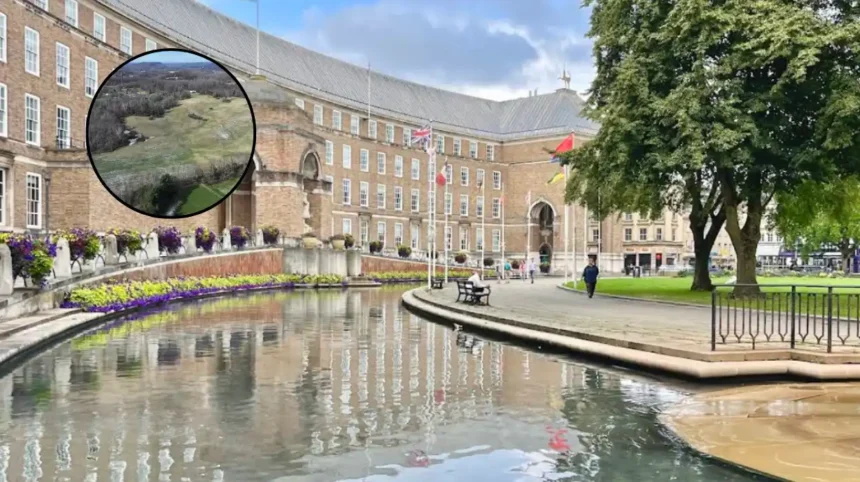
As reported by WCYB, the proposal would bring a mix of single-family homes and duplexes to the neighborhood, with the Planning Commission having previously approved the proposal to rezone the property to a planned residential district that could bring between 375 and 475 new homes. The property, shown in file photos from March, is approximately 133 acres owned by Audrey Zaidi that was approved by council on second and final reading to rezone.
How Many New Homes Could This Development Bring to the Neighborhood?
The development could bring hundreds of different new homes to the area, with specific estimates ranging between 375 and 475 new residences according to the Planning Commission’s approval. As reported by Electric 94.9, the City Council unanimously approved rezoning more than 150 acres off King College Road, focusing on the 1800 block, which could bring hundreds of different new homes to the neighborhood.
Jerome Malinay, with Ardent Development Group who made the rezoning request, detailed that this represents a massive increase in housing density. As reported by WCYB, the proposed rezoning would increase the allowable housing units on the site by 14 times, from 17 houses allowed under current zoning to 247 units.
What Timeline Has Been Established for This Residential Development?
The mayor says the plan is progressing, but it could still be several years before work gets underway—maybe as many as five years, according to Mayor Turner as reported by Electric 94.9.
“You’re looking at 5 years down the road, so you’re looking at some time,”
Mayor Turner said.
“There are still a lot of pieces and parts that still have to be put together for it to actually come to fruition.”
Jerome Malinay of Ardent Development Group provided a more detailed timeline explanation. As reported by WCYB, Malinay stated:
“It will be at least a year. It would probably be at least a year from now before any construction would start and this is at least a five-year build out for a project this size. So you’re talking about six years.”
The Planning Commission approved the proposal in March 2026, describing it as step one of a 10 or 12-step process. The project then went to city council on first reading on April 7, followed by a second reading and public comment on May 5, as reported by WCYB.
Why Do Some Residents Oppose This Rezoning Request?
Multiple Bristol residents spoke out against the request, citing geological issues and a massive increase in traffic on the two-lane roadways in the area, according to SuperTalk 92.9. The controversy has generated significant community opposition with close to 100 people attending the Planning Commission meeting, with many speaking their minds about the request as reported by WCYB.
One resident expressed specific traffic concerns, calculating that
“If everybody does have access to King College Road, if he builds 475 homes, we’re talking about 950 more cars every day wanting to access that road multiple times a day,”
as reported by WCYB. Another resident added,
“It’s in my backyard. We’re going to have hundreds of cars going by all the time. So, I look at that as a quality of life issue.”
David Winship told the city council, “This is a neighborhood,” expressing his opposition to the large-scale development, according to WJHL. The city council unanimously voted to pass the current resolution, which allows multiple studies to be done, such as infrastructure and traffic assessments, addressing some of these resident concerns.
Explore More Bristol Council News
Bristol Cuts Waste Collection Fees to Stop Fly-Tipping, Bristol Council 2026
£21m Road Repairs Planned for Potholes and Bridges, Bristol Council 2026
What Studies Will Be Conducted Before Construction Begins?
The city council cast a unanimous vote in favor of the current resolution, which permits a series of studies, including assessments of infrastructure and traffic, as reported by WJHL. These studies will address the concerns raised by local residents about the potential impact of hundreds of new homes on the existing two-lane road infrastructure.
A second vote on the request will be held during the council’s May 5 meeting, and should it receive approval, the rezoning will become effective 17 days after the vote, according to WJHL. The comprehensive studies will help determine whether the infrastructure can support the dramatic increase in housing density.
How Does This Rezoning Compare to Current Zoning Restrictions?
The proposed rezoning would represent a dramatic transformation of the land’s development potential. As reported by Facebook News 5 WCYB, the proposed rezoning would increase the allowable housing units on the site by 14 times, from 17 houses allowed under current zoning to significantly more units.
This represents one of the most substantial residential development proposals in the Bristol area, focusing specifically on the 1800 block of King College Road. The current zoning allows for minimal residential development, while the planned residential district designation would permit the construction of hundreds of new homes.
Background of the King College Road Rezoning Development
The rezoning request originated with Ardent Development Group, with Jerome Malinay representing the company as the entity making the rezoning request. The property in question is approximately 133-153 acres owned by Audrey Zaidi, located on the 1800 block of King College Road in Bristol, Tennessee.
The development process began when the Bristol, Tennessee Planning Commission approved the proposal in March 2026 to rezone the property from its current designation to a planned residential district. Every planning commission member in attendance voted in favor of the request, which was described as step one of a 10 or 12-step process, according to WCYB.
The Planning Commission meeting held on March 23, 2026, attracted close to 100 attendees, demonstrating significant community interest in the project. Following the Planning Commission approval, the proposal advanced to city council for first reading on April 7, 2026, and then to second reading with public comment on May 5, 2026.
The city council’s Tuesday evening vote on first reading cleared the controversial rezoning request’s first hurdle, with the council unanimously approving the measure. A second vote was scheduled for the council’s May 5 meeting, where the measure received approval on second and final reading.
Prediction: How This Development Will affect Bristol Residents and the Community
This rezoning decision will significantly affect Bristol residents in several measurable ways. The addition of 375 to 475 new homes will substantially increase the local population, potentially affecting school capacity, local services, and community infrastructure.
Residents living near King College Road will experience increased traffic volume. As calculated by one concerned resident, the 475 homes could generate approximately 950 additional cars daily accessing the road multiple times per day, which will likely impact commute times, road safety, and noise levels for existing neighbors.
The quality of life for current residents in the neighborhood will change as hundreds of cars begin going by their properties all the time, which one resident described as a “quality of life issue.” This transformation from a low-density area allowing only 17 houses to a high-density residential development with nearly 500 homes represents a fundamental change in the neighborhood character.
The five-to-six year timeline before full completion means residents will have time to prepare for these changes, but the gradual construction over the five-year build-out period will create ongoing disruption during construction phases.
Local infrastructure will need to adapt to support the increased population. The infrastructure and traffic studies mandated by the council’s resolution will determine whether current roads, utilities, and services can handle the 14-fold increase in housing density, or whether significant upgrades will be required.
The development could also affect property values in the surrounding area, with both potential increases due to neighborhood development and potential decreases due to increased density and traffic concerns. Current homeowners may see their property values fluctuate based on how the community responds to these changes over the coming years.