Key Points
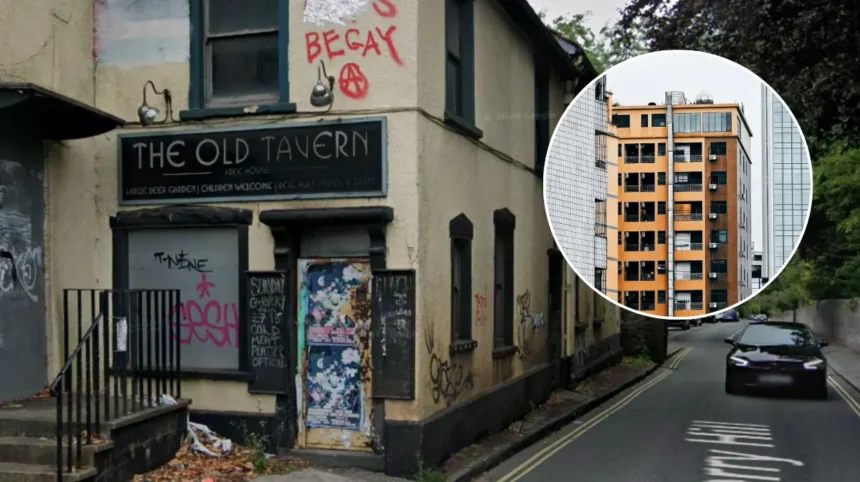
- Shawbrook has provided £3.1m of development finance towards the re-purposing of a former Bristol pub into a PBSA scheme with 33 beds.
- This 16-month facility assists with the re-purposing of The Old Tavern in Stapleton, which comprises a combination of a Grade II listed building refurbishment and a two-story new build.
- This scheme will include the combination of both cluster flats and studio flats with ensuite bedrooms.
- The total GDV of this development will be approximately £4.6m.
- Mike Page from Page Property Finance introduced this opportunity to Shawbrook as their specialist skill-set with listed buildings suited the particular transaction well.
- Greg Pescott, Relationship Director at Shawbrook’s Development Finance, was of the opinion that this development is successful in both regenerating a historical building and adding student accommodation.
Bristol (Bristol Express News) October 08, 2026 — A former historic pub in Bristol has been successfully transformed into a modern residential asset for students, supported by a significant financial injection from a specialized lending institution.
How Was The Old Tavern Redeveloped Into Purpose-Built Student Accommodation?
The funding arrangement, totaling £3.1m in development finance provided by Shawbrook, has driven the transformation of The Old Tavern located in Stapleton toward final completion within a 16-month timeframe. As detailed by PropertyWire, the scheme cleverly blends the conversion and extension of a legally protected heritage asset with an entirely new two-storey building constructed directly within the grounds.
Upon full completion, the scheme will offer a diverse mix of cluster flats and studio apartments. These individual units feature modern ensuite bedrooms, complemented by communal social spaces and dedicated amenity areas designed to meet contemporary student living standards. The entire project commands an estimated gross development value of approximately £4.6m.
Why Did The Project Require Specialist Financing Structures?
Because the venture involves a protected structure, managing the development presented unique regulatory and physical hurdles. PropertyWire noted that the property’s listed status, alongside complex planning conditions and unique construction parameters, meant the developer required a sophisticated financial partner capable of navigating intricate requirements.
As reported by Mike Page, director at Page Property Finance, the broker introduced the developer to Shawbrook because both organizations were already well-acquainted with the lender’s specialized PBSA lending track record throughout Bristol.
Mike Page stated that
“the client needed a lender that understood the PBSA market and could get comfortable with the additional considerations that come with a listed building development.”
Explore more Local Bristol News:
Bristol Council Slated Over Vulnerable Child Education Failure Bristol 2026
Bristol Charities Warns Families Face Hard Winter In Bristol 2026
What Is The Impact On The Local Bristol Student Accommodation Market?
The regeneration project arrives at a strategic juncture for the city’s housing landscape. PropertyWire highlighted that property professionals across the United Kingdom are increasingly throwing their weight behind modern transparency reforms aimed at streamlining the residential property sector.
Furthermore, this development highlights a wider, growing industry trend focused on breathing new life into heritage and historic structures by converting them into modern student residences. This niche requires customized financing frameworks that differ significantly from standard residential property development loans.
Offering perspective on the wider regional market impact, Greg Pescott, relationship director for development finance at Shawbrook, pointed out the dual benefit of the scheme.
As reported by Greg Pescott of Shawbrook, he noted that the scheme brings a historic Bristol property back into use while delivering new student accommodation, adding that “the combination of the listed building and new-build elements makes this a particularly interesting project.”
The structured facility was meticulously tailored to match the project’s delivery milestones, ensuring the development remains on track for completion well within the original 16-month financial facility window.
Background of the Development
The transformation of The Old Tavern in Stapleton reflects a broader structural evolution within the United Kingdom’s urban real estate and student housing sectors. In recent years, cities with major higher education institutions—such as Bristol—have faced intense supply-and-demand imbalances for student beds, driven by rising enrollment numbers and a contraction in traditional private landlord rentals. Concurrently, high street shifts, changing hospitality habits, and economic pressures have left numerous traditional public houses and commercial heritage assets vacant or financially unviable as pubs.
Converting these historic buildings into purpose-built student accommodation addresses two urban challenges simultaneously: it revitalizes neglected local architectural landmarks that might otherwise fall into dereliction, and it injects much-needed high-density residential stock into urban areas without requiring greenfield expansion. However, these heritage conversions demand meticulous architectural sensitivity, strict adherence to historic preservation guidelines, and flexible, experienced development finance providers who understand the delayed cash flows and intricate regulatory approvals inherent in listed building renovations.
This successful development financing model and its impending completion are poised to directly influence local property developers, real estate investors, and prospective student renters in the Bristol area. For regional developers, the seamless execution of The Old Tavern project serves as a practical blueprint for tackling complex heritage conversions, proving that historic preservation can be successfully paired with modern commercial viability through specialized lenders like Shawbrook and advisory firms like Page Property Finance.
For the student demographic, the addition of 33 modern ensuite rooms and studios helps alleviate localized supply pressures in Bristol’s competitive housing market, offering higher-standard living options. Looking forward, this trend is likely to accelerate further as property professionals increasingly champion regulatory transparency reforms. This may encourage more lenders to back heritage-to-PBSA conversions, ultimately transforming more vacant community pubs into sustainable urban residential hubs across the UK.