Key Points
- The retail industry in Bristol is divided into two – the city-center shopping mall Cabot Circus and the out-of-town retail development Mall at Cribbs Causeway.
- The demolition and redeveloppment plans for The Galleries in Broadmead are hastening structural changes within the central shopping area.
- Large-scale retail companies must choose whether to adopt the regional concentration strategy or the dual location strategy.
- High streets in Bristol are responding to new customer footfall, increasing costs, and changes in buying behavior.
- Regional commercial property strategies illustrate national dilemmas between suburbia and city living.
Bristol (Bristol Express News) September 5, 2026 – The retail landscape across Bristol is undergoing a significant transformation as commercial operators, local authorities, and real estate planners evaluate the long-term viability of the city’s primary shopping hubs. For over two decades, the market has been divided between the city centre’s open-air flagship venue, Cabot Circus, and the out-of-town commercial hub, The Mall at Cribbs Causeway. As macroeconomic pressures, evolving consumer habits, and structural redevelopments alter high streets across the United Kingdom, Questions remain over whether Bristol can continue to sustain two distinct major shopping destinations or if brand concentration will force a shift toward a single dominant location.
The central retail zone is currently facing immediate structural change. The planned closure and subsequent demolition of The Galleries shopping center in Broadmead marks the end of a retail era that began in the early 1990s. The site is scheduled for dynamic mixed-use redevelopment featuring residential units, student accommodation, office space, and downsized retail capacity. This shift away from traditional enclosed mall space highlights the ongoing migration of retail capital toward open-air destinations or out-of-town retail parks that offer lower overhead costs and easier transport access for motor vehicles.
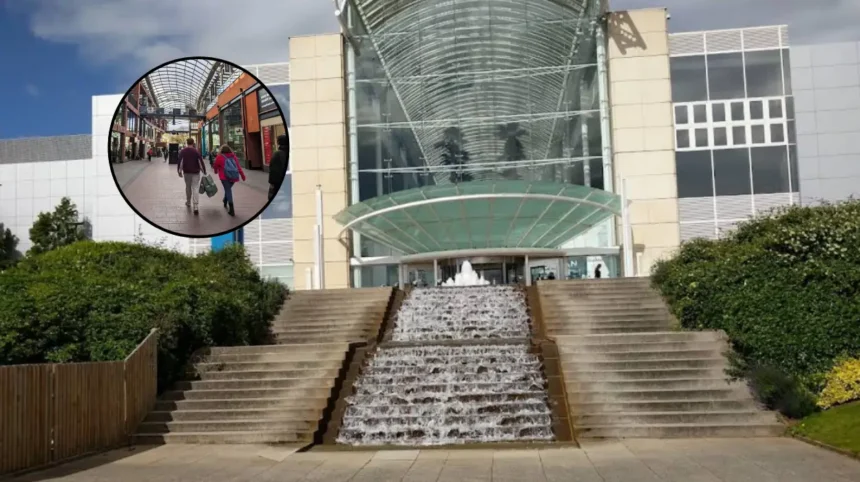
Meanwhile, Cabot Circus has had to continuously adapt its tenant mix to remain viable. Open-air design and high-footfall cultural events have helped the site weather national retail headwinds better than older enclosed spaces, but vacant units and shifting anchor tenants illustrate the challenges of maintaining large-scale urban retail environments. Across the boundary in South Gloucestershire, Cribbs Causeway continues to leverage free parking, large unit footprints, and direct access to the M5 motorway to attract regional shoppers who prioritize vehicle access over public transit connections into the city centre.
Could brands help high streets by sticking to one location?
The commercial debate increasingly centers on whether major retail brands should maintain dual-location strategies in regional city markets. For decades, global fashion houses, department stores, and technology retailers routinely operated units in both central business districts and suburban retail complexes. However, rising operational costs, higher business rates, and thin profit margins have led corporate strategists to question the necessity of maintaining two branches within a ten-mile radius.
When a retailer consolidates its footprint into a single venue, the surrounding ecosystem experiences immediate secondary effects. Single-location strategies often favor out-of-town sites due to simplified logistics, lower service charges, and predictable customer flow. Conversely, when brands choose to consolidate exclusively within city centres, they help preserve the multi-use urban core, supporting nearby hospitality, culture, and public transport infrastructure.
Retail analysts note that decisions made by major anchor tenants directly influence the viability of smaller independent retailers. High-street footfall depends heavily on the presence of major destination brands. If primary anchor tenants vacate urban centres in favor of suburban complexes, footfall drops, making it increasingly difficult for secondary and tertiary streets to sustain independent commercial trade.
How are shifting consumer habits reshaping local high streets?
The commercial pressure on major centers coincides with significant shifts on local suburban high streets throughout Bristol, including areas such as Gloucester Road, Bedminster’s East Street, and Clifton Village. These shopping corridors have faced a decade of fluctuating tenancy, marked by the decline of traditional banks, independent bakeries, and clothing boutiques, alongside an increase in food-and-drink establishments, health services, and leisure venues.
While out-of-town centers offer standardized corporate retail, neighbourhood high streets rely on local accessibility and community identity. However, these corridors remain vulnerable to broader economic pressures, including rising energy costs, minimum wage adjustments, and business rate burdens. The continuous cycle of closures and rapid openings reflects a retail market moving away from transactional goods toward experiential services.
Urban planning experts argue that the survival of local high streets depends on integrating residential density with flexible commercial zoning. As traditional retail capacity contracts, repurposing redundant shopfronts into housing, community spaces, or remote-work hubs is becoming central to maintaining local economic activity.
What is the background of Bristol’s retail development?
The structural division of Bristol’s retail economy dates back to the late 20th century. Following extensive war damage to the historic core, Broadmead was established in the 1950s as the city’s primary retail zone, culminating in the opening of The Galleries in 1991. However, the approval and opening of The Mall at Cribbs Causeway in 1998 fundamentally altered regional shopping patterns by offering an alternative destination for consumers across Gloucestershire, Wiltshire, and Somerset.
To counteract the drain of commercial activity to the suburban fringe, regional stakeholders backed the development of Cabot Circus, which opened in September 2008. The £500m development aimed to modernize the city center’s commercial offerings and pull regional shoppers back into the urban core. While Cabot Circus succeeded in elevating Bristol’s retail ranking nationally, it simultaneously increased pressure on the older Broadmead precinct.
Over the subsequent decade, the rise of e-commerce, combined with national retail collapses—such as the liquidation of major department store chains—left significant structural vacancies across both central and suburban locations. The current redevelopment plans for The Galleries represent a formal acknowledgment by urban planners that the era of expanding traditional retail footprint has passed, replaced by a strategy focused on mixed-use urban density.
Explore More Local Bristol News
Henbury Family Faces Homelessness Amid Bristol City Council Silence 2026
Easton Cuttlefish Cricket Club Runs Charity Marathon in Bristol 2026
What is the prediction for how these retail shifts will affect consumers, businesses, and local authorities?
The ongoing consolidation between city-centre retail and out-of-town complexes is projected to create distinct outcomes for key stakeholders across the region.
How will consumers be affected?
Shoppers will likely experience a further division in commercial offerings. The city center is expected to transition toward a mix of leisure, entertainment, dining, and premium retail, requiring consumers to travel into the core primarily for experiential outings. Conversely, commodity shopping and bulk retail will continue migrating toward out-of-town sites like Cribbs Causeway. Consumers relying on public transport may face reduced access to destination retail if brands increasingly consolidate into suburban, car-centric locations.
How will businesses and commercial tenants be affected?
Mid-market retail brands will face increasing pressure to choose between single-site regional flagships or entirely digital sales models. Smaller independent businesses in the city center may face reduced footfall if major anchor stores depart, leading to higher turnover rates among independent shops. However, local high streets in residential neighborhoods may benefit if hybrid working patterns encourage consumers to shop locally rather than traveling to major commercial centers.
How will local authorities and urban planners be affected?
Planning authorities, including Bristol City Council and South Gloucestershire Council, will need to adapt to changing commercial property tax bases. Municipal leaders will face mounting pressure to streamline planning approvals for converting redundant retail space into residential housing. Furthermore, transport planners will need to address the challenge of managing car traffic toward suburban retail parks while maintaining public transport connectivity to ensure the city center remains accessible and economically viable.