Key Points
- There is a notable increase in the number of visitors to Cabot Circus, Bristol, thanks to the arrival of big brands and increased leisure and entertainment opportunities.
- The upturn in the atmosphere is refreshing the shopping scene and turning Quakers Friars into a lively center for eating, drinking, shopping, and cultural pursuits.
- Changes in focus on day-time/night-time leisure activities have been beneficial in bringing customers back to the city center after facing difficult economic times in the past.
- This can be seen from the observations of local retail experts and commentators.
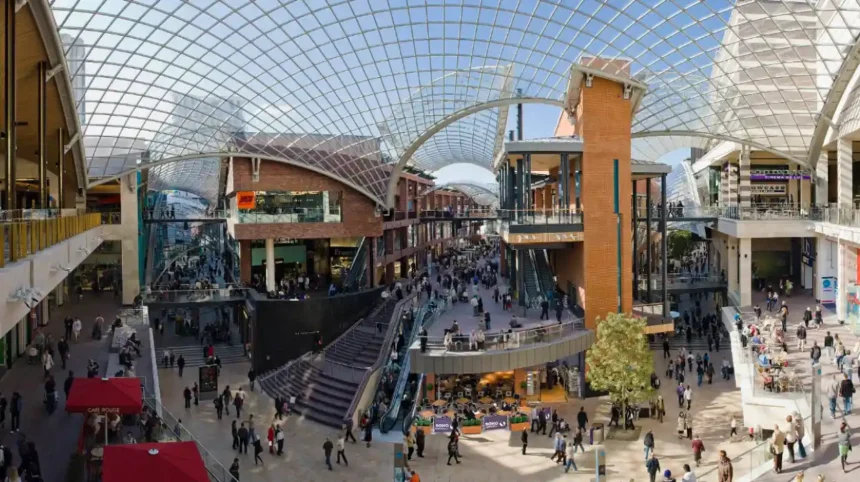
Bristol (Bristol Express News) October 26, 2026 – Cabot Circus Gaining Momentum Could Mark a New Beginning for Bristol Shoppers — Cabot Circus is experiencing a surge in visitor numbers and retail interest, fueled by high-profile brand arrivals and expanding leisure experiences. This positive momentum signals a potential turning point for urban shopping and entertainment in the heart of Bristol.
Key Points Driving the Retail Surge
As reported by staff writers of the Bristol Post, the arrival of major high street names alongside diverse leisure venues has created a positive impact on footfall across Cabot Circus. Retail analysts and destination managers have highlighted that modern consumers increasingly seek experiential visits, blending traditional shopping with food, drink, and entertainment options.
Quakers Friars is slated for significant transformation under exciting new plans. As detailed by the Bristol Post, the vision includes developing a robust food and drink offer capable of sustaining activity from daytime well into the evening, providing visitors with a rounded urban experience.
How Are Leisure Operators Reshaping the City Centre?
The inclusion of immersive attractions and diverse culinary spots has redefined what consumers expect from a central shopping destination. Commentators note that high streets across the UK have had to adapt following shifts in consumer habits, making diversification into leisure a vital strategy for survival and growth.
As noted by retail experts in the Bristol Post coverage, combining standard retail with unique social and cultural spaces helps insulate shopping centres against online retail dominance by offering experiences that cannot be replicated digitally.
Explore more City Centre News
Bristol Road Closed As Bomb Squad Called to Assess ”Suspicious” Item
San Carlo Bristol Celebrates 30th Birthday With 1996 Menu in Bristol 2026
Background of the Particular Development
Cabot Circus opened its doors as a major flagship retail and lifestyle destination in the heart of Bristol, designed to anchor regional commerce and modernise the city’s shopping infrastructure. Over the years, urban retail centres nationwide faced severe economic headwinds, including shifting consumer spending patterns, the rapid rise of e-commerce, and broader macroeconomic pressures.
In response to these challenges, destination managers and urban planners pivoted towards mixed-use models. Rather than relying solely on apparel and traditional retail, developments like Cabot Circus integrated extensive dining, entertainment, and cultural spaces to create multi-dimensional hubs that attract visitors throughout the week and into the evening hours.
How This Development Can Affect Bristol Shoppers and Local Retailers
This ongoing retail and leisure momentum is set to significantly benefit Bristol shoppers by offering a more vibrant, dynamic, and diverse urban environment close to home. For local consumers, the revitalisation means fewer vacant units, a wider variety of dining and entertainment choices, and a safer, more active city centre that bridges daytime errands with evening socializing.
For local businesses and independent traders surrounding the core development, increased footfall can translate into stronger local economic activity and broader consumer reach. However, it may also heighten competition for retail space and place pressure on local infrastructure and transport links, requiring ongoing coordination between city planners, transport authorities, and commercial operators to ensure sustainable growth for the wider Bristol community.