Key Points
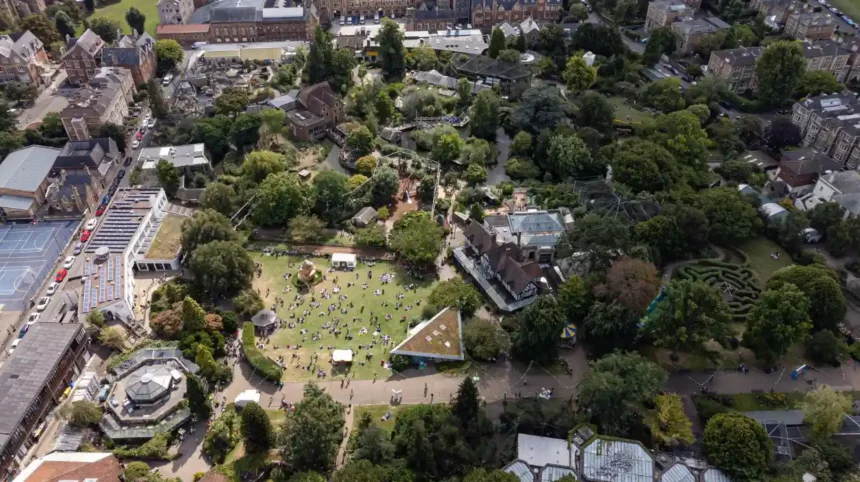
- The historic Bristol Zoo grounds located in Clifton continue to be caught in a limbo state nearly four years since its official closing to the public in September 2022.
- The last set of animals to inhabit the grounds in Clifton, which included a group of western lowland gorillas, have been successfully transferred to the new Bristol Zoo Project site near Cribbs Causeway.
- The controversial redevelopment plan of the historic gardens to convert them into 196 homes, mostly perimeters of residential apartments, continues to face significant criticism, legal battles, and protest from local residents.
- Local conservationists, together with other activists within the Save Bristol Gardens Alliance, believe that the overall plan of the Bristol Zoological Society is coming apart at the seams.
- However, representatives from the society and potential developers are confident that the project is moving ahead according to schedule.
Bristol (Bristol Express News) November 9, 2026 — Nearly four years after shutting its heavy iron gates to the public for the final time, the historic Bristol Zoo site in Clifton remains caught in protracted planning delays, leaving its future development status entirely unresolved. As reported by Tristan Cork, Chief Reporter of Bristol Post, the multi-million-pound transition and subsequent housing redevelopment saga continues to spark fierce debate across the city as community groups question the timeline and viability of the site’s next chapter.
- Key Points
- What Led to the Closure of the Clifton Zoo Site?
- When Were the Final Animals Moved From Clifton?
- What Are the Controversial Plans for Housing Redevelopment?
- What Do Campaigners and the Bristol Zoological Society Say?
- Background of the Development
- How This Development Can Affect the Local Community
What Led to the Closure of the Clifton Zoo Site?
Opened initially in the 1830s, the world-famous Clifton Zoo Gardens spent close to two centuries as a landmark Bristol institution. However, as reported by Tristan Cork of Bristol Post, increasing modern pressures regarding animal welfare standards, space restrictions, and a long-running local dispute over the use of Clifton Down as an overflow car park put mounting operational strain on the site. These pressures culminated during the Covid-19 pandemic in 2020, prompting the Bristol Zoological Society to announce the permanent closure of the city-centre location. The site officially shut its doors on September 1, 2022. Following this closure, attention shifted toward consolidating operations at the society’s larger, out-of-town facility near Cribbs Causeway, originally known as the Wild Place Project and later rebranded as the Bristol Zoo Project.
When Were the Final Animals Moved From Clifton?
The physical relocation of the zoo’s animal inhabitants reached a major milestone when the remaining residents—a troop of western lowland gorillas—were safely transferred out of the Clifton gardens. As documented by Tristan Cork of Bristol Post, the gorillas moved into a purpose-built African forest habitat at the Bristol Zoo Project, where they were integrated before the facility opened to public visitors. With the departure of the gorillas, the historic Clifton site was left entirely devoid of animals for the first time in its history, clearing the physical path for prospective construction crews but deepening local anxieties regarding the lengthy absence of activity on the grounds.
Explore More Clifton News
Clifton College Sports Ground Hosts International Bristol Kickboxing Open 2026
Emergency Services Respond After Man Dies at Sea Walls Clifton 2026
What Are the Controversial Plans for Housing Redevelopment?
In the years following the closure announcement, the Bristol Zoological Society submitted official planning applications proposing to transform the sensitive urban site into 196 residential homes. These proposals primarily involve constructing blocks of flats around the perimeter of the historic gardens. The plans immediately drew sharp resistance from local residents, heritage groups, and environmental campaigners. Public meetings organised by the Save Bristol Gardens Alliance drew large crowds to discuss alternative community uses for the land and to challenge the council’s approval process, including a legal review challenge mounted to halt the development.
What Do Campaigners and the Bristol Zoological Society Say?
Local activists and members of the Save Bristol Gardens Alliance have repeatedly expressed deep fears that the society’s overarching strategic vision is unravelling amidst the ongoing financial and legal hurdles. Campaigners argue that the protracted delays demonstrate a lack of transparency and a flawed original case for abandoning the historic Clifton sanctuary. In response, representatives for the Bristol Zoological Society and prospective developers have consistently maintained their stance to Bristol Post reporters, asserting that the housing project remains fully on track and that the eventual sale of the land is essential to funding the charity’s long-term conservation and education mission at the new out-of-town site.
Background of the Development
The background of the Clifton zoo site dispute is rooted in a financial and strategic pivot by the Bristol Zoological Society, which faced severe revenue shocks during the COVID-19 pandemic compounded by longstanding physical constraints on the Victorian-era city property. For decades, the society operated within tight geographical boundaries in Clifton that limited modern habitat expansion for large mammals. By establishing and expanding the Wild Place Project near the M5 at Cribbs Causeway, the society laid the groundwork to centralise its conservation breeding programs and visitor experiences on a much larger rural footprint. Closing the Clifton site was framed by leadership as a necessary sacrifice to secure the economic future of the charity, though it triggered deep emotional and civic resistance from Bristol residents who viewed the historic gardens as an irreplaceable part of the city’s heritage.
How This Development Can Affect the Local Community
The ongoing limbo surrounding the Clifton site directly impacts local residents, heritage preservationists, and prospective housing buyers in the Clifton ward. Prolonged delays risk leaving a prime urban plot derelict, inviting potential vandalism, and creating prolonged construction disruption if heavy development eventually commences. For the local community, the eventual outcome will permanently alter the architectural landscape and green space accessibility of Clifton. If the housing project proceeds, it will introduce nearly 200 new residential units into a densely populated heritage area, putting additional pressure on local parking, traffic infrastructure, and community amenities. Conversely, any collapse or major redesign of the current developer agreement could force the Bristol Zoological Society into further financial distress, potentially reshaping the economic viability of the broader conservation charity and leaving the iconic gardens in a state of indefinite abandonment.