Key Points
- Finding of the Forgotten Veteran: The life story of a former rugby player, James Edward Friend, has recently been found out more than a century after he died during the First World War.
- Archival Research Link: The historian and broadcaster David Olusoga was able to find out the information through the use of the genealogy site Findmypast, which connects names on local war memorials to historical military archives.
- Volunteer for “Bristol’s Own”: James Edward Friend became one of the first volunteers to enlist to “Bristol’s Own” Battalion, departing to fight from the Bristol Temple Meads railway station together with his friends.
- Tragic Sequence of Events on the Western Front: Friend survived a bad wound in battle and came back to service on the Western Front in 1916; however, he lost his life two days after returning to the trenches.
- Early Life Revealed: It was established based on the historical records that before joining the military forces, Friend used to sing in a choir and play rugby.
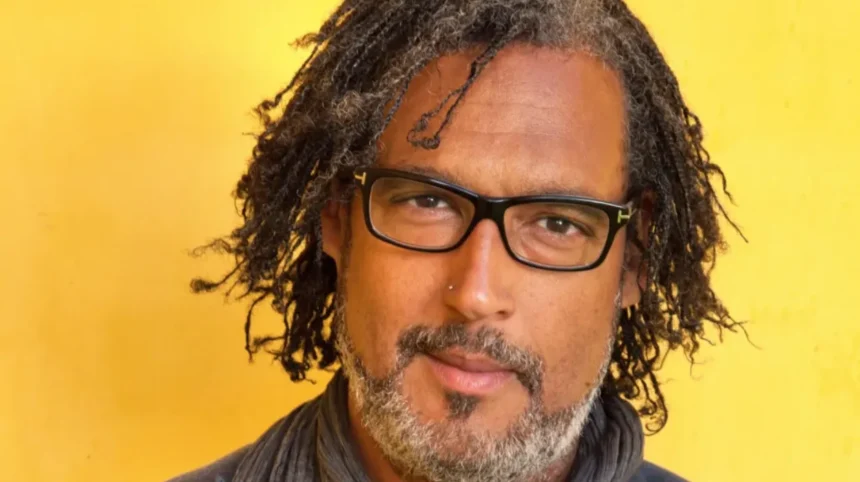
Bristol (Bristol Express News) November 7, 2026 — The forgotten life story of James Edward Friend, a former rugby player and choir singer who died on the Western Front days after returning to the First World War trenches following a severe injury, has been uncovered more than a century after his death. Historian and broadcaster David Olusoga traced Friend’s historical records by cross-referencing military archives with names inscribed on local war memorials. The research provides a comprehensive account of Friend’s early life in Bristol, his enlistment with the local battalion, and his ultimate death in action in 1916.
How Was the Forgotten Story of WWI Veteran James Edward Friend Uncovered?
As reported by Jasmine Ketibuah-Foley, John Darvall, and Karen Robinson of BBC News, historian and broadcaster David Olusoga used the genealogy website Findmypast to reconnect names listed on physical war memorials with detailed historical archives. Through this digital record-linking platform, Olusoga identified the personal history of James Edward Friend, whose biographical details had remained largely obscure since the conclusion of the conflict.
As noted by Jasmine Ketibuah-Foley, John Darvall, and Karen Robinson of BBC News, Olusoga stated that his research revealed the story of a man who grew up singing in a choir and playing rugby before departing from Bristol Temple Meads railway station to fight in the war alongside his peers.
What Was James Edward Friend’s Military Journey with Bristol’s Own Battalion?
According to reporting by Jasmine Ketibuah-Foley, John Darvall, and Karen Robinson of BBC News, Friend was amongst the initial group of volunteers to enlist in “Bristol’s Own” Battalion, a unit comprised of men from the local community who volunteered together following the outbreak of the First World War.
As documented by Jasmine Ketibuah-Foley, John Darvall, and Karen Robinson of BBC News, Friend served on the Western Front and survived a serious injury sustained during combat operations. Following a period of recovery, he returned to active service on the front lines in 1916. However, his return to active duty ended in tragedy when he lost his life just two days after re-joining his unit in the trenches.
Explore More Local Bristol News
Popular Bakery And Restaurant Brand Ruby Jeans Expands To Redland’s Renowned Foodie Hotspot
Bristol Then and Now: How Maritime History and Bombing Shaped Bristol 2026
Background of the Particular Development
The uncovering of James Edward Friend’s history forms part of a broader archival initiative aimed at linking static municipal war memorials with digital genealogical databases. Across the United Kingdom, thousands of war memorials erect physical markers featuring lists of names, often lacking personal context regarding the individuals’ civilian lives, occupations, or family backgrounds.
In recent years, historians and genealogical platforms such as Findmypast have focused on digitising military service logs, census records, and casualty lists to bridge the gap between physical sites of commemoration and searchable digital histories. This methodology enables researchers and members of the public to trace the civilian roots, sporting affiliations, and local ties of servicemen who enlisted during the mass mobilisation of 1914–1918.
How This Development Can Affect Historians, Researchers, and the General Public
This technological integration of physical memorials with digital records is likely to influence historical research and public remembrance practices in several distinct ways:
- Increased Public Engagement with Local Memorials: Connecting physical monuments directly to digital personal histories allows local communities, schools, and families to access detailed biographies of individuals listed on local war memorials, transforming static lists of names into accessible historical narratives.
- Enhanced Preservation of Civilian and Military Heritage: The systematic linking of census data, club registries (such as local rugby clubs and church choirs), and casualty reports will enable sports historians and local heritage groups to quantify the specific impact of the First World War on civic institutions and community organisations.
- Methodological Framework for Future Archival Research: Academic historians and broadcasters are expected to increasingly rely on cross-referenced digital databases to highlight lesser-known servicemen, expanding the historical scope beyond high-profile military figures to include standard volunteers from regional battalions.