Key Points
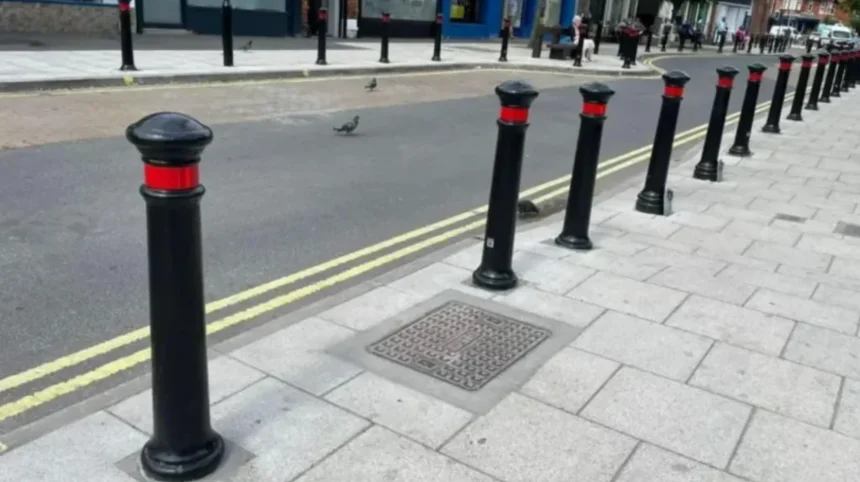
- Traders running a takeaway and a corner shop in Lockleaze have expressed their concerns over the council’s proposals for installing bollards along the on-street part of Concorde Way.
- Traffic calming and cycling infrastructure modifications are being made in an attempt to cut down through-traffic on the busy cycle path.
- The concerned traders believe that by limiting access to vehicles, the success of their business operations would be compromised.
- Independent local traders feel that the proposal was inadequately consulted upon and that the future of their businesses is at stake.
Lockleaze, Bristol (Bristol Express News) October 17, 2026 — Independent traders operating a prominent takeaway and a local corner shop in the Lockleaze area of Bristol have issued stark warnings that newly proposed bollards on a key commuter route will severely damage their livelihoods. The controversial infrastructure intervention targets an on-road section of Concorde Way, where local authorities intend to deploy physical traffic filters to restrict motor vehicle movements and safeguard cyclists. While municipal planners promote the scheme as a vital upgrade for active travel, vulnerable business owners fear the measure will choke off customer access and delivery logistics.
- Why Are Lockleaze Business Owners Concerned About the Concorde Way Bollards?
- How Will the New Cycling Infrastructure Affect Local Delivery and Supply Chains?
- What Have Local Authorities Said Regarding the Proposed Traffic Restrictions?
- Background of the Particular Development
- How This Development Can Affect the Particular Audience
Why Are Lockleaze Business Owners Concerned About the Concorde Way Bollards?
The proposed installation of bollards along the on-road segment of Concorde Way has ignited fierce debate between municipal transport planners and local commercial operators. According to reports published by Bristol Live, the initiative is engineered to mitigate heavy traffic flows and protect cyclists navigating the vital urban artery. However, local merchants whose shops line the affected corridor contend that restricting vehicular thoroughfare translates directly to a plummeting customer base.
As highlighted by local reporting from Bristol Live, proprietors running the neighbourhood takeaway and corner shop explained that convenience and immediate vehicle accessibility are paramount for their clientele. Many patrons rely on quick pop-in parking or short-stay stops to collect goods or hot food. By blocking off the road sections, business owners argue that motorists will bypass the area entirely, steering clear of businesses that lack alternative rear access or expansive parking facilities.
How Will the New Cycling Infrastructure Affect Local Delivery and Supply Chains?
Beyond retail footfall, traders operating along the Concorde Way corridor have raised pressing logistics concerns regarding commercial supply deliveries. Independent corner shops and hot-food takeaways depend on frequent deliveries of perishable goods, heavy stock crates, and commercial gas or equipment maintenance vehicles.
With permanent physical bollards blocking the thoroughfare, shopkeepers fear delivery drivers will refuse to service the establishments or face extreme difficulties unloading heavy inventories legally and safely. Local business representatives have emphasized that commercial viability hangs in the balance when municipal projects fail to account for the day-to-day operational realities of small-scale high street enterprises.
Explore more Local Bristol News
Inside The Newly Refurbished Yeoman Pub In Whitchurch Bristol 2026
Three-Bedroom Cliftonwood House with 1980s Mural Listed for Sale in 2026
What Have Local Authorities Said Regarding the Proposed Traffic Restrictions?
Bristol City Council has faced mounting pressure from community stakeholders regarding active travel initiatives across various neighborhoods. Proponents of the Concorde Way enhancements maintain that reducing vehicular volume is an essential component of the city’s wider environmental and road safety objectives, particularly as cycling and walking schemes receive heavy regional promotion.
Nevertheless, tension remains palpable as independent business owners demand greater transparency and pragmatic compromises that balance active travel targets with economic survival. Critics of the council’s rollout have repeatedly pointed to insufficient consultations with commercial tenants whose economic survival depends on open, accessible urban streets.
Background of the Particular Development
The controversy surrounding the Concorde Way bollards is part of a broader municipal push across Bristol to redesign urban spaces in favor of non-motorized transport. Concorde Way is a critical arterial cycling and walking corridor connecting northern neighborhoods toward the city center, utilized heavily by commuters, students, and families. Over recent years, Bristol City Council has advanced various Low Traffic Neighbourhood (LTN) principles, filtered permeability schemes, and residential speed reductions to curb carbon emissions and reduce urban traffic accidents. While these transport policies aim to foster greener communities and safer environments for vulnerable road users, they frequently trigger friction with local retailers who argue that physical interventions restrict vehicular access, damage trade, and fail to adequately reflect the economic needs of neighborhood high streets.
How This Development Can Affect the Particular Audience
For the local business owners, independent shopkeepers, and residents of Lockleaze, the implementation of these bollards carries significant financial and social implications. If the traffic restrictions proceed without mitigating measures such as designated loading bays or revised parking provisions, the affected takeaway and corner shop face an immediate risk of reduced revenue margins and long-term economic decline. Reduced customer accessibility could force independent traders to scale back operating hours, cut staff, or ultimately shutter their doors, eroding the community fabric of local neighborhood hubs. Conversely, if public pressure forces the council to reconsider or adapt the design—incorporating flexible access points for commercial logistics—it could establish a vital precedent for balancing active travel expansion with the commercial survival of urban small businesses.