Key Points
- The University of Bristol will mark its 150th anniversary with a day-long open‑doors programme across the city on Saturday 10 October 2026.
- More than 30 activities will run at the Clifton Campus and the new Temple Quarter Enterprise Campus (TQEC), which opens next to Bristol Temple Meads Station in September 2026.
- Events include interactive exhibits, guided tours, family activities, performances, talks by leading academics and displays of the University’s research and collections.
- Most activities will be free and unticketed; some high-demand talks will require tickets.
- Ticketed talks include sessions on the Children of the 90s study and a talk by Professor Bruce Hood on happiness.
- The university traces its origins to University College, Bristol, which opened on 10 October 1876; its first lecture was on mathematics by William Robert Bousfield.
- The University gained its Royal Charter on 24 May 1909 and now has around 31,000 students and over 9,000 staff.
- Professor Evelyn Welch, Vice‑Chancellor and President, said the anniversary is a time to reflect on the university’s roots and its impact locally and globally.
- Professor Oliver Johnson, Head of the School of Mathematics, will speak on the role of mathematics at the University, linking back to the inaugural 1876 lecture.
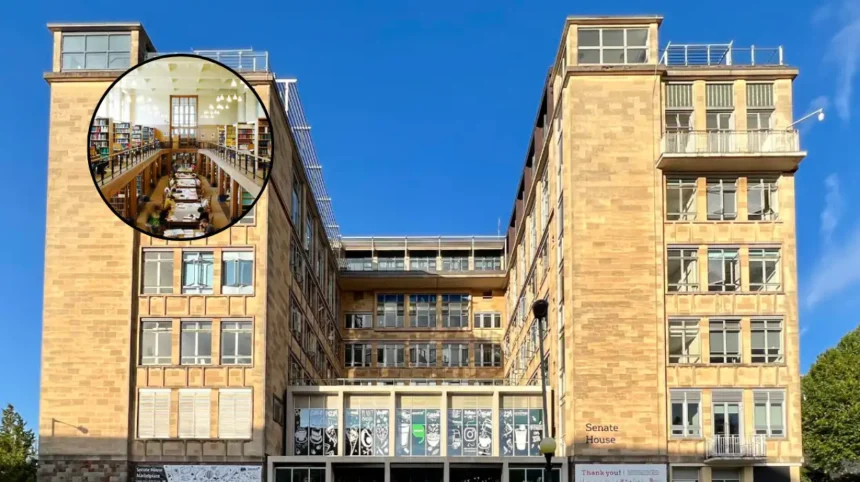
Bristol (Bristol Express News) July 22, 2026 — The University of Bristol will stage a day‑long public programme of events, performances, talks and exhibitions on Saturday 10 October 2026 to mark 150 years since University College, Bristol first opened its doors on 10 October 1876. The open‑doors day forms a central part of a year of celebrations designed to invite the city’s communities to explore the university’s past, present and future across more than 30 activities at its Clifton Campus and the new Temple Quarter Enterprise Campus (TQEC).
- Key Points
- What activities and formats will visitors find during the celebrations?
- Which new campus will be showcased and why is its opening significant for the city?
- Which talks will be ticketed and what are their subjects?
- Who will speak about the university’s history and its first lecture?
- What does the university say about its growth since 1876?
- What has the Vice‑Chancellor said about the anniversary?
- How will the events be organised across the Clifton Campus and TQEC?
- What is the significance of the Children of the 90s study in the anniversary programme?
- How will families and community groups be catered for on the day?
- What archival and historical elements will be presented?
- How will the university balance free access with demand management for popular sessions?
- Background of the particular development
- Prediction — how could this development affect the people of Bristol and university audiences?
What activities and formats will visitors find during the celebrations?
As reported by the University of Bristol, activities on the day will include interactive exhibits, guided tours, family‑friendly activities, performances, conversations with leading academics, and opportunities to view the University’s research and collections.
Most events will be free and unticketed to allow casual drop‑in attendance, though a limited number of talks with anticipated demand will be ticketed.
Which new campus will be showcased and why is its opening significant for the city?
As reported by the University of Bristol, the Temple Quarter Enterprise Campus (TQEC) will be showcased during the anniversary year and opens next to Bristol Temple Meads Station in September 2026.
The University describes the TQEC as a major investment in Bristol’s future, offering a new gateway between the city’s transport hub and the university, and providing fresh facilities for learning, research and collaboration.
Which talks will be ticketed and what are their subjects?
As reported by the University of Bristol, ticketed talks include short presentations from public health researchers involved in the Children of the 90s study — the world’s largest and longest‑running health study that has followed the health of ordinary Bristolians for more than 30 years — and a session by Professor Bruce Hood, author of The Science of Happiness, in which he will share practical ‘happiness hacks’ intended to improve wellbeing.
Who will speak about the university’s history and its first lecture?
As reported by Professor Oliver Johnson, Head of the School of Mathematics, the history of mathematics at Bristol will be highlighted to mark the inaugural lecture delivered by William Robert Bousfield at 9 am on Tuesday 10 October 1876. Professor Johnson will explain how mathematics has played a foundational role since the university’s earliest days.
What does the university say about its growth since 1876?
As reported by the University of Bristol, the college that opened in 1876 later received a Royal Charter on 24 May 1909 to become the University of Bristol.
Today the institution has approximately 31,000 students and more than 9,000 staff. The 150th anniversary events form part of broader celebrations taking place across Bristol and within university communities worldwide.
What has the Vice‑Chancellor said about the anniversary?
As reported by Professor Evelyn Welch, Vice‑Chancellor and President of the University of Bristol,
“Our 150th anniversary is a moment to reflect on the people, partnerships and ideas that have shaped the University since its foundation in 1876, while also looking forward to the future we will build together.”
She added that the university is proud of its roots in Bristol and the positive local and global impact of its students, staff, alumni and partners, and looks forward to welcoming the public to mark the milestone.
How will the events be organised across the Clifton Campus and TQEC?
As reported by the University of Bristol, the open‑doors day will use both the established Clifton Campus and the new Temple Quarter Enterprise Campus to spread activities across the city, enabling visitors to experience historic collections and contemporary research displays alongside new facilities at TQEC. The approach aims to ensure broad public access, with most activities unticketed and free, and ticketing reserved only for talks likely to exceed capacity.
What is the significance of the Children of the 90s study in the anniversary programme?
As reported by the University of Bristol, the Children of the 90s study is a long‑running public health cohort that has tracked the health of generations of Bristolians for more than three decades. The inclusion of talks from its public health researchers recognises the study’s local roots, scientific significance and ongoing contribution to understanding population health.
How will families and community groups be catered for on the day?
As reported by the University of Bristol, family‑friendly activities and guided tours are planned to make the anniversary accessible to a wide audience, including interactive exhibits and performances aimed at younger visitors. The unticketed nature of most events is intended to lower barriers to attendance for families and community groups.
What archival and historical elements will be presented?
As reported by the University of Bristol, the celebrations will showcase some of the University’s significant research outputs and collections, offering visitors a chance to view historical material tied to the institution’s 150‑year history and to learn about milestones such as the 1876 inaugural lecture and the 1909 Royal Charter.
Explore More Local Bristol News
Bristol Waste MD exit pay revealed — Bristol 2026
Bristol Landlords Still Reject Pets After 2026 Law Change – Bristol 2026
How will the university balance free access with demand management for popular sessions?
As reported by the University of Bristol, the strategy is to keep the majority of activities free and unticketed to encourage broad participation, while designating certain high‑demand talks as ticketed to manage capacity safely and fairly.
Background of the particular development
The University of Bristol traces its origins to University College, Bristol, which opened on Tuesday 10 October 1876 at 9 am with its first lecture — an exploration of mathematics delivered by William Robert Bousfield.
The college began with two professors and five lecturers providing instruction across 15 subjects and admitted men and women on the same basis. The institution later gained a Royal Charter on 24 May 1909, formalising its status as the University of Bristol.
Over the subsequent decades the university expanded its academic offerings, research activities and campus facilities. From its 19th‑century foundations it developed into a major civic university with strong ties to Bristol’s social, cultural and economic life.
Today’s statistics — around 31,000 students and over 9,000 staff — reflect its growth into a large, research‑intensive university with international connections and local responsibilities.
The decision to open a new campus at Temple Quarter in 2026 links to long‑term strategies to enhance city‑centre engagement, improve transport‑linked accessibility and foster collaboration with business and civic partners.
Prediction — how could this development affect the people of Bristol and university audiences?
How might the 150th anniversary and the opening of TQEC affect local residents, students, staff and city partners?
- Public engagement: The open‑doors day and wider anniversary programme are likely to increase public awareness of the University’s research, collections and community work, drawing city residents into campus spaces and strengthening civic ties.
- Access to services and learning: Showcasing the Temple Quarter Enterprise Campus immediately after its opening could lower barriers for city‑centre residents to access university facilities, outreach programmes and potential lifelong‑learning opportunities.
- Economic and cultural impact: Anniversary events and the operational TQEC may boost footfall around Temple Meads and nearby businesses, supporting local hospitality, retail and cultural sectors.
- Research visibility: Featuring long‑running studies such as Children of the 90s highlights Bristol’s public‑health research strengths and may prompt greater local participation in research and awareness of health initiatives.
- Student recruitment and reputation: A high‑profile 150th year and the launch of a new campus may support the university’s national and international profile, potentially influencing future student recruitment and partnerships.
- Operational considerations: Increased visitors during anniversary events could place short‑term pressure on campus facilities and local transport; ticketing for high‑demand talks is intended to manage capacity and safety.