Key Points
- The Metropolitan Police in London shut down connected social media accounts, while police and education officials warned teenagers against carrying weapons and engaging in violence.
- Avon and Somerset Police put extra officers on patrol outside Bristol schools after receiving security warnings.
- The security measures followed an online trend called ‘School War’, which spread across TikTok, Snapchat, and Instagram.
- Schools and youth groups told pupils to go home immediately after school, stay out of large groups, and stop sharing hostile posts.
- The social media posts urged students to join rival ‘red’ or ‘blue’ teams to start fights between schools.
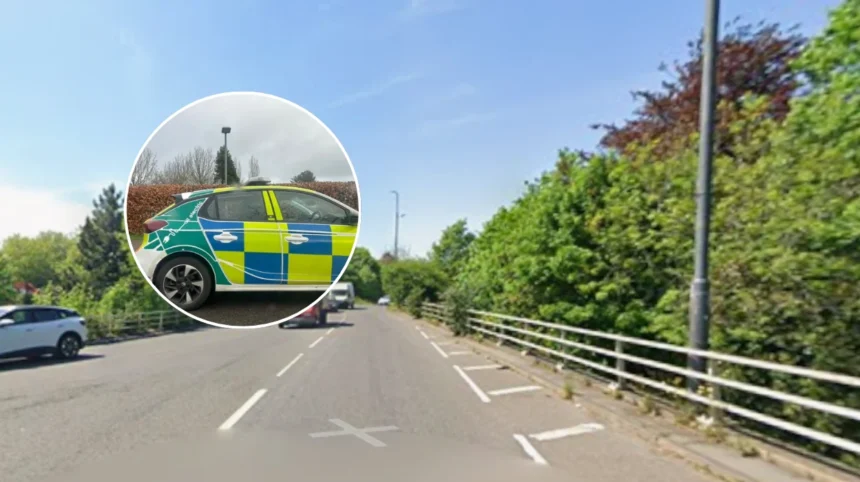
BRISTOL (Bristol Express News) August 31, 2026 — As reported by Abigail Neep of Bristol Live, emergency security protocols and heightened police patrols were implemented across educational settings in Bristol on 27 February 2026 after authorities responded to a viral online trend urging students to clash in organised rival groups.
- Key Points
- Why were police deployed to schools across Bristol?
- How did educational institutions respond to the security alert?
- What statements were issued by police and education authorities?
- Background of the particular development
- Prediction: How this development can affect parents, pupils, and educational institutions
Pupils leaving school gates across the city were instructed by headteachers and local community organisations to disperse immediately and head straight home. The precautionary measures followed the rapid spread of a viral challenge across TikTok, Snapchat, and Instagram entitled ‘School War’, which encouraged students to divide into opposing ‘red’ and ‘blue’ factions to stage inter-school conflicts.
Why were police deployed to schools across Bristol?
The deployment of additional personnel was initiated after local youth organisations and education providers flagged disturbing online material threatening public order outside school grounds. According to a letter distributed to parents by East Bristol’s Bristol Horn Youth Concern CIC, and reported by Bristol Live, parents were strongly encouraged to collect their children directly from school premises where possible.
The organisation further advised young people to avoid gathering in large public groups and strictly refrain from engaging with or resharing inflammatory content online. As recorded by Bristol Live, local police units maintained a visible presence at multiple campuses during afternoon dismissal times, including Bedminster Down School and Oasis Academy in Brislington, to deter crowds from gathering.
How did educational institutions respond to the security alert?
School leaders across the city implemented internal security measures and dispatched urgent circulars to reassure parents while reinforcing site perimeter boundaries.
As reported by Bristol Live, Bedminster Down School confirmed that three police cars were maintaining active patrols around the perimeter of the school site, while senior leadership teams stationed staff members at all egress gates at the end of the school day.
Similarly, statements from Oasis Academy in Brislington contained within official parent correspondence confirmed an increase in site staffing alongside police monitoring. As cited by Bristol Live, the academy’s official letter stated: “We have increased our staffing on our gates, and the Police have been a presence, as they are across all settings in Bristol – we are very grateful for this. Please be assured, our safeguarding is effective and we will initiate the appropriate safeguarding procedures in line with policy to respond to any safeguarding concern.”
In a separate update published by Bristol Live, Oasis Academy Brislington acknowledged that while much of the circulating material appeared to be online bravado, the distressing themes required close inter-agency monitoring. The academy noted it was coordinating directly with local authority figures and police units to continuously assess potential risk factors.
What statements were issued by police and education authorities?
Avon and Somerset Police confirmed that officers were actively tracking the origin of the material, which is believed to be connected to a broader national trend.
As reported by Bristol Live, Chief Inspector Keith Smith of Avon and Somerset Police stated that the force maintained continuous communication with educational providers across the city to provide direct reassurance and crime prevention guidance to administrators.
The trend also prompted action in London. As covered by Bristol Live, the Metropolitan Police confirmed that officers were monitoring online channels linked to several London boroughs. Met Police officers worked directly with major social media providers to successfully disable approximately twelve accounts promoting violence or explicit threats toward students.
Commander Neerav Patel of the Metropolitan Police issued a formal warning to young people: “I would like to remind young people of the serious consequences of getting involved in matters like this. An arrest, charge and conviction for violence and carrying weapons could mean imprisonment with a significant long-term impact on future opportunities.”
From a policy and municipal perspective, Hannah Woodhouse, executive director of children and education at Bristol City Council, publicly urged parents, carers, and educators to engage in immediate dialogue with young people regarding the severe legal and personal consequences of physical violence.
Further commentary came from the teaching leadership sector. As reported by Bristol Live, Pepe Di’Iasio, general secretary of the Association of School and College Leaders (ASCL), expressed full support for emergency police interventions aimed at preventing online trends from escalating into physical harm. Di’Iasio condemned the digital environment facilitating the trend, describing social media platforms as a “wild west environment” that presents a clear risk of young people sustaining serious or fatal injuries.
Background of the particular development
The emergency police deployment across Bristol schools highlights a growing challenge at the intersection of social media algorithms, youth culture, and public safety across the United Kingdom.
Over recent years, short-form video platforms such as TikTok and Snapchat have repeatedly seen gamified challenges gain rapid traction among school-aged demographics. The ‘School War’ trend—which mirrors viral gang or territory-style roleplay by categorising school groups into arbitrary colour-coded teams—follows previous national online trends that have incited disruptive flash mobs in commercial city centres and outside transport hubs.
In Bristol specifically, the threat of real-world escalation was met with high anxiety from local communities due to pre-existing concerns surrounding youth knife crime in the region. Several parents interviewed by local media noted that they opted to keep their children home from school despite potential truancy fines, citing fear that online bravado could trigger real-world weapon carrying. The incident underscores an increasing reliance on multi-agency responses—combining police intelligence, municipal education boards, and social media moderation teams—to mitigate digital threats before they manifest on school grounds.
Prediction: How this development can affect parents, pupils, and educational institutions
The operational response to the ‘School War’ trend sets a clear precedent for how secondary schools and law enforcement will manage digital threats moving forward, impacting several key stakeholder groups:
- Impact on Pupils: Students will likely face stricter digital monitoring and enhanced disciplinary frameworks within schools. Participating in, filming, or sharing viral antisocial trends can now result in immediate law enforcement involvement rather than internal school discipline alone. Police warnings from senior officers indicate that young people engaging in violent group gatherings risk criminal records that could severely restrict future higher education and employment opportunities.
- Impact on Parents and Carers: Parents face heightened responsibility to actively audit their children’s social media activity and messaging apps. As schools adopt zero-tolerance policies for disruption linked to online activity, parents may also encounter tighter attendance enforcement and mandatory digital safety briefings led by local authorities.
- Impact on Educational Institutions: School management teams will need to allocate greater administrative and financial resources toward proactive cybersecurity monitoring and multi-agency safeguarding protocols. Educational trusts are expected to lobby central government and social media corporations for faster content-removal mechanisms to prevent local disruption, while day-to-day campus management will likely incorporate more rigid dismissal protocols during periods of heightened online activity.