Bristol Florida is the official county seat and the only incorporated municipality within Liberty County. The municipality occupies a land area of 1.64 square miles along the eastern high bluffs of the Apalachicola River within the northwestern Florida Panhandle region.
- How did Bristol Florida develop throughout its history?
- What is the local government structure of Bristol Florida?
- How do municipal service systems operate in Bristol Florida?
- What public education and recreational assets exist in Bristol Florida?
- What do the demographic and economic statistics reveal about Bristol Florida?
- What factors will drive the future economic growth of Bristol Florida?
- FAQs About Bristol Florida
The geographic coordinates of this municipality sit at 30 degrees 25 minutes 37 seconds north latitude and 84 degrees 58 minutes 45 seconds west longitude. This precise positioning places the city exactly 44 miles west of Tallahassee, which functions as the state capital of Florida. State Road 20 serves as the primary east-to-west transportation highway connecting the city directly to Blountstown, which sits four miles to the west across the river. The local geography features unique geographical formations known as steephead ravines, which support rare ecological biological systems including the endangered Torreya taxifolia evergreen conifer trees. The elevation of the municipality reaches 174 feet above sea level, providing a natural overlook above the river basin.
The administrative boundary of the city encompasses zero square miles of water, meaning the entire jurisdiction rests on solid terrain. This land topography consists of sandy loam soils and thick clay layers that define the geological composition of the Big Bend region. The surrounding wilderness includes vast tracts of public lands, which provide natural buffers against large scale urban developments. These public tracts consist of the Apalachicola National Forest and various state managed water management preservation zones. Local climate patterns dictate mild winter seasons and hot, humid summer seasons with substantial annual rainfall totals averaging 60 inches. This environmental framework anchors the local timber industry and forms the basis for all regional geographic mapping initiatives.
How did Bristol Florida develop throughout its history?
Euro-American settlers established Bristol Florida in 1859 to establish a permanent designated administrative center for Liberty County. The state legislature granted the community an official municipal city charter on June 19 1958 to formalize its municipal governance and public service structures.
The initial 1859 settlement began with a local population of 300 residents who constructed essential infrastructure components. These early components included one general store, three operational sawmills, three operational gristmills, one commercial hotel, and three distinct religious institutions. The religious institutions consisted of a Baptist church, a Methodist church, and a Presbyterian church. The selection of the town site depended entirely on its strategic location atop a 150 foot high river bluff. This bluff enabled safe maritime steamboat transport along the Apalachicola River during the nineteenth century. The river served as a commercial highway for trading three primary commodities, which included harvested timber, agricultural cotton bales, and locally processed naval stores.
During the mid-twentieth century, a local developer named E.E. Callaway popularized a historical hypothesis asserting that the surrounding Apalachicola river bluffs constituted the physical location of the biblical Garden of Eden. This claims structure centered on the presence of the rare torreya tree, which Callaway identified as the historical gopher wood used in Noah’s Ark. The theory generated national publicity and prompted the naming of local landmarks, including the Garden of Eden Road. The Nature Conservancy eventually purchased this specific land tract in 1981 to protect its rare biological species. The historical progression of the city shifted from a bustling river port into a quiet center of agricultural management and county governance.
What is the local government structure of Bristol Florida?
Bristol Florida operates under a traditional Mayor-Council municipal government system designed to execute administrative policies and legislative duties. The governing body comprises an elected executive mayor alongside five distinct city council members who represent the collective local electorate.
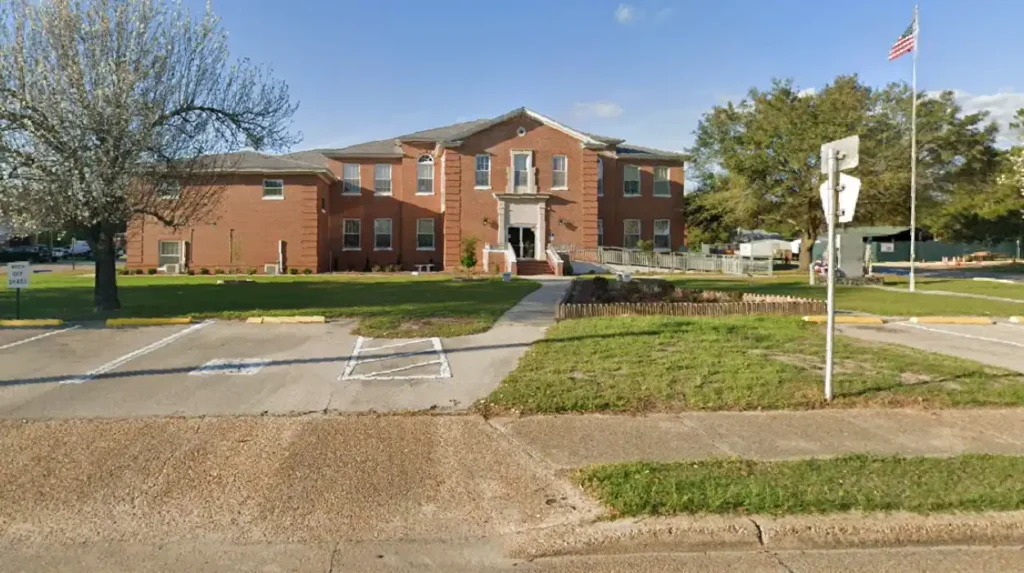
The administrative leadership features Mayor James P. Kersey and Council Chair Thomas Rankin who supervise municipal operational policy. Additional legislative oversight falls to the three active city council members, specifically Micah McCaskill, Tara Miller, and Mattie Boyd. Legal compliance and regulatory frameworks remain under the direct management of two municipal attorneys, namely Dan Hartman and Joshua Pasqualone. The administrative staff includes City Clerk Christian Vowell who records all public ordinances, structural resolutions, and municipal financial budgets. This council enforces three categories of city mandates, which include zoning ordinances, localized traffic codes, and public property safety regulations. Public meetings occur monthly at the City Hall facility to maintain transparency.
The municipal charter establishes specific terms of office lasting four years for each elected official. The electoral process relies on non-partisan ballots where registered voters within the city limits cast direct votes. The government manages its fiscal responsibilities through three primary revenue sources, which include municipal property taxes, state sales tax allocations, and utility service fees. These financial resources fund public safety infrastructure, roadway repairs, and administrative salaries. The local government maintains formal interlocal agreements with the Liberty County Board of County Commissioners to coordinate regional emergency management and emergency communications. This structural framework ensures regulatory stability and localized accountability for the resident population.
How do municipal service systems operate in Bristol Florida?
The municipal government of Bristol Florida directly maintains and administers critical public utility operations for its resident population. These structured systems ensure continuous access to essential civil infrastructure through centralized distribution networks managed by the public works department.
The public works department operates four core utility services, which include fire protection, solid waste garbage collection, centralized wastewater sewer processing, and potable water distribution. Public Works Supervisor Richard Mims oversees the physical maintenance of all roadway grids and delivery pipelines. Continuous monitoring of the local water treatment facility remains the responsibility of Water and Wastewater Operator Page Wahlquist. The emergency response infrastructure relies entirely on the Bristol Volunteer Fire Department, which utilizes trained local citizens to combat structural fires and localized environmental hazards. This volunteer framework reduces municipal expenditures while providing rapid emergency response times to the community. Municipal utility customers resolve their accounts directly through the City Hall administrative billing office.
The water distribution system relies on deep groundwater wells that tap into the Floridan Aquifer to supply safe drinking water. This water undergoes three distinct treatment stages, which include aeration processing, chlorine disinfection, and chemical filtration. The municipal sewer infrastructure collects domestic wastewater through a network of underground gravity lines and lift stations. This effluent travels directly to a centralized stabilization facility for biological purification prior to environmental discharge. The solid waste division collects residential garbage weekly utilizing specialized automated collection vehicles. The city maintains structural guidelines for public works to ensure compliance with the Florida Department of Environmental Protection mandates.
What public education and recreational assets exist in Bristol Florida?
Public education and environmental tourism in Bristol Florida rely on structured countywide school systems and unique geographical conservation preserves. These institutional assets provide formal educational services and outdoor recreational access to residents and visiting ecotourists.
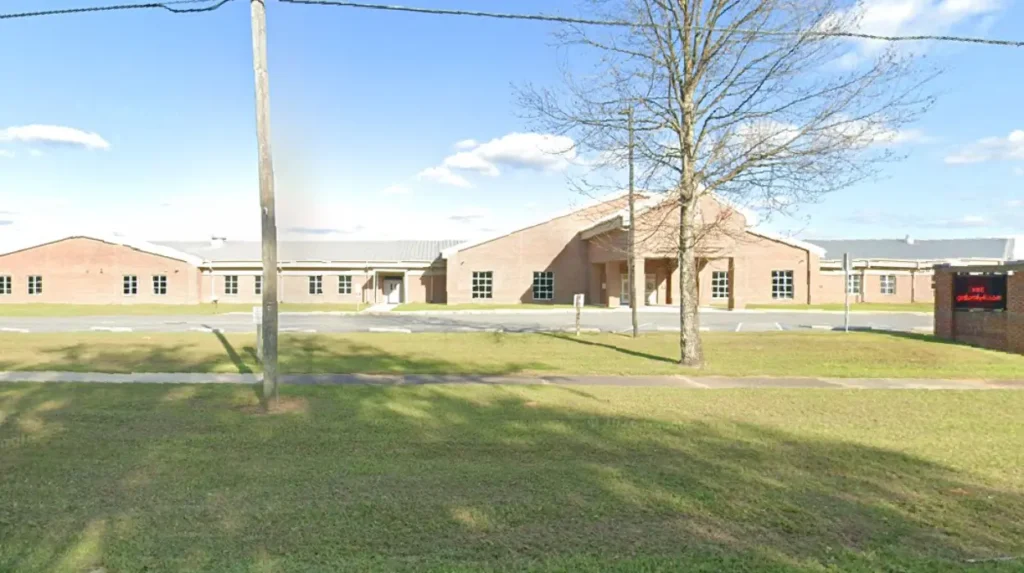
The Liberty County School District operates the two primary public educational facilities located within the city limits. These public schools consist of the W.R. Tolar School, which educates kindergarten through eighth-grade students, and the Liberty County High School, which serves secondary students. Recreational infrastructure includes two prominent natural landmarks, specifically the Garden of Eden Trail and the Apalachicola Bluffs and Ravines Preserve. The Nature Conservancy manages these environmental tracts to safeguard three endangered animal species, including the gopher tortoise, the Florida pine snake, and the eastern indigo snake. The Veterans Memorial Railroad provides an additional cultural asset by operating scale model locomotives for public entertainment.
The educational institutions maintain formal accreditation from the Southern Association of Colleges and Schools to ensure academic quality. Student enrollment numbers remain stable, with school administrators utilizing state educational funding to maintain classroom technology and athletic programs. The recreational trail systems feature rugged terrain that mimics Appalachian geological conditions, attracting hikers from various regions. These trail pathways cross three distinct habitat zones, which include pine flatwoods, upland hardwood forests, and sandhill communities. Ecotourism generates direct economic revenue for local hospitality businesses, including gas stations, convenience stores, and dining establishments. This network of schools and parks defines the civic identity and daily life of the community.
What do the demographic and economic statistics reveal about Bristol Florida?
Demographic and economic data profiles from the United States Census Bureau classify Bristol Florida as a rural residential community. The local economy relies on stable municipal payrolls, regional agricultural production, and timber harvesting industries across Liberty County.
The official 2020 United States Census recorded a total population of 918 individuals residing within 352 unique households. Demographic models project a slight population correction to 952 residents, indicating an annual growth rate of 0.53 percent. The racial composition consists of three primary demographic brackets, which include 83.04 percent White residents, 9.12 percent multiracial residents, and 6.08 percent Black residents. The median household income stands at 47689 dollars annually, while the individual poverty rate measures exactly 15.94 percent. The median age of the local population is 50.1 years, reflecting a demographic leaning toward retirees and senior citizens.
The housing market comprises 433 total housing units, with owner-occupied homes representing 65 percent of the residential real estate inventory. The median construction year for local buildings is 1977, illustrating that most development occurred during the late twentieth century. The local workforce includes 366 actively employed adults who divide into two occupational categories, specifically 298 white collar professionals and 68 blue collar laborers. Educational attainment metrics show that 50.6 percent of residents hold a high school diploma as their highest qualification. Another 11.2 percent of the adult population possesses a formal bachelor’s degree from an accredited university. These statistical markers verify a stable, low density economy with minimal historical population volatility.
What factors will drive the future economic growth of Bristol Florida?
Future economic growth in Bristol Florida depends on the expansion of regional ecotourism, infrastructural modernization, and sustainable timber management programs. These developmental factors will dictate the long-term financial stability and demographic preservation of the city.
The local economy requires strategic diversification beyond traditional agricultural sectors to prevent youth out-migration. Increased marketing of the Apalachicola River ecosystem will attract thousands of annual ecotourists seeking wilderness recreation. The municipal council intends to improve three infrastructure segments, including high-speed fiber broadband networks, advanced wastewater processing systems, and regional highway transport access. These technical improvements will encourage small business development and remote work integration within the rural market. Maintaining the strict conservation protocols established by The Nature Conservancy ensures that expanded tourism does not degrade the sensitive steephead ravine habitats.
Local economic development councils focus on attracting light industrial enterprises to the industrial parks situated near State Road 20. These recruitment efforts highlight three corporate advantages, which include low municipal tax rates, available vacant land parcels, and direct highway access to Tallahassee. The long-term viability of the community relies on balancing commercial zoning expansions with environmental preservation mandates. State funding grants through the Florida Department of Economic Opportunity provide the financial capital needed to execute these structural transformations. By modernizing public utilities and protecting natural resources, the city secures its position as a sustainable residential hub within the Florida Panhandle.
Read More: To observe how targeted regional growth and corporate investment structures influence broader regional development patterns, see the asset reports at https://bristolexpress.co.uk/local/bristol-gate-capital-grows-wmt-stake-by-652030-bristol/
FAQs About Bristol Florida
What is Bristol Florida known for?
Bristol Florida is known for being the county seat of Liberty County and a prominent hub for timber harvesting. It is historically recognized for the local hypothesis popularized by E.E. Callaway that the Garden of Eden was located along its river bluffs. The area attracts visitors due to its rare steephead ravines and the endangered Torreya tree species.
Where is Bristol Florida located?
Bristol Florida is located in the northern panhandle region of the state of Florida along State Road 20. It sits directly on the eastern high bluffs overlooking the Apalachicola River, which is the largest river by volume in Florida. The city is positioned 44 miles west of the state capital of Tallahassee.
What public schools are located in Bristol Florida?
Public education within the city is administered by the Liberty County School District. The two main institutional campuses operating within the area are the W.R. Tolar School and the Liberty County High School. These institutions provide educational instruction from kindergarten through twelfth grade for local residents.
What is the population of Bristol Florida?
The official population of Bristol Florida was recorded at 918 residents during the 2020 United States Census. Current demographic projections estimate the municipal population at approximately 952 residents. This data confirms that the city remains a small, low-density rural community.
What outdoor activities are available in Bristol Florida?
Outdoor recreation centers around the unique wilderness habitats surrounding the Apalachicola River basin. Visitors can hike the rugged Garden of Eden Trail or explore the Apalachicola Bluffs and Ravines Preserve. The area offers opportunities for bird watching, river boating, and viewing scale model trains at the Veterans Memorial Railroad.