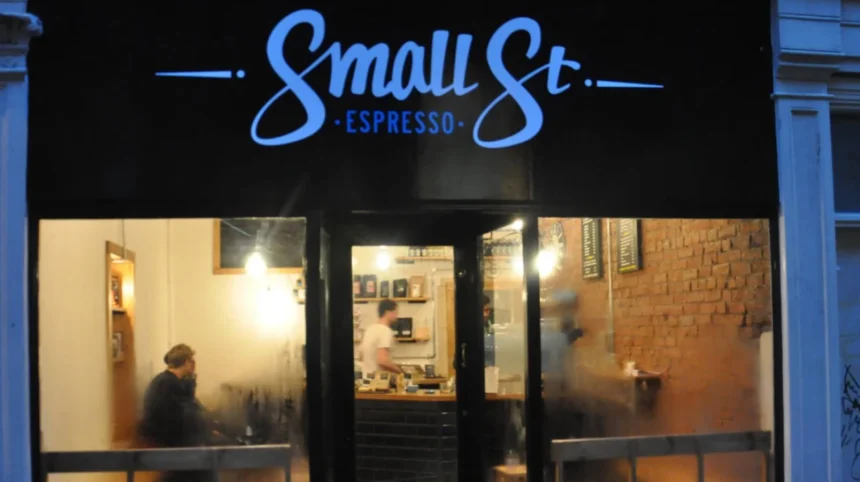
Independent coffee shops in Bristol form a large, city-wide network of local cafés, roasters, bakeries, and specialty coffee bars that serve neighbourhoods from Clifton and Redland to Bedminster, Southville, and the city centre. Bristol has 402 coffee shops, and 347 of them are independently run, which shows how strongly the city supports local café culture.
- What are independent coffee shops in Bristol?
- Why is Bristol known for coffee culture?
- How did Bristol’s independent café scene grow?
- What types of independent coffee shops exist?
- Where are the main coffee districts?
- What makes a Bristol independent café successful?
- Which examples show the scene best?
- How does Bristol compare with chain cafés?
- What role do roasters play?
- Why does this matter for visitors and locals?
- What is the future of independent coffee in Bristol?
Bristol’s independent coffee scene matters because it combines everyday convenience with place-based identity, speciality coffee quality, and local business activity. The city’s café culture is described as part of Bristol’s identity, with independent cafés functioning as social spaces as well as food and drink businesses.
What are independent coffee shops in Bristol?
Independent coffee shops in Bristol are locally owned cafés that operate outside large chains and focus on direct customer service, neighbourhood identity, and distinct menus. They often sell speciality coffee, baked goods, brunch dishes, and takeaway drinks, and many are linked to local roasting or bakery businesses.
These businesses differ from national chains because ownership, menu design, and atmosphere come from the local operator rather than a standard corporate model. In Bristol, that independence appears across compact espresso bars, bakery-cafés, brunch cafés, and neighbourhood coffee counters.
The city’s independent café map includes central areas and residential districts, which makes the sector useful for commuters, students, workers, and visitors. Listings on local directories show cafés in Wine Street, Wapping Wharf, Whiteladies Road, Gloucester Road, North Street, Southville, and Westbury-on-Trym.
Why is Bristol known for coffee culture?
Bristol is known for coffee culture because it combines a high number of cafés, a strong independent business base, and a growing speciality coffee identity. Recent reporting says the city has 402 coffee shops and 347 independently run locations, which makes independence a defining feature of the market.
The scale matters because it creates competition, variety, and specialist knowledge. A city with many local cafés usually develops a stronger coffee vocabulary, more roasting partnerships, and more consumer familiarity with espresso, filter coffee, and single-origin beans.
Bristol’s coffee culture also sits inside a broader local food culture. Business and city guides describe the café scene as part of Bristol’s wider creative and community identity, not just a place to buy drinks. That makes coffee shops part of how the city organises daily life, local meeting points, and informal work spaces.
How did Bristol’s independent café scene grow?
Bristol’s independent café scene grew through neighbourhood retail, specialist roasting, and demand for social third places outside home and work. Over time, cafés expanded from simple coffee stops into bakery-led and speciality-led venues that anchor local streets and districts.
The city’s independent coffee shops now appear in multiple formats. Some operate as compact walk-in coffee counters for commuters, while others run as all-day cafés with seating, brunch, and bakery items. That diversification shows a mature local market rather than a single café model.
Speciality coffee has also strengthened the sector. Guides to Bristol coffee list numerous speciality-focused venues such as One B Coffee House, Full Court Press, Interlude, Sweven, Mercy Mercy Mercy, and Little Victories, which shows a market built around quality extraction, roasting, and tasting language.
What types of independent coffee shops exist?
Bristol has several clear café types, including takeaway espresso bars, speciality coffee shops, bakery cafés, brunch cafés, and neighbourhood community cafés. Each type serves a different customer need, from quick commuting to longer social or work sessions.
Takeaway espresso bars suit busy routes and station access. The Coffee Box, for example, is described as a weekday coffee stop on Portwall Lane, aimed at commuters who want speed and convenience.
Speciality coffee shops focus on brewing method, bean sourcing, and precision. Bristol listings regularly feature places known for speciality coffee rather than generic café menus, which indicates a customer base that values flavour clarity and barista technique.
Bakery cafés combine coffee with bread, pastries, and brunch. Mokoko appears in Bristol guides as a bakery specialising in viennoiserie and naturally leavened breads, while The Orchard combines speciality coffee, brunch dishes, and fresh baked goods. That format increases dwell time and adds stronger food revenue to coffee sales.
Where are the main coffee districts?
The main independent coffee districts in Bristol include the city centre, Clifton, Redland, Gloucester Road, Bedminster, Southville, and Wapping Wharf. These areas contain clusters of cafés because they combine footfall, local residents, retail streets, and daytime demand.
The city centre supports commuter and visitor traffic. Locations such as Wine Street and Wapping Wharf appear in Bristol café directories, showing that central trading remains important for daily coffee demand. Central cafés often benefit from office workers, shoppers, and travellers.
Clifton and Redland support a more residential and student-friendly café pattern. Business listings show cafés on Whiteladies Road and in Clifton Village, which fits a district model built on walking access and local repeat visits.
Bedminster, Southville, and nearby streets support neighbourhood trade. Listings on North Street and nearby areas show how independent coffee shops spread beyond the centre into local high streets, where they function as routine social and food destinations.
What makes a Bristol independent café successful?
A successful Bristol independent café combines strong location, clear identity, consistent coffee quality, and a menu that supports repeat visits. Success in the city also depends on fitting into a neighbourhood pattern rather than relying only on one-time tourist trade.
Location remains a core factor. Cafés near commuter routes, retail streets, or residential clusters receive more frequent daily visits, while destination cafés rely more on speciality reputation and food quality. A café near a station, for example, can build morning sales around speed and convenience.
Identity matters because customers choose among many similar businesses. Bristol’s independent cafés often differentiate through baking, roasting, sustainability claims, or precise brewing methods. That identity helps create memory and repeat behaviour.
Menu structure also matters. Coffee alone attracts morning traffic, but bakery items, brunch, and lunch support longer visits and higher average spend. In an independent business model, that wider offer helps stabilize revenue across the day.
Which examples show the scene best?
Bristol’s independent coffee scene is best represented by a mix of commuter cafés, speciality cafés, and bakery-led venues. Examples include The Coffee Box, Origin, Mokoko, The Orchard, Burra, and the speciality names listed in Bristol coffee guides.
The Coffee Box shows the commuter model, with weekday service and a location suited to daily movement. Origin shows the speciality café model and is described as B Corp certified, which connects coffee retail with environmental and social standards.
Mokoko shows the bakery-led model, where coffee sits alongside bread and viennoiserie. The Orchard shows the all-day café model, with speciality coffee and fresh baked goods in a simple lunch-friendly format.
Burra shows the award-recognised neighbourhood café model. Its site states that it was named Café of the Year in the Bristol Life Awards in 2022 and recognised as the UK’s Best Cafe in the Small Business Awards in 2024. That kind of recognition reflects how local cafés can build strong reputations without national branding.
How does Bristol compare with chain cafés?
Bristol’s independent coffee market is larger and more visible than many chain-led city coffee scenes because independent operators make up the majority of coffee shops in the city. The reported figure of 347 independent coffee shops out of 402 total shows a strong local bias.
That ratio changes how the city feels at street level. In many districts, the default coffee stop is a local business rather than a standard chain. This supports local branding, variety, and neighbourhood distinction.
It also changes how consumers learn about coffee. Independent cafés tend to introduce people to bean origin, extraction style, and roast profile more directly than generic chains. As a result, the local market becomes more educated and more quality-focused over time.
Explore More Area Guide
Best Fine Dining Restaurants in Bristol – Michelin Star & Tasting Menus
Street Food Markets in Bristol: Complete Guide to 8 Top Venues
What role do roasters play?
Local roasters play a central role in Bristol because they supply beans, shape flavour standards, and connect cafés to the city’s wider coffee identity. Reporting on Bristol’s coffee roasters says the city is home to more than a dozen businesses preparing their own beans.
Roasters matter because they control freshness, sourcing, and style. A café that works with a local roaster can offer seasonal beans, clearer origin stories, and stronger traceability. This supports the speciality coffee market and creates a more distinctive local offer.
Roasting also strengthens business networks. Cafés, roasters, bakeries, and wholesale suppliers often sit inside the same local ecosystem, which helps independent operators share customers and expertise. In a city like Bristol, that ecosystem becomes part of the product itself.
Why does this matter for visitors and locals?
Independent coffee shops in Bristol matter because they support daily routines, local employment, street vitality, and neighbourhood identity. They also give visitors a more distinctive experience than standard chain-led coffee districts.
For locals, the practical value is convenience and variety. A person in Clifton, Bedminster, or the city centre can choose between grab-and-go coffee, long brunch stops, and speciality espresso bars. That choice makes coffee shops part of ordinary urban life.
For visitors, the value is place recognition. Bristol’s independent cafés reflect the city’s creative food culture and local character, which means a coffee stop can act as a small introduction to the city itself. The result is a café scene that works both as infrastructure and as culture.
What is the future of independent coffee in Bristol?
The future of independent coffee in Bristol depends on continued local demand, quality differentiation, and the ability of cafés to combine coffee with food, community, and convenience. The market already shows resilience because independent businesses dominate the city’s coffee landscape.
The strongest future trend is likely to remain specialisation. Cafés that focus on single-origin coffee, bakery production, seasonal menus, and neighbourhood identity already hold clear positions in the city. That pattern supports long-term relevance.
The second trend is multi-purpose hospitality. Coffee shops now function as breakfast stops, lunch venues, work spaces, and social meeting points, not only as drink counters. Independent cafés that understand that broad use case remain well placed in a city with strong local footfall.
The third trend is local trust. Consumers increasingly recognise award-winning, certified, and well-reviewed local cafés as part of Bristol’s food culture. That trust gives independent operators a durable advantage over standardised alternatives.
Independent coffee shops in Bristol are not a side feature of the city. They are a major part of its urban identity, its daily economy, and its speciality food culture.
How many independent coffee shops are there in Bristol?
Bristol has 402 coffee shops, of which 347 are independently owned and operated. This means more than 85% of the city’s cafés are independent, making Bristol one of the UK’s strongest cities for local coffee culture.