Key Points
- Bristol leaders have apologised over missed bin collections blamed on extreme summer heat.
- Temperatures in Bristol reached a record 37C at the end of June, making it harder for crews to complete collection rounds.
- Staff reportedly went off sick with heat exhaustion, while a shortage of drivers added further pressure.
- Recycling volumes were around 50% higher than average during the heatwave and World Cup period.
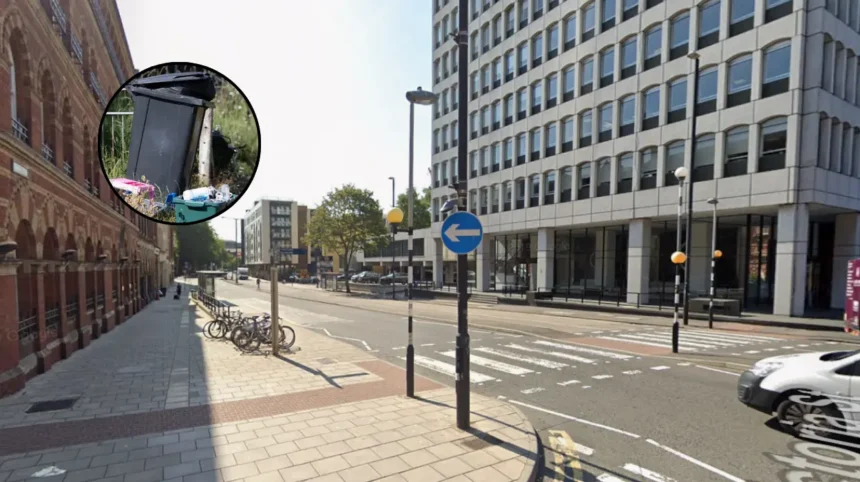
- Residents reported overflowing recycling bins in some parts of the city.
- Bristol Waste and Bristol City Council say they are preparing to respond differently to future extreme heat.
- The disruption was described to the environment policy committee as a “one-off incident”.
- Bristol Waste has since said hot weather may require earlier start times and temporary collection changes to protect workers and maintain services.
Bristol (Bristol Express News) August 4, 2026 – Extreme heat made it more difficult for bin crews to complete their scheduled rounds and recover from backlogs.
Temperatures reached 37C at the end of June, with some staff reportedly suffering heat exhaustion and taking sick leave. At the same time, an ongoing shortage of drivers placed additional pressure on the service.
Recycling volumes were also about 50% higher than normal during the heatwave and World Cup period, leading to overflowing bins and missed collections in some areas.
What did Bristol Waste and the council say?
Bristol Waste and Bristol City Council have said they are reviewing how they respond to future periods of extreme heat.
While the disruption was described as a “one-off incident” at the environment policy committee, both organisations acknowledged that hotter summers are becoming more common and require different operational planning.
Bristol Waste has also explained that very hot weather can affect the mechanisms used to compress recyclable materials inside collection vehicles, meaning crews may need to begin work earlier and make temporary adjustments to collection schedules.
What issues were reported on the ground?
Residents reported overflowing recycling bins after repeated missed collections in some neighbourhoods.
The disruption was caused not only by individual missed rounds but also by backlogs that built up as crews attempted to catch up once temperatures eased.
More recent heatwaves have also seen collection times brought forward, with residents advised to put bins out earlier than usual.
Why does the timing matter?
The disruption highlights how extreme weather can place additional strain on public services that are already facing staffing shortages and increased demand.
The experience has prompted Bristol Waste and the council to focus more on long-term planning, including earlier collection times, revised shift patterns and temporary operational changes during periods of extreme heat.
What does this mean for residents?
Residents may need to expect earlier bin collection times and occasional temporary service changes during future heatwaves.
Households are also likely to receive updated guidance on when to put bins out and what to do if collections are delayed, helping crews operate safely while maintaining essential services.
Explore More Local Bristol News
Pirate Pete’s Car and Scooter Stolen in Bristol, 2026
Bristol Train Disruption: Rail Buses Replace GWR Services August 2026
Background of the development
Bristol has experienced repeated waste collection disruption during periods of very hot weather, prompting Bristol Waste to introduce earlier start times to reduce crews’ exposure to the hottest part of the day.
The wider challenge is that increasingly frequent heatwaves are making waste collection more difficult, particularly when combined with driver shortages, staff sickness and higher recycling volumes.
What could happen next?
Future periods of extreme heat are likely to bring more temporary changes to collection schedules, including earlier start times and revised collection guidance for residents.
Bristol Waste and Bristol City Council are also expected to continue improving contingency plans, staffing resilience and communication with households to minimise disruption during hot weather.