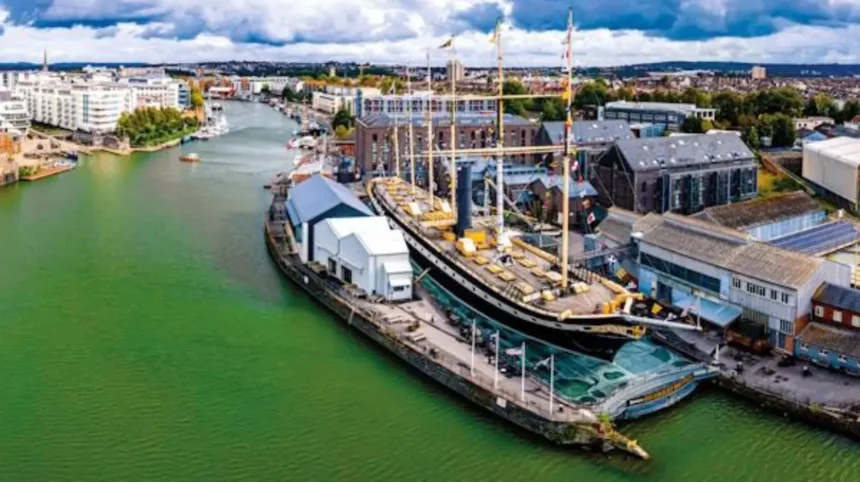
Bristol has a strong network of river walks built around the River Avon and the River Frome. These routes connect the city centre, the harbour, parks, valleys, and waterside landmarks, making Bristol one of the best UK cities for accessible riverside walking.
- What are river walks in Bristol?
- Why are Bristol river walks popular?
- Which river walks are best in Bristol?
- What can you see on a Bristol river walk?
- What is the history of Bristol’s river walks?
- Which Bristol river walk suits each type of walker?
- How long are Bristol river walks?
- How should you plan a Bristol river walk?
- Why do Bristol river walks matter today?
- What is the best overall Bristol river walk?
What are river walks in Bristol?
River walks in Bristol are walking routes that follow the River Avon, the River Frome, and connected harbour paths. They include city-centre loops, valley trails, park routes, and longer linear walks that link central Bristol with nearby districts and open spaces.
These walks are not one single route. They are a system of paths that use riverbanks, towpaths, bridges, park edges, and quiet urban corridors. Some are short and easy for casual walkers. Others cover longer distances and show more of Bristol’s landscape.
The city’s river walks work well because they mix scenery, history, and movement. They give walkers a way to travel through Bristol while staying close to water, heritage buildings, and green space.
Why are Bristol river walks popular?
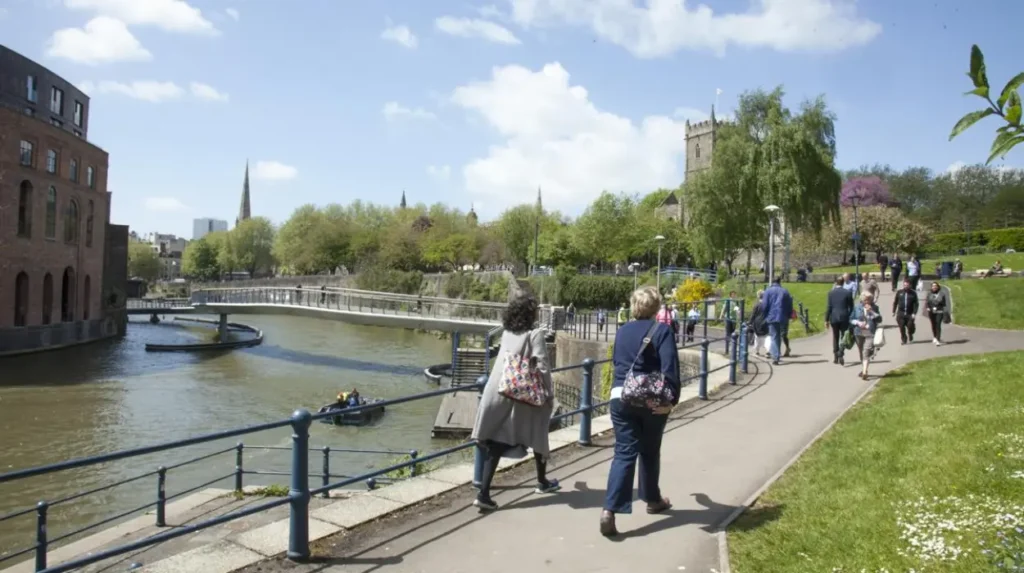
Bristol river walks are popular because they combine easy walking, strong views, and varied surroundings. They pass through central landmarks, historic waterfronts, wooded sections, and parkland, which makes them useful for residents, visitors, and regular walkers.
Many people use these routes for everyday exercise. Others use them to explore Bristol’s riverside history or to move between neighbourhoods without driving. The routes are also flexible, since many sections can be walked as short loops or extended into longer outings.
Bristol’s riverside paths also suit different walking styles. Some people want flat paths and city views. Others want quieter stretches with trees, wildlife, and less traffic. The river network supports both.
Which river walks are best in Bristol?
The best-known Bristol river walks are the River Avon Trail, the Floating Harbour and city-centre river routes, and the Frome Valley Walkway. These routes cover the main waterside landscapes in and around the city and suit different distances and interests.
The River Avon Trail is the broadest option. It follows the Avon through Bristol and beyond, linking the city with the wider Avon Valley and Bath. In Bristol, it gives walkers river scenery, urban views, and access to the harbour and gorge areas.
The city-centre river routes are best for shorter walks. A popular circular route takes in Temple Meads, Castle Park, the harbourside, the SS Great Britain, Brandon Hill, Cabot Tower, and Bristol Cathedral. This gives a compact walk with many of the city’s best-known landmarks.
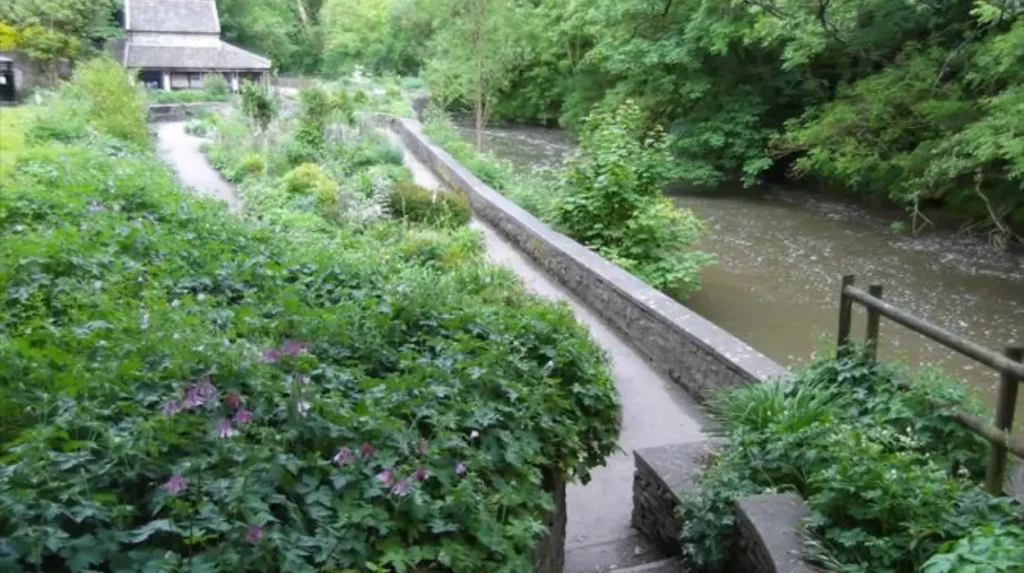
The Frome Valley Walkway is the main northern river route. It follows the River Frome from central Bristol into South Gloucestershire and offers a greener, quieter experience than the harbour paths.
What can you see on a Bristol river walk?
A Bristol river walk can include historic buildings, harbour views, bridges, parks, wildlife, and wooded river sections. Common sights include Temple Church, Castle Park, Bristol Bridge, Bristol Harbour, the SS Great Britain, and the Frome Valley’s green corridors.
The city-centre routes show Bristol’s maritime and industrial past. The harbour area includes old dockside spaces, restored buildings, and major visitor landmarks. The riverside setting gives these places a clear sense of movement and history.
Further from the centre, the scenery changes. The Frome Valley and other river-edge paths become more natural, with trees, steep-sided sections, open spaces, and quieter footpaths. These areas are popular for walking because they feel more secluded than the city core.
The Avon Gorge and related riverside paths also stand out for their dramatic landscape. They combine water, cliffs, and long views, which makes them one of the most distinctive parts of the Bristol walking network.
What is the history of Bristol’s river walks?
Bristol’s river walks grew out of the city’s port, river engineering, and public footpath networks. The modern routes follow waterways that were reshaped for trade, navigation, and pollution control, then later opened up for recreation and access.
The Floating Harbour is one of the most important parts of this history. It was created in the early 19th century to improve shipping conditions and protect the port from tidal changes. That engineering changed the shape of Bristol’s waterside and created the harbour landscape walkers use today.
The River Frome also played a major part in the city’s development. Parts of the river were altered to manage pollution and improve harbour conditions, and the modern walkway follows that historic corridor. This gives the route both a practical and historical role.
Bristol’s river walks now reflect the shift from industrial waterways to public green routes. They show how the city reused its river edges for walking, leisure, and urban connection.
Which Bristol river walk suits each type of walker?
Different Bristol river walks suit different walkers. Short harbour loops suit casual walkers, central Avon routes suit sightseeing, the River Avon Trail suits longer outings, and the Frome Valley Walkway suits walkers who want a greener and quieter route.
Casual walkers usually choose the city-centre routes because they are easy to follow and full of landmarks. These walks work well for half-day outings, photo stops, and relaxed sightseeing.
Regular walkers often prefer the wider Avon corridor because it gives more space and more variety. It can be used for repeated exercise without feeling repetitive, since the route passes through different sections of the city and surrounding valley.
Walkers who want nature and calm often choose the Frome Valley route. It has more trees, more natural river edges, and less of the built environment found in central Bristol.
How long are Bristol river walks?
Bristol river walks range from short city loops to long regional trails. Short routes can take a couple of hours, medium routes cover most of a half-day, and longer walks such as the Frome Valley Walkway extend well beyond the city centre.
Short walks are best for central Bristol. These routes usually focus on harbour paths and nearby landmarks, which makes them convenient for visitors with limited time.
Medium-length routes work well for a full morning or afternoon. They let walkers see more of the Avon corridor without needing a full-day commitment.
Longer routes are best for experienced walkers or people who want a quieter, more continuous path. The Frome Valley Walkway and the River Avon Trail both offer that kind of extended experience.
How should you plan a Bristol river walk?
The best way to plan a Bristol river walk is to choose your route length, decide whether you want city views or green space, and check your start and finish points. Bristol’s river network works well for loops, one-way walks, and linked sections.
A short city walk should start near Temple Meads, the harbour, or the central shopping area. These locations give easy access to the main riverside paths and major landmarks.
A longer walk should use a route with clear access points and transport links. The Avon and Frome corridors both have sections that are easy to enter and leave, which makes them practical for flexible planning.
Comfort matters too. Flat central paths suit most walkers, while greener valley routes feel better for people who want a quieter outing. Choosing the right route shape helps the walk feel more enjoyable.
Why do Bristol river walks matter today?
Bristol river walks matter today because they support health, tourism, heritage access, and everyday movement. They also help keep the city’s river environment visible and useful as part of public life.
These paths give residents a simple way to walk without leaving the city. They also support active travel by linking districts through direct, scenic routes.
For visitors, the walks offer a clear way to understand Bristol. The rivers show the city’s history, its harbour identity, and its modern green spaces in one connected landscape.
They also matter because riverside land is valuable in dense cities. Paths that remain open to the public improve access to nature, support recreation, and keep Bristol’s waterfront part of everyday life.
What is the best overall Bristol river walk?
The best overall Bristol river walk depends on the goal. For history and landmarks, the city-centre harbour loop works best. For longer riverside walking, the River Avon Trail is strongest. For a greener local route, the Frome Valley Walkway is the best choice.
If you want a single walk that shows Bristol’s core identity, choose the city-centre route. It combines water, heritage, and major landmarks in one compact loop.
If you want a broader river experience, choose the Avon corridor. It gives a wider sense of Bristol as a river city and connects to the wider valley landscape.
If you want a quieter natural route, choose the Frome Valley path. It gives the most tree cover, the most open green space, and the strongest sense of riverside calm.