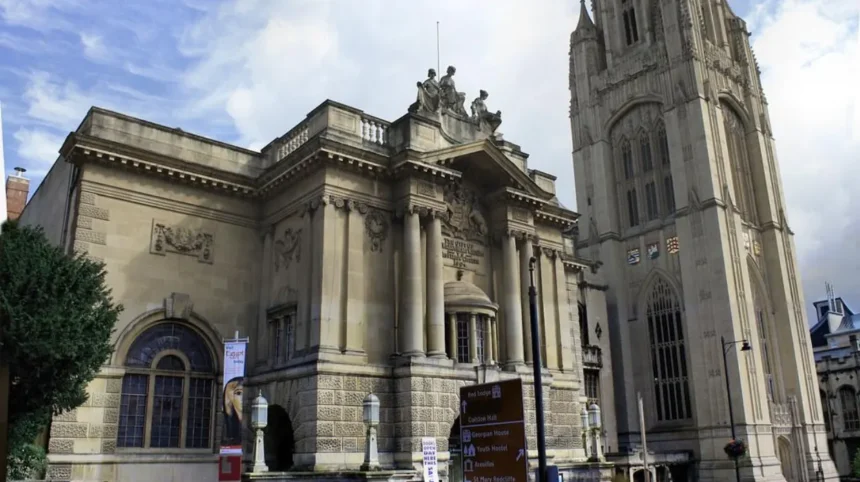
Bristol is one of the United Kingdom’s leading education cities, combining historic academic institutions, modern universities, research excellence and a diverse student population. Located in South West England, the city has developed into an important centre for higher education, technology, engineering, healthcare, creative industries and innovation.
- What are the main universities in Bristol?
- Why is Bristol considered a major university city?
- What is the history of the University of Bristol?
- What courses can students study at universities in Bristol?
- How does research influence universities in Bristol?
- What is student life like at universities in Bristol?
- How do universities in Bristol support international students?
- How do universities in Bristol contribute to the local economy?
- What makes Bristol universities different from other UK universities?
- What is the future of universities in Bristol?
The main universities in Bristol are the University of Bristol and the University of the West of England (UWE Bristol). These institutions serve thousands of undergraduate, postgraduate and international students every year. The city also hosts specialist higher education providers, including law and creative education institutions.
Bristol’s universities contribute significantly to the local economy, research development and employment market. The institutions collaborate with businesses, public organisations and international partners to create opportunities for students and communities.
What are the main universities in Bristol?
Bristol has two major universities that provide comprehensive higher education opportunities: the University of Bristol and UWE Bristol. These institutions offer undergraduate, postgraduate and research programmes across multiple academic disciplines, serving tens of thousands of students.
The University of Bristol is a research-intensive public university founded in 1876 as University College, Bristol. It received its Royal Charter in 1909 and became one of England’s leading civic universities. The institution is a member of the Russell Group, a group representing major research-intensive universities in the UK.
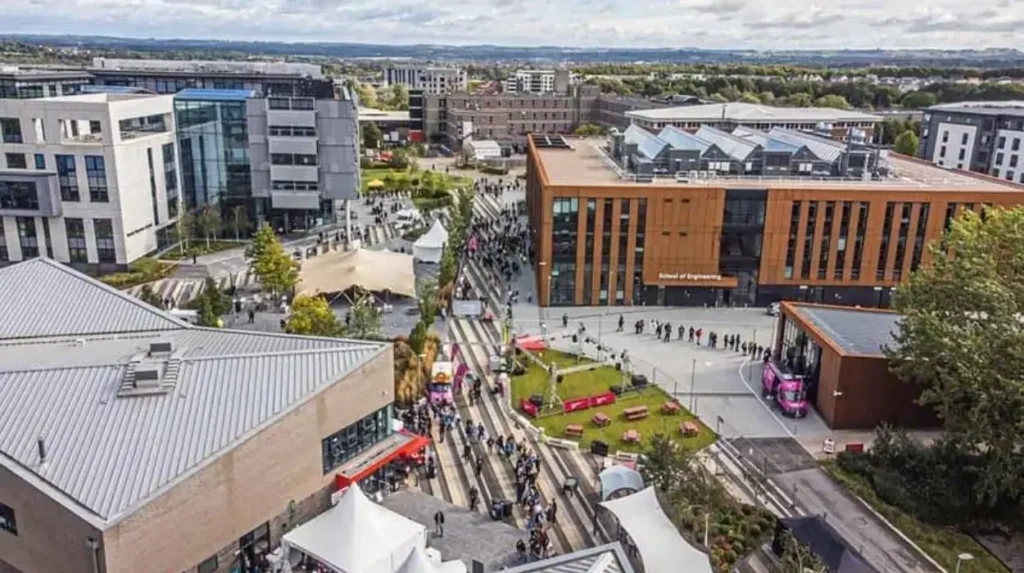
The University of the West of England Bristol (UWE Bristol) is one of the largest higher education providers in South West England. It developed from earlier technical education institutions and achieved university status in 1992. It focuses strongly on professional education, applied research and employer partnerships.
Together, these universities create a broad education ecosystem covering traditional academic research, vocational learning, professional training and industry-focused programmes.
Bristol also has specialist education providers, including institutions focused on law, arts and professional subjects. These providers expand the city’s educational diversity and attract students from across the UK and overseas.
Why is Bristol considered a major university city?
Bristol is considered a major university city because it combines internationally recognised research universities, a large student population, strong employment links and a diverse cultural environment that supports higher education.
The city has a long history of academic development connected with science, engineering, medicine and social research. Universities in Bristol contribute to national and international research projects while supporting economic growth through innovation and graduate employment.
The University of Bristol has more than 31,000 students and over 9,000 staff members, including a large international student community. The university reports significant research income and investment in campus development projects.
UWE Bristol has more than 37,000 students and over 4,000 staff members, making it one of the largest universities in the region. Its programmes focus on areas connected with industry, healthcare, business, technology and creative sectors.
The city environment strengthens the university experience. Bristol has major employment sectors including aerospace, engineering, digital technology, finance, healthcare and creative industries.
Companies and organisations located in Bristol provide internship, placement and graduate opportunities for university students. The connection between education and industry makes Bristol an important destination for higher education.
What is the history of the University of Bristol?
The University of Bristol began in 1876 as University College, Bristol and became a university through its Royal Charter in 1909, creating a historic centre for research and education in England.
The university developed from Bristol’s tradition of scientific learning and civic education. Its foundation reflected the growth of modern universities during the nineteenth century when cities created institutions focused on accessible higher education.
A significant milestone was the university’s commitment to gender equality. The University of Bristol became the first higher education institution in England to admit women on the same basis as men.
During the twentieth century, the university expanded its academic departments, research facilities and international partnerships. It became recognised for strengths in medicine, engineering, science, economics, law and social sciences.
Today, the University of Bristol operates as a global research institution with hundreds of degree programmes and extensive research activity. It continues to contribute to developments in areas such as artificial intelligence, health sciences, climate research and engineering.
What courses can students study at universities in Bristol?
Universities in Bristol offer thousands of courses across subjects including engineering, medicine, business, law, arts, sciences, computing, education and healthcare, providing options for undergraduate and postgraduate students.
The University of Bristol provides courses through multiple faculties covering disciplines such as:
- Engineering, including aerospace engineering and civil engineering.
- Health sciences, including medicine and dentistry.
- Science subjects, including chemistry, biology and mathematics.
- Social sciences, including economics and politics.
- Arts and humanities, including history, languages and philosophy.
The university offers more than 600 undergraduate and postgraduate degree options across different subject areas.
UWE Bristol focuses strongly on career-focused education. Popular subject areas include:
- Business and management.
- Engineering and technology.
- Architecture and construction.
- Health and social care.
- Creative industries.
- Law and criminology.
Many programmes include professional accreditation, workplace experience and practical learning opportunities.
The wide range of courses allows students to select traditional academic degrees or professionally oriented programmes designed around specific career pathways.
How does research influence universities in Bristol?
Research is a central part of Bristol universities, with institutions conducting projects in science, technology, healthcare, engineering and social development that create national and international impact.
The University of Bristol is recognised as a research-intensive university with global research partnerships. Its research activities include areas such as robotics, aerospace technology, climate science, medical innovation and advanced materials.
The university has achieved strong international rankings based on research and teaching performance. It consistently appears among leading UK universities and global institutions.
UWE Bristol focuses on applied research that connects academic knowledge with real-world challenges. Research projects involve collaboration with businesses, government organisations and community partners.
Examples of research areas across Bristol universities include:
- Artificial intelligence and digital technologies.
- Sustainable engineering.
- Healthcare innovation.
- Environmental science.
- Urban development.
- Creative technology.
Research activities create opportunities for postgraduate students, doctoral researchers and industry professionals.
What is student life like at universities in Bristol?
Student life in Bristol combines academic study with cultural activities, student societies, entertainment, employment opportunities and access to one of the UK’s most creative cities.
Bristol has a large student population that contributes to the city’s diverse atmosphere. Students experience a combination of historic neighbourhoods, modern facilities, green spaces and cultural venues.
University students participate in societies, sports clubs, volunteering projects and academic communities. Student unions support representation, activities and welfare services.
The University of Bristol Students’ Union provides opportunities through hundreds of student groups and activities. UWE Bristol also provides clubs, societies, career support and wellbeing services.
The city offers attractions including museums, music venues, theatres, festivals and independent businesses. Areas such as Clifton, Harbourside and the city centre are popular among students.
Bristol’s transport connections also support student mobility. The city has rail links, bus networks and cycling infrastructure connecting campuses with residential areas.

How do universities in Bristol support international students?
Universities in Bristol support international students through dedicated services, global partnerships, academic guidance, language assistance and multicultural campus communities.
Bristol attracts students from many countries because of its academic reputation and international connections.
The University of Bristol welcomes thousands of international students and maintains partnerships with institutions worldwide. International students contribute to the cultural diversity of the university community.
Support services include:
- International student orientation.
- Visa guidance.
- Academic support.
- Careers advice.
- Accommodation assistance.
- Cultural societies.
UWE Bristol also has a significant international community and provides support services designed to help overseas students adapt to university study in the UK.
International students benefit from Bristol’s global industries and employment opportunities after graduation.
How do universities in Bristol contribute to the local economy?
Universities in Bristol contribute to the local economy through employment, research investment, business partnerships, innovation projects and graduate skills development.
Higher education is one of Bristol’s major economic sectors. Universities employ thousands of academic and professional staff while attracting students who contribute to local businesses.
Students support sectors including:
- Housing.
- Retail.
- Hospitality.
- Transport.
- Entertainment.
Universities also create innovation through research partnerships with companies and public organisations.
The University of Bristol invests in major campus developments, including projects designed to improve research facilities and learning environments.
Graduate employment strengthens the regional workforce. Many students remain in Bristol after completing their studies and contribute skills to technology, healthcare, engineering and creative industries.
Explore More Area Guide
Nurseries in Bristol: Complete Guide 2026
Best Primary Schools in Bristol: Admissions, Results and Guide 2026
What makes Bristol universities different from other UK universities?
Bristol universities stand out because they combine historic academic reputation, research strength, professional education, industry connections and a vibrant city environment.
The University of Bristol provides a traditional research university experience with global recognition. Its academic strengths and research activities attract students seeking internationally recognised qualifications.
UWE Bristol provides a practical and career-focused approach with strong links to employers and professional sectors.
The combination of both universities gives Bristol a balanced higher education system.
Students can choose between research-led education, professional courses, creative programmes and industry-focused learning.
What is the future of universities in Bristol?
The future of universities in Bristol focuses on research innovation, sustainability, digital transformation, industry collaboration and expanding opportunities for students from diverse backgrounds.
Universities are increasing investment in modern facilities, technology and sustainable campuses.
Future priorities include:
- Artificial intelligence research.
- Climate solutions.
- Healthcare innovation.
- Skills development.
- Business partnerships.
Universities in Bristol are also increasing regional collaboration. Organisations across the West of England are developing stronger connections between universities, colleges and industries to improve education and economic opportunities.
As technology and employment needs change, Bristol universities continue adapting courses and research programmes to prepare students for future careers.
Universities in Bristol represent one of the strongest higher education networks in South West England. The University of Bristol and UWE Bristol provide diverse academic opportunities, internationally recognised research, professional training and strong connections with industry.
The city’s combination of education, innovation and culture makes Bristol an important destination for students from the UK and around the world. With continued investment in research, technology and student experience, Bristol’s universities remain central to the future development of higher education in Britain.
How many universities are there in Bristol?
Bristol has two major universities: the University of Bristol and the University of the West of England (UWE Bristol). Both institutions provide undergraduate, postgraduate and research programmes across a wide range of subjects.