Bristol has one of the most distinctive musical histories in the United Kingdom. Its music culture developed through centuries of religious music, maritime trade, migration, African-Caribbean heritage, independent venues, punk, reggae, hip-hop, electronic music and internationally recognised recording artists. The city became particularly influential during the late twentieth century through the emergence of the Bristol Sound, a musical movement associated with Massive Attack, Portishead, Tricky and Roni Size.
- What Is the History of Music in Bristol?
- How Did Bristol Cathedral Influence the City’s Early Music History?
- When Did Bristol Become an Important Centre for Public Concerts?
- The Opening of Colston Hall in 1867
- Fires and Reconstruction
- Why Was Colston Hall Renamed Bristol Beacon?
- How Did Bristol’s Maritime History Influence Its Musical Culture?
- Migration and Cultural Exchange
- The Historical Context of the Slave Trade
- Music as a Record of Social History
- How Did Reggae and African-Caribbean Music Shape Bristol?
- What Were Bristol’s Sound Systems?
- Black Roots and Bristol Reggae
- St Paul’s Carnival and Music Heritage
- What Was the Bristol Sound and How Did Trip-Hop Develop?
- The Wild Bunch Collective
- Massive Attack and Blue Lines
- Portishead and the Album Dummy
- Tricky and Maxinquaye
- How Did Bristol’s Punk and Alternative Music Scenes Develop?
- How Did Drum and Bass Become Part of Bristol’s Music History?
- Which Historic Music Venues Have Shaped Bristol’s Music Scene?
- How Have Bristol’s Music Festivals Preserved Local Musical Heritage?
- How Has Bristol Music Influenced British and International Culture?
- Where Can Visitors Explore Bristol’s Music History Today?
- How Does Music Education Support Bristol’s Contemporary Music Scene?
- Why Does Bristol’s Music History Remain Important Today?
Bristol’s musical identity reflects its social history and cultural diversity. Its port connected the city with international communities, while its neighbourhoods developed independent musical traditions through local performers, record shops, sound systems, clubs and community festivals. These influences created a music scene that combines traditional performance with contemporary experimentation.
Today, Bristol remains an important centre for live music, independent creativity and music education. Historic institutions such as Bristol Beacon, Bristol Cathedral and independent venues such as The Fleece and Thekla connect the city’s musical past with its contemporary cultural life.
What Is the History of Music in Bristol?
Bristol’s music history spans nearly nine centuries of documented musical activity, from medieval cathedral singing to contemporary electronic music. Its development reflects religious traditions, maritime connections, migration, African-Caribbean culture, independent music communities and internationally influential musicians.
Bristol’s musical heritage developed alongside its growth as a major English port and commercial centre. The city attracted merchants, sailors, workers, performers and communities from different parts of Britain and overseas. These connections introduced musical traditions that influenced local entertainment, religious ceremonies and popular culture.
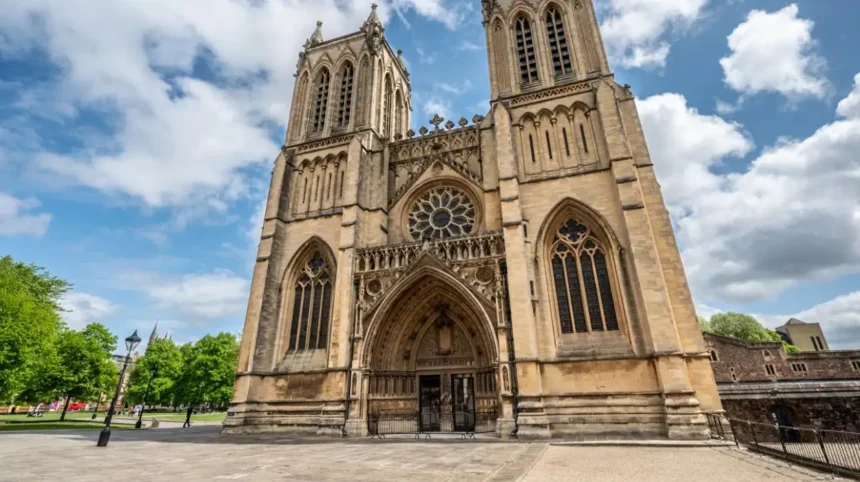
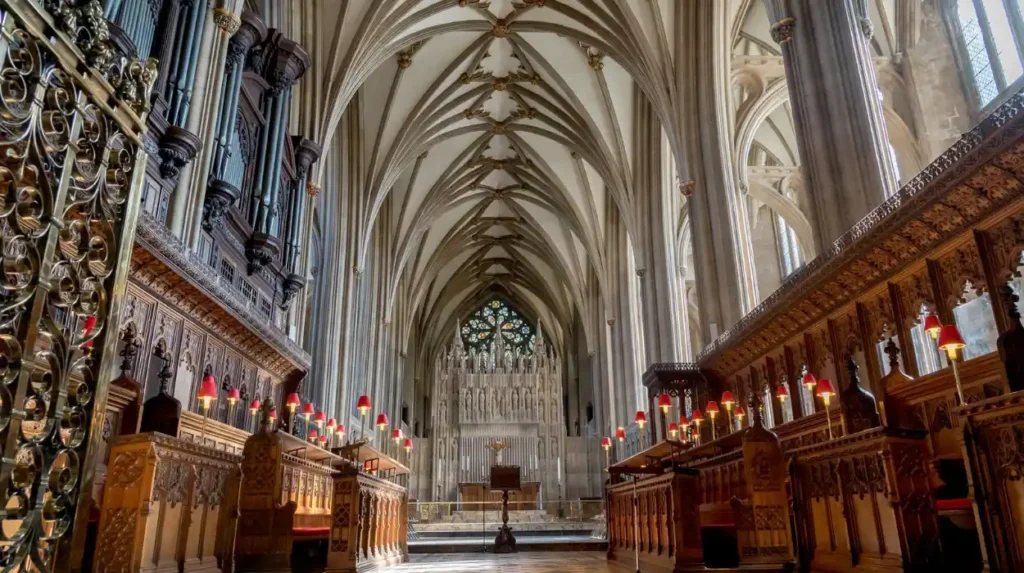
One of Bristol’s oldest documented musical traditions comes from Bristol Cathedral. Choral singing has taken place at the cathedral site since the twelfth century. The University of Bristol confirms that the building has a long history of choral music, with a full-time organist appointed in 1542. University of Bristol+1
During subsequent centuries, music became established in several parts of Bristol’s public and cultural life. Churches maintained musical traditions, theatres provided entertainment, and concert halls introduced organised performances for wider audiences.
The nineteenth century brought greater investment in public entertainment and formal concert facilities. Bristol’s expanding population created demand for orchestral performances, theatrical productions and organised musical events.
During the twentieth century, immigration and changing youth cultures transformed the city’s musical landscape. African-Caribbean communities established reggae and sound-system traditions, while punk, hip-hop and electronic music influenced younger generations.
By the 1990s, Bristol had achieved international recognition through trip-hop and drum and bass. This development established the city as an important centre of British popular music.
How Did Bristol Cathedral Influence the City’s Early Music History?
Bristol Cathedral helped establish the city’s earliest documented musical traditions through centuries of choral singing, religious services and organ performance. Its musical history connects medieval worship with modern concerts, education and continuing professional choral activity.
Bristol Cathedral is one of the most important historical institutions associated with the city’s music heritage. Its origins as a religious establishment date to the medieval period, when organised singing formed an essential part of Christian worship.
A choir has sung at the cathedral site since the Augustinian monastery was founded in 1140. When the church became Bristol Cathedral in 1542, its statutes included provisions for maintaining the choir.
Medieval Choral Traditions
Medieval religious music relied heavily on vocal performance. Monastic communities used singing during daily services, religious celebrations and important church ceremonies.
Choristers received musical instruction to perform the religious repertoire. This tradition contributed to the development of formal music education in Bristol.
The Role of Organ Music
The cathedral’s musical development also involved organ performance. Bristol Cathedral has maintained a full-time organist since 1542, demonstrating the importance of instrumental music in its religious and cultural activities.
Organ music became an important part of public worship, ceremonial occasions and special musical performances.
Bristol Cathedral Choir Today
The cathedral continues its longstanding choral tradition through regular worship and musical performances. Its activities connect historic religious music with contemporary audiences.
The University of Bristol has also researched the cathedral’s acoustic environment. A 2017 research project explored how sound travels through the building and how visitors experience silence, singing and live performance.
When Did Bristol Become an Important Centre for Public Concerts?
Bristol developed a major public concert culture during the nineteenth century as population growth increased demand for organised entertainment. Bristol Beacon, originally opened as Colston Hall in 1867, became one of the city’s most important venues for orchestral music and public performances.
The establishment of permanent concert venues transformed Bristol’s musical landscape. Public halls provided dedicated spaces for orchestras, visiting performers, theatrical productions and large musical gatherings.
The Opening of Colston Hall in 1867
Bristol Beacon first opened on 20 September 1867 under the name Colston Hall. Local architects Foster and Wood designed the original building in the Bristol Byzantine architectural style.
The hall was developed through a private initiative supported by local businessmen. It was built on the site of the former Colston Boys’ School, rather than being funded by Edward Colston.
The venue became an important centre for public entertainment and musical performances.
Fires and Reconstruction
The original concert hall suffered a serious fire in 1898. Its main interior was destroyed, although parts of the surrounding building survived.
The hall reopened in 1900 following reconstruction. Further redevelopment took place during the twentieth century, including rebuilding after another fire in 1945. The reconstructed venue reopened in 1951.
These changes allowed the building to continue serving Bristol’s expanding cultural community.
Why Was Colston Hall Renamed Bristol Beacon?
On 23 September 2020, the organisation announced its new name, Bristol Beacon. The decision addressed the former name’s association with Edward Colston, a merchant and slave trader whose legacy became a subject of public debate.
The organisation explained that the new name represented its commitment to becoming a more welcoming and inclusive cultural institution. The venue reopened following a major transformation in November 2023.
Bristol Beacon now represents an important connection between the city’s historical concert culture and its contemporary music industry.
How Did Bristol’s Maritime History Influence Its Musical Culture?
Bristol’s maritime connections helped create a culturally diverse musical environment through centuries of international trade, migration and movement between communities. Its port history contributed to the social conditions that later supported African-Caribbean music, reggae, sound systems and experimental popular music.
Bristol developed as a significant trading port because of its position on the River Avon and its access to the Bristol Channel. Maritime commerce connected the city with destinations across Europe, Africa, the Caribbean and North America.
These connections influenced Bristol’s population, economy and cultural development.
Migration and Cultural Exchange
International migration introduced different languages, religious practices, musical traditions and performance styles into Bristol.
African-Caribbean communities became particularly influential in the city’s modern musical history. Jamaican musical traditions, including reggae, dub and sound-system culture, developed strong connections with neighbourhoods such as St Paul’s.
These influences did not operate separately from other musical traditions. They interacted with British punk, American hip-hop, funk, soul and electronic music.
The Historical Context of the Slave Trade
Bristol’s maritime wealth was also connected to the transatlantic slave trade. Bristol merchants and shipping interests participated in the transportation and enslavement of African people.
This history forms an essential part of understanding the city’s later cultural development. African-Caribbean communities established important musical and social institutions within a city shaped by this difficult past.
Music became an important means of cultural expression, community organisation and the preservation of heritage.
Music as a Record of Social History
Bristol’s musical development demonstrates how migration and community experiences influence artistic production.
The city’s reggae, hip-hop and trip-hop traditions reflect cultural exchange between different communities. They also provide historical evidence of how local identity developed through music, nightlife and independent creative activity.
How Did Reggae and African-Caribbean Music Shape Bristol?
Reggae and African-Caribbean music became central to Bristol’s cultural identity through community sound systems, local bands, record shops and St Paul’s Carnival. Jamaican musical traditions influenced generations of Bristol performers and helped establish foundations for later hip-hop, trip-hop and electronic music.
Reggae became an important part of Bristol’s musical development during the second half of the twentieth century. Jamaican migrants brought musical traditions that became established within local communities.
Sound systems played a central role in this development. These mobile or locally established music setups used powerful speakers, turntables, amplifiers and microphones to create public dance events.
What Were Bristol’s Sound Systems?
Sound systems are music-playing organisations built around DJs, selectors, MCs and customised audio equipment.
They developed from Jamaican musical culture and became particularly important within British African-Caribbean communities.
In Bristol, sound-system events provided spaces for reggae, ska, dub and dancehall. They also helped local musicians develop performance skills and build audiences.
The tradition later influenced electronic music and DJ culture across the city. DOI+1
Black Roots and Bristol Reggae
Black Roots became one of Bristol’s best-known reggae groups.
Formed in St Paul’s in 1979, the band represented the strength of the city’s local roots-reggae movement.
Another important group was Talisman. Both groups helped bring Bristol reggae to wider audiences through recordings and performances.
Bristol Museums’ account of the city’s reggae scene documents the activities of Black Roots, Talisman and other local performers during the 1980s. museums.bristol.gov.uk
St Paul’s Carnival and Music Heritage
St Paul’s Carnival began in 1968 as St Paul’s Festival, a multicultural community celebration.
Its identity developed increasingly around African-Caribbean culture during the following decades. Bristol Archives records that Trinidadian Francis Salandy became the festival organiser in 1975, contributing to its stronger Caribbean cultural identity.
The carnival features music, dance, performances, community activities and sound systems. Its cultural importance extends beyond a single annual event through educational programmes and year-round community engagement.
The organisation reports that its Carnival 365 education programme delivers talks and workshops to more than 6,000 students annually.
St Paul’s Carnival remains an important example of how music preserves community identity and connects younger generations with African-Caribbean heritage.
What Was the Bristol Sound and How Did Trip-Hop Develop?
The Bristol Sound describes a distinctive musical style that emerged from Bristol’s underground music communities during the 1980s and 1990s. It combined hip-hop, reggae, dub, soul, funk and electronic production, becoming internationally recognised through Massive Attack, Portishead and Tricky.
The Bristol Sound is one of the most internationally recognised developments in the city’s musical history.
The movement emerged from collaborations between DJs, musicians, producers and underground music communities. Its distinctive production combined sampled sounds, electronic beats, atmospheric arrangements and influences from several musical traditions.
The term trip-hop became widely associated with this music during the 1990s. However, academic research highlights that some of the leading artists rejected the label because they considered it too restrictive.
The Wild Bunch Collective
The Wild Bunch was central to the development of Bristol’s underground music culture.
The collective emerged during the early 1980s and organised parties influenced by Jamaican sound-system traditions and American hip-hop.
Its musical approach combined reggae, dub, funk, soul, rap and electronic sounds. These parties provided a meeting point for musicians and audiences from different cultural backgrounds.
Members and associates included Robert Del Naja, Grant Marshall, Andrew Vowles, Nellee Hooper and Tricky.
The Wild Bunch helped establish the creative environment from which several internationally recognised Bristol musicians emerged.
Massive Attack and Blue Lines
Massive Attack developed from the Wild Bunch scene.
The group was formed in 1988 by Robert Del Naja, Grant Marshall and Andrew Vowles.
In 1991, Massive Attack released Blue Lines, an influential album that helped establish the Bristol Sound internationally.
The album featured collaborations with vocalists including Shara Nelson and Horace Andy. Its musical arrangements combined hip-hop rhythms, reggae influences, soul vocals and atmospheric electronic production.
The track Unfinished Sympathy became one of the group’s best-known recordings.
Portishead and the Album Dummy
Portishead became another defining act associated with the Bristol Sound.
The group featured Beth Gibbons, Geoff Barrow and Adrian Utley.
Its debut album, Dummy, was released in 1994 and won the 1995 Mercury Music Prize.
Portishead developed a distinctive musical approach using atmospheric production, cinematic arrangements, sampled sounds and Gibbons’s expressive vocals.
The album helped establish Bristol as a major centre of innovative British electronic music. British Council+1
Tricky and Maxinquaye
Tricky emerged from the same underground musical environment.
Born Adrian Thaws in Bristol, Tricky became associated with the Wild Bunch and Massive Attack before establishing a solo career.
His debut album, Maxinquaye, appeared in 1995. The recording combined hip-hop, dub, electronic production and experimental vocal arrangements.
Together, Massive Attack, Portishead and Tricky established an internationally recognised musical identity for Bristol.
How Did Bristol’s Punk and Alternative Music Scenes Develop?
Bristol’s punk and alternative music scenes developed through independent musicians, experimental bands, underground clubs and local performance spaces. These communities challenged conventional musical structures and contributed to the city’s reputation for artistic independence, political expression and cross-genre collaboration.
The Bristol music scene was never limited to trip-hop or reggae. Punk and alternative music provided another important foundation for the city’s creative identity.
During the late 1970s and early 1980s, British punk influenced musicians who wanted to experiment with sound, performance and political expression.
The Pop Group
The Pop Group became one of Bristol’s influential post-punk groups.
Formed in the late 1970s, the band combined punk energy with funk, dub, jazz and experimental musical techniques.
Its debut album, Y, was released in 1979. The recording demonstrated an unconventional approach that influenced later experimental and alternative musicians.
The British Council identifies The Pop Group as an important early influence on the development of Bristol’s distinctive musical identity.
The Influence of Independent Music
Independent music communities created opportunities for performers who operated outside major record companies.
Local promoters, small venues, independent record labels and specialist record shops helped musicians develop audiences.
These networks also encouraged collaboration between different musical genres.
Bristol’s alternative scene therefore contributed to the conditions that supported later electronic, experimental and independent rock music.
How Did Drum and Bass Become Part of Bristol’s Music History?
Drum and bass became an important part of Bristol’s musical identity during the 1990s through electronic producers, DJs, club culture and experimental production. Roni Size and Reprazent brought international attention to the city’s contribution to British dance music.
Drum and bass developed from British electronic dance music during the early 1990s. Its sound features fast breakbeats, heavy basslines, electronic production and complex rhythmic arrangements.
Bristol’s existing sound-system culture provided an important foundation for this development.
The city’s DJs and producers had already experimented with reggae, dub, hip-hop and electronic music. These musical influences supported the emergence of faster and more rhythmically complex styles.
Roni Size and Reprazent
Roni Size became one of the most important figures associated with Bristol drum and bass.
He established Reprazent as a collaborative project involving musicians and producers.
In 1997, Reprazent released New Forms. The album won the Mercury Music Prize in the same year, bringing major recognition to Bristol’s electronic music community.
The Relationship Between Reggae and Drum and Bass
Reggae and dub influenced the development of British electronic music through their emphasis on bass, rhythm and sound-system performance.
Bristol producers developed these influences through sampling, digital production and club-oriented arrangements.
Drum and bass expanded the city’s musical identity beyond trip-hop and established another international connection between Bristol and contemporary electronic music.
Which Historic Music Venues Have Shaped Bristol’s Music Scene?
Bristol’s historic music venues have supported generations of performers, independent promoters and audiences. Bristol Beacon, The Fleece, The Louisiana and Thekla represent different stages of the city’s musical development, from traditional concerts to underground rock and electronic club culture.
Music venues are essential to Bristol’s cultural history because they provide spaces where musicians perform, audiences discover new artists and local communities develop.
Bristol Beacon
Bristol Beacon remains one of the city’s most important concert institutions.
Its history began in 1867, and its programme has included orchestral music, contemporary performers and cultural events. Following extensive redevelopment, the venue reopened in November 2023.
Its modern facilities support concerts, music education and performances across different musical genres.
The Fleece
The Fleece is an independent music venue in a historic building formerly used as a wool market.
The building dates to 1830, and The Fleece became a music venue in 1982. It has hosted major performers during their earlier careers, including Radiohead, Oasis, Muse and Amy Winehouse.
The venue has a capacity of approximately 450 people and continues to support live music and club events. VisitBristol.info
The Louisiana
The Louisiana is an independent venue known for introducing audiences to emerging performers.
Its history became particularly important during the 1990s. Following a fire at The Fleece in 1996, promoters moved performances to an upstairs room at The Louisiana.
Early performances by Placebo and Super Furry Animals helped establish the venue as an important destination for new music.
The Louisiana has a capacity of approximately 140 people and continues to support emerging performers.
Thekla
Thekla is one of Bristol’s most recognisable music venues because it operates aboard a converted ship.
The vessel arrived in Bristol in 1984, brought by Ki Longfellow and Vivian Stanshall. It initially hosted theatre, cabaret and live performances before reopening as Thekla in April 1987.
The venue subsequently became an established location for live music, DJs and club events. Thekla Bristol+1
These venues demonstrate how Bristol’s music industry developed through both large concert institutions and smaller independent performance spaces.
How Have Bristol’s Music Festivals Preserved Local Musical Heritage?
Bristol’s music festivals preserve local heritage by connecting musicians, audiences and community organisations through public performances. St Paul’s Carnival represents the city’s African-Caribbean traditions, while contemporary festivals provide platforms for electronic, alternative, classical and independent music.
Festivals are an important part of Bristol’s music culture because they bring performances outside traditional concert venues.
They also provide opportunities for local musicians to reach larger audiences and for communities to celebrate their cultural identities.
St Paul’s Carnival
St Paul’s Carnival is one of the most significant cultural events associated with Bristol’s African-Caribbean heritage.
Established in 1968, the event developed from a multicultural community festival into a major celebration of Caribbean culture.
Its musical programme includes reggae, dancehall, sound-system performances and other forms of contemporary music.
Bristol Harbour Festival
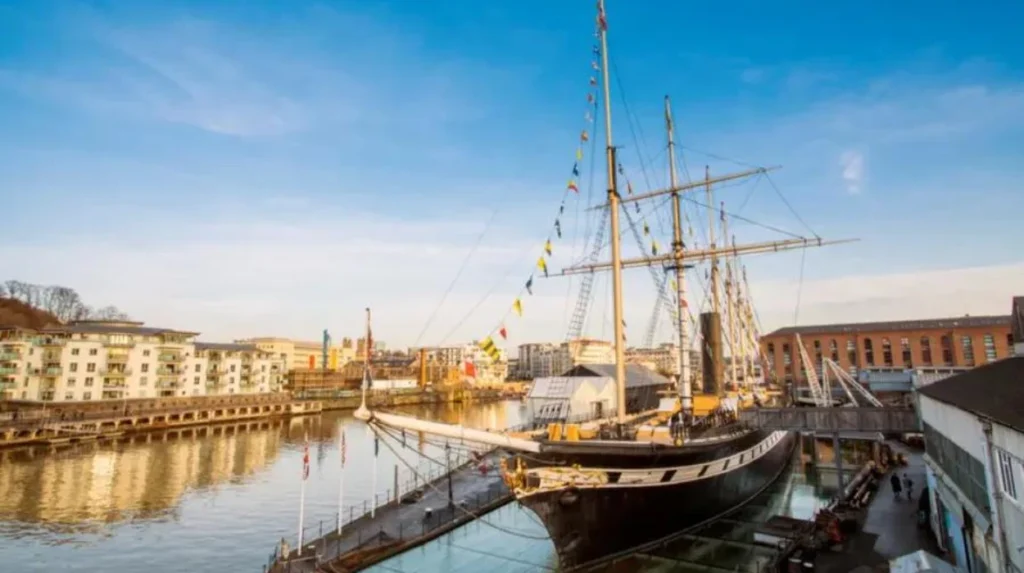
Bristol Harbour Festival is associated with the city’s historic waterfront.
The harbour provides a setting for public performances, entertainment and cultural activities.
Its connection with Bristol’s maritime landscape makes it an important example of how the city’s public spaces contribute to cultural activity.
Independent Music Festivals
Bristol also has a strong tradition of independent music events and club culture.
These events support electronic producers, DJs, alternative musicians and emerging performers.
The wider festival environment creates opportunities for musical collaboration and introduces audiences to genres beyond mainstream popular music.
How Has Bristol Music Influenced British and International Culture?
Bristol has influenced British and international music through trip-hop, reggae, post-punk and drum and bass. Artists developed in the city introduced new production techniques, cross-cultural collaborations and electronic arrangements that influenced musicians, record producers and audiences worldwide.
Bristol’s international musical influence developed through the combination of local communities and global musical traditions.
The city’s performers did not depend on one established musical genre. Instead, they combined different styles and developed new approaches to songwriting, production and live performance.
International Influence of Trip-Hop
Massive Attack, Portishead and Tricky helped bring Bristol’s underground music to international audiences.
Their recordings introduced distinctive combinations of sampled instruments, electronic beats, atmospheric arrangements and vocal experimentation.
The albums Blue Lines, Dummy and Maxinquaye became important reference points in discussions of 1990s British electronic music.
Influence on Electronic Production
Bristol’s producers developed musical approaches that combined sampling, live instruments and digital production.
These methods influenced subsequent electronic and alternative music.
Roni Size and Reprazent further expanded the city’s influence through drum and bass, demonstrating the international reach of Bristol’s club culture.
Influence of Community Music
The city’s African-Caribbean music communities also contributed to Britain’s wider musical development.
Reggae, dub and sound-system traditions influenced generations of DJs and producers.
These traditions demonstrated how local community organisations could become important sources of musical innovation.
Bristol’s musical influence therefore extends beyond commercially successful recordings. Its history also includes the cultural networks, performance spaces and community traditions that made those recordings possible.
Where Can Visitors Explore Bristol’s Music History Today?
Visitors can explore Bristol’s music history through historic concert halls, cathedral spaces, independent venues, museums and neighbourhoods associated with reggae and trip-hop. Bristol Beacon, M Shed, St Paul’s, The Fleece and Thekla provide important connections with the city’s musical heritage.
Bristol offers several locations where visitors can understand the relationship between music, architecture, community and urban development.
Bristol Beacon
Bristol Beacon is an essential destination for understanding the city’s concert history.
Visitors can explore the building’s architectural heritage and attend performances representing classical, contemporary and popular music.
Its historical exhibitions and interpretation also address the venue’s changing identity.
M Shed Museum
M Shed documents Bristol’s history through collections relating to the city’s people, industries, communities and cultural development.
Bristol Museums’ collection material includes historical information about the Wild Bunch and Massive Attack, connecting the city’s popular music history with its wider social heritage. museums.bristol.gov.uk+1
St Paul’s
St Paul’s is particularly important for understanding Bristol’s reggae and African-Caribbean music traditions.
The neighbourhood’s history connects sound-system culture, Black Roots, community celebrations and the development of the Wild Bunch.
Visitors interested in the origins of the Bristol Sound should understand the importance of this neighbourhood.
The Fleece and The Louisiana
These independent venues provide a connection with Bristol’s live music culture.
Their histories demonstrate the importance of small performance spaces in supporting new musicians and creating opportunities for independent promoters.
Thekla
Thekla offers a distinctive example of Bristol’s relationship with music, entertainment and its historic harbour.
Its converted ship structure makes it an identifiable part of the city’s contemporary nightlife and live music heritage.
Explore More Area Guide
Bristol Industrial Heritage: Factories, Docks and Engineering History
Bristol Maritime History: From Roman Port to Global Shipping Hub
How Does Music Education Support Bristol’s Contemporary Music Scene?
Music education supports Bristol’s contemporary music scene through schools, universities, professional training, community programmes and performance opportunities. These institutions help develop musicians, producers, researchers and audiences while preserving the city’s historical musical knowledge.
Music education is an important part of Bristol’s continuing musical development.
It provides structured opportunities for people to learn instruments, develop performance skills and understand music production.
University of Bristol
The University of Bristol supports academic research into composition, musicology and performance.
Its Department of Music investigates subjects including music and society, popular music, hip-hop, historical performance and contemporary composition.
These research areas connect musical practice with cultural history and social change. University of Bristol
Bristol Cathedral Choir School
Bristol Cathedral Choir School maintains a long musical tradition.
The school’s history connects with the cathedral’s medieval choral heritage. Children have sung at the site since the twelfth century, and the school continues to educate choristers for Bristol Cathedral Choir. Home
Bristol Beacon Music Education
Bristol Beacon supports music education alongside its work as a concert venue.
Its wider role includes opportunities for musical participation, performance and engagement with different communities.
These activities connect the city’s historic concert institution with younger generations and developing musicians.
Why Does Bristol’s Music History Remain Important Today?
Bristol’s music history remains important because it documents the relationship between cultural diversity, migration, community identity and artistic innovation. Its historic institutions and independent music networks continue to support live performance, music education and internationally connected creative industries.
Bristol’s musical heritage provides a detailed record of how the city’s cultural identity developed.
Its history includes medieval choral traditions, nineteenth-century concert institutions, African-Caribbean sound systems, post-punk experimentation, trip-hop and electronic dance music.
Preserving Cultural Identity
Music preserves traditions that connect communities with their historical experiences.
St Paul’s Carnival demonstrates the importance of African-Caribbean cultural heritage, while Bristol Cathedral maintains centuries-old choral traditions.
Both examples show how different musical communities contribute to the city’s identity.
Supporting Independent Creativity
Independent venues provide essential opportunities for new performers.
The Fleece, The Louisiana and Thekla demonstrate how smaller spaces contribute to the development of musicians and the discovery of emerging musical styles.
These venues also maintain local performance networks and support the wider creative economy.
Maintaining International Recognition
Bristol’s contribution to trip-hop and drum and bass continues to shape its international reputation.
The achievements of Massive Attack, Portishead, Tricky and Roni Size connect the city’s music history with contemporary global culture.
Their influence also demonstrates how local musical communities create developments that reach audiences far beyond their original neighbourhoods.
The Future of Bristol’s Music Heritage
Bristol’s musical future depends on maintaining access to performance spaces, music education and community participation.
Historic venues, independent promoters, cultural organisations and educational institutions all contribute to this process.
The continued preservation of Bristol’s musical archives and community histories also ensures that future generations can understand the people and places behind the city’s distinctive sound.
Bristol music history is a record of centuries of cultural development, community creativity and musical innovation. From the medieval singing traditions of Bristol Cathedral to the nineteenth-century establishment of Bristol Beacon, the city developed a strong foundation for public musical performance.
African-Caribbean communities subsequently transformed Bristol’s musical identity through reggae, dub, sound systems and St Paul’s Carnival. The Wild Bunch helped establish the foundations for the Bristol Sound, while Massive Attack, Portishead and Tricky brought the city’s experimental music to international attention. Roni Size and Reprazent further established Bristol’s contribution to drum and bass.
Today, Bristol’s musical heritage remains visible through its concert halls, independent venues, museums, educational institutions and community festivals. These connections make Bristol an important destination for understanding the development of British music and the continuing influence of local culture on international musical movements.
What is Bristol famous for in music history?
Bristol is famous for developing the Bristol Sound, particularly trip-hop and drum and bass. The city is associated with internationally recognised artists including Massive Attack, Portishead, Tricky and Roni Size.