Bristol is one of the UK’s most established creative cities, with an art scene shaped by its maritime history, independent culture, contemporary artists and internationally recognised street art. The city offers a wide range of art galleries, from historic institutions displaying European paintings to independent exhibition spaces showcasing emerging talent, photography, sculpture and experimental installations.
- What Makes Bristol an Important Destination for Art Galleries?
- Which Are the Most Important Art Galleries in Bristol?
- Royal West of England Academy
- Arnolfini
- Spike Island
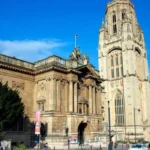
- Bristol Museum & Art Gallery
- Martin Parr Foundation
- Which Independent Art Galleries Are Worth Visiting in Bristol?
- Where Can Visitors Explore Photography and Contemporary Art in Bristol?
- What Makes Bristol’s Photography Scene Important?
- How Do Contemporary Art Centres Support Emerging Artists?
- Which Areas of Bristol Have the Best Concentration of Art Galleries?
- What Types of Exhibitions Can Visitors See in Bristol Art Galleries?
- Historical and Classical Art
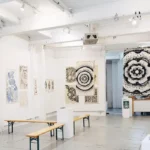
- Contemporary Installations and Experimental Art
- Photography and Documentary Art
- Ceramics, Glass and Decorative Arts
- Are Art Galleries in Bristol Free to Visit?
- How Can Visitors Plan an Art Gallery Tour in Bristol?
- What Is a Practical Clifton Art Gallery Route?
- What Is a Practical Harbourside Art Route?
- How Can Visitors Explore Bristol’s Independent Art Scene?
- How Do Bristol Art Galleries Support Local Artists and Creative Communities?
- What Opportunities Do Galleries Provide to Artists?
- How Do Galleries Contribute to Bristol’s Cultural Economy?
- Why Are Educational Programmes Important?
- What Should Visitors Know About Accessibility and Gallery Facilities?
- Are Bristol Art Galleries Wheelchair Accessible?
- Are There Facilities for Families?
- Can Visitors Find Cafés and Bookshops?
- How Is the Future of Bristol’s Art Gallery Scene Developing?
Art galleries in Bristol provide opportunities to explore traditional fine art, contemporary visual culture, photography, ceramics, printmaking and urban art. Major cultural destinations include the Royal West of England Academy (RWA), Arnolfini, Spike Island, Bristol Museum & Art Gallery and the Martin Parr Foundation. Independent venues such as Centrespace and Upfest Gallery also contribute to the city’s creative identity.
Bristol’s galleries serve different audiences, including local residents, visiting art enthusiasts, students, collectors, families and professional artists. Many venues offer free admission, educational programmes, artist talks and temporary exhibitions. Their locations across Clifton, Bristol Harbourside, the Old City and Bedminster make it possible to explore different parts of the city’s cultural landscape in one visit.
What Makes Bristol an Important Destination for Art Galleries?
Bristol is an important destination for art galleries because it combines historic art institutions, independent creative organisations, contemporary exhibition spaces and a nationally recognised street art culture. Its galleries support established artists, emerging practitioners, public participation and cultural education across the city.
Bristol’s artistic identity reflects its development as a major port, industrial centre and cultural destination. Its connections with international trade, migration, manufacturing and maritime activity influenced the city’s architecture, collections and artistic communities.
Today, Bristol supports a diverse visual arts environment. Traditional galleries preserve historical collections, while contemporary art centres provide platforms for experimental practices and international exhibitions.
The city’s creative reputation also extends beyond conventional gallery buildings. Street art, public murals, independent studios and temporary exhibitions connect visual culture with neighbourhood life.
Visit Bristol identifies institutions such as the RWA, Arnolfini, Spike Island and Martin Parr Foundation among the city’s principal art destinations. These organisations represent different areas of artistic practice, from historical painting to contemporary photography.
How Has Bristol’s Artistic Identity Developed?
Bristol’s artistic development is closely connected to its economic and social history. Its historic harbour facilitated the movement of people, materials and cultural influences. Industrial expansion also created buildings and working environments that later became part of the city’s creative infrastructure.
The growth of independent cultural organisations strengthened Bristol’s artistic identity during the twentieth century. Exhibition spaces increasingly supported contemporary artists, alternative practices and international cultural exchange.
Bristol’s street art movement added another important dimension. The city became internationally associated with graffiti and urban visual culture, particularly through artists such as Banksy and the development of organised street art festivals.
What Types of Art Can Visitors Explore?
Bristol’s galleries cover several artistic disciplines, including:
- Traditional fine art: Historical paintings, portraiture and landscape art.
- Contemporary art: Experimental installations, conceptual work and modern painting.
- Photography: Documentary, portrait, landscape and social photography.
- Sculpture: Three-dimensional artwork using traditional and modern materials.
- Decorative arts: Ceramics, glass, furniture and applied design.
- Street art: Graffiti, murals, urban illustration and contemporary public art.
These disciplines appear across permanent collections, temporary exhibitions, artist-led projects and specialist cultural organisations.
Which Are the Most Important Art Galleries in Bristol?
The most important art galleries in Bristol include the Royal West of England Academy, Arnolfini, Spike Island, Bristol Museum & Art Gallery and Martin Parr Foundation. Each institution provides a different experience through historical collections, contemporary exhibitions, photography and artist development.
Bristol’s major galleries operate through different cultural models. Some preserve permanent collections, while others focus on changing exhibitions and supporting working artists.
Understanding these differences helps visitors select venues that match their interests.
Royal West of England Academy
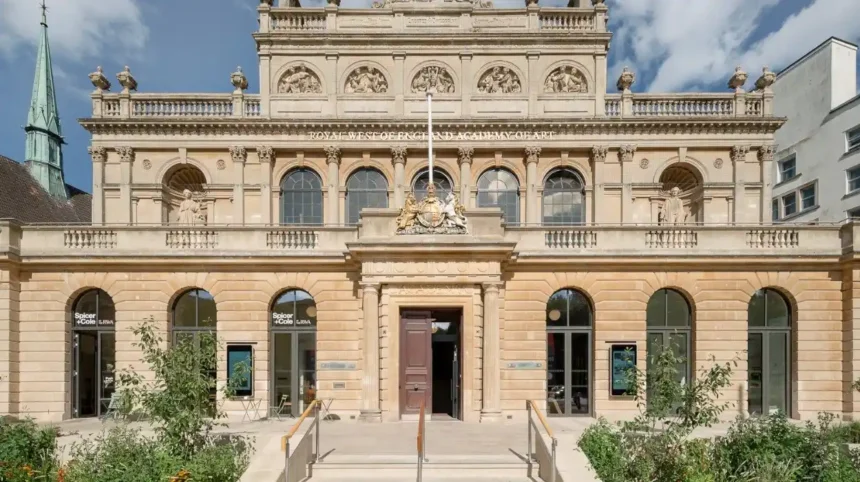
The Royal West of England Academy is one of Bristol’s most significant visual arts institutions. Established in the nineteenth century, it provides exhibition opportunities for professional artists and showcases work from historical and contemporary periods.
The RWA occupies a purpose-built, Grade II* listed gallery building in Clifton. Its architectural design contributes to the experience of viewing artwork, with dedicated exhibition spaces and traditional gallery interiors.
The academy holds more than 1,200 works of art, representing artistic developments from the nineteenth century to the present. Its programme includes contemporary exhibitions, annual open exhibitions and displays featuring regional and national artists. visitbristol.co.uk+1
The RWA also supports artistic education through workshops, learning activities and public events. Its exhibitions provide opportunities to discover established practitioners alongside emerging artists.
Arnolfini
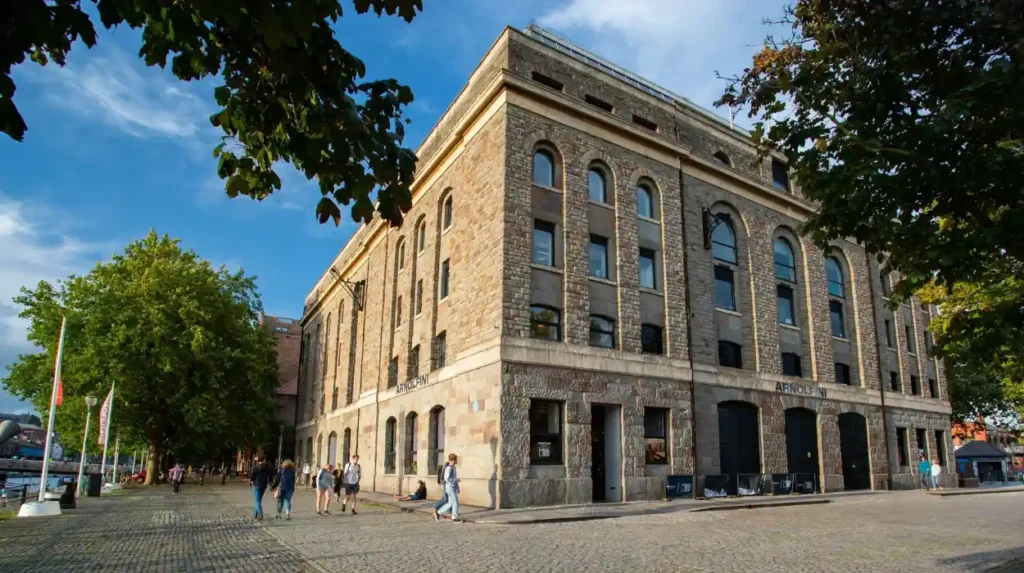
Arnolfini is an internationally recognised contemporary arts centre located beside Bristol’s Floating Harbour. It presents exhibitions and cultural programmes that connect visual art with wider creative disciplines.
The institution has developed a reputation for supporting artists from different cultural backgrounds. Its programme includes contemporary visual art, photography, moving images, talks, performances and educational activities.
Arnolfini differs from a conventional permanent-collection museum because its exhibition programme regularly changes. Visitors encounter new artistic projects and interpretations of contemporary social and cultural subjects.
The galleries are generally open Tuesday to Sunday, from 11am to 6pm, and exhibition admission is free. The venue also operates a bookshop and café-bar.
Its Harbourside location makes Arnolfini convenient for visitors exploring Bristol’s waterfront, Queen Square and central cultural attractions.
Spike Island
Spike Island is an international centre for contemporary art located near Bristol’s Harbourside. It combines public exhibition spaces with working studios used by artists, designers and creative organisations.
The organisation supports the development and presentation of contemporary visual art. Its exhibitions include painting, sculpture, installation, photography and experimental artistic practices.
One of Spike Island’s defining features is its relationship with working artists. Visitors can explore public exhibitions while the wider organisation supports creative production, professional development and collaboration.
The venue also hosts events and Open Studios programmes. These activities provide opportunities to understand how artists develop ideas, produce work and participate in the contemporary art sector.
Spike Island is particularly relevant to visitors interested in experimental art and the relationship between artistic production and public exhibition.
Bristol Museum & Art Gallery
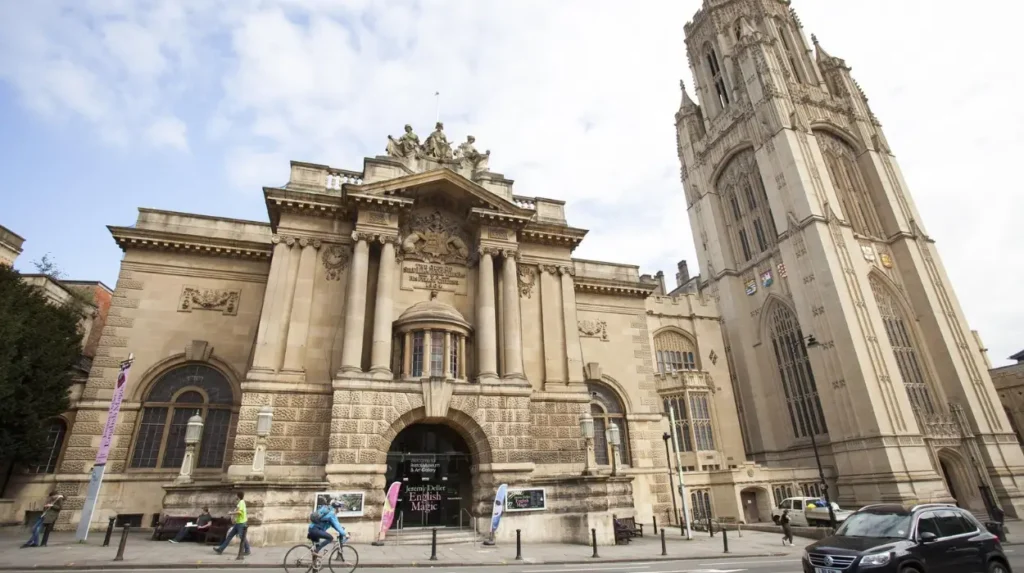
Bristol Museum & Art Gallery is a major cultural institution combining fine art, archaeology, natural history and decorative arts. Its collections provide historical context for understanding artistic developments in Britain and other parts of the world.
The museum’s art displays include European paintings, British artwork, modern and contemporary pieces, ceramics, glass and silver. Its decorative arts collections also feature historically significant objects connected with Bristol’s manufacturing and cultural heritage.
The museum occupies a prominent building near Clifton and Park Street. Its galleries are distributed across three floors, allowing visitors to explore different historical periods and subjects.
Admission to the permanent museum collections is free. Individual visitors generally do not need to book, although groups of ten or more and school groups must arrange visits in advance.
The museum is open Tuesday to Sunday, 10am to 5pm. The British and World Wildlife Galleries are scheduled to remain closed until summer 2027 during redevelopment.
Martin Parr Foundation
Martin Parr Foundation is an important destination for photography enthusiasts. Located in Bristol’s Paintworks creative quarter, it supports photographers and promotes the development of contemporary British and Irish photography.
The foundation is associated with photographer Martin Parr, whose documentary work examines everyday life, social behaviour and contemporary culture.
Its activities include photography exhibitions, talks, events and projects that support photographers at different stages of their careers.
The foundation provides an alternative to traditional painting-focused galleries. Its exhibitions encourage visitors to examine documentary photography, visual storytelling and the relationship between images and society.
Visit Bristol identifies the Martin Parr Foundation as a specialist photography destination with a programme of exhibitions and events.
Which Independent Art Galleries Are Worth Visiting in Bristol?
Independent art galleries in Bristol provide exhibition opportunities for emerging artists, local creative communities and specialist artistic practices. Centrespace, Upfest Gallery and Clifton Fine Art represent different parts of this independent scene through contemporary exhibitions, street art and modern artwork.
Independent galleries play an important role in Bristol’s creative economy. They provide smaller exhibition spaces where artists introduce new work, develop professional relationships and connect with potential buyers.
Unlike larger museums, independent galleries often operate through rotating exhibitions, artist collaborations and specialist collections.
Centrespace
Centrespace is an independent, artist-run gallery and cooperative creative organisation in Bristol’s Old City. It provides exhibition opportunities for artists working across different visual disciplines.
The organisation supports community participation and independent artistic production. Its programme includes contemporary exhibitions, creative projects and opportunities for artists to present their work.
Its location on Leonard Lane places it within an area associated with independent creative businesses and street art.
Centrespace is particularly relevant to visitors interested in discovering local artists outside the city’s larger cultural institutions.
Upfest Gallery
Upfest Gallery is a specialist urban art gallery in Bedminster. It is associated with Bristol’s internationally recognised street art culture and provides exhibition space for graffiti artists, illustrators and contemporary urban creatives.
The gallery presents work by Bristol-based, British and international artists. Its exhibitions feature different forms of urban visual culture, including original artwork, prints and illustrations.
Upfest also connects with the wider Upfest street art festival, which has helped establish Bedminster and Southville as important destinations for public murals and graffiti.
North Street provides additional opportunities to explore public art outside conventional gallery spaces.
Visitors interested in Bristol’s street art heritage benefit from combining a gallery visit with a walk through Bedminster’s mural-covered streets.
Clifton Fine Art
Clifton Fine Art is an independent commercial gallery specialising in modern and contemporary artwork. Its collection includes original pieces and editions from established and contemporary artists.
The gallery provides opportunities to view and purchase artwork, making it relevant to collectors and people interested in acquiring original pieces.
Its location near Bristol’s Christmas Steps Arts Quarter places it within an established creative area containing independent businesses and cultural venues.
Where Can Visitors Explore Photography and Contemporary Art in Bristol?
Visitors can explore photography and contemporary art at specialist venues including Martin Parr Foundation, Arnolfini and Spike Island. These organisations present documentary photography, experimental installations, moving images and changing exhibitions that reflect current artistic practices.
Contemporary art describes creative work produced in the present period. It includes traditional media such as painting and sculpture alongside digital installations, photography, video and conceptual projects.
Photography has a particularly strong position in Bristol’s visual arts environment. Specialist organisations provide opportunities to study documentary images, photographic techniques and social subjects.
What Makes Bristol’s Photography Scene Important?
Bristol’s photography scene connects artistic practice with documentary research, cultural identity and social observation.
Photography exhibitions commonly explore:
- Documentary photography: Images recording communities, places and everyday experiences.
- Portrait photography: Visual studies of individuals and groups.
- Street photography: Images documenting public spaces and urban life.
- Fine art photography: Images produced as part of an artistic concept.
- Historical photography: Photographs preserving visual records of earlier periods.
The Martin Parr Foundation provides an important platform for these photographic approaches through exhibitions and professional activities.
How Do Contemporary Art Centres Support Emerging Artists?
Contemporary art centres support emerging artists through exhibition opportunities, studio facilities, professional networks and educational activities.
Spike Island demonstrates this approach through its combination of gallery spaces and working artist studios. Arnolfini supports artistic development through exhibitions, public events and educational programmes.
These organisations help connect artists with audiences, curators, researchers and other creative professionals.
Their activities also contribute to Bristol’s wider cultural economy by attracting visitors and supporting creative employment.
Which Areas of Bristol Have the Best Concentration of Art Galleries?
Bristol’s main gallery areas include Clifton, the Harbourside, the Old City, central Bristol and Bedminster. These neighbourhoods contain major museums, contemporary arts centres, independent galleries and specialist exhibition venues within different parts of the city.
Gallery locations influence how visitors experience Bristol’s cultural attractions. Some institutions sit close to historic architecture and university buildings, while others occupy former industrial premises or waterfront developments.
Understanding the main gallery districts helps visitors plan practical cultural routes.
Clifton and Queens Road
Clifton is an important destination for historical and fine art. Queens Road connects major cultural institutions with the University of Bristol and the surrounding residential district.
The Royal West of England Academy and Bristol Museum & Art Gallery are the principal gallery destinations in this area.
Visitors can combine exhibitions with Clifton’s architectural landmarks, independent cafés and nearby public spaces.
Bristol Harbourside
Bristol Harbourside contains important contemporary art destinations. Arnolfini is located on Narrow Quay, while Spike Island sits across the harbour on Cumberland Road.
The district’s former commercial and maritime infrastructure provides a distinctive setting for contemporary cultural organisations.
Visitors can combine gallery exhibitions with waterfront walks, independent cafés and other cultural attractions.
Old City and Christmas Steps
Bristol’s Old City contains independent creative spaces, historic streets and small exhibition venues.
Centrespace on Leonard Lane provides access to artist-led exhibitions, while Clifton Fine Art is located near the Christmas Steps Arts Quarter.
This area suits visitors interested in independent art, smaller galleries and the relationship between historic urban environments and contemporary creativity.
Bedminster and Southville
Bedminster and neighbouring Southville are important destinations for Bristol’s urban art culture.
Upfest Gallery on North Street provides an indoor exhibition space for street art and contemporary illustration. The surrounding streets also contain murals and large-scale public artworks.
These neighbourhoods demonstrate how Bristol’s artistic identity extends beyond formal cultural institutions.
What Types of Exhibitions Can Visitors See in Bristol Art Galleries?
Bristol art galleries present historical paintings, contemporary installations, documentary photography, sculpture, ceramics, glasswork and street art. Their exhibition programmes combine permanent collections with temporary displays, artist-led projects and public cultural events throughout the year.
The exhibition experience differs according to the organisation’s purpose and collection.
Historical institutions preserve objects and artworks across generations. Contemporary venues focus on current creative practices and changing cultural subjects.
Historical and Classical Art
Historical art exhibitions present paintings, drawings and decorative objects from earlier periods.
Bristol Museum & Art Gallery provides access to European paintings, historical artwork and decorative collections. The RWA also presents works representing developments in British art from the nineteenth century onwards.
These collections help visitors understand changes in artistic techniques, materials and cultural influences.
Contemporary Installations and Experimental Art
Contemporary installations use physical objects, lighting, sound, space and digital technologies to create artistic experiences.
Arnolfini and Spike Island regularly provide platforms for contemporary and experimental approaches.
Visitors encounter artworks that explore subjects such as identity, environmental change, technology, social relationships and cultural memory.
Photography and Documentary Art
Photography exhibitions communicate information through images and visual narratives.
The Martin Parr Foundation focuses on photography and supports practitioners working with documentary and artistic approaches.
These exhibitions help visitors understand how photographers record social conditions, cultural experiences and changing environments.
Ceramics, Glass and Decorative Arts
Decorative arts combine practical objects with artistic design. Ceramics, glassware, furniture and metalwork demonstrate the relationship between craftsmanship, materials and visual expression.
Bristol Museum & Art Gallery has important collections of ceramics and glass, including objects associated with Bristol’s manufacturing heritage.
Its displays also provide insight into European and Asian decorative traditions.
Are Art Galleries in Bristol Free to Visit?
Several major art galleries in Bristol offer free general admission, including Bristol Museum & Art Gallery, Arnolfini and Spike Island. Other institutions charge for selected exhibitions or events, so visitors should check individual admission arrangements before travelling.
Free cultural access is an important feature of Bristol’s gallery environment.
It allows residents, students and tourists to explore visual art without purchasing an expensive ticket. However, free admission does not automatically apply to every exhibition, workshop or special event.
Which Galleries Offer Free Entry?
The following institutions provide free access to their general gallery or exhibition spaces under their standard admission arrangements:
- Bristol Museum & Art Gallery: Free entry to permanent collections.
- Arnolfini: Free entry to exhibitions.
- Spike Island: Free gallery admission.
- Martin Parr Foundation: Free entry to its exhibitions.
The RWA operates a programme of exhibitions with admission arrangements that vary by event. Some exhibitions require paid tickets.
Are Special Exhibitions Charged Separately?
Some galleries organise ticketed exhibitions, workshops and special events. These activities involve additional production, staffing and visitor-management costs.
Visitors should check the official exhibition information before planning a visit. This is particularly important for seasonal programmes, artist talks and events with limited capacity.
How Can Visitors Plan an Art Gallery Tour in Bristol?
Visitors can plan a Bristol art gallery tour by grouping nearby venues into manageable walking routes. Clifton, the Harbourside and the Old City each provide opportunities to explore several cultural destinations while reducing unnecessary travel across the city.
A well-organised gallery visit starts with selecting exhibitions and checking opening times.
Visitors should also consider travel connections, accessibility, admission arrangements and the amount of time needed at each venue.
What Is a Practical Clifton Art Gallery Route?
A Clifton cultural visit can begin at Bristol Museum & Art Gallery and continue towards the Royal West of England Academy.
The route provides access to historical and contemporary collections in two major institutions.
Visitors can also explore the surrounding Queens Road area, university architecture and nearby Clifton streets.
What Is a Practical Harbourside Art Route?
A Harbourside visit can include Arnolfini and Spike Island.
The two organisations provide different approaches to contemporary art. Arnolfini focuses on interdisciplinary cultural programming, while Spike Island combines public exhibitions with working artist studios.
Visitors should allow additional time for the journey between the two locations.
How Can Visitors Explore Bristol’s Independent Art Scene?
Visitors interested in independent art can explore Centrespace, Clifton Fine Art and Upfest Gallery.
The Old City provides access to smaller creative venues, while Bedminster offers a strong connection with urban art and street murals.
Combining gallery visits with neighbourhood walks gives visitors a broader understanding of Bristol’s artistic identity.
How Do Bristol Art Galleries Support Local Artists and Creative Communities?
Bristol art galleries support local artists through exhibitions, studio facilities, professional development, public programmes and opportunities to sell artwork. Organisations such as Spike Island, the RWA and Centrespace connect artists with audiences and strengthen the city’s creative economy.
Art galleries perform functions beyond displaying finished artwork. They provide infrastructure for artistic production, professional development and cultural participation.
Their activities contribute to the long-term development of Bristol’s creative sector.
What Opportunities Do Galleries Provide to Artists?
Gallery organisations provide several forms of professional support.
Exhibition opportunities allow artists to present work publicly and develop professional portfolios.
Studio facilities provide working environments where practitioners produce artwork and collaborate with other creatives.
Artist talks and workshops create opportunities to exchange knowledge and discuss artistic techniques.
Public programmes connect artists with schools, universities, community groups and wider audiences.
The RWA, Spike Island and Centrespace demonstrate different approaches to these activities.
How Do Galleries Contribute to Bristol’s Cultural Economy?
Art galleries contribute to the city’s economy through tourism, employment, education and cultural events.
Visitors spend money on transport, accommodation, food, retail and other local services when attending exhibitions.
Gallery organisations also employ curators, technicians, educators, administrators and creative professionals.
Independent galleries support local artists and businesses by providing opportunities for artwork sales, exhibitions and collaboration.
Why Are Educational Programmes Important?
Educational programmes make art accessible to different age groups and experience levels.
Gallery workshops introduce artistic techniques, while guided tours help visitors understand the historical and cultural context of collections.
Bristol’s major institutions also provide opportunities for schools, students and families to engage with visual culture.
These activities contribute to cultural learning and encourage participation in the city’s creative environment.
Explore More Area Guide
Free Museums in Bristol: 10 Places to Explore History and Art
Museums in Bristol: Top Historic, Art and Science Attractions
What Should Visitors Know About Accessibility and Gallery Facilities?
Bristol’s major art galleries provide visitor facilities that include accessible entrances, lifts, toilets, cafés, bookshops and educational resources. Accessibility arrangements differ between venues, so visitors should check individual facilities before travelling, particularly when they require step-free access or additional assistance.
Accessibility is an important consideration when planning cultural visits. Gallery buildings vary in age, architectural design and internal layout.
Are Bristol Art Galleries Wheelchair Accessible?
Several major galleries provide facilities for visitors with mobility requirements.
Arnolfini provides lift access to its gallery and event spaces on the upper floors. Bristol Museum & Art Gallery provides lift access to most public areas, accessible toilets and wheelchairs for visitor use.
Visitors should consult individual access information before arrival because temporary building works and exhibition layouts affect accessibility.
Are There Facilities for Families?
Bristol Museum & Art Gallery provides family-oriented facilities, including baby-changing facilities, family activities and a picnic area during weekends and school holidays.
Other galleries organise educational workshops and activities for children through their public programmes.
Families should check age recommendations and supervision requirements before attending specific exhibitions.
Can Visitors Find Cafés and Bookshops?
Several Bristol galleries combine exhibitions with additional visitor facilities.
Arnolfini operates a café-bar and an art bookshop. Bristol Museum & Art Gallery has a café and gift shop, while Spike Island also provides a café facility.
These spaces allow visitors to extend their cultural visits beyond the exhibition galleries themselves.
How Is the Future of Bristol’s Art Gallery Scene Developing?
Bristol’s art gallery sector continues to develop through contemporary exhibitions, artist-led initiatives, photography programmes, digital experiences and public cultural projects. These activities strengthen the city’s creative infrastructure and maintain opportunities for established and emerging artists.
The future of Bristol’s art scene depends on continued investment in cultural organisations, creative spaces and public participation.
Several developments are particularly relevant.
Digital Art and Immersive Experiences
Digital technologies are expanding the ways galleries present artistic work.
Interactive installations, projection mapping, virtual environments and digital photography provide additional exhibition formats.
Undershed, located at Watershed on Bristol Harbourside, specialises in immersive and interactive art experiences. It demonstrates how visual art increasingly intersects with creative technology.
Greater Support for Emerging Artists
Artist development remains an important part of Bristol’s creative environment.
Independent galleries and contemporary art centres provide opportunities for emerging practitioners to exhibit work, build professional networks and reach new audiences.
Open Studios events also give visitors opportunities to understand artistic processes and meet working practitioners.
Continued Importance of Public Art
Bristol’s public art culture extends the gallery experience into everyday urban environments.
Street murals, graffiti, temporary installations and community art projects connect visual creativity with neighbourhood identity.
Bedminster, Southville and central Bristol remain important areas for exploring this relationship between galleries and public spaces.
Cultural Access and Community Participation
Free admission and accessible public programmes help galleries reach wider audiences.
Institutions that combine exhibitions with educational activities, community partnerships and digital resources strengthen their relevance to future generations.
Bristol’s existing network of museums, contemporary art centres and independent galleries provides a strong foundation for continued cultural development.
Art galleries in Bristol represent the city’s historical heritage, contemporary creativity and independent artistic culture. Major institutions such as the Royal West of England Academy, Arnolfini, Spike Island and Bristol Museum & Art Gallery provide access to important collections and changing exhibitions.
Specialist organisations such as Martin Parr Foundation contribute to photography, while Centrespace, Upfest Gallery and Clifton Fine Art strengthen the independent art scene.
The city’s galleries also support professional artists, educational programmes, cultural tourism and public participation. Their locations across Clifton, Harbourside, the Old City and Bedminster make Bristol an accessible destination for exploring different forms of visual art.
Whether visitors are interested in historical paintings, contemporary installations, photography, ceramics or street art, Bristol offers a varied gallery environment that reflects its established position as one of the UK’s important creative cities.
What are the best art galleries in Bristol?
Some of the best art galleries in Bristol include the Royal West of England Academy (RWA), Arnolfini, Spike Island, Bristol Museum & Art Gallery and Martin Parr Foundation. These venues showcase historical paintings, contemporary art, photography and creative exhibitions.