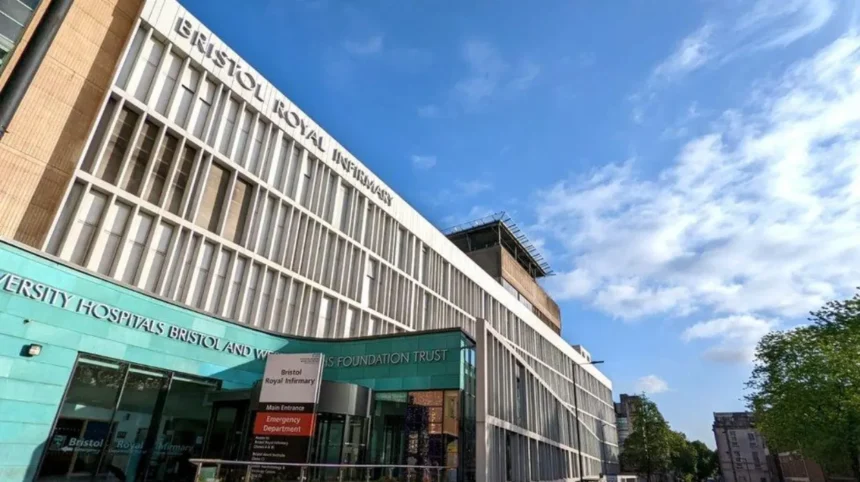
Bristol has a comprehensive NHS healthcare network covering general practice, community healthcare, pharmacies, urgent treatment, emergency medicine, hospital care, specialist treatment, mental health support, maternity services, dental care, vaccination, screening and diagnostic services. These services form part of the wider NHS system serving Bristol, North Somerset and South Gloucestershire.
- What NHS services are available in Bristol?
- How is the NHS organised in Bristol?
- How do GP services work in Bristol?
- When should you use NHS 111 in Bristol?
- Which hospitals provide NHS care in Bristol?
- What emergency NHS services are available in Bristol?
- How can pharmacies help with NHS healthcare in Bristol?
- What mental health NHS services are available in Bristol?
- How do NHS maternity and children’s services work in Bristol?
- How do NHS dental services work in Bristol?
- How are NHS prescriptions managed in Bristol?
- How can visitors access NHS services in Bristol?
- How do NHS referrals work in Bristol?
- How can Bristol patients access NHS services online?
- What should Bristol residents know about the 2026 NHS hospital merger?
- How can patients make a complaint or raise concerns about NHS care in Bristol?
- Why are NHS services important to Bristol’s healthcare system?
The local NHS is coordinated through NHS Bristol, North Somerset and South Gloucestershire Integrated Care Board (BNSSG ICB). The ICB became a statutory organisation on 1 July 2022 under the Health and Care Act 2022. It is responsible for NHS planning, commissioning and allocation decisions across the local area.
Bristol’s hospital system also entered a major organisational phase in 2026. On 1 July 2026, North Bristol NHS Trust and University Hospitals Bristol and Weston NHS Foundation Trust joined together to form Bristol NHS Foundation Trust. The new trust provides hospital and specialist healthcare across Bristol, Weston, North Somerset, South Gloucestershire and the wider South West.
For residents, students, workers and visitors, understanding how NHS services in Bristol are organised makes it easier to choose the appropriate healthcare route. The NHS separates routine primary care from urgent care, emergency care and specialist hospital treatment.
What NHS services are available in Bristol?
NHS services in Bristol cover primary care, hospital treatment, urgent care, emergency medicine, mental health, pharmacy, dentistry, maternity, community healthcare, vaccination and specialist services. Residents access these services through GPs, NHS 111, pharmacies, hospitals and dedicated NHS providers.
Primary care is the main entry point for many healthcare needs. General practices provide medical consultations, prescriptions, referrals, preventive care and management of long-term conditions. Pharmacies provide medicines and advice for many common conditions.
Bristol also has extensive secondary and specialist healthcare. Hospital services include emergency departments, outpatient clinics, diagnostic testing, surgery, cancer treatment, children’s healthcare, maternity care and specialist clinical services.
The NHS service structure is designed around the seriousness and complexity of a patient’s condition. Routine health problems normally start with a GP, pharmacist or community service. Urgent problems use NHS 111 and appropriate urgent care services. Life-threatening emergencies require 999 or an emergency department.
The national NHS service framework also includes dentists, opticians, vaccination services, sexual health services and musculoskeletal services. The NHS website provides a national service finder for locating these services.
How is the NHS organised in Bristol?
The Bristol NHS system operates through primary care providers, community services, the local Integrated Care Board and Bristol NHS Foundation Trust. These organisations coordinate different stages of healthcare, from GP consultations and diagnostics to hospital treatment, specialist services and continuing care.
The BNSSG ICB is the local statutory NHS organisation responsible for day-to-day NHS planning and decision-making across Bristol, North Somerset and South Gloucestershire. Its responsibilities include planning services, allocating resources and working with partners to improve health outcomes and reduce inequalities.
Hospital and specialist care is provided by Bristol NHS Foundation Trust following its formation on 1 July 2026. The trust was created through the joining of North Bristol NHS Trust and University Hospitals Bristol and Weston NHS Foundation Trust.
The new trust operates across multiple hospital sites and community locations. Its services include major clinical specialties and specialist regional services. The organisation states that it has more than 28,000 staff and provides care for more than 1.1 million people each year.
This organisational structure is important because patients do not use one single NHS facility for every healthcare need. Different conditions require different levels of care.
How do GP services work in Bristol?
GP services provide routine medical care, diagnosis, prescriptions, referrals and long-term condition management in Bristol. Patients normally register with a local GP practice and contact the practice for routine appointments, while urgent problems outside normal access use NHS 111.
General practitioners are the main providers of primary medical care. A GP practice can assess symptoms, diagnose conditions, prescribe medicines and arrange referrals to hospital specialists when clinically appropriate.
GP practices also provide preventive healthcare. Services include vaccinations, health checks, contraception, monitoring of conditions such as diabetes and high blood pressure, and support for long-term conditions.
Patients can use the NHS App for several healthcare tasks when their GP practice has enabled the relevant functions. These include managing appointments, viewing certain health information, requesting repeat prescriptions and accessing NHS services.
Bristol residents should register with a GP practice close to where they live. Registration supports continuity of care and gives patients a recognised primary care provider.
GP practices also use different appointment arrangements. Routine appointments are normally booked through the practice. Some local areas provide enhanced access appointments during evenings and weekends.
A GP referral is normally required for planned specialist hospital treatment. Emergency treatment is an important exception because patients can access emergency departments directly when an emergency exists.

When should you use NHS 111 in Bristol?
NHS 111 is the appropriate first point of contact for urgent medical problems that are not life-threatening. The service provides assessment, healthcare advice and direction to the most appropriate NHS service, including urgent treatment or emergency care.
NHS 111 operates through the national NHS urgent-care system. Patients can access it online through the NHS 111 website or by telephone on 111.
The service helps patients decide what to do when they need medical assistance but do not have a life-threatening emergency. The assessment process identifies symptoms and directs the patient to an appropriate service.
Possible outcomes include advice for self-care, referral to an urgent treatment service, contact with a healthcare professional, an appointment or direction to an emergency department.
Using NHS 111 can prevent unnecessary attendance at emergency departments for conditions that require urgent attention but do not require emergency hospital care.
Bristol NHS hospital guidance specifically recommends contacting NHS 111 first for urgent medical attention that is not life-threatening.
For immediate life-threatening emergencies, NHS guidance states that patients should call 999 rather than NHS 111.
Which hospitals provide NHS care in Bristol?
Bristol NHS Foundation Trust provides hospital and specialist healthcare across Bristol and surrounding areas. Its network includes major Bristol hospital sites and specialist facilities covering emergency medicine, surgery, diagnostics, cancer care, children’s healthcare, maternity and other specialist services.
The 2026 formation of Bristol NHS Foundation Trust changed the organisational structure of Bristol’s hospital services. The trust brought together North Bristol NHS Trust and University Hospitals Bristol and Weston NHS Foundation Trust.
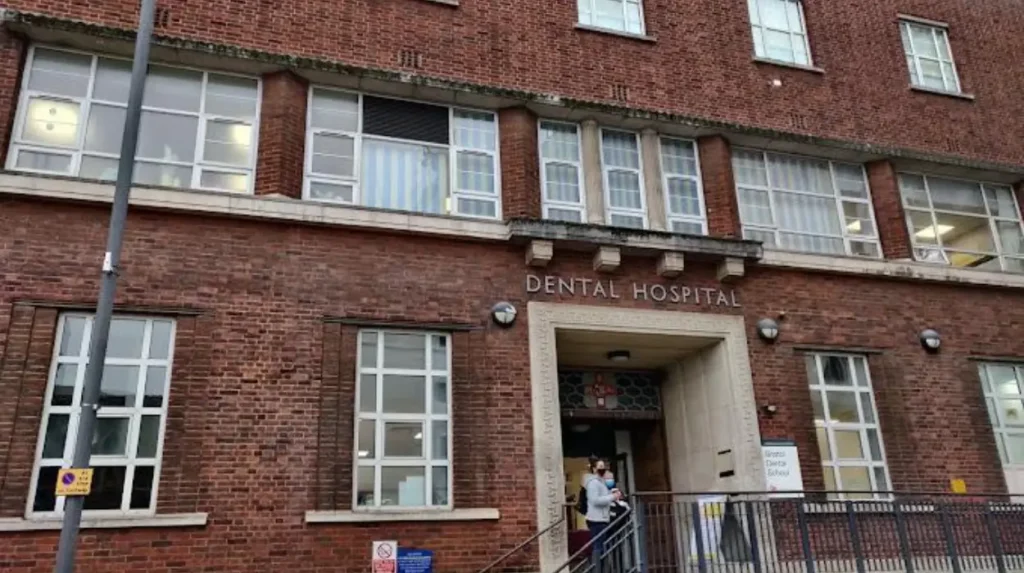
The trust’s locations include major Bristol hospital facilities and specialist sites. Its published locations include Bristol Dental Hospital, Bristol Eye Hospital and Bristol Haematology and Oncology Centre, alongside major hospital campuses.
Hospital services are divided according to clinical need. Emergency departments treat serious and potentially life-threatening conditions. Outpatient departments provide specialist consultations without overnight admission. Diagnostic departments perform tests such as imaging and laboratory investigations.
Hospital referrals usually originate from a GP or another healthcare professional. Patients requiring emergency treatment do not need a routine GP referral before attending an emergency department.
The NHS also provides an e-Referral Service for eligible planned specialist referrals. NHS guidance states that patients have rights concerning choice of provider in many circumstances, although specific exceptions apply to urgent and emergency care and certain specialist services.
What emergency NHS services are available in Bristol?
Emergency NHS services in Bristol are designed for serious, life-threatening conditions such as chest pain, breathing difficulties, severe bleeding, stroke, major trauma, severe allergic reactions and loss of consciousness. These situations require immediate emergency assessment through 999 or A&E.
Emergency departments provide immediate assessment and treatment for serious conditions. Bristol’s NHS hospital guidance identifies several situations that require emergency care.
Examples include loss of consciousness, persistent seizures, chest pain, serious breathing difficulties, uncontrollable severe bleeding, severe allergic reactions, severe burns or scalds, stroke and major trauma.
A life-threatening emergency requires a 999 call. Emergency departments should be used when immediate hospital assessment is required.
The distinction between urgent and emergency care is important. A condition can require same-day medical attention without being life-threatening. NHS 111 provides a route into urgent care for these situations.
Emergency services also operate continuously. Hospital emergency departments are available when critical care is required, including outside standard GP opening hours.
Patients should not use emergency departments as a substitute for routine GP appointments, prescription requests or minor illnesses that can be managed through primary care or pharmacy services.
How can pharmacies help with NHS healthcare in Bristol?
Community pharmacies provide accessible NHS healthcare for medicines, prescription services and advice about common health conditions. Pharmacists also support medication use, minor illness management and appropriate referral when symptoms require another healthcare service.
Pharmacies form an important part of primary healthcare. Pharmacists are qualified healthcare professionals who specialise in medicines and provide advice on many common conditions.
Patients can ask pharmacists about appropriate treatment for minor illnesses and medicine-related questions. Pharmacies also support prescription collection and supply.
The NHS has expanded the role of community pharmacies through services designed to manage certain common conditions. This helps patients access healthcare without always requiring a GP appointment.
Pharmacy services vary by location and opening hours. Patients should check the NHS service finder for current local information.
Pharmacists can also identify when a condition requires further medical assessment. In those situations, they can direct patients towards a GP, NHS 111, urgent care or emergency services.
What mental health NHS services are available in Bristol?
NHS mental health services in Bristol provide support across different levels of need, including primary care support, community mental health services, specialist treatment and urgent crisis care. Access routes depend on symptoms, clinical need, age and the type of support required.
Mental healthcare forms an important part of Bristol’s NHS system. Services range from support provided through general practice to specialist community and hospital-based treatment.
GPs can assess mental health concerns and provide initial treatment or referral. Community services provide more specialised support for people who require ongoing clinical care.
Urgent mental health problems require rapid professional assessment. A mental health emergency should be treated as seriously as a physical health emergency. Bristol GP information directs people facing immediate danger or serious self-harm towards emergency help, including 999 or A&E.
NHS mental health services also operate across different age groups. Children and young people require services designed around developmental needs, while adult and older-adult services have different clinical pathways.
The NHS website provides dedicated information about mental health services and urgent mental health support.
How do NHS maternity and children’s services work in Bristol?
Bristol provides specialist NHS maternity and children’s healthcare through its hospital and community network. Services cover pregnancy, childbirth, neonatal care, paediatric treatment, children’s surgery and specialist children’s conditions across the wider Bristol healthcare system.
Maternity services include antenatal care, pregnancy assessment, obstetric treatment, midwifery services, delivery care and postnatal support.
Bristol’s specialist hospital network also includes neonatal intensive care and neonatal transport services. Children’s services cover multiple specialties, including paediatric surgery, paediatric radiology, paediatric respiratory medicine, paediatric rheumatology, paediatric urology and paediatric trauma and orthopaedic surgery.
Specialist children’s healthcare is important because some conditions require dedicated paediatric facilities and clinical teams. Bristol’s hospitals provide regional specialist services that serve patients beyond the city itself.
Families normally access planned children’s healthcare through primary care referrals or established specialist pathways. Emergency children’s conditions require urgent hospital assessment.
How do NHS dental services work in Bristol?
NHS dental services provide publicly funded dental treatment through participating dental practices. Patients should search for an NHS dentist, check whether the practice accepts NHS patients and understand that availability differs between practices and patient groups.
NHS dentistry is separate from GP healthcare. Dental practices provide examinations, preventive treatment and clinically necessary dental care.
Patients looking for an NHS dentist in Bristol can use the NHS service finder. The availability of NHS dental places changes over time because practices have different capacity and contractual arrangements.
NHS dental charges also differ from standard GP services. England uses national dental charge bands for eligible NHS treatment.
Urgent dental problems should be directed towards appropriate urgent dental services rather than general hospital emergency departments unless the condition is a serious medical emergency.
Severe swelling affecting breathing, major facial trauma or another life-threatening dental complication requires emergency medical assistance.
How are NHS prescriptions managed in Bristol?
NHS prescriptions in Bristol are commonly issued through GP practices and other authorised healthcare professionals and collected from community pharmacies. Repeat prescriptions can be managed through approved NHS digital services, including the NHS App when the patient’s practice supports the function.
Repeat prescriptions support people who regularly take medicines for long-term conditions. Patients can request repeat medication through their GP practice using the available approved method.
The NHS App provides prescription-related functionality for eligible users. Patients can also nominate a pharmacy to receive electronic prescriptions.
Prescription charges apply under England’s NHS prescription system unless a patient qualifies for an exemption or another form of support. Eligibility depends on circumstances such as age, income, pregnancy, qualifying medical conditions and certain benefits.
Pharmacists provide an important safety role by checking medicines and advising patients about correct use. Patients should not stop prescribed medication without appropriate medical advice.
How can visitors access NHS services in Bristol?
Visitors to Bristol can access NHS healthcare, but entitlement to free NHS treatment depends on circumstances. Emergency department services are provided without charge at the point of access, while other NHS treatment can involve charges for visitors who are not ordinarily resident in the UK.
People visiting Bristol should understand the difference between emergency healthcare and planned NHS treatment.
NHS hospital emergency department services are free to all people in England at the point of access. However, NHS guidance states that emergency treatment after admission and other healthcare services can be chargeable for people who are not ordinarily resident in the UK.
Visitors from overseas should carry relevant travel insurance and European or other healthcare documentation when applicable.
For urgent but non-life-threatening illness, NHS 111 provides a route to appropriate advice and care. For life-threatening emergencies, visitors should call 999.
Routine treatment for visitors should not be confused with emergency treatment. Eligibility and charging rules depend on nationality, immigration status, residence and the healthcare service involved.
How do NHS referrals work in Bristol?
NHS referrals connect patients from primary care with specialist hospital services. A GP or another authorised healthcare professional assesses the patient’s condition and refers them when specialist investigation or treatment is clinically appropriate. Emergency treatment follows a separate pathway.
A referral normally begins after a clinical assessment. The healthcare professional determines whether specialist input is required.
The NHS e-Referral Service supports eligible planned referrals. Patients can select from available options when NHS choice rules apply.
Hospital referrals cover many specialties, including cardiology, dermatology, orthopaedics, oncology and specialist surgery. The exact pathway depends on the patient’s symptoms and clinical requirements.
NHS England guidance states that patients referred for non-urgent treatment generally have a right to start consultant-led treatment within 18 weeks of referral, unless they choose to wait longer or a longer wait is clinically appropriate.
This standard does not mean every appointment occurs within exactly 18 weeks. Waiting times depend on specialty, clinical priority, service capacity and individual circumstances.
How can Bristol patients access NHS services online?
Digital NHS services allow Bristol patients to manage several healthcare tasks without visiting a healthcare facility. The NHS App supports functions such as appointment management, prescription requests and access to selected health information, depending on GP practice availability.
Digital access has become an established component of NHS healthcare. Patients can use the NHS App to manage eligible services and access information.
Online NHS 111 provides another digital route for urgent healthcare assessment. Patients answer questions about their symptoms and receive advice about appropriate next steps.
Digital services do not replace emergency healthcare. A life-threatening emergency requires 999.
Access to specific NHS App functions depends on the services enabled by a patient’s GP practice and the patient’s NHS record.
Patients should also protect their NHS login information and use official NHS platforms rather than unofficial healthcare websites when accessing personal medical information.
What should Bristol residents know about the 2026 NHS hospital merger?
The 1 July 2026 merger created Bristol NHS Foundation Trust by bringing together North Bristol NHS Trust and University Hospitals Bristol and Weston NHS Foundation Trust. The organisation now delivers hospital and specialist care across Bristol and surrounding communities.
The merger represents a major change in Bristol’s NHS organisational structure.
Bristol NHS Foundation Trust states that it provides healthcare across Bristol, Weston, North Somerset, South Gloucestershire and the wider South West. The trust operates across 13 hospital sites and several community locations.
The organisation reports more than 28,000 staff and healthcare provision for more than 1.1 million people each year.
The merger does not mean every healthcare service in Bristol is delivered from one location. Patients continue to use different hospitals, community facilities, GP practices, pharmacies and specialist services according to their clinical needs.
The trust’s current website provides information about hospitals and locations and directs patients towards relevant services.
Explore More Area Guide
Wellness Centres in Bristol: Complete Health Guide 2026
Sports Clubs in Bristol: Teams, Facilities and Activities 2026
How can patients make a complaint or raise concerns about NHS care in Bristol?
Patients can raise concerns about NHS healthcare through the relevant provider’s complaints or patient liaison service. Bristol NHS Foundation Trust provides routes for feedback, while the local Integrated Care Board also accepts concerns about commissioned NHS services.
Patients who experience a problem with hospital care can contact the relevant patient advice and liaison or complaints service.
Bristol NHS Foundation Trust provides an online form for concerns and complaints involving its Bristol and Weston hospitals. The form requests information such as the date of the event, hospital or department and details of the concern.
The BNSSG ICB also provides a customer services route for compliments, concerns and complaints about local NHS services. The ICB states that feedback helps inform service improvement and commissioning decisions.
Patients should first identify which NHS organisation delivered the service. This helps route the complaint to the correct organisation and avoids unnecessary delays.
Why are NHS services important to Bristol’s healthcare system?
NHS services provide Bristol with an integrated healthcare network spanning prevention, primary care, urgent treatment, emergency medicine, specialist hospital treatment and community support. The system connects local residents with healthcare at different levels according to clinical need.
Bristol’s NHS infrastructure supports a large population across the city and surrounding areas. The healthcare system also serves regional patients who require specialist treatment unavailable in every local hospital.
The 2026 creation of Bristol NHS Foundation Trust further changed the local hospital landscape. The new organisation combines major hospital and specialist services under one trust structure.
The wider healthcare system remains based on different levels of care. GPs manage many routine and ongoing health conditions. Pharmacies handle medicines and numerous common illnesses. NHS 111 provides urgent assessment. Emergency departments handle life-threatening conditions. Hospitals provide specialist treatment and diagnostic services.
For Bristol residents, the most effective route depends on the healthcare need. Choosing the appropriate NHS service supports timely clinical assessment and helps emergency departments focus on patients who require emergency treatment.
The NHS service structure also remains relevant for visitors, students, workers and people moving to Bristol. Understanding GP registration, NHS 111, emergency care, pharmacies, hospital referrals and digital NHS services provides a practical framework for navigating healthcare in the city.
What NHS services are available in Bristol?
Bristol provides NHS GP services, hospitals, urgent care, emergency treatment, pharmacies, mental health support, maternity care, children’s healthcare, dentistry, vaccinations, diagnostics and specialist treatment.