Bristol has a broad and well-established sports club network covering football, rugby, cricket, hockey, tennis, athletics, swimming, cycling, rowing, basketball, gymnastics, bowls, martial arts and outdoor recreation. The city combines professional teams, community clubs, university sport, junior programmes and accessible public facilities.
- What are sports clubs in Bristol?
- Which professional sports clubs are based in Bristol?
- Which community sports clubs can people join in Bristol?
- What sports can you play through Bristol sports clubs?
- Where are the main sports facilities for Bristol clubs?
- How do children and young people enter Bristol sports clubs?
- How do students participate in sports clubs in Bristol?
- How can beginners find the right sports club in Bristol?
- How is Bristol planning for the future of sports clubs?
- What makes Bristol an important city for sports clubs?
The scale of Bristol’s sporting infrastructure is significant. Bristol City Council’s published physical activity assessment recorded 222 indoor and outdoor sports facilities, including sports halls, swimming pools, athletics tracks, tennis facilities, golf courses, gymnastics centres and watersports facilities. The same assessment recorded more than 500 outdoor sports pitches across the wider Bristol area.
The city’s current planning approach also recognises the importance of protecting sports provision. Bristol’s Playing Pitch Strategy 2026–2040, approved in June 2026, addresses the quantity, quality and availability of grass and artificial pitches and identifies football, rugby, cricket and hockey as major pitch sports.
For residents, students, families and visitors, Bristol sports clubs therefore provide routes into both competitive and recreational sport. Clubs operate at different levels, from professional competition to beginner sessions and junior development.
What are sports clubs in Bristol?
Sports clubs in Bristol are organised groups that provide regular participation, coaching, training, competition or social activity across many sports. Examples include football, rugby, cricket, hockey, tennis, athletics, swimming, cycling, rowing, basketball, bowls and martial arts.
A sports club normally has a defined activity, membership structure, training arrangements and competition or participation programme. The organisation can operate independently, through a university, through a community association or as part of a professional sporting organisation.
Bristol’s sports ecosystem includes several distinct levels. Professional clubs represent the city in national competitions. Community clubs provide regular participation for local residents. Junior clubs introduce children and teenagers to organised sport. University clubs support student competition and recreation. Specialist clubs focus on activities such as rowing, sailing, gymnastics or martial arts.
The distinction between a sports club and a leisure centre is important. A leisure centre primarily provides facilities, classes and bookable activities. A sports club normally provides an organised group structure around a particular sport.
Bristol City Council supports access to numerous sports facilities and provides information covering football, cricket, bowls, cycling, golf, rugby, running, table tennis and tennis. Its sports and physical activity service also includes disability sport and support for talented athletes.
This structure makes Bristol suitable for different sporting objectives. A beginner can join a recreational group. A competitive player can enter league competition. A young athlete can progress through junior coaching. An experienced athlete can access higher-level training and performance support.
Which professional sports clubs are based in Bristol?
Bristol has prominent professional sports organisations including Bristol City Football Club, Bristol Rovers Football Club, Bristol Bears Rugby and Bristol Flyers basketball. These organisations provide elite competition, development pathways, community programmes and major sporting venues serving Bristol and the surrounding region.
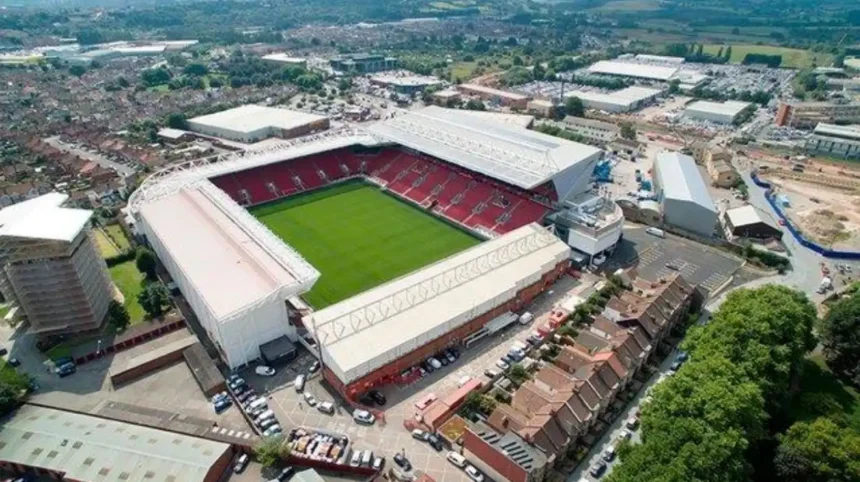
Football is one of Bristol’s most visible professional sports. Bristol City Football Club represents the city in English professional football and plays its home matches at Ashton Gate Stadium in South Bristol.
Bristol Rovers Football Club has an even longer documented history. The club was founded in 1883 as Black Arabs FC after a meeting in Eastville. It later became Eastville Rovers before adopting the Bristol Rovers name in 1899. Rovers entered the Football League in 1920.
Bristol Rovers currently play at the Memorial Stadium. The club’s historical record shows several important stages, including Southern League success in 1904–05, entry into the Football League in 1920 and a return to Bristol’s Memorial Stadium in 1996 after a period at Twerton Park in Bath.
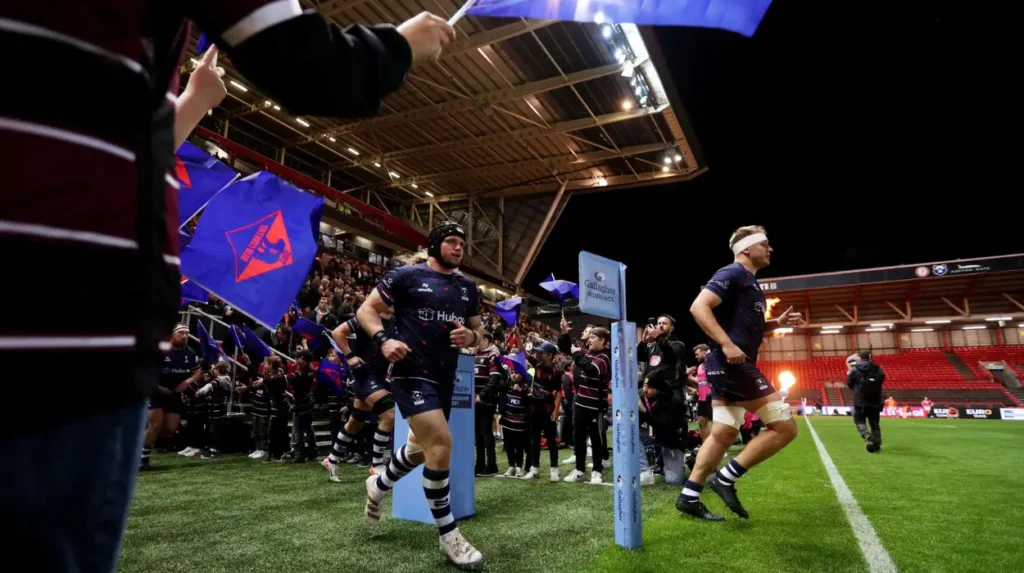
Rugby has an equally important place in Bristol’s sporting identity. Bristol Bears are the city’s professional rugby union club. The organisation competes at the highest levels of English professional rugby and operates development and community activities alongside its professional team.
Basketball adds another professional sport to Bristol’s sporting landscape. Bristol Flyers compete in British professional basketball and have developed a visible presence within the city’s wider sports sector.
These professional organisations serve purposes beyond match-day competition. They provide coaching, youth development, community engagement and opportunities for residents to connect with organised sport.
Professional clubs also create sporting infrastructure around major venues. Ashton Gate, for example, functions as a major sporting venue, while the Memorial Stadium provides a dedicated home for Bristol Rovers.
Which community sports clubs can people join in Bristol?
Community sports clubs in Bristol cover team and individual activities for children, teenagers and adults. Examples include football teams, cricket clubs, rugby clubs, tennis clubs, athletics groups, bowls clubs, cycling groups, swimming organisations, gymnastics clubs and martial arts associations.
Community sport forms the largest practical entry point for many Bristol residents. These organisations normally operate through membership, coaching sessions, fixtures, leagues, competitions or social activities.
Football has extensive community provision. Bristol City Council provides seasonal football pitches across locations including Eastville Park, Muller Road Recreation Ground, Netham Park, Oldbury Court and Redcatch Park. The council states that its seasonal football booking period runs from the first weekend in September to the final Sunday in April.
Local football clubs also provide junior and senior pathways. Players can progress from introductory sessions into organised youth teams and then adult football. The council directs people looking for local senior or junior teams toward the Gloucestershire Football Association and Somerset Football Association databases.
Bowls has a strong community structure. Bristol City Council records 17 outdoor bowling greens. Seasonal greens include facilities at Netham Park, Canford Park, St George Park and Begbrook Green Park. Bristol Indoor Bowls Club in Bedminster has nine rinks and supports junior participation and coaching.
Tennis is another accessible club sport. Bristol has 34 council-managed tennis courts, while Coombe Dingle Sports Complex provides 14 tennis courts, including four indoor and 10 outdoor courts.
Community sport also extends into less traditional activities. Bristol’s sports infrastructure supports cycling, golf, running, table tennis, mountain biking, gymnastics and watersports.
The key difference between these clubs is their participation model. Some focus on league competition. Others prioritise recreational activity. Some operate primarily for juniors. Others welcome adults across multiple experience levels.
What sports can you play through Bristol sports clubs?
Bristol sports clubs support a wide range of activities, including football, rugby, cricket, hockey, tennis, bowls, athletics, swimming, cycling, rowing, sailing, basketball, gymnastics, running, table tennis, squash, golf, martial arts and watersports.
Football remains one of Bristol’s most extensively organised club sports. The city has grass, artificial and indoor football facilities, supporting both formal fixtures and structured training.
Rugby union has established club infrastructure, with the Portway Rugby Development Centre providing a floodlit 3G all-weather pitch and two full-size rugby pitches. Bristol City Council currently identifies rugby as one of the city’s principal pitch sports.
Cricket is another major outdoor sport. Bristol’s Playing Pitch Strategy identifies cricket as facing the most significant undersupply among the principal pitch sports, making pitch capacity an important long-term issue for local clubs.
Hockey has an established place in Bristol’s organised sports system. The city’s pitch strategy highlights the importance of keeping hockey pitches well used, maintaining surfaces and securing long-term access.
Tennis combines club-based participation with public facilities. Players can use outdoor public courts or participate in structured club coaching and competition.
Athletics provides another route for competitive sport. Bristol has dedicated athletics facilities, including the City Academy Athletics Track and wider regional athletics provision.
Water-based activities are supported by Bristol’s geography and surrounding waterways. Rowing, sailing, canoeing and other watersports operate through clubs and specialist facilities.
Gymnastics provides structured pathways for younger participants and competitive athletes. The City of Bristol Gymnastics Centre is one of the specialist sports facilities identified by Bristol City Council.
Bristol also supports individual and specialist sports. These include running, cycling, squash, table tennis, golf, bowls, martial arts and mountain biking. The range allows residents to choose activities according to age, ability, competition level and preferred environment.
Where are the main sports facilities for Bristol clubs?
Major sports facilities are distributed across Bristol rather than concentrated in one district. Examples include Ashton Gate, the Memorial Stadium, Coombe Dingle Sports Complex, Portway Rugby Development Centre, Hengrove Park Leisure Centre, Horfield Leisure Centre and community sports centres.
Bristol’s geographic distribution of sports facilities supports participation across different neighbourhoods.
Ashton Gate Stadium is one of the city’s most prominent sporting venues. It is associated with Bristol City and provides a major setting for professional football and other sporting activity.
The Memorial Stadium is the home ground of Bristol Rovers. Its history reflects the club’s return to Bristol in 1996 after playing at Twerton Park in Bath.
Coombe Dingle Sports Complex provides a particularly broad range of facilities. The University of Bristol describes the site as a 38-acre indoor and outdoor complex with grass and artificial pitches, an indoor tennis centre, Olympic weightlifting facilities and provision for cricket, football, hockey, lacrosse, netball, rugby and tennis.
Portway Rugby Development Centre provides rugby infrastructure in Sea Mills. Its facilities include a floodlit 3G pitch and two full-size rugby pitches.
Hengrove Park Leisure Centre provides a major multi-sport facility in South Bristol. The wider council network also includes Bristol South Swimming Pool, Easton Leisure Centre, Henbury Leisure Centre, Horfield Leisure Centre, Kingsdown Sports Centre, Jubilee Swimming Pool and St Pauls Community Sports Academy.
Community sports centres operate across neighbourhoods including Bower Ashton, Hartcliffe, Speedwell, Brislington, Fishponds, Lockleaze, Withywood and Knowle.
This distribution matters for club participation because training frequency depends heavily on access to pitches, courts, pools and specialist venues.
How do children and young people enter Bristol sports clubs?
Children and young people generally enter Bristol sports clubs through beginner sessions, junior teams, school sport, community programmes, coaching schemes and university pathways. Examples include junior football, youth cricket, junior tennis, youth athletics, gymnastics and school-based sports provision.
Junior sport creates the foundation for long-term participation. Clubs often separate activities by age group and ability so that children receive appropriate coaching and competition.
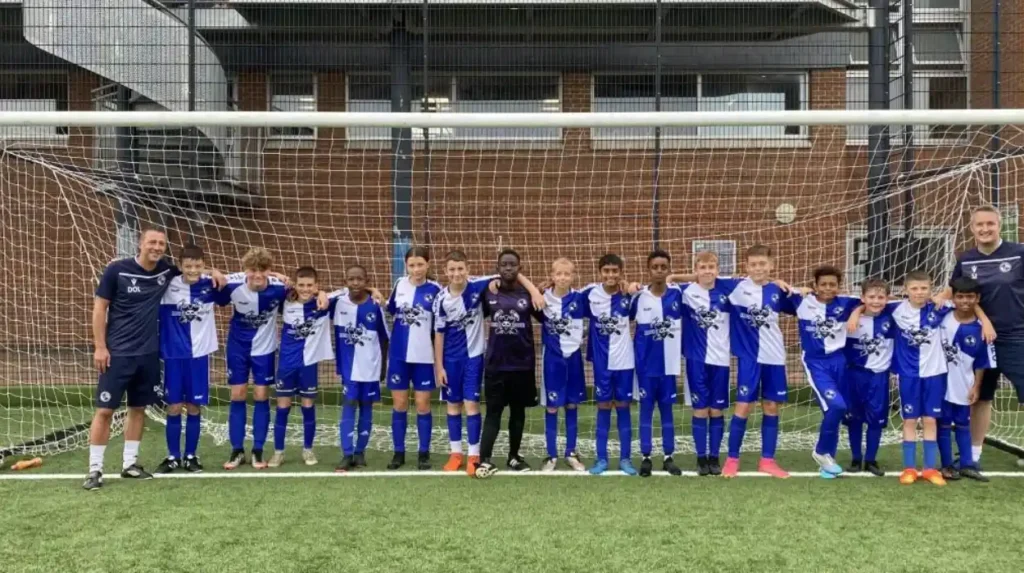
Football provides one of the clearest examples. Junior clubs organise training and fixtures across different age groups, while professional organisations provide structured development pathways.
Rugby also has established youth participation through community clubs and professional development structures. Similar pathways operate in cricket, hockey, tennis, athletics, swimming and gymnastics.
Schools form an important part of the local sporting network. Bristol City Council identifies school and academy facilities that can be hired by the wider public, creating additional spaces for organised sports.
The University of Bristol also provides a major transition point for young athletes. Its student sports system includes more than 70 student-led sports clubs and societies, covering activities such as football, cricket, cycling, hockey, rugby, sailing, swimming, tennis, basketball, fencing, volleyball, athletics, canoeing and futsal.
For young athletes with higher competitive ambitions, Bristol provides additional performance support. Bristol City Council operates schemes that provide eligible talented athletes with access to training facilities and sports centres.
The University of Bristol also operates a performance programme with coaching, strength and conditioning, nutrition, physiotherapy and sports psychology support. Its performance system has supported athletes who progressed to Olympic, Paralympic, Commonwealth and world-level competition.
These pathways create continuity from introductory participation through structured competition and high-performance sport.
How do students participate in sports clubs in Bristol?
Students in Bristol have extensive access to organised sport through university clubs, Students’ Union activities, intramural competitions, performance programmes and community facilities. Examples include football, rugby, rowing, hockey, basketball, tennis, swimming, athletics, cycling, archery and martial arts.
The University of Bristol has one of the city’s largest organised student sports networks. Its current sports programme lists more than 70 student-led sports clubs and societies.
Student clubs cover traditional team sports and specialist activities. The published club list includes badminton, boat, cricket, cycling, football, hockey, lacrosse, netball, rugby, sailing, swimming and water polo, tennis, basketball, fencing, snow sports, squash, volleyball, archery, table tennis, trampoline, triathlon, American football, athletics, canoe, cheerleading, futsal and Muay Thai.
Students can participate at different levels. Intramural sport provides organised competition without requiring the same commitment as university representative teams.
Students competing at a higher level can enter British Universities and Colleges Sport, commonly known as BUCS. BUCS is the national university sports competition system in the United Kingdom.
The University of Bristol provides dedicated facilities for student sport. Coombe Dingle Sports Complex supports multiple outdoor sports, while the Indoor Sports Centre provides indoor courts, fitness facilities and other training spaces.
The university also provides community access to selected facilities. Its membership structure includes public options alongside student and staff memberships.
This makes university sports infrastructure relevant beyond students because some facilities operate within the wider Bristol sporting ecosystem.
How can beginners find the right sports club in Bristol?
Beginners can find Bristol sports clubs by choosing a sport, checking the club’s age and ability requirements, confirming training locations, reviewing membership arrangements and attending an introductory session. Examples include beginner running groups, recreational tennis, community football and social university sport.
The first step is identifying the preferred activity. Team sports suit people seeking regular group competition. Individual sports provide greater flexibility around personal progression.
The second step is checking the participation level. Clubs commonly distinguish between recreational, beginner, intermediate and competitive activities. Junior clubs also use age-group structures.
Location is another practical factor. A club with convenient training facilities is easier to attend consistently. Bristol’s distributed sports infrastructure gives residents access to facilities across the city.
Cost should also be checked before joining. Membership fees, coaching charges, competition fees, equipment costs and facility charges differ between clubs.
Equipment requirements vary significantly. Tennis requires a racket and suitable footwear. Cricket requires specialist equipment for organised play. Swimming clubs require appropriate swimwear and training equipment. Cycling clubs involve bicycle and safety equipment requirements.
Beginners can also use public facilities before committing to club membership. Bristol City Council provides public sports infrastructure including tennis courts, bowling greens, leisure centres, pitches and specialist facilities.
Running is another accessible entry point. Bristol City Council provides information about running courses, groups, clubs and events for beginners, experienced runners and young people.
People with disabilities also have access to dedicated opportunities. Bristol City Council identifies disability sport as part of its wider sports and physical activity provision.
The best selection process therefore involves matching the sport, location, age group, ability level, schedule and cost with the participant’s needs.
Explore More Area Guide
Yoga Studios in Bristol: Classes, Styles & Beginner Guide 2026
Best Fitness Classes in Bristol for Every Fitness Level
How is Bristol planning for the future of sports clubs?
Bristol’s future sports provision is shaped by facility protection, pitch improvement, participation growth and strategic investment. The 2026–2040 Playing Pitch Strategy prioritises protecting existing provision, improving football and rugby facilities, addressing cricket shortages and supporting less-played sports.
Bristol’s Playing Pitch Strategy 2026–2040 provides an important framework for the future of local sports clubs. Bristol City Council approved the strategy on 26 June 2026 following consultation involving residents, sports clubs and stakeholders.
The consultation received 171 responses. Support levels were high across the strategy’s principal areas, including 94% agreement with the objectives, 91% with recommendations for multiple sports, 82% for rugby, 88% for hockey, 85% for football and 90% for cricket.
The strategy identifies three broad priorities: Protect, Enhance and Provide.
Protection is important because the city does not have a surplus of playing fields. The strategy states that existing sites should be protected wherever possible. Where loss of a pitch is considered, Sport England’s policy requirements apply.
Enhancement focuses on improving the quality and usability of existing facilities. Football and rugby are identified as sports where improving current club pitches and facilities can help meet future demand.
Cricket faces a more significant supply challenge. The strategy identifies cricket as having the most substantial undersupply and therefore requiring considerable action.
Hockey has a different requirement. The priority is efficient use of existing pitches, surface improvements and securing long-term operating arrangements.
Less-played sports also feature in the strategy. Further research is identified as necessary to help some specialist clubs secure sustainable home facilities.
The future of Bristol sports clubs therefore depends on both participation and infrastructure. Strong clubs require regular members, qualified coaches, appropriate facilities, sustainable finances and access to competition.
Bristol’s existing network gives the city a strong foundation. Professional teams provide elite sporting visibility. Community clubs provide grassroots participation. Universities create large student networks. Council facilities provide public infrastructure. Strategic planning provides a framework for protecting and improving capacity.
What makes Bristol an important city for sports clubs?
Bristol is an important sporting city because it combines professional teams, extensive community clubs, university sport, specialist facilities and hundreds of outdoor pitches. Examples include Bristol City, Bristol Rovers, Bristol Bears, Bristol Flyers, university clubs and neighbourhood sports organisations.
The city’s sporting importance comes from the combination of scale and variety.
Professional football is represented by Bristol City and Bristol Rovers. Rugby is represented at elite level by Bristol Bears. Basketball provides another professional sporting pathway through Bristol Flyers.
Grassroots participation operates across a much wider network. Football, rugby, cricket and hockey form major pitch sports, while tennis, bowls, athletics, swimming, cycling, gymnastics and watersports provide additional options.
Bristol City Council’s historic physical activity assessment recorded 222 individual indoor and outdoor sports facilities and more than 500 outdoor sports pitches, demonstrating the breadth of the city’s physical infrastructure.
University sport adds another major layer. The University of Bristol currently supports more than 70 student-led sports clubs and societies and provides specialist facilities through its Sport, Exercise and Health programme.
The city also has a developing long-term approach to sports infrastructure. The Playing Pitch Strategy 2026–2040 provides specific priorities for football, rugby, cricket, hockey and less-played sports.
For residents, this creates a wide range of participation routes. A person can join a beginner group, enter a community club, compete in a league, participate through a university, access specialist coaching or follow an elite performance pathway.
For families, the breadth of junior sport provides structured activities across multiple disciplines. For students, university clubs provide both competitive and social opportunities. For experienced athletes, Bristol offers facilities and performance support. For visitors, professional sporting venues and organised events provide opportunities to experience the city’s sporting culture.
Bristol sports clubs therefore form a connected sporting ecosystem rather than a single category of organisations. The combination of professional competition, grassroots participation, education, public facilities and long-term planning gives the city a substantial and diverse sports infrastructure.
What are the most popular sports clubs in Bristol?
Bristol has clubs covering football, rugby, cricket, hockey, tennis, athletics, swimming, cycling, basketball, gymnastics, rowing and martial arts. Football and rugby have particularly strong professional and grassroots networks.