
Bristol is one of the largest and most economically important cities in South West England. It combines a major employment base, two large universities, a historic harbour, extensive green spaces, established neighbourhoods, and strong cultural industries.
- Why is Bristol considered a good place to live?
- What is Bristol like as a city?
- Is Bristol a good place for jobs and careers?
- Is housing affordable in Bristol?
- Is Bristol good for families and education?
- Is Bristol easy to get around?
- What is Bristol’s lifestyle and culture like?
- Which types of people benefit most from living in Bristol?
- Will Bristol remain a good place to live in the future?
- What are the main advantages and disadvantages of living in Bristol?
The city is also one of the most expensive urban areas in the South West for housing. The latest Office for National Statistics data records an average Bristol house price of £352,000 in July 2026 and an average private rent of £1,883 per month in August 2026.
Bristol’s population was estimated at 495,300 in mid-2025. Bristol City Council projects the population to reach 526,600 by 2032, representing a 10% increase from 2022.
The city therefore offers strong opportunities but also significant pressures. Housing affordability, commuting, neighbourhood choice, employment, education, transport and lifestyle all influence whether Bristol is suitable for a particular household.
Why is Bristol considered a good place to live?
Bristol is a strong place to live for people seeking a large, diverse city with major universities, varied employment, cultural attractions, green spaces, and regional connections. Its main disadvantages are high housing costs, traffic congestion, and uneven affordability across neighbourhoods.
Bristol has the characteristics of a major regional city without being located in London or the South East. It serves as an important economic, educational and cultural centre for South West England.
The city has a substantial employment base covering professional services, technology, engineering, education, healthcare, finance, media and creative industries. Bristol City Council’s Economic Strategy 2025–2035 identifies business growth, innovation, skills, global connectivity and local wealth building as major priorities.
Bristol also has a large student population. In 2024/25, 68,800 students were registered at the city’s two main universities. These are the University of Bristol and UWE Bristol, formally the University of the West of England, Bristol.
The combination of employment, higher education and cultural activity creates demand for housing across different parts of the city. Neighbourhoods have distinct identities and housing markets, making location an important part of the decision to move to Bristol.
Bristol’s disadvantages are equally important. Housing costs are high. Road congestion affects many journeys. Some neighbourhoods experience higher levels of deprivation than others. The city’s transport strategy therefore focuses on improving connectivity, reducing congestion and supporting walking, cycling and public transport.

What is Bristol like as a city?
Bristol is a diverse South West English city with about 495,300 residents, a strong university population, historic maritime identity, established neighbourhoods, and a broad cultural economy. Its population is projected to grow further, increasing demand for housing, infrastructure, employment, and public services.
Bristol is located in South West England around the River Avon and the Bristol Channel. Its historic development was closely connected to trade, shipping and the harbour.
The city’s administrative history is particularly significant. In 1373, King Edward III granted Bristol a royal charter that established it as a county independent from Gloucestershire and Somerset. This status strengthened Bristol’s self-government and reflected its growing commercial importance.
Bristol later became an official city in 1542, when St Augustine’s Abbey became the city’s cathedral. Its maritime economy continued to influence urban development, trade and employment.
Modern Bristol is much more diverse than its historic trading identity suggests. Bristol City Council reports more than 287 ethnic groups, over 185 countries of birth, at least 45 religions, and more than 90 languages represented among residents.
The city includes a mixture of dense central neighbourhoods, Victorian and Edwardian residential districts, suburban communities, university areas, regenerated waterfront locations and green spaces.
This geographical variety is important for people considering a move. Living near the city centre creates different transport, housing and lifestyle conditions from living in areas such as Henleaze, Westbury-on-Trym, Fishponds, Bedminster, Southville, Redland or Brislington.
Bristol’s city centre is also economically significant. The council’s economic strategy states that 47% of Bristol’s jobs are located in the city centre, supporting around 143,300 employees across 4,945 business units.
Is Bristol a good place for jobs and careers?
Bristol has a broad economy built around professional services, advanced engineering, digital technology, creative industries, education, health, and research. The city centre contains 47% of Bristol’s jobs, while universities support a substantial student and graduate population across many sectors.
Employment is one of Bristol’s strongest reasons for relocation. The city has a diversified economy rather than depending on one dominant industry.
Key economic areas include digital technology, aerospace and advanced engineering, financial and professional services, education, healthcare, research, media and creative industries.
The city’s universities strengthen this employment ecosystem. The University of Bristol contributes major research activity, while UWE Bristol has a strong focus on professional education and applied disciplines.
Bristol also has a significant creative economy. Film, television, animation, music, design and independent cultural organisations contribute to the city’s economic profile.
The employment picture is not identical across all residents. According to the Office for National Statistics, 76.1% of Bristol residents aged 16 to 64 were employed in the year ending December 2023. Around 252,000 people aged 16 and over were employed during that period.
The council’s current economic strategy identifies clean energy, digital technology, artificial intelligence, cultural and creative industries, business growth and research as important areas for future development.
This makes Bristol particularly relevant to graduates, professionals, entrepreneurs and workers seeking employment within a large regional economy.
However, employment opportunities need to be assessed alongside commuting costs and housing. A job in central Bristol has different practical implications for someone living in South Bristol, North Bristol or outside the city boundary.
Is housing affordable in Bristol?
Bristol has expensive housing compared with many UK cities, although costs differ sharply between neighbourhoods and property types. In July 2026, the average house price was £352,000 and average private rent was £1,883 monthly, making budgeting central to relocation decisions.
Housing is one of the biggest disadvantages of living in Bristol.
The ONS recorded an average Bristol house price of £352,000 in July 2026, compared with an average of approximately £305,000 across the South West at that time.
Average prices also differ by property type. ONS data for June 2026 recorded approximately:
- Detached homes: £696,000
- Semi-detached homes: £452,000
- Terraced homes: £388,000
- Flats and maisonettes: £246,000
Rental costs are also substantial. Average private rent reached £1,883 per month in August 2026, representing a 5.9% annual increase from £1,778 in August 2025.
The average figure does not represent every Bristol property. A room in a shared house, a studio apartment, a family terrace and a large detached property have very different rental markets.
Neighbourhood selection therefore matters. Areas close to major employment centres and universities often experience strong housing demand. More distant neighbourhoods can offer different price points and property types.
Affordability also depends on income. ONS housing affordability statistics compare house prices with local annual earnings. The measure is calculated by dividing house sale prices by annual earnings, with higher ratios indicating lower affordability.
For prospective buyers, mortgage affordability, deposit requirements, commuting costs, council tax, maintenance and energy costs need to be considered alongside the purchase price.
For renters, monthly rent is only one component. Deposits, utilities, transport, council tax and household costs also influence the total cost of living.
Is Bristol good for families and education?
Bristol offers extensive education options, including the University of Bristol and UWE Bristol, alongside primary and secondary schools across its neighbourhoods. In 2024/25, the two main universities had 68,800 registered students, supporting a substantial education, research, and graduate ecosystem.
Education is an important factor for families choosing where to live.
Bristol contains primary and secondary schools across its residential neighbourhoods. School availability and performance vary by area, so families need to assess individual catchments rather than treating the city as one education market.
The city also has a major higher education sector.
The University of Bristol is a research-intensive university located around Clifton and central Bristol. UWE Bristol operates major campuses including Frenchay, north of the city centre.
Together, the two universities registered 68,800 students in 2024/25.
This student population influences housing, retail, transport and local services. Areas around Clifton, Redland, Cotham, Bishopston and parts of South Bristol have strong connections to student and university life.
For families, other considerations include access to parks, healthcare, public transport, childcare, schools and everyday shopping.
Bristol’s neighbourhood structure gives families different options. Suburban areas generally provide a different residential environment from central districts, while neighbourhoods closer to the centre can provide shorter access to employment, universities, shops and cultural facilities.
The best location therefore depends on the household’s priorities rather than a single city-wide ranking.
Is Bristol easy to get around?
Bristol provides rail, bus, walking, cycling, road, and airport connections, but congestion remains a significant transport issue. The Bristol Transport Strategy prioritises reliable journeys, public transport, active travel, better streets, improved air quality, and lower transport-related carbon emissions.
Transport is one of Bristol’s most important quality-of-life considerations.
The city has several forms of transport, including buses, trains, cycling infrastructure, walking routes, roads and regional air connections.
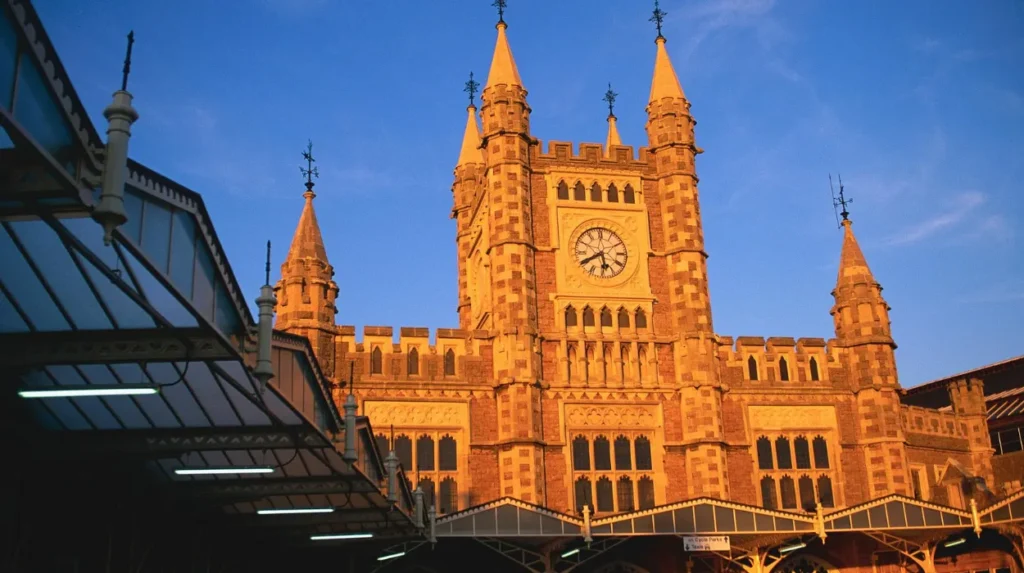
Bristol Temple Meads is the city’s principal railway station. It provides connections to destinations across England and Wales. Bristol Parkway provides another major rail connection in the northern part of the urban area.
Bus services form a major part of daily travel. The city has also developed MetroBus routes and continues to plan transport improvements.
Bristol’s transport policy recognises that population and employment growth increase pressure on existing infrastructure. The Bristol Transport Strategy aims to improve transport choices, support active travel, reduce congestion and improve road safety and air quality.
Cycling and walking are important alternatives for some journeys, particularly within central and inner-city neighbourhoods. Bristol’s geography, however, includes hills that influence cycling and walking patterns.
Car travel remains important for many households, particularly people commuting from suburban or surrounding areas. Congestion can increase journey times during busy periods.
The city is therefore well connected in regional terms but does not provide consistently fast road travel across every neighbourhood.
For residents, proximity to work, school, rail stations and frequent bus routes can significantly affect daily convenience.
What is Bristol’s lifestyle and culture like?
Bristol offers a strong mix of cultural venues, parks, waterfront spaces, independent businesses, historic areas, and neighbourhood high streets. Examples include the Harbourside, Clifton, St Nicholas Market, Bristol Museum & Art Gallery, Ashton Court, Southville, and Redland.
Bristol has a strong cultural identity built around its maritime history, creative industries, independent businesses and neighbourhood communities.
The Harbourside is one of the city’s most recognisable areas. Former docks have been incorporated into a mixed-use urban environment containing cultural venues, restaurants, public spaces and residential development.
Clifton provides another distinct part of Bristol. It is associated with historic architecture, Clifton Suspension Bridge and the University of Bristol’s surrounding campus environment.
The city also has established cultural institutions. Bristol Museum & Art Gallery provides collections covering art, archaeology, history and natural sciences.
St Nicholas Market is one of the city’s historic markets and remains part of the central retail and food environment.
Green space is another important part of Bristol’s residential appeal. Ashton Court provides extensive parkland on the western side of the city, while numerous local parks and open spaces serve individual neighbourhoods.
Bristol also has a large independent business sector. Cafés, restaurants, specialist shops, music venues and creative businesses contribute to neighbourhood identities.
The city’s cultural economy is recognised in local policy. Bristol City Council identifies culture and creative industries as important components of the city’s future economic development.
This creates a lifestyle that combines urban employment with access to cultural and outdoor activities.
Which types of people benefit most from living in Bristol?
Bristol suits professionals, graduates, students, families, entrepreneurs, researchers, and people seeking a large regional city with strong employment and cultural opportunities. Housing costs and commuting conditions require careful planning, particularly for lower-income households and frequent car commuters.
Bristol’s economic and educational structure creates several strong resident groups.
Graduates benefit from the city’s universities and graduate employment market. The large student population also supports professional services, hospitality, retail, cultural activity and private rental demand.
Professionals can access employment across technology, engineering, finance, healthcare, education, research, creative industries and other sectors.
Families can select from established residential communities with access to schools, parks and local services. The suitability of each area depends on school catchments, housing budgets, transport requirements and household priorities.
Entrepreneurs benefit from Bristol’s business ecosystem and concentration of technology, research and creative organisations.
Remote workers also have access to cafés, libraries, coworking facilities and home-working environments, although broadband, workspace and local amenities vary between properties.
Bristol is less straightforward for households seeking very low housing costs. The city’s average property and rental prices place pressure on household budgets. ONS data also shows that Bristol’s rental prices have continued to rise year on year.
People who need frequent car travel also need to consider congestion and parking conditions. The transport strategy specifically identifies congestion, journey reliability and sustainable transport as major issues.
The practical question is therefore not simply whether Bristol is good. The more useful question is whether its employment, housing, transport and neighbourhood conditions match a household’s circumstances.
Explore More Area Guide
Pros and Cons of Living in Bristol: Costs, Jobs and Lifestyle
Bristol Relocation Guide: Moving, Housing, Jobs & Transport
Will Bristol remain a good place to live in the future?
Bristol is a good long-term choice when housing costs, commute requirements, employment goals, and neighbourhood character match the city’s conditions. Its growth strategy targets a fair, green, and thriving economy, while population projections indicate continued demand for homes and services.
Bristol is expected to continue changing as its population and economy grow.
Bristol City Council’s mid-2025 population estimate is 495,300, while the council projects approximately 526,600 residents by 2032.
Population growth increases demand for homes, schools, transport, healthcare, employment and community infrastructure.
The city’s Economic Strategy 2025–2035 sets three central missions: creating a fair, green and thriving Bristol. The strategy includes business growth, innovation, skills, global city development, local wealth building and stronger local places.
Transport remains a major part of this future. The council’s strategy seeks better connectivity, sustainable travel, improved streets and more reliable journeys as Bristol grows.
Housing will remain a central issue. Population growth creates additional demand while high rents and property prices already affect affordability.
The city is also experiencing changes in migration patterns. Bristol City Council reports that, over the last five years, more people have moved out of Bristol to surrounding areas and other parts of the UK than moved into Bristol from those areas.
This movement highlights the relationship between Bristol and its surrounding communities. Some residents choose to live outside the city while retaining access to Bristol’s employment and services.
The future quality of life in Bristol will therefore depend on how effectively population growth, housing, transport, employment and environmental objectives are managed.
What are the main advantages and disadvantages of living in Bristol?
Bristol’s advantages centre on employment, education, culture, diversity and access to urban and outdoor environments. Its disadvantages centre mainly on housing affordability, congestion and uneven conditions between neighbourhoods.
The strongest advantages include a large and diverse employment market, two major universities, an established cultural economy, extensive green spaces, strong regional connections and a distinctive historical identity.
The city also has a diverse population. More than 287 ethnic groups and over 185 countries of birth are represented in Bristol, alongside more than 90 languages.
The main disadvantages involve cost and infrastructure pressure.
An average Bristol home cost £352,000 in July 2026, while average private rent reached £1,883 in August 2026.
Congestion is another significant issue. Bristol’s transport strategy specifically focuses on reducing congestion and improving journey reliability.
Neighbourhood differences also matter. Bristol contains areas with very different housing markets, transport links, architectural character, green-space provision and access to services.
For this reason, choosing the right Bristol neighbourhood is often more important than simply choosing Bristol as a city.
Overall, Bristol provides a strong combination of economic opportunity, higher education, culture, diversity and urban amenities. Its high housing costs and transport pressures require careful financial and practical planning. For households whose budgets and daily requirements fit those conditions, Bristol provides a substantial regional-city environment with continued economic and population growth.
Is Bristol a good place to live?
Yes. Bristol is a major South West English city with strong employment opportunities, two major universities, cultural attractions, green spaces and diverse neighbourhoods. Its main disadvantages are high housing costs and transport congestion.