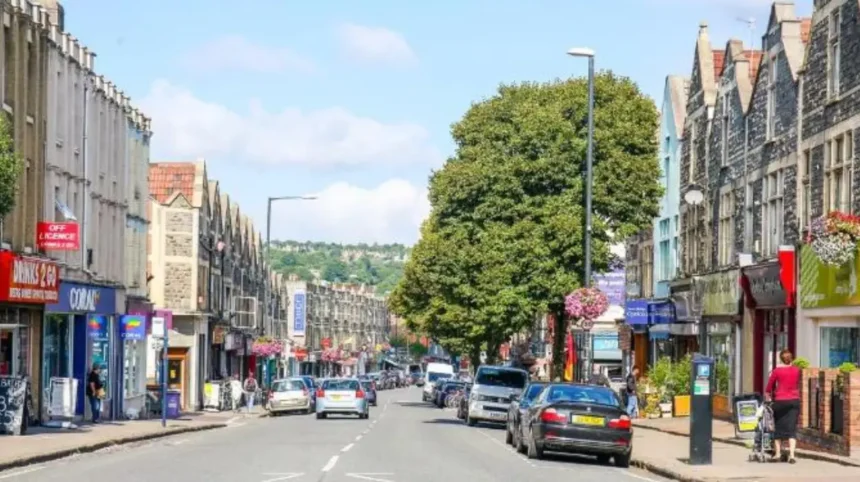
Bristol is a diverse South West England city with historic neighbourhoods, Victorian terraces, modern apartments, suburban houses, green spaces and strong transport connections. The best area depends on housing type, budget, commute, schools, outdoor space and access to central Bristol.
- Which areas are best for living in Bristol?
- Is Clifton a good area to live in Bristol?
- Why do people choose Redland and Cotham?
- Is Bishopston a suitable place to live?
- What makes Southville attractive for residents?
- Is Bedminster one of the best areas to live in Bristol?
- Are Westbury-on-Trym and Henleaze good suburban areas?
- What is living in Stoke Bishop like?
- Is Horfield a good place to live?
- Why do residents choose Fishponds and St George?
- Which Bristol areas work well for families?
- Which Bristol areas suit young professionals and commuters?
- How much does it cost to live in Bristol?
- What should you check before choosing a Bristol neighbourhood?
- How are Bristol’s best residential areas changing?
- How should you choose between Bristol’s main residential areas?
Bristol had 191,638 households at the 2021 Census. About 64.7% lived in houses or bungalows, while 35.2% lived in flats. The city has a higher proportion of flats and terraced housing than England and Wales overall.
Housing costs also form an important part of any area comparison. The Office for National Statistics recorded an average Bristol house price of £352,000 in July 2026, while the average private rent reached £1,883 per month in August 2026. The average first-time buyer price was £313,000. These citywide figures do not represent every neighbourhood, but they provide useful context for comparing local housing markets.
Which areas are best for living in Bristol?
The strongest residential choices in Bristol include Clifton, Redland, Bishopston, Southville, Bedminster, Westbury-on-Trym, Henleaze, Stoke Bishop, Horfield, Fishponds and St George. Each area has different housing, transport, green-space, shopping and lifestyle characteristics.
Bristol does not have one officially designated “best area”. The city contains neighbourhoods with very different physical layouts and housing markets.
Clifton and Redland sit close to central Bristol and feature substantial historic housing. Southville and Bedminster provide access to independent businesses, restaurants, cultural venues and south Bristol transport routes. Westbury-on-Trym, Henleaze and Stoke Bishop provide a more suburban environment.
Bishopston and Horfield extend along the Gloucester Road corridor. Gloucester Road passes through several northern neighbourhoods and is known for independent shops, cafés, restaurants and bars.
East Bristol includes areas such as Fishponds and St George. These neighbourhoods combine residential streets with local shopping and access to parks and green corridors. Visit Bristol identifies Easton, St George and Fishponds among Bristol’s established neighbourhood areas.
The city is divided into official electoral wards, but everyday neighbourhood names do not always match ward boundaries. Bristol City Council currently organises its wards into nine area committees, including groups covering Clifton, Redland, Bishopston, Southville, Bedminster, Stoke Bishop and Westbury-on-Trym and Henleaze.
Is Clifton a good area to live in Bristol?
Clifton is a historic central Bristol neighbourhood known for Georgian architecture, Bath-stone terraces, garden squares, independent businesses and proximity to major attractions. It suits residents seeking a central location with extensive amenities and established residential character.
Clifton is one of Bristol’s most recognisable neighbourhoods. Its built environment includes Georgian terraces, historic streets and distinctive Bath-stone architecture.
The neighbourhood extends from Clifton Triangle towards Clifton Village. The Clifton Suspension Bridge is its most prominent landmark. Visit Bristol describes Clifton as a Georgian area with boutiques, restaurants, garden squares and historic architecture.
Clifton has strong access to central Bristol. The area is approximately a 15–20 minute walk from the city centre via Park Street, with regular bus services also connecting Clifton Village with central areas.
Housing includes period terraces, converted properties, flats and larger historic homes. The concentration of older buildings means property condition, maintenance requirements and internal layouts vary significantly between individual homes.
Clifton also has a substantial student population. Bristol’s 2021 Census analysis recorded around 1,000 students living in communal establishments in Clifton, while Central Bristol had about 5,100 and Stoke Bishop about 2,400.
This creates a mixed residential environment containing students, professionals, families and long-term residents.
Why do people choose Redland and Cotham?
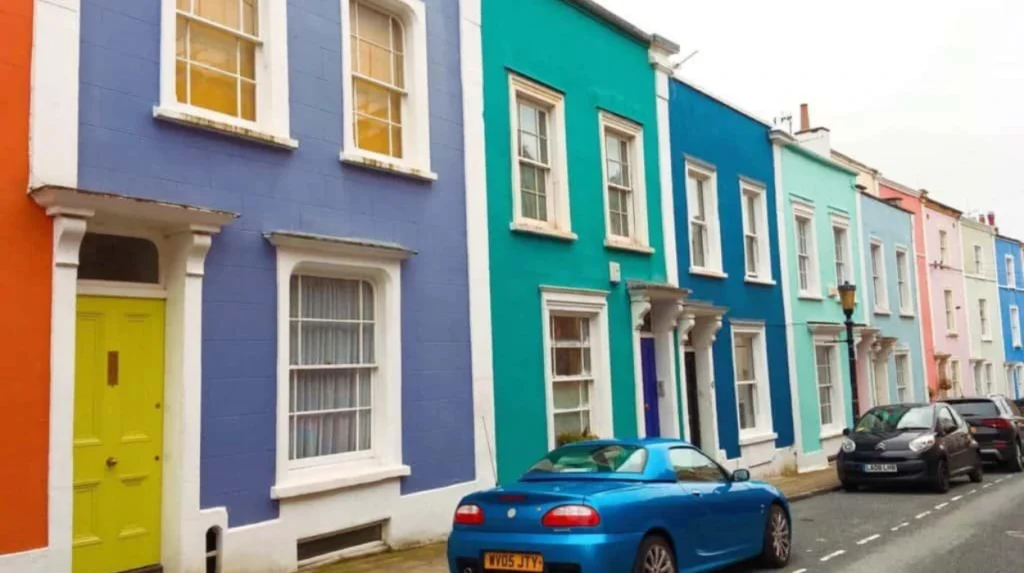
Redland and Cotham provide central residential locations with Victorian and Georgian housing, local restaurants, independent businesses, parks and rail access. Their position between Clifton and Gloucester Road places major parts of central and northern Bristol within convenient walking distance.
Redland and Cotham sit between Clifton and the Gloucester Road corridor. Both neighbourhoods contain substantial historic housing and tree-lined residential streets.
Visit Bristol describes Cotham and Redland as former large estates that developed into residential neighbourhoods containing grand houses, quieter streets and parks. Redland Station provides rail access, while Whiteladies Road and Stokes Croft are also within walking distance.
Housing varies from large period properties to converted flats and smaller terraces. The conversion of older houses creates a substantial apartment market alongside traditional family housing.
Local amenities are concentrated around roads such as Chandos Road and Cotham Hill. These areas contain restaurants, cafés, bars and independent businesses.
Redland is also an established residents’ parking area. Bristol City Council lists Redland among the areas covered by residents’ parking arrangements.
Parking therefore forms an important practical consideration for households that rely on private cars.
Is Bishopston a suitable place to live?
Bishopston is a popular northern Bristol residential area centred on the Gloucester Road corridor. It combines Victorian and Edwardian housing with independent shops, cafés, restaurants, schools and access to parks, making it suitable for households seeking established neighbourhood amenities.
Bishopston is closely associated with Gloucester Road, one of Bristol’s major independent shopping and dining corridors.
The surrounding residential streets contain many Victorian and Edwardian terraces. Property layouts frequently include multiple bedrooms, front reception rooms, rear extensions and gardens, although individual homes differ considerably.
The location provides access to independent retailers, cafés, restaurants, pubs and everyday services. Gloucester Road continues north through Bishopston and into Horfield, creating a continuous commercial corridor.
Bishopston also has connections with Ashley Down and nearby green spaces. Bristol City Council’s current ward structure places Bishopston and Ashley Down within Area Committee 2 alongside Redland, Stoke Bishop and Westbury-on-Trym and Henleaze.
The area has a significant student and professional population. Census data show notable concentrations of students in Bishopston and Ashley Down and nearby wards.
What makes Southville attractive for residents?
Southville combines Victorian and Edwardian terraced housing, independent businesses, cultural venues, parks and walking connections towards central Bristol. Its location south of the River Avon provides access to North Street, the Tobacco Factory, Wapping Wharf and nearby neighbourhoods.
Southville has developed a strong residential identity around its terraced streets and North Street commercial area.
Bristol City Council describes Southville as an area containing mainly Victorian and Edwardian terraced homes built before widespread private car ownership. The neighbourhood has a grid-like street pattern and narrow residential roads.
North Street provides the main commercial focus. It contains independent shops, cafés, restaurants and community activity. Visit Bristol identifies Southville and Bedminster as major concentrations of shops and restaurants in south Bristol.
The Tobacco Factory adds an important cultural institution. Its programme includes theatre, opera, comedy, dance and other performances.
Southville also has pedestrian connections towards the Harbourside. Gaol Ferry Bridge links the neighbourhood with Wapping Wharf and the city-centre waterfront.
Transport and traffic are significant local planning issues. Bristol’s South Bristol Liveable Neighbourhood programme covers Southville, Bedminster and other surrounding areas. Its objectives include improving walking, cycling, public transport access, air quality and local public spaces.
The council’s revised 2026 proposals specifically include Southville and Totterdown, alongside designs around North Street.
Is Bedminster one of the best areas to live in Bristol?
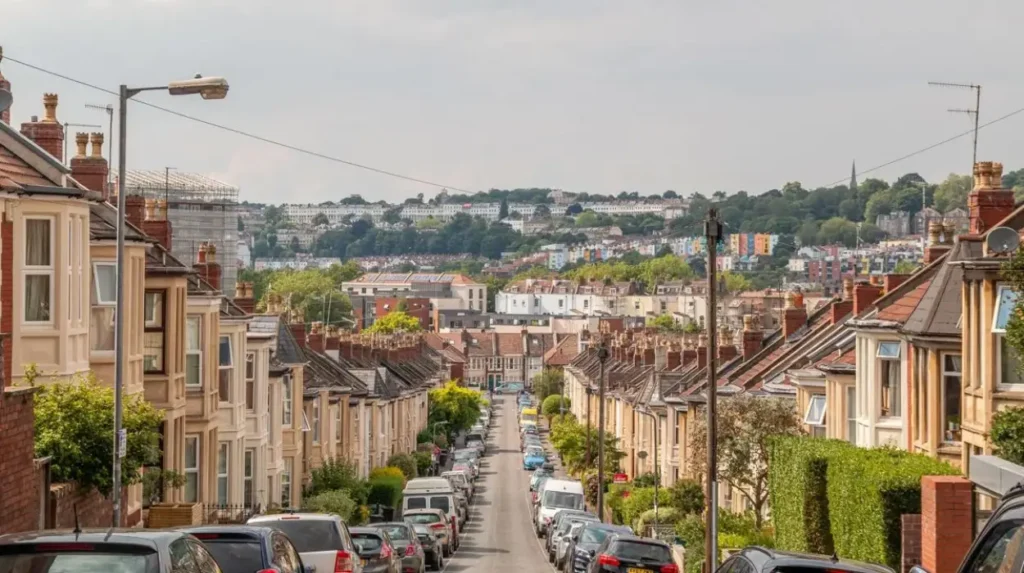
Bedminster offers a well-established south Bristol residential environment with Victorian terraces, local shopping, restaurants, markets, cultural venues and connections to central Bristol. Its housing range and location make it relevant to families, professionals, couples and established local households.
Bedminster sits immediately south of the River Avon and connects residential streets with one of Bristol’s busiest independent commercial areas.
North Street is a central part of the local high-street environment. Visit Bristol identifies shops, cafés, restaurants, markets and cultural activity across Bedminster and Southville.
Housing includes traditional terraces, converted homes, flats and newer developments. Property characteristics change significantly from one street to another.
Bedminster also benefits from its proximity to central Bristol and the Harbourside. Residents can combine local amenities with access to the city centre without relying exclusively on long-distance travel.
The area is part of Bristol’s South Bristol Liveable Neighbourhood programme. Current plans focus on managing through-traffic, improving pedestrian environments and supporting walking, cycling and public transport.
Residents who own cars need to check individual streets for parking restrictions and residents’ parking arrangements. Bristol City Council lists Bedminster East among its residents’ parking areas.
Are Westbury-on-Trym and Henleaze good suburban areas?
Westbury-on-Trym and Henleaze provide established north-west Bristol residential environments with suburban streets, local shopping, larger homes and access to green spaces. They suit households seeking more traditional residential settings while retaining connections with Bristol’s wider urban area.
Westbury-on-Trym has a village-style historic centre surrounded by residential streets. Henleaze provides another established suburban environment further east towards the northern Bristol urban area.
Housing includes period houses, semi-detached properties, detached homes, terraces and flats. Larger properties are more common in parts of these neighbourhoods than in highly central areas.
Local amenities support everyday living. Shops, cafés, services and community facilities are distributed through the neighbourhoods.
Bristol City Council groups Westbury-on-Trym and Henleaze with Stoke Bishop, Redland and Bishopston and Ashley Down in Area Committee 2.
The combined ward is also one of Bristol’s larger residential areas by population. The 2024 local election data recorded an electorate of 15,278 for Westbury-on-Trym and Henleaze.
For households seeking suburban housing rather than central apartments, these neighbourhoods provide a different housing structure from Clifton, Central Bristol and Hotwells.
What is living in Stoke Bishop like?
Stoke Bishop is a residential area in north-west Bristol characterised by substantial houses, green surroundings and access to the University of Bristol’s wider north-west campus area. It provides a suburban setting while remaining within Bristol’s urban boundary.
Stoke Bishop occupies a north-west position between Clifton, Westbury-on-Trym and areas around the Avon Gorge.
Its housing stock includes larger detached and semi-detached properties alongside terraces and flats. Streets generally have a more suburban character than central Clifton or Redland.
The area also has a notable student presence. Bristol’s Census 2021 analysis recorded approximately 2,400 students in communal establishments in Stoke Bishop.
This reflects the area’s relationship with the University of Bristol and university-related accommodation.
Stoke Bishop provides access to open spaces and the wider Avon Gorge landscape. Its location also supports journeys towards Clifton and central Bristol.
For families and professionals, the key consideration is the balance between suburban housing, transport requirements and distance from central employment and entertainment districts.
Is Horfield a good place to live?
Horfield provides a practical north Bristol residential base with terraces, local shops, schools, green spaces and direct access to the Gloucester Road corridor. Its location connects residents with Bishopston, Filton, Southmead and central Bristol through several transport routes.
Horfield lies north of Bishopston along the Gloucester Road corridor. The neighbourhood combines residential streets with a substantial high-street environment.
Housing is dominated by terraces and other family-sized properties, with flats and converted houses also present.
The location is useful for residents working or studying in northern Bristol. Southmead, Filton and other employment areas are accessible from the wider north Bristol road and bus network.
Gloucester Road provides everyday retail and food services. Visit Bristol identifies the road as a long independent shopping corridor running through Stokes Croft, Redland, St Andrews, Bishopston and Horfield.
Horfield also has access to green spaces and recreational facilities. The area provides a different housing proposition from the expensive historic core, with more conventional terraces and suburban streets.
Bristol’s 2021 Census analysis recorded 1,196 students in communal establishments in Horfield, demonstrating another part of the city’s student housing geography.
Why do residents choose Fishponds and St George?
Fishponds and St George provide established east Bristol residential areas with local high streets, traditional housing, parks and connections towards central Bristol. They offer a different urban environment from Clifton and Redland, with substantial terraces and access to eastern green spaces.
Fishponds is a major east Bristol residential area centred around Fishponds Road and nearby neighbourhood streets.
Its housing includes Victorian and Edwardian terraces, semi-detached homes, flats and converted properties. The area has a substantial local retail environment supporting everyday shopping.
St George sits further east and is associated with St George’s Park and residential streets extending towards the Bristol-Bath corridor.
Visit Bristol identifies Easton, St George and Fishponds among eastern neighbourhoods offering high-street shopping, dining and access to green spaces.
These areas are also connected to Bristol’s wider active-travel and neighbourhood improvement agenda. Bristol City Council’s Liveable Neighbourhood programme focuses on creating safer streets, improving green spaces and making walking and cycling easier.
Housing costs differ considerably by street, property type and condition. Buyers should therefore compare individual listings rather than relying on a single neighbourhood-wide assumption.
Which Bristol areas work well for families?
Family-friendly housing is concentrated across several Bristol neighbourhoods, including Westbury-on-Trym, Henleaze, Stoke Bishop, Bishopston, Horfield, Southville, Bedminster, St George and parts of Brislington. Housing size, schools, parks, transport and parking are important factors in each location.
Family suitability depends on property size, school access, outdoor space, transport and local services rather than one citywide ranking.
Westbury-on-Trym, Henleaze and Stoke Bishop contain substantial suburban housing. Bishopston and Horfield provide Victorian and Edwardian terraces close to shops and services.
Southville and Bedminster combine family housing with dense local amenities. St George and Brislington provide additional residential choices further east.
Bristol City Council provides school information by local areas. Its current primary-school relevant areas include combinations such as Bishopston and Ashley Down with Cotham and Redland, Stoke Bishop with Westbury-on-Trym and Henleaze, and Bedminster with Southville.
School catchment arrangements require address-specific checking. A neighbourhood name alone does not establish admission eligibility.
Parking is another important family consideration. Residents’ parking schemes operate in numerous Bristol neighbourhoods, including Clifton, Redland, Southville, Bedminster East and several central districts.
Which Bristol areas suit young professionals and commuters?
Young professionals and commuters have several central and inner-city options, including Clifton, Redland, Cotham, Bishopston, Southville, Bedminster, Old Market, Easton and Hotwells. These areas combine employment access with restaurants, cafés, cultural venues and local transport.
Central neighbourhoods reduce travel distances to Bristol’s major employment and cultural districts.
Clifton, Cotham and Redland provide established housing near central Bristol. Southville and Bedminster provide quick access across the river to the Harbourside and city centre.
Old Market sits close to Bristol Temple Meads. Visit Bristol describes it as a historic district within walking distance of Temple Meads and the Bristol Shopping Quarter.
Easton provides access to central Bristol through the east side of the city and has an established independent retail and food scene.
Hotwells and Harbourside provide particularly central housing but have a high proportion of flats. Bristol Census 2021 data show flats account for 80% of accommodation in Hotwells and Harbourside, while Central ward has an even higher figure of 93%.
This contrasts with areas where houses dominate the housing stock.
How much does it cost to live in Bristol?
Bristol’s average house price was £352,000 in July 2026, while average private rent reached £1,883 per month in August 2026. First-time buyers paid an average of £313,000, but neighbourhood-level prices vary substantially.
The latest ONS figures provide a useful baseline for housing decisions. The average Bristol house price reached £352,000 in July 2026, representing a 2.1% annual increase.
Average private rent reached £1,883 per month in August 2026, up 5.9% from £1,778 in August 2025.
The average first-time buyer price was £313,000 in July 2026.
These figures cover the Bristol local authority area rather than individual neighbourhoods.
Housing type also influences cost. Central Bristol contains a high proportion of flats, while many outer neighbourhoods contain larger houses.
The Bristol Census recorded 191,638 households in 2021. Terraced houses represented 32.1% of accommodation, semi-detached houses represented 26.6%, and detached houses represented 6%.
A property search should therefore compare the exact property type, tenure, floor area, condition, parking and outdoor space.
What should you check before choosing a Bristol neighbourhood?
Residents should compare housing costs, transport, parking, schools, green space, local services, property condition and future development before choosing a Bristol neighbourhood. Address-level research is essential because conditions change between streets within the same named area.
Housing should be assessed first. Check recent sale prices, current rents, property condition, service charges for flats and expected maintenance costs.
Transport should then be matched to the daily commute. A neighbourhood that appears close to the city centre can have different journey times depending on road congestion, bus routes, rail access and walking routes.
Parking requires particular attention. Bristol operates residents’ parking schemes across multiple neighbourhoods, with permit prices determined partly by vehicle emissions and location.
Schools should be checked using the exact property address and current admission information. Bristol’s relevant areas do not automatically guarantee admission to a specific school.
Future development is another important consideration. Bristol’s Local Plan establishes planning policies for development, while neighbourhood plans can provide additional local planning policies in designated areas.
South Bristol provides a current example of neighbourhood change. The council is progressing liveable-neighbourhood proposals involving Southville, North Street and Totterdown, with measures focused on traffic, public spaces, walking and cycling.
Explore More Area Guide
Best Places for a Night Out in Bristol
Best Student Bars in Bristol: Bristol University Nightlife Guide
How are Bristol’s best residential areas changing?
Bristol’s residential areas are changing through new housing, transport improvements, neighbourhood planning and liveable-neighbourhood projects. These changes affect streets, housing supply, traffic management, public spaces and access to local services across established and developing parts of the city.
Bristol continues to plan for housing and infrastructure through its Local Plan and development programmes.
The council’s liveable-neighbourhood approach focuses on safer and healthier streets, better walking and cycling infrastructure, improved green spaces and reduced through-traffic.
South Bristol is one active example. The current programme covers Southville, Bedminster, Ashton Vale, Malago Vale, Perretts Park, Windmill Hill and Totterdown, with revised proposals progressing in 2026.
Housing supply is another important factor. Bristol’s Census 2021 data recorded 3,167 additional houses compared with 2011. The city also has a substantially higher proportion of flats than England and Wales overall.
Future residents therefore need to assess both current conditions and confirmed development proposals.
How should you choose between Bristol’s main residential areas?
Choose between Bristol neighbourhoods by matching housing type, budget, commute, schools, parking, green space and local amenities to your daily requirements. Clifton and Redland offer central historic housing, while Southville, Bishopston and suburban districts provide different space and lifestyle options.
Clifton suits residents prioritising centrality, historic architecture and established amenities. Redland and Cotham combine central access with quieter residential streets.
Bishopston and Horfield work along the Gloucester Road corridor, providing dense local services and traditional housing. Southville and Bedminster combine residential streets with strong independent retail and cultural facilities.
Westbury-on-Trym, Henleaze and Stoke Bishop provide more suburban environments and larger housing options. Fishponds and St George provide established east Bristol alternatives.
The housing market provides a useful financial baseline, but citywide averages do not determine the price of an individual property. ONS data should therefore be combined with current property listings and address-specific research.
Bristol’s neighbourhood structure makes location selection highly specific. Two properties within the same named area can have different transport access, parking arrangements, school catchments, noise levels and housing conditions.
The most reliable approach is to compare the exact streets and properties that meet your requirements, then check current council information, transport services, planning applications and housing-market data before making a decision.
What are the best areas to live in Bristol?
Popular residential areas include Clifton, Redland, Cotham, Bishopston, Southville, Bedminster, Westbury-on-Trym, Henleaze, Stoke Bishop, Horfield, Fishponds and St George. Each area has different housing, transport and lifestyle characteristics.