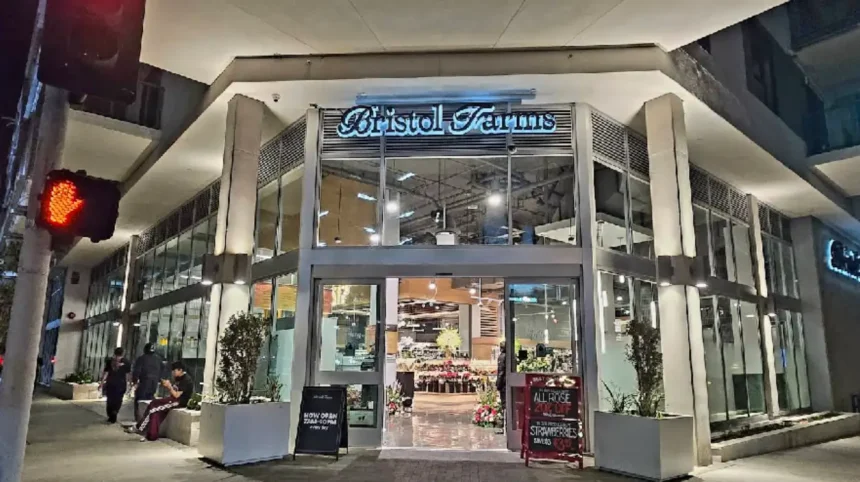
Bristol Farms is an American upscale grocery store chain that specializes in gourmet, organic, and premium natural foods across Southern California. The retail entity integrates traditional neighborhood butcher shops, specialty bakeries, and chef-led culinary operations under a singular commercial marketplace environment.
- Where Are the Primary Locations and Corporate Facilities Operating Today?
- What Structural Components and In-Store Departments Define the Store Layout?
- How Do the Procurement and Operational Processes Support Product Quality?
- What Real-World Innovation Examples Define the Brand Retail Footprint?
- What Statistical Insights and Corporate Data Define the Retail Scale?
- What Are the Future Implications of the Hybrid Food Hall Grocery Model?
- FAQs About Bristol Farms
- Is Bristol Farms More Expensive Than Mainstream Supermarkets?
- What Makes Bristol Farms Different From Competitors Like Whole Foods?
- Who Owns Bristol Farms and Where Is It Headed Locally?
- Does Bristol Farms Offer Grocery Delivery or Online Ordering Options?
- What Are the Best Prepared Food Items to Buy at Bristol Farms?
The business enterprise achieved immediate commercial success within Los Angeles County, expanding its retail physical footprint through strategic regional real estate acquisitions. In June 1999, the corporation expanded by acquiring the landmark Chalet Gourmet marketplace situated in West Hollywood, California, securing its position within the luxury food market. Corporate ownership transitioned significantly in September 2004 when the multi-state retail corporation Albertsons, Inc. purchased the entire Bristol Farms retail network to serve as a high-end subsidiary brand.
Under the management direction of Albertsons, the company acquired Santa Barbara-based Lazy Acres Market in October 2005 as a strategic defensive real estate measure against competing natural food operators. A subsequent corporate restructuring occurred on June 2, 2006, when a private investor consortium led by Cerberus Capital Management and Supervalu, Inc. acquired Albertsons, shifting the grocery chain into a wholly owned subsidiary of Supervalu. Operational independence was achieved on October 29, 2010, when Supervalu finalized the sale of the chain to a localized joint venture formed by the private equity investment firm Endeavour Capital and the internal executive management team. The current institutional framework was solidified in 2020 when the enterprise became an anchor brand under Good Food Holdings, a specialized holding company that manages prominent regional grocery banners.
Where Are the Primary Locations and Corporate Facilities Operating Today?
Bristol Farms maintains its centralized corporate headquarters facility in Carson, California, directing all logistics, procurement, and administrative support operations. The brand manages 14 traditional specialty grocery locations and 6 distinct Lazy Acres Market stores throughout the coastal Southern California geographic region.
The physical store network concentrates heavily within affluent suburban neighborhoods and high-density commercial centers across Los Angeles, Orange, Riverside, and San Diego counties. Notable historical expansions included a flagship store at the Westfield San Francisco Centre in Northern California, which opened in 2006 and ceased operational activities in January 2017. The enterprise favors strategic real estate conversions, having successfully transformed four legacy retail grocery sites previously operated by mainstream supermarket chains into specialized luxury environments.
These comprehensive structural adaptations occurred in the coastal San Diego neighborhood of La Jolla, the desert resort community of Palm Desert, the West Los Angeles neighborhood of Westchester, and the coastal city of Santa Monica. In November 2008, the organization executed a structural departure by designing and constructing a 30,000-square-foot facility entirely from the ground up within the Bridgeport Marketplace development in Santa Clarita, California. The physical layout utilizes an experiential design methodology featuring distinct interior storefront facades, custom themed props, and extensive hand-painted wall murals created by regional design studios to depict local valley history. Modern brick-and-mortar operations are further exemplified by the 34,000-square-foot Newfound Market concept established at the Irvine Spectrum Center in Irvine, California, which functions as a hybrid retail food hall.
What Structural Components and In-Store Departments Define the Store Layout?
The interior structural layout of a standard retail location utilizes an experiential format divided into multi-functional culinary departments and specialized product boutiques. Each site features centralized service counters dedicated to hand-selected meats, fresh coastal seafood, international cheeses, and freshly prepared hot food items.

The primary produce department prioritizes locally grown agricultural commodities, certified organic fruits, seasonal vegetables, and exotic imported items from global agricultural partners. The full-service butcher department utilizes professional meat cutters who provide premium proteins, including United States Department of Agriculture Choice and Prime beef cuts, free-range poultry, and custom house-made sausages. The adjacent seafood pavilion features sustainable wild-caught fish, premium shellfish options, and fresh steel-head trout sourced directly from international glacially-carved bays like Loch Etive in Northern Scotland.
The specialized bakery department produces artisanal breads, European-style pastries, and warm Belgian chocolate chip cookies prepared throughout the day by on-site pastry chefs. Customer convenience is elevated through the integration of dedicated sushi departments equipped with automated robotic food-preparation machinery that mixes specialized seasoned rice and slices rolls uniformly. The gourmet cheese department contains over 350 distinct varieties of domestic and imported artisanal cheeses managed by trained cheesemongers who curate specialized flavor pairings for consumers. The beverage section functions as an integrated specialty boutique, using structural elements like four-wall enclosures, customized timber roof trellises, and dedicated wine racks to hold premium spirits, craft micro-brews, and rare international wines.
How Do the Procurement and Operational Processes Support Product Quality?
The corporate operational infrastructure depends upon a rigorous supply chain mechanism that coordinates daily deliveries from regional agricultural networks and specialized global importers. The company enforces strict sourcing criteria that mandate third-party quality verifications, organic certifications, and verified sustainable agricultural management practices.
Perishable inventory distribution relies upon continuous temperature-controlled transit networks traveling from regional agricultural hubs directly to individual store receiving docks to maintain maximum freshness. The prepared foods division operates centralized test kitchens where professional culinary directors formulate seasonal menus, ready-to-eat meals, and specialty catering packages. On-site staff members utilize systematic inventory management practices to track product freshness indices, rotating perishable commodities frequently and adhering to strict public food safety standards.
The checkout architecture balances modern technological automation with traditional customer service touchpoints by deliberately omitting automated self-checkout kiosks to preserve direct employee-to-consumer interactions. Store level management systems integrate digital barcode scanning, localized pricing updates, and real-time electronic inventory tracking to minimize overall supply chain waste. The enterprise utilizes automated preparation technologies within specialized production areas, employing automated sushi systems to guarantee consistent product output while reducing overall labor overhead. Additionally, the company offers digitized retail experiences by integrating online grocery ordering systems and third-party home delivery applications to serve consumers outside physical storefront environments.
What Real-World Innovation Examples Define the Brand Retail Footprint?
The primary real-world manifestation of the modern operational strategy of the brand is the Bristol Farms Newfound Market facility located in Irvine, California. This location provides a functional template for future store developments by fully integrating extensive food service establishments directly inside a traditional commercial supermarket structure.
The facility incorporates seven distinct chef-driven restaurant concepts and fast-casual food counters supported by 100 dedicated interior seats and an expansive outdoor courtyard dining space. The culinary offerings feature an artisan Italian restaurant with seating for 120 guests, a 27-foot architectural glass wall, and a curated selection of regional wines and beers. Fast-casual dining options include specialized culinary concepts such as a coastal fish shack menu inspired by Highway 1, customized seafood bowls, and flatiron steak salads.
Additional integrated concepts feature a dedicated European-style specialty cafe serving premium La Colombe roasted coffees, organic juices, fresh fruit smoothies, and custom acai bowls. The culinary ecosystem features specialized brands like the PI00A pizza enterprise, a localized business platform designed to provide equitable employment opportunities for deaf community members. The retail shelves serve as a launchpad for emerging entrepreneurial brands, featuring products like localized family cookie recipes and custom Japanese umami dipping sauces. This operational model connects the restaurant dining experience to the commercial grocery aisles, enabling shoppers to purchase identical ingredients used by on-site chefs to recreate specialized dishes at home.
What Statistical Insights and Corporate Data Define the Retail Scale?
Historical financial records and contemporary industry analytical profiles indicate that Bristol Farms maintains a stable economic presence within the competitive specialty retail sector. The corporation employs approximately 1,500 active personnel across its corporate infrastructure and regional storefront network to manage daily mercantile operations.
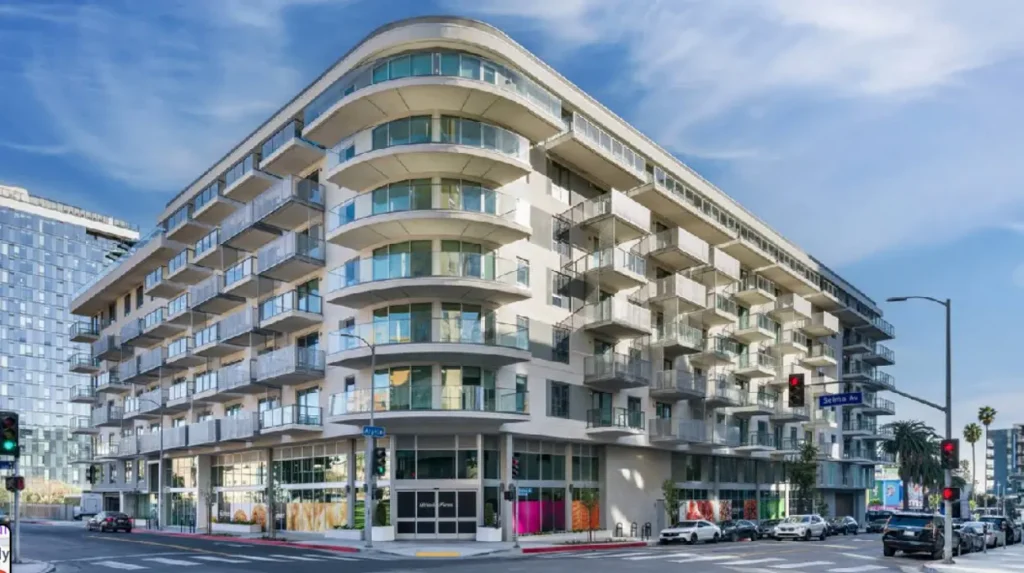
The enterprise is ranked 78th out of 252 active global competitors within the specialty retail and natural grocery sector based on market valuation indexes. The broader corporate parent organization, Good Food Holdings, provides significant capitalized support, overseeing multiple regional grocery banners that maintain market leadership through distinct product differentiation strategies. Statistical consumer demographic data indicates that store layouts successfully attract high-income households, culinary enthusiasts, and health-conscious consumers who prioritize premium ingredient transparency over baseline price considerations.
The physical dimensions of the stores optimize operational space efficiency, with standard legacy conversions measuring 28,000 square feet and newer modern food hall layouts extending to 34,000 square feet. Product distribution metrics reflect a diverse inventory assortment strategy, allocating major shelf space to organic certifications, gluten-free items, and private-label products. The organization actively tracks localized economic impacts by supporting regional agricultural cooperatives and investing corporate capital into local community development initiatives and public charity events. This targeted commercial framework enables the enterprise to sustain consistent revenue generation metrics despite competing against massive multinational retail conglomerates and national organic supermarket systems.
What Are the Future Implications of the Hybrid Food Hall Grocery Model?
The ongoing evolution of the hybrid supermarket model indicates a permanent structural shift in consumer purchasing habits toward experiential retail environments. Traditional single-format grocery stores face increasing competitive pressures from digital commerce platforms, requiring physical storefronts to provide unique sensory experiences.
The integration of full-service restaurants, interactive culinary stations, and automated preparation technologies enables regional grocers to capture multiple consumer spending categories simultaneously. Future industry expansions will likely prioritize adaptive multi-functional spaces that function as neighborhood social hubs while maintaining high-volume commercial food distribution capabilities. Environmental sustainability and verified ingredient sourcing will remain dominant operational mandates as contemporary consumers demand comprehensive supply chain transparency from corporate retailers.
The ongoing success of specialized banners under unified holding companies proves the economic viability of preserving localized brand identities while leveraging corporate logistics. As automated technologies improve operational efficiency at the store level, human staff members can shift focus entirely toward delivering personalized hospitality and customer service. The long-term relevance of upscale specialty merchants relies upon their agility in adapting to shifting consumer dietary preferences, technological innovations, and complex urban real estate environments. Ultimately, the model establishes a benchmark for the future of global grocery environments, proving that food retail spaces must evolve beyond basic transactional environments to survive.
Read More: Learn about the world’s premier sustainable seafood sources by exploring Why Alaska’s Bristol Bay Is the Most Vital Salmon Ecosystem in the World.
FAQs About Bristol Farms
Is Bristol Farms More Expensive Than Mainstream Supermarkets?
Bristol Farms maintains higher average price points than traditional grocery chains because it focuses on premium, artisanal, and organic products. The company invests heavily in specialized supply chains, high-grade meats, and chef-prepared foods that naturally increase overhead costs. Consumers typically view the store as a specialty boutique or luxury food hall rather than a venue for budget-focused, high-volume grocery shopping.
What Makes Bristol Farms Different From Competitors Like Whole Foods?
While both retailers prioritize organic foods, Bristol Farms distinguishes itself by embedding full-service restaurant concepts, local culinary pop-ups, and specialized boutiques within its locations. The store design emphasizes an experiential marketplace atmosphere featuring hand-painted local murals and highly localized product curation. Additionally, it maintains traditional full-service butcher and seafood counters that offer premium, chef-selected cuts rarely found in larger national chains.
Who Owns Bristol Farms and Where Is It Headed Locally?
Bristol Farms operates as a prominent regional brand under Good Food Holdings, a holding company that manages several upscale, independent supermarket banners. This structural arrangement allows the chain to maintain its localized Southern California identity and community focus while leveraging corporate logistical support. The brand continues to expand its retail footprint through its hybrid food hall concepts, such as the Newfound Market model in Irvine.
Does Bristol Farms Offer Grocery Delivery or Online Ordering Options?
Bristol Farms provides comprehensive online grocery ordering and home delivery services to accommodate shoppers outside its physical storefronts. The company collaborates with popular third-party delivery applications and maintains its own digital commerce platform for seamless customer access. Shoppers can order fresh produce, specialty meats, and custom catering packages directly through these integrated digital applications for reliable curbside pickup or home arrival.
What Are the Best Prepared Food Items to Buy at Bristol Farms?
The prepared foods section is widely celebrated for its pre-packaged gourmet meals, fresh chef-led sushi stations, and robust hot food bars. A signature customer favorite is the freshly baked, warm Belgian chocolate chip cookie program managed daily by on-site pastry chefs. The store also features rotating seasonal menus, customized artisan pizzas, and premium deli sandwiches crafted with high-quality ingredients sourced directly from their internal departments.