Bristol is one of the South West of England’s largest cities and a major centre for employment, education, transport and culture. The cheapest areas to live in Bristol attract first-time renters, students, families, young professionals and people relocating from more expensive parts of the city. Choosing an affordable neighbourhood requires more than comparing advertised rents. Transport costs, council tax, energy bills, property size and access to essential services also affect the total cost of living.
- What makes an area one of the cheapest places to live in Bristol?
- Which areas of Bristol are generally the cheapest to live in?
- Is Hartcliffe an affordable area to live in Bristol?
- Is Withywood a good choice for low-cost housing?
- Can Knowle West help households reduce housing costs?
- Is Southmead affordable compared with central Bristol?
- Is Lawrence Weston worth considering for affordable housing?
- Which Bristol neighbourhoods offer a balance between affordability and convenience?
- What makes Fishponds attractive to budget-conscious residents?
- Is Easton suitable for people seeking affordable city living?
- Which other areas should renters compare?
- How much does it cost to rent or buy a home in Bristol?
- How should renters compare monthly housing costs?
- What should homebuyers examine before choosing an area?
- Why do Bristol housing prices vary between streets?
- Which areas of Bristol are best for students and young professionals on a budget?
- What should students check before renting shared accommodation?
- Which factors matter most to young professionals?
- How can residents calculate the true cost of living in an affordable Bristol area?
- How do council tax and utility bills affect affordability?
- Can transport costs cancel out savings on rent?
- How can households estimate a realistic monthly budget?
- How should you compare transport links when choosing an affordable Bristol neighbourhood?
- What should families consider when choosing an affordable area in Bristol?
- How has Bristol’s housing market shaped affordable residential areas?
- Why does property age matter when comparing affordable homes?
- How does regeneration affect neighbourhood affordability?
- How can you find the cheapest suitable property in Bristol?
- Which affordable Bristol area should you choose for your budget?
The most suitable area depends on household income, commuting requirements, housing preferences and lifestyle. Neighbourhoods such as Hartcliffe, Withywood, Southmead, Knowle West, Lawrence Weston and parts of Easton and Fishponds are useful starting points for an affordability search. Their relative value varies by property type, street and market conditions.
What makes an area one of the cheapest places to live in Bristol?
The cheapest areas to live in Bristol are neighbourhoods where rent or purchase prices remain relatively affordable compared with the city average. Hartcliffe, Withywood, Knowle West and Southmead are useful starting points for comparing housing costs, property sizes and everyday travel expenses.
Affordability describes the relationship between housing costs and household income. It includes rent or mortgage payments, council tax, utilities, transport and maintenance. A neighbourhood with lower advertised rent does not automatically offer the lowest overall living costs.
Bristol has a varied housing market. Central districts attract people who want short commutes, nightlife and access to major employers. Residential areas farther from the centre offer different housing options, including family houses, maisonettes and flats.
According to the Office for National Statistics (ONS), Bristol’s average house price was approximately £357,000 in June 2026, while average private rent reached £1,880 per month in July 2026. The figures cover the Bristol local authority area, not individual neighbourhoods. They provide a useful benchmark for assessing local affordability.
The ONS figures also show why property type matters. In June 2026, the average price of a flat or maisonette was £246,000, compared with £388,000 for a terraced house. In July, average rents ranged from £1,223 for one-bedroom properties to £2,542 for properties with four or more bedrooms.
These figures are citywide averages, not guaranteed prices for a particular home. Actual costs depend on location, condition, size, tenancy arrangements and the date of the search.
Which areas of Bristol are generally the cheapest to live in?
Hartcliffe, Withywood, Knowle West, Southmead and Lawrence Weston are useful neighbourhoods to investigate when searching for affordable housing in Bristol. Parts of Fishponds and Easton also deserve comparison, although prices differ by street, property type and proximity to transport.
These neighbourhoods provide different options for people seeking lower housing costs. Their affordability should be assessed through current listings rather than an assumed citywide ranking.
Is Hartcliffe an affordable area to live in Bristol?
Hartcliffe is a residential neighbourhood in south Bristol. Its housing includes traditional family homes and social housing, alongside other privately owned and rented properties.
The area is worth investigating for households seeking more space than their budget provides in central Bristol. Prospective residents should compare the condition of individual homes, local shopping access and bus journeys to workplaces.
Hartcliffe’s suitability depends on the exact location. Check the route to your regular destination, especially if your working hours fall outside standard commuting periods.
Is Withywood a good choice for low-cost housing?
Withywood is a residential area in south Bristol near Hartcliffe and the wider suburban districts of the city. It offers housing suited to households looking for a residential setting away from the central commercial districts.
Renters should compare the total cost of a property with similar homes elsewhere in Bristol. Buyers should also examine the property’s condition, energy efficiency and likely maintenance expenses.
The distance to work, education and healthcare facilities is important. A lower purchase price does not compensate for an unsuitable commute or expensive transport arrangements.
Can Knowle West help households reduce housing costs?
Knowle West is a residential neighbourhood in south Bristol with a substantial history of planned housing development. Its housing stock includes properties built during different periods, creating variation in layout, size and condition.
Households searching for affordability should compare individual properties rather than treating the whole neighbourhood as one price category. Heating systems, insulation, garden maintenance and renovation requirements affect the cost of ownership.
Renters should establish which bills are included in their tenancy. Buyers should investigate survey findings and future repair requirements before making an offer.
Is Southmead affordable compared with central Bristol?
Southmead is a residential area in north Bristol. Its location makes it relevant to people working at Southmead Hospital, in nearby employment areas or elsewhere in the north of the city.
The neighbourhood contains different housing types, so costs depend on the size and condition of each property. Residents should compare homes around their preferred streets and assess access to shops, schools and public transport.
For hospital workers, a shorter journey to work can reduce transport spending and simplify shift-based commuting. For other residents, the best option depends on where they work and travel most frequently.
Is Lawrence Weston worth considering for affordable housing?
Lawrence Weston is a residential neighbourhood in north-west Bristol. It offers another location to include when comparing housing in the city’s outer residential districts.
People considering Lawrence Weston should evaluate both the asking price and their regular travel requirements. A home that meets a budget on paper needs to provide practical access to employment, education, food shopping and other essential services.
Compare journey times at the actual hours you expect to travel. This helps establish whether savings on housing remain meaningful after transport expenses.
Which Bristol neighbourhoods offer a balance between affordability and convenience?
Fishponds, Easton, parts of Knowle and selected residential streets outside Bristol’s central districts offer alternatives for people balancing housing costs with convenience. The best choice depends on transport connections, access to everyday services, property condition and proximity to work.
Affordability is not the only factor in a successful move. A slightly more expensive property near work or public transport can produce lower overall monthly spending than a cheaper home requiring regular car journeys.
What makes Fishponds attractive to budget-conscious residents?
Fishponds is an established residential district in east Bristol, with local shops and services along Fishponds Road. Its housing includes different property sizes and styles, allowing renters and buyers to compare several types of accommodation.
The area is worth considering for people who want neighbourhood amenities without living in the city centre. However, demand, property condition and the location of a particular home influence its price.
Check bus connections to your workplace and compare walking distances to supermarkets, healthcare services and other regular destinations.
Is Easton suitable for people seeking affordable city living?
Easton is an inner-east Bristol neighbourhood known for its residential streets and diverse local businesses. Its relatively central position can appeal to people who want access to the city without choosing a property in the most expensive central locations.
Easton is not uniformly cheap. Street-level prices, property size and demand create substantial differences between individual homes. Renters should compare total monthly costs, while buyers should review recent sold prices for comparable properties.
Access to local shops and transport can reduce the need for frequent car use. This makes travel expenses an important part of any affordability comparison.
Which other areas should renters compare?
People searching across Bristol should also investigate parts of Brislington, Kingswood and other residential districts within a practical commuting distance. Kingswood lies outside Bristol City Council’s administrative boundary in South Gloucestershire, so its local services, council tax arrangements and housing statistics differ from those within Bristol.
Brislington offers residential streets and access to services in south-east Bristol. Its affordability depends on the specific location and property type.
Comparing several neighbourhoods expands the available housing options. It also helps households identify whether a modest change in location delivers a meaningful reduction in rent or purchase price.
How much does it cost to rent or buy a home in Bristol?
The cost of housing in Bristol depends on bedroom count, property type, condition and location. ONS data provide citywide benchmarks, while current estate-agent listings and Land Registry records help establish realistic prices for specific neighbourhoods and comparable properties.
The latest available figures on the ONS Bristol housing dashboard provide a starting point for budgeting. The following statistics refer to different reporting periods and should not be treated as a single-month snapshot.
How should renters compare monthly housing costs?
Renters should compare properties with the same bedroom count, similar condition and comparable access to transport. A room in a shared house is not directly comparable with a self-contained flat, and an unfurnished property differs from one that includes furniture or bills.
The ONS reported an average Bristol rent of £1,541 per month for two-bedroom properties in July 2026. The average for three-bedroom properties was £1,755. These figures help households understand how costs change with property size, but they do not represent guaranteed rents in any particular neighbourhood.
Check whether advertised rent includes utilities, broadband or other charges. Most private rental comparisons also need to account for council tax, energy, water, travel and tenancy-related costs.
What should homebuyers examine before choosing an area?
Homebuyers should compare recent completed sales with the asking prices of properties they are considering. HM Land Registry records provide evidence of actual sale prices rather than only sellers’ expectations.
Property type matters significantly. A flat with a lower purchase price can still have service charges, ground rent where applicable, communal maintenance costs and lease-related obligations. A house can involve higher maintenance expenses, depending on its age and condition.
Buyers should also budget for surveys, legal fees, mortgage costs, moving expenses and necessary repairs. These costs affect the amount of money required beyond the deposit.
Why do Bristol housing prices vary between streets?
Housing prices reflect several local factors, including proximity to employment, transport links, schools, parks, shops and other services. Property size, building condition, outdoor space and demand also influence asking prices and completed sales.
A neighbourhood label is therefore not a reliable substitute for property-level research. Two homes within the same district can have different prices because one requires renovation or sits farther from transport, while the other has a larger floor area or better condition.
Compare similar properties within a small geographic area. Review recent sales and current listings together to distinguish asking prices from actual market transactions.
Which areas of Bristol are best for students and young professionals on a budget?
Students and young professionals should compare shared accommodation, smaller flats and neighbourhoods with convenient public transport. Fishponds, Easton, Southmead and selected areas of south Bristol offer different housing options, depending on university location, workplace, commuting budget and preferred lifestyle.
Students at the University of Bristol often compare central accommodation with residential areas farther from the university’s main campus. Students at the University of the West of England (UWE Bristol) should prioritise travel connections to the Frenchay Campus and their teaching locations.
Shared housing reduces the rent paid by each person, although the total cost depends on the number of occupants and the size of the property. Tenants should check the tenancy agreement, the division of utility bills and whether the property is licensed where licensing requirements apply.
Young professionals should calculate the cost of travelling to work. A room closer to an employment centre can be more economical than a cheaper property that requires frequent taxi journeys or expensive daily travel.
What should students check before renting shared accommodation?
Students should verify the total rent, deposit arrangements, utility costs, internet access and contract duration before signing a tenancy agreement. They should also check the property’s condition and the availability of suitable study space.
Where several people share a property, confirm how bills are divided and who is responsible for paying them. Households should also understand the rules for ending a tenancy and the arrangements for replacing a departing housemate.
Which factors matter most to young professionals?
Young professionals should compare commute times, transport frequency, access to workplaces and the availability of everyday amenities. A property close to a reliable bus route or a practical cycling route can reduce dependence on a private car.
Work patterns matter too. People working late shifts or irregular hours need to check services at the times they actually travel, rather than relying on daytime journey estimates.
How can residents calculate the true cost of living in an affordable Bristol area?
The true cost of living includes rent or mortgage payments, council tax, energy, water, transport, food and property maintenance. Comparing these expenses together gives households a more accurate affordability measure than choosing a neighbourhood solely because its advertised rent appears low.
Housing is usually one of the largest household expenses, but additional costs affect how much money remains available each month.
Bristol City Council publishes council tax charges by property band. For the 2026–27 financial year, the annual charge for a Band A property is £1,809.12, while Band D is £2,713.68. These charges apply to the relevant council tax bands and can change between financial years.
Council tax bands depend on a property’s valuation as of 1 April 1991 in England, rather than its current market price. A property with a lower purchase price is not automatically in a lower band.
How do council tax and utility bills affect affordability?
Council tax and utility bills increase the total cost of occupying a home. Renters should establish whether they are responsible for council tax and which utilities are included in their agreement.
Eligible households can check council tax discounts, exemptions and support through Bristol City Council. A qualifying full-time student household, for example, can receive different council tax treatment from a household of working adults.
Energy expenses depend on insulation, heating systems, household size and energy use. Before renting or buying, review the property’s Energy Performance Certificate (EPC), which records its energy efficiency rating and provides recommendations for improvements.
Can transport costs cancel out savings on rent?
Transport costs can reduce the financial advantage of living farther from the centre. Residents who commute daily should compare bus fares, season tickets, cycling expenses, parking charges and fuel costs where relevant.
A household paying less rent but travelling longer distances can face a higher total monthly budget than a household living closer to work. The effect depends on the number of journeys, transport mode and commuting frequency.
People who work remotely for most of the week should calculate transport costs based on actual travel patterns. Occasional office visits produce a different cost profile from a five-day commute.
How can households estimate a realistic monthly budget?
Households should list their regular expenses and allow for occasional costs such as replacing appliances, repairing a vehicle or paying for urgent property maintenance.
A simple budget should include:
- Rent or mortgage payments.
- Council tax and household utilities.
- Food, household supplies and internet access.
- Work, university and other transport.
- Insurance, maintenance and emergency savings.
Adding these expenses produces a more useful comparison between neighbourhoods than comparing rent alone.
How should you compare transport links when choosing an affordable Bristol neighbourhood?
Transport access affects both living costs and daily convenience. Residents should compare bus services, walking and cycling routes, road connections and rail access against their actual destinations, travel times and working hours before deciding that a cheaper Bristol neighbourhood suits their needs.
Bristol’s transport network connects residential districts with central employment areas, educational institutions, shopping districts and regional destinations. However, journey times differ according to the neighbourhood, route and time of day.
The West of England’s transport network includes bus services, rail stations and cycling infrastructure. Official transport information helps residents plan journeys and check current routes, fares and service changes.
People who depend on public transport should inspect the nearest stops and stations before committing to a tenancy. The straight-line distance between a property and a workplace does not necessarily represent the actual journey time.
Should you choose a home near a bus route?
A property near a useful bus route can reduce the need for a car and simplify everyday journeys. However, service frequency, operating hours, reliability and the need to change buses are all important.
Check the journey at the time you normally leave home and return. Weekend services and late-night routes also matter for shift workers and people who regularly travel for social activities.
Is living farther from central Bristol worth the saving?
Living farther from central Bristol is worthwhile when the reduction in housing costs exceeds the additional travel expenses and the household remains satisfied with its daily routine.
Residents should compare monthly housing costs with the total cost of commuting. They should also consider the time spent travelling, access to healthcare and shopping, and the frequency of journeys into the centre.
The right balance differs between households. A remote worker, a hospital employee and a student attending daily lectures have different travel requirements.
What should families consider when choosing an affordable area in Bristol?
Families should assess housing space, school access, childcare, transport, healthcare and nearby green spaces alongside rent or purchase prices. Residential areas such as Hartcliffe, Withywood, Southmead and Fishponds provide useful starting points for comparing properties against household needs and long-term budgets.
Families often need more bedrooms and storage space than single occupants. A larger property in a less central neighbourhood can offer better value than a smaller home in a high-demand location, but the total costs still require careful comparison.
School catchment areas and admissions policies are important considerations. Bristol City Council publishes information about school admissions, while individual schools provide details about facilities, inspection reports and educational provision.
Households should confirm school availability rather than assuming that living near a school guarantees admission. Childcare arrangements and journeys to work also influence the suitability of a neighbourhood.
Which amenities should families check before moving?
Families should check access to supermarkets, GP practices, pharmacies, schools, parks, public transport and childcare. These services influence the time and money required to manage daily responsibilities.
Green spaces support outdoor recreation, walking and children’s play. However, access to parks should be considered alongside road safety, walking routes and the location of facilities.
Households should also inspect the property itself. Damp, inadequate insulation, poor storage and expensive heating systems can make an apparently affordable home more costly to occupy.
How has Bristol’s housing market shaped affordable residential areas?
Bristol’s housing market reflects the city’s industrial history, population growth, employment opportunities and demand for residential property. Victorian terraces, post-war housing estates, modern flats and suburban family homes create different price points, making property type and location essential to affordability comparisons.
Bristol developed as a major port and commercial centre, with residential districts expanding as employment and transport networks changed. Industrial growth, later suburban development and more recent regeneration shaped the city’s housing stock.
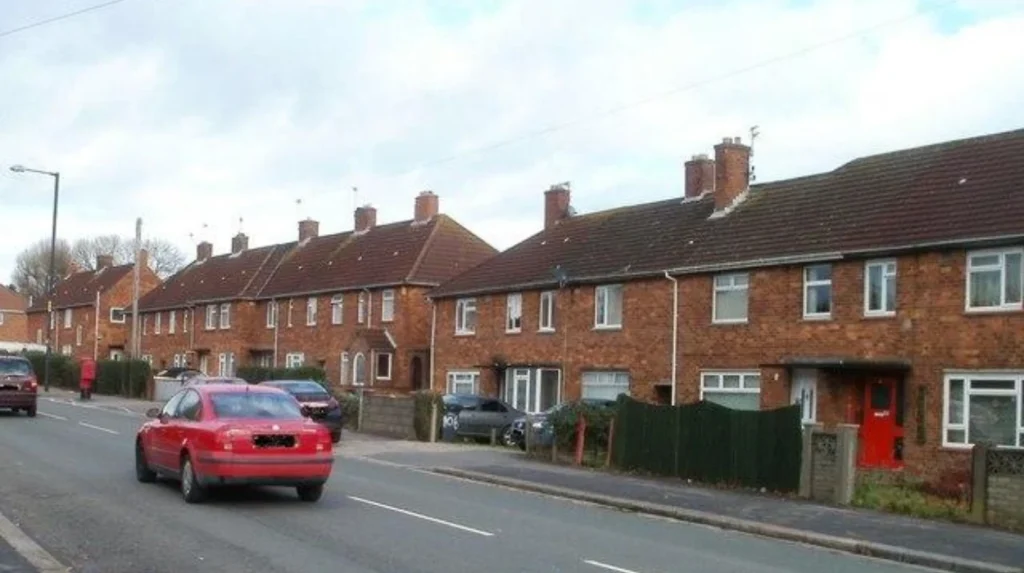
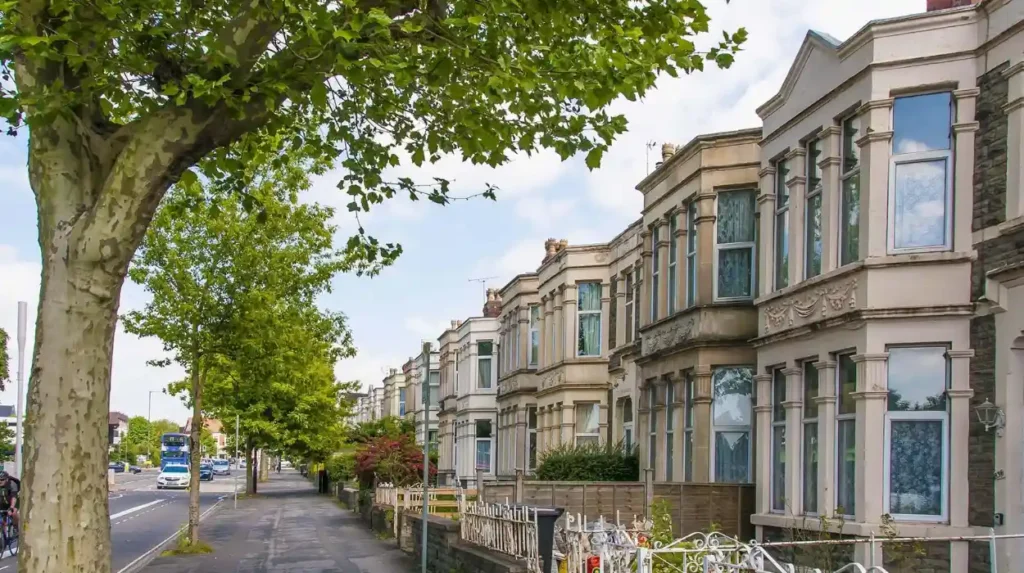
Older inner-city neighbourhoods contain historic terraces and converted properties. Outer residential areas include post-war housing estates, semi-detached homes and later developments. Newer apartments and regenerated districts provide additional choices, although new construction does not automatically mean lower prices.
Housing demand also reflects Bristol’s universities, hospitals, professional services, creative industries and technology businesses. These employment and education centres attract residents with different incomes and accommodation requirements.
Why does property age matter when comparing affordable homes?
Property age affects layout, insulation, maintenance and renovation requirements. Older houses often have distinctive room arrangements and solid-wall construction, while newer homes generally follow more recent building standards.
Neither category is automatically cheaper to occupy. An older property with poor insulation can produce higher energy costs, while a newer property can carry management fees or other ongoing charges.
Buyers should arrange an appropriate survey and investigate major repairs before exchanging contracts. Renters should inspect heating, ventilation, windows and signs of damp before signing an agreement.
How does regeneration affect neighbourhood affordability?
Regeneration involves investment in buildings, public spaces, transport, commercial facilities and other infrastructure. These changes can improve local amenities and attract new demand for housing.
However, regeneration does not guarantee that rents or house prices will remain affordable. New facilities and improved connections can change the appeal of an area, while the effects on housing costs differ between locations.
People choosing a home for long-term affordability should focus on their current budget and verified housing costs rather than relying on predictions about future price increases.
Explore More Area Guide
Cost of Living in Bristol for Families | 2026 Guide
Cost of Living for Students in Bristol: 2026 Guide
How can you find the cheapest suitable property in Bristol?
Finding affordable housing in Bristol requires comparing current listings, checking recent completed sales, calculating household expenses and inspecting properties before making a decision. Official housing statistics establish market benchmarks, while local listings reveal the options available within a specific budget.
A structured search makes it easier to identify genuine value and avoid properties that appear cheap but involve high additional expenses.
Start by setting a maximum monthly housing budget or purchase price. Then compare suitable properties across Hartcliffe, Withywood, Knowle West, Southmead, Lawrence Weston and other neighbourhoods that fit your transport requirements.
Use the ONS housing dashboard for local-authority statistics and HM Land Registry data for completed property sales. Property portals and letting agents provide current asking prices, but advertised figures do not establish the final agreed rent or sale price.
What should renters do before signing a tenancy?
Renters should verify the landlord or letting agent, inspect the property, review the tenancy agreement and understand deposit protection requirements. They should check the rent payment schedule, responsibilities for bills, repair arrangements and notice provisions.
A viewing should include the property’s condition, heating, ventilation, water pressure, windows, locks and appliances. Ask questions about previous utility costs when the information is available.
Renters should also confirm the precise address and travel route. A listing described as being in a particular neighbourhood can sit closer to another district or a less convenient transport connection.
What should buyers do before making an offer?
Buyers should compare recent sold prices, review the property’s tenure and arrange an appropriate survey. Mortgage affordability should account for interest rates, deposit size, insurance, legal costs and ongoing maintenance.
For leasehold flats, buyers should review the lease, service charges, reserve funds and any applicable ground rent. These obligations affect the long-term cost of ownership.
A lower asking price is only one part of the decision. Buyers should assess whether the property fits their budget after purchase and whether its location suits their expected employment, transport and household needs.
Which affordable Bristol area should you choose for your budget?
The best affordable area depends on the balance between housing costs, property size, commuting needs and access to essential services. Hartcliffe and Withywood suit searches focused on south Bristol, while Southmead and Lawrence Weston provide north and north-west options for comparison.
Use the neighbourhoods as a shortlist rather than a fixed ranking. Current property listings and comparable sales determine which area offers the best value for a particular household.
- For south Bristol housing searches: compare Hartcliffe, Withywood and Knowle West.
- For north Bristol housing searches: investigate Southmead and Lawrence Weston.
- For east Bristol convenience: compare Fishponds and Easton, paying close attention to street-level prices.
- For families: prioritise bedroom space, schools, childcare, parks and commuting requirements.
- For students and young professionals: compare shared housing, smaller flats and public transport access.
The cheapest property is not necessarily the most economical home. A sensible decision accounts for rent or mortgage payments, council tax, utility bills, travel and maintenance.
Bristol’s housing market changes over time, so check updated official statistics and current listings before committing to a move. Comparing several neighbourhoods using the same budget and property requirements produces a more reliable assessment of affordability.
What are the cheapest areas to live in Bristol?
Hartcliffe, Withywood, Knowle West, Southmead and Lawrence Weston are useful areas to explore when searching for affordable housing in Bristol. Actual rental and property prices depend on the street, property size, condition and current market demand.