Bristol offers a wide range of free museums where residents and visitors can explore the city’s history, art, architecture, maritime heritage, science and cultural identity without paying general admission fees. From the harbourside collections at M Shed to the historic interiors of the Georgian House Museum, these institutions provide accessible cultural experiences for different ages and interests.
- Why Are There So Many Free Museums in Bristol?
- Which Free Museums Should You Visit in Bristol?
- 1. Bristol Museum & Art Gallery
- 2. M Shed
- 3. Blaise Museum
- 4. The Georgian House Museum
- 5. The Red Lodge Museum
- 6. Bristol Archives
- 7. Kings Weston Roman Villa
- Which Independent Museums and Cultural Galleries Are Free in Bristol?
- What Can Families and Children Learn at Free Museums in Bristol?
- Exploring Natural History and Dinosaurs
- Understanding Everyday Life in Earlier Centuries
- Learning About Roman Britain
- Discovering Bristol’s Industrial History
- How Can You Plan a Free Museum Visit in Bristol?
- Check Opening Days and Seasonal Schedules
- Understand Booking Requirements
- Check Special Exhibition Charges
- Consider Accessibility
- Where Are Bristol’s Free Museums Located?
- How Can You Explore Bristol’s Free Museums in One Day?
- Morning: Explore Bristol’s History at M Shed
- Late Morning: Visit Arnolfini
- Afternoon: Visit Bristol Museum and Art Gallery
- Late Afternoon: Explore a Historic House
- Are Bristol’s Free Museums Open Throughout the Year?
- How Do Free Museums Preserve Bristol’s History and Cultural Identity?
- Preserving Maritime and Industrial Heritage
- Documenting Slavery and Colonial Trade
- Protecting Architectural Heritage
- Supporting Contemporary Artistic Expression
- Which Bristol Attractions Are Not Completely Free?
- What Is the Future of Free Museums in Bristol?
- Where Can You Enjoy Free Museums in Bristol?
The city’s free museum network includes major public museums, historic houses, specialist collections and contemporary art spaces. Bristol City Council manages several important venues through Bristol Museums, Galleries and Archives. Other independent cultural organisations provide additional free exhibitions and educational opportunities.
Free museum admission makes Bristol an accessible cultural destination for families, students, tourists and local residents. However, visitors should distinguish between free general admission and separately ticketed exhibitions, workshops, guided tours and special events.
Why Are There So Many Free Museums in Bristol?
Bristol has an established network of publicly accessible museums and cultural organisations that offer free general admission. These institutions preserve local heritage, display important collections, support education and make historical and artistic resources available to residents and visitors.
Bristol’s free museum provision reflects the city’s long cultural and maritime history. The city developed as an important trading port, industrial centre and manufacturing destination. Its historical connections with international commerce, migration, engineering and artistic production created collections that document different periods of British and global history.
Bristol Museums, Galleries and Archives operates a major group of publicly accessible cultural venues. Its collection covers archaeology, natural history, fine art, social history, local industries and historical buildings.
According to Bristol City Council’s official museum information, its listed museum venues offer free entry. Some temporary exhibitions require separate payment, and visitors are encouraged to check individual arrangements before travelling.
What Does Free Museum Admission Mean?
Free museum admission means visitors can enter the general museum displays without purchasing an entrance ticket. It removes the standard admission charge and allows people to explore permanent collections without a compulsory payment.
Free entry does not mean every activity inside a museum costs nothing. Special exhibitions, educational workshops, private tours and selected events sometimes have separate charges.
Donations are also welcome at many Bristol museums. These voluntary contributions help cultural organisations maintain buildings, conserve collections and deliver educational programmes.
How Do Bristol Museums Support Public Education?
Bristol’s museums support public education through historical objects, interactive displays, photographs, paintings, archaeological material and educational activities.
Schools use museum collections to support subjects such as history, geography, science and art. Families use displays to introduce children to historical periods and scientific subjects. Researchers use specialist collections and archives to investigate Bristol’s development.
The museums also document difficult aspects of the city’s past, including colonial trade, slavery, industrial inequality and social protest.
Which Free Museums Should You Visit in Bristol?
Bristol has several major free museums covering local history, fine art, archaeology, domestic life and maritime heritage. The main choices include Bristol Museum and Art Gallery, M Shed, Blaise Museum, Georgian House Museum and Red Lodge Museum.
These museums offer different experiences rather than repeating the same historical information. Their collections cover different periods and aspects of Bristol’s development.
1. Bristol Museum & Art Gallery
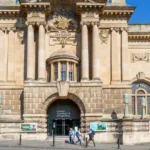
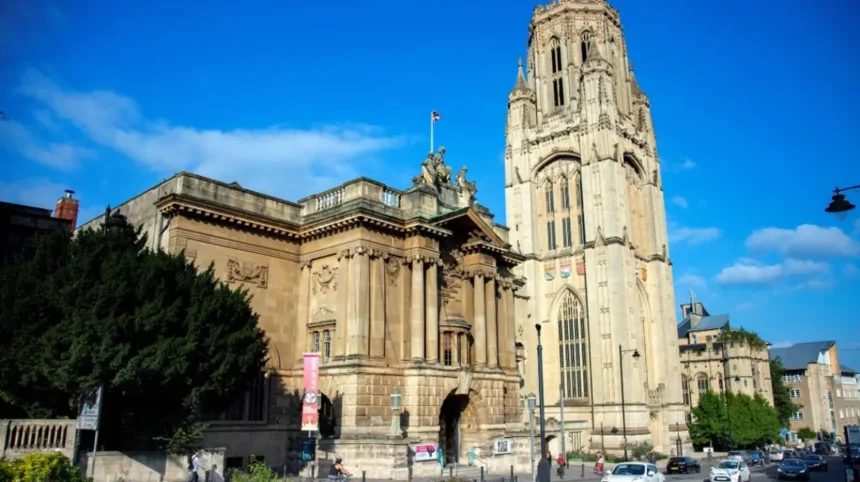
Bristol Museum and Art Gallery is one of the city’s principal cultural institutions. Located on Queens Road near the University of Bristol, the museum combines fine art, archaeology, natural history and geology.
Its collections introduce visitors to local and international history. The galleries contain artworks, historical objects, fossils, geological specimens and archaeological material.
Important subjects include:
- Ancient Egyptian history and archaeology.
- Natural history and geological discoveries.
- British and international fine art.
- Bristol’s artistic and cultural heritage.
- Historical objects from different periods.
The museum is particularly useful for visitors who want to explore several subjects in one location. Its collections provide educational opportunities for children, students, researchers and general visitors.
Bristol Museum and Art Gallery offers free general admission. Individual visitors do not normally need to book, although groups of 10 or more and school visits must arrange bookings in advance.
The museum’s published visitor information also identifies the British and World Wildlife Galleries as closed until summer 2027. Visitors should check the latest gallery information before planning a visit.
2. M Shed
M Shed is a museum dedicated to the history of Bristol and its people. It occupies a former transit shed on Princes Wharf beside Bristol’s Floating Harbour.
The museum explains how Bristol developed from an important trading settlement into a modern British city. Its collections cover more than 2,000 years of local history, connecting historical events with the people, industries and communities that shaped the city.
Its main themes include Bristol People, Bristol Places and the city’s working history.
Visitors can explore subjects such as:
- Bristol’s maritime and industrial development.
- Local transport and engineering.
- Community life and migration.
- Music, culture and social movements.
- The city’s involvement in the transatlantic slave trade.
- Changes to Bristol’s harbour and urban landscape.
M Shed is particularly important for understanding Bristol’s relationship with international trade. Its displays examine the city’s economic development alongside the historical consequences of slavery and colonial commerce.
The museum also features large working exhibits outside the building, including historic dockside machinery. These objects help explain Bristol’s industrial and maritime connections.
General admission is free, and visitors do not normally need to book individual visits.
3. Blaise Museum
Blaise Museum is located inside a historic mansion on the Blaise Castle Estate in north-west Bristol. It explores domestic life, clothing, household technology and social history.
The museum presents objects that explain how people lived in earlier centuries. Its displays include historical clothing, children’s toys, household equipment and domestic objects.
The Bristol at Home exhibition explores the development of household activities and equipment over approximately 300 years. Visitors can examine how cooking, washing and other everyday tasks changed as technology and living standards developed.
The Picture Room is another important feature. It displays paintings against decorative red flock wallpaper, reflecting the historical interior design of the building.
The surrounding Blaise Castle Estate adds another dimension to the visit. The wider estate includes woodland, gardens, historic structures and open recreational spaces.
Blaise Museum offers free admission. Its published 2026 opening schedule runs from Thursday to Sunday, 11am to 4pm, from April to December. Booking is advised but not essential for individual visitors.
4. The Georgian House Museum
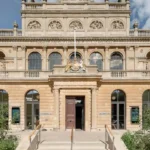
The Georgian House Museum is an eighteenth-century townhouse that illustrates domestic life in Georgian Bristol. The building was constructed around 1790 for John Pinney, a wealthy sugar merchant and plantation owner.
The house provides an important historical account of wealth, domestic organisation and the city’s involvement in the transatlantic slave trade.
Its rooms demonstrate how wealthy households were organised. Visitors can explore historical furniture, decorative interiors, domestic objects and spaces used by household servants.
The museum also addresses the life of Pero Jones, an enslaved African who lived in the household. His history provides essential context for understanding the relationship between Bristol’s merchant wealth and the exploitation of enslaved people.
The Georgian House Museum is therefore more than a historic domestic building. It provides an opportunity to examine the social and economic structures that shaped Georgian Bristol.
General admission is free, and donations are welcome. Its published seasonal schedule runs from Thursday to Sunday, 11am to 4pm, between April and December.
5. The Red Lodge Museum
The Red Lodge Museum is a historic house that preserves important examples of Elizabethan architecture and interior design. Its origins date to the late sixteenth century, making it an important location for understanding Bristol’s early modern history.
The museum contains historic rooms that demonstrate changes in domestic architecture and decoration. Its Great Oak Room is particularly significant because it preserves a complete Elizabethan interior.
The building also includes a historic garden designed around traditional Elizabethan landscaping principles.
Visitors can examine:
- Elizabethan architectural features.
- Historic wooden interiors.
- Period furniture and decorative details.
- Domestic life in earlier centuries.
- Traditional garden design.
The Red Lodge Museum is particularly suitable for visitors interested in architecture, historic houses and the development of domestic interiors.
General admission is free, although donations are welcome. The museum operates seasonally, so visitors should check its current opening arrangements before travelling.
6. Bristol Archives
Bristol Archives is a public historical research facility that preserves records documenting the development of Bristol and its surrounding communities. It provides access to historical documents, photographs, maps, films and other archival materials.
Unlike a conventional museum, Bristol Archives focuses on original historical records rather than permanent object displays. Its collections help researchers understand how the city changed over several centuries.
Important research subjects include:
- Bristol’s historical buildings and neighbourhoods.
- Family histories and genealogy.
- Business and commercial records.
- Historical photographs and maps.
- The British Empire and Commonwealth Collection.
- Local government and community history.
The British Empire and Commonwealth Collection is particularly important for understanding Britain’s international relationships and colonial history.
Bristol Archives is useful for students, historians, family researchers and residents investigating the history of their neighbourhoods.
Access to the archives is free, although visitors should check research room arrangements and booking guidance. Pre-booking is advised but not essential for individual visits.
7. Kings Weston Roman Villa
Kings Weston Roman Villa is an archaeological heritage site that provides evidence of Roman settlement and domestic life in the Bristol area. Its remains include a Roman bath suite and historic mosaic floors.
A Roman villa was a substantial rural residence associated with agricultural production and domestic activities. These buildings provide evidence of how Roman communities organised their homes and estates.
The archaeological remains at Kings Weston help visitors understand Roman architecture, heating systems and bathing practices.
Important features include:
- Roman mosaic flooring.
- Remains of domestic rooms.
- An ancient bath suite.
- Evidence of Roman heating technology.
- Archaeological structures associated with the original residence.
The site is particularly relevant to visitors interested in archaeology and ancient British history.
Unlike Bristol Museum and Art Gallery or M Shed, Kings Weston Roman Villa does not operate as a conventional museum with unrestricted daily opening. Bristol Museums organises family-friendly open days, particularly during spring and summer.
Visitors should check the official Bristol Museums information for access arrangements before travelling.

Which Independent Museums and Cultural Galleries Are Free in Bristol?
Bristol also has independent cultural organisations offering free gallery access and specialist exhibitions. These venues expand the city’s cultural offer through contemporary art, photography and international heritage, although individual exhibitions and events sometimes require tickets.
Bristol’s cultural landscape extends beyond council-operated museums. Independent galleries and specialist heritage organisations provide opportunities to explore different artistic styles and cultural subjects.
1. Arnolfini
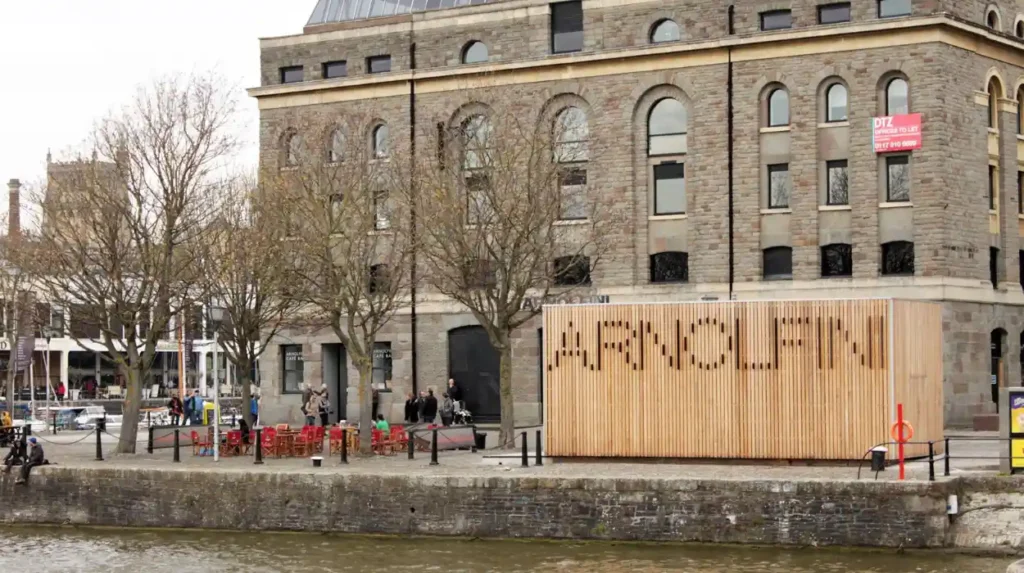
Arnolfini is a contemporary arts centre located at Narrow Quay on Bristol’s Harbourside. It occupies a historic waterfront building and presents exhibitions, performances, film screenings and cultural events.
The organisation focuses on contemporary artistic practices. Its exhibitions introduce visitors to different approaches to visual art, photography, moving images and interdisciplinary creative work.
Arnolfini provides access to contemporary cultural programming without requiring visitors to purchase general admission tickets for its free gallery displays. However, selected performances, workshops and events have separate charges.
Its central harbourside location also makes it convenient to combine an art visit with M Shed and other nearby cultural attractions.
2. Spike Island
Spike Island is an international contemporary art organisation based in a former industrial building near Bristol’s harbour.
It combines public exhibitions with artist studios, creative production and educational activities. The organisation supports contemporary artists and provides opportunities for audiences to explore experimental art.
Its exhibitions cover different artistic disciplines, including installation, sculpture, photography, painting and multimedia work.
Free access to public exhibitions makes Spike Island an important cultural destination for visitors interested in contemporary art. Visitors should check the individual exhibition details because some associated activities and events have separate arrangements.
3. Martin Parr Foundation
The Martin Parr Foundation is a photography organisation established to support and promote photographic work. It focuses on British and Irish photography, particularly documentary and contemporary photographic practices.
The foundation preserves photographic collections and presents exhibitions that explore social life, communities, culture and everyday experiences.
Its gallery provides opportunities to examine how photographers document changing societies. Visitors interested in visual storytelling, documentary photography and photographic archives find relevant material here.
General gallery admission is free, although selected talks, workshops and special events require paid tickets.
4. Palestine Museum and Cultural Centre
The Palestine Museum and Cultural Centre presents Palestinian history, heritage, identity and cultural traditions. Located in central Bristol, it provides a specialist cultural space for exploring Palestinian experiences and artistic expression.
Its exhibitions introduce visitors to subjects such as traditional clothing, historical objects, cultural practices and Palestinian heritage.
The centre contributes to Bristol’s multicultural cultural landscape by presenting perspectives that are not always represented in larger national museum collections.
Visitors should check its current opening schedule and exhibition arrangements before travelling.
What Can Families and Children Learn at Free Museums in Bristol?
Bristol’s free museums provide educational experiences for children through historical objects, scientific collections, archaeological discoveries and interactive displays. Families can explore dinosaurs, Roman remains, historic toys, transport exhibits and everyday household objects without paying general museum admission.
Museum visits help children connect classroom subjects with physical historical evidence. They provide opportunities to examine objects, understand historical changes and develop curiosity about science, art and society.
Exploring Natural History and Dinosaurs
Bristol Museum and Art Gallery provides opportunities to investigate natural history, geology and prehistoric life.
Children can learn about fossils, geological processes, ancient animals and the development of the natural world. These displays support school subjects such as science and geography.
The museum’s archaeological collections also introduce younger visitors to ancient civilisations and historical discoveries.
Understanding Everyday Life in Earlier Centuries
Blaise Museum and the Georgian House Museum introduce children to historical domestic life.
Blaise Museum displays clothing, toys and household equipment. These objects explain how everyday activities changed as technology developed.
The Georgian House Museum demonstrates how wealthy households operated during the eighteenth century. Its rooms introduce visitors to historical furniture, household organisation and differences in social status.
Learning About Roman Britain
Kings Weston Roman Villa provides an introduction to Roman settlement and architecture.
Children can learn how Roman families used domestic buildings, heating systems and bath facilities. The site’s archaeological remains also explain how historians investigate ancient communities.
Discovering Bristol’s Industrial History
M Shed introduces children to Bristol’s transport, manufacturing and maritime industries.
The museum’s displays explain how docks, ships, factories and transport systems influenced the city’s growth. Its outdoor exhibits also help younger visitors understand historical machinery.
These experiences connect local history with engineering, geography and technological development.
How Can You Plan a Free Museum Visit in Bristol?
Planning a free museum visit in Bristol involves checking opening times, identifying seasonal closures, reviewing exhibition charges and selecting museums within convenient travel distances. Visitors should also consider group booking requirements and available accessibility facilities.
Bristol’s museums operate different schedules. Some venues open throughout much of the year, while historic houses follow seasonal timetables.
A little preparation helps visitors avoid unnecessary travel and make better use of their time.
Check Opening Days and Seasonal Schedules
Bristol Museum and Art Gallery and M Shed generally operate Tuesday to Sunday, with published opening hours of 10am to 5pm.
The Georgian House Museum and Red Lodge Museum have seasonal opening arrangements. Blaise Museum also follows a limited weekly schedule.
These differences matter when planning a multi-museum visit. A venue that offers free admission is not necessarily open every day.
Understand Booking Requirements
Individual visitors can generally enter Bristol Museum and Art Gallery and M Shed without advance reservations.
However, school groups and groups of 10 or more need to arrange visits in advance at several Bristol Museums venues.
Bristol Archives advises pre-booking for research visits, although advance booking is not essential.
Check Special Exhibition Charges
Permanent collections and general museum admission are free at the main Bristol Museums venues.
However, selected temporary exhibitions and special events require separate tickets. Visitors should check the official exhibition listings before making travel arrangements.
Consider Accessibility
Visitors should check accessibility information for each individual building.
Historic houses sometimes have narrow staircases, uneven floors and architectural features that limit step-free access. Modern museum facilities generally provide more extensive visitor infrastructure.
Bristol’s central museums are also accessible by public transport, walking and cycling.
Where Are Bristol’s Free Museums Located?
Bristol’s free museums are distributed across the city centre, Harbourside, Clifton and north-west Bristol. Central venues such as M Shed, Arnolfini and Bristol Museum and Art Gallery are convenient to combine, while Blaise Museum requires a separate journey.
Understanding museum locations helps visitors organise their day and reduce unnecessary travel.
Harbourside and City Centre
The Harbourside is one of Bristol’s most convenient areas for free cultural attractions.
M Shed and Arnolfini are located close to the waterfront. Their proximity allows visitors to explore local history and contemporary art during the same outing.
Bristol Museum and Art Gallery is located further north on Queens Road. It is accessible from the city centre and the Park Street area.
The Red Lodge Museum and Georgian House Museum are also within the central Bristol area.
North-West Bristol
Blaise Museum is located within Blaise Castle Estate in north-west Bristol.
The estate provides a combination of cultural and outdoor activities. Visitors can explore the museum, historic landscape, gardens and surrounding woodland.
Kings Weston Roman Villa is another important archaeological destination in the wider north Bristol area.
South Bristol
The Martin Parr Foundation is located at Paintworks in south Bristol.
Its location provides a different cultural experience from the central museum district. Photography exhibitions and specialist collections make it a useful destination for visitors interested in documentary photography.
How Can You Explore Bristol’s Free Museums in One Day?
Visitors can explore several free museums in Bristol in one day by grouping central attractions according to their locations. A practical itinerary combines M Shed, Arnolfini, Bristol Museum and Art Gallery and nearby historic houses.
A structured itinerary reduces travel time and provides opportunities to explore different aspects of Bristol’s heritage.
Morning: Explore Bristol’s History at M Shed
Start at M Shed on Princes Wharf.
Spend the morning examining the museum’s collections about Bristol’s maritime history, industrial development and communities.
The waterfront location also provides opportunities to observe historic dockside infrastructure.
Allow approximately 90 minutes to two hours, depending on your interest in the exhibitions.
Late Morning: Visit Arnolfini
Walk towards Narrow Quay and explore Arnolfini.
Its contemporary exhibitions provide a contrast to the historical displays at M Shed. Visitors can examine different artistic approaches and explore current cultural themes.
Allow approximately 45 minutes to one hour, depending on the exhibition programme.
Afternoon: Visit Bristol Museum and Art Gallery
Continue towards Queens Road and visit Bristol Museum and Art Gallery.
Explore its art, archaeology, geology and natural history collections.
Visitors with limited time should select the galleries that match their interests rather than attempting to examine every display.
Late Afternoon: Explore a Historic House
Finish the day at the Georgian House Museum or Red Lodge Museum, subject to their seasonal opening schedules.
Both venues provide insight into Bristol’s historical domestic architecture and social structures.
Visitors interested in spending more time outdoors can arrange a separate trip to Blaise Museum and its surrounding estate.
Are Bristol’s Free Museums Open Throughout the Year?
Bristol’s free museums do not all follow identical opening schedules. Some major museums operate regular weekly hours, while historic houses and specialist venues have seasonal or exhibition-based schedules that visitors need to check before travelling.
Opening arrangements influence how visitors organise museum trips, particularly during winter and public holidays.
Regular Museum Opening Schedules
Bristol Museum and Art Gallery generally opens Tuesday to Sunday, 10am to 5pm.
M Shed also publishes regular Tuesday-to-Sunday opening hours of 10am to 5pm.
These two museums provide reliable options for visitors planning a central Bristol museum visit.
Seasonal Historic House Opening
The Georgian House Museum and Red Lodge Museum have seasonal opening arrangements.
Their published schedules include Thursday-to-Sunday visits between April and December.
Blaise Museum also operates a limited schedule, with its published 2026 opening days running Thursday to Sunday.
Exhibition-Based Gallery Opening
Independent galleries such as Arnolfini organise opening hours around their exhibition programmes.
Arnolfini galleries open Tuesday to Sunday, 11am to 6pm, and all its exhibitions have free admission.
The Martin Parr Foundation publishes Thursday-to-Sunday gallery opening hours, from 10am to 5pm, with free exhibition admission.
How Do Free Museums Preserve Bristol’s History and Cultural Identity?
Free museums preserve Bristol’s cultural identity by protecting historical objects, documenting community experiences and presenting evidence of the city’s economic and social development. Their collections support education, historical research, public discussion and long-term heritage conservation.
Bristol’s museums have an important role in documenting the city’s changing identity.
Preserving Maritime and Industrial Heritage
Bristol’s history is closely connected to shipping, manufacturing and international trade.
M Shed documents these connections through objects, photographs, historical records and industrial exhibits.
Its collections explain how the harbour influenced employment, transportation and economic development.
Documenting Slavery and Colonial Trade
Bristol’s historical prosperity was connected to the transatlantic slave trade.
The Georgian House Museum and M Shed help visitors understand the relationships between merchant wealth, plantation economies and the exploitation of enslaved Africans.
These collections provide historical context for contemporary discussions about public memory, inequality and the interpretation of historic buildings.
Protecting Architectural Heritage
Historic buildings such as the Red Lodge and Georgian House preserve evidence of earlier architectural styles and domestic arrangements.
Their continued use as museums helps protect historically significant interiors and makes architectural heritage accessible to the public.
Supporting Contemporary Artistic Expression
Independent cultural organisations such as Arnolfini, Spike Island and Martin Parr Foundation introduce visitors to contemporary creative practices.
Their exhibitions connect Bristol’s historical cultural institutions with current artistic production.
This combination of historical preservation and contemporary creativity strengthens Bristol’s position as a significant cultural destination.
Which Bristol Attractions Are Not Completely Free?
Not every museum or heritage attraction in Bristol offers free general admission. Some popular destinations charge entrance fees, including SS Great Britain, We The Curious and Aerospace Bristol, so visitors should check ticket arrangements before including them in a budget-friendly itinerary.
Understanding the difference between free museums and paid attractions helps visitors plan realistic cultural trips.
Brunel’s SS Great Britain
SS Great Britain is a historic passenger steamship designed by engineer Isambard Kingdom Brunel. It is an important part of Bristol’s maritime and engineering heritage.
The attraction provides access to the historic ship, exhibitions and visitor experiences. Unlike M Shed, it operates as a paid visitor attraction.
We The Curious
We The Curious is a science centre featuring interactive exhibitions and educational experiences.
Its displays introduce subjects such as scientific discovery, technology, human biology and the natural world. Visitors should check current admission arrangements when planning a visit.
Aerospace Bristol
Aerospace Bristol explores the region’s aviation and engineering history. Its collections include aircraft, aerospace technology and Concorde, the supersonic passenger aircraft.
It is located in Patchway, outside Bristol city centre, and charges general admission.
These attractions provide additional cultural experiences, but they are not part of a completely free museum itinerary.
Explore More Area Guide
Museums in Bristol: Top Historic, Art and Science Attractions
Bristol Heritage Sites: 15 Historic Landmarks and Attractions
What Is the Future of Free Museums in Bristol?
The future of Bristol’s free museums depends on sustainable funding, collection conservation, public participation and continued investment in cultural education. These institutions remain important public resources because they preserve heritage while providing accessible learning opportunities for future generations.
Free museum access is an important part of Bristol’s cultural infrastructure.
However, maintaining historic buildings, managing collections and delivering educational programmes requires ongoing financial support.
Bristol City Council’s 2025 budget discussions included proposals concerning Blaise Museum, Georgian House Museum and Red Lodge Museum. The proposed closures were deferred for 12 months to allow alternative operational models to be explored. This demonstrates the financial challenges facing publicly supported cultural institutions.
Why Is Public Funding Important?
Public funding supports essential museum activities, including conservation, building maintenance, staffing and educational programmes.
Museums also depend on donations, charitable support and partnerships to maintain their services.
A sustainable funding structure helps protect collections and maintain free access for residents and visitors.
How Can Visitors Support Free Museums?
Visitors can support Bristol’s museums without purchasing general admission tickets.
Practical ways to contribute include:
- Making voluntary donations.
- Supporting museum shops.
- Attending paid exhibitions and events.
- Participating in educational activities.
- Supporting museum development charities.
- Following museum conservation and fundraising campaigns.
These contributions help cultural organisations maintain their collections and public services.
Where Can You Enjoy Free Museums in Bristol?
Bristol provides an extensive selection of free museums, historic houses, archives and independent art galleries. Bristol Museum and Art Gallery, M Shed, Blaise Museum, Georgian House Museum and Red Lodge Museum offer opportunities to explore different periods of the city’s history.
Independent venues such as Arnolfini, Spike Island and Martin Parr Foundation extend the cultural experience through contemporary art and photography.
These attractions make Bristol an accessible destination for residents, families, students and tourists seeking educational activities without general admission charges.
Visitors should check current opening hours, seasonal schedules and special exhibition arrangements before travelling. Supporting these institutions through voluntary donations also helps preserve Bristol’s cultural heritage for future generations.
Which museums are free to visit in Bristol?
Bristol Museum and Art Gallery, M Shed, Blaise Museum, Georgian House Museum and Red Lodge Museum offer free general admission. Visitors can also explore free exhibitions at selected independent galleries, including Arnolfini and Spike Island.