Bristol is one of England’s most historically significant cities, with heritage sites reflecting its medieval foundations, maritime trading history, industrial development, architectural achievements and cultural identity. Located in South West England, Bristol developed around the River Avon and River Frome, becoming an important trading centre and international port.
- What Are Bristol’s Heritage Sites and Why Are They Important?
- How Did Bristol Develop into a Historically Important City?
- Which Historic Landmarks Should Visitors Explore in Bristol?
- Where Can Visitors Discover Bristol’s Maritime Heritage?
- Which Religious and Medieval Heritage Sites Reflect Bristol’s Past?
- Where Can Visitors Explore Bristol’s Georgian and Victorian Architecture?
- Queen Square
- Clifton and Its Georgian Terraces
- The Georgian House Museum
- Bristol Temple Meads Railway Station
- Cabot Tower and Brandon Hill’s Victorian Heritage
- Which Historic Parks, Estates and Gardens Are Part of Bristol’s Heritage?
- How Does Bristol Preserve Its Industrial and Cultural Heritage?
- Bristol Museum and Art Gallery
- Wills Memorial Building
- Bristol Archives
- Bristol’s Industrial Buildings and Former Warehouses
- How Are Bristol’s Heritage Sites Protected and Conserved?
- Why Are Bristol’s Heritage Sites Important for Residents and Future Generations?
The city’s historic environment includes medieval churches, Georgian townhouses, Victorian engineering landmarks, historic docks, museums, archaeological remains and protected green spaces. These places explain how Bristol developed from an early settlement into a major commercial, industrial and cultural centre.
Bristol’s heritage is particularly visible around the Harbourside, Clifton, Redcliffe, the Old City, Queen Square and Brandon Hill. Each area contains buildings and public spaces associated with different periods of the city’s development.
The heritage of Bristol also includes difficult historical subjects, particularly its involvement in the transatlantic slave trade, colonial commerce and industrial exploitation. Museums, historic buildings and public interpretation projects help residents and visitors understand these connections alongside the city’s architectural and engineering achievements.
What Are Bristol’s Heritage Sites and Why Are They Important?
Bristol’s heritage sites are historically, architecturally and culturally significant places that preserve evidence of the city’s development. They include medieval churches, historic docks, Georgian buildings, Victorian engineering landmarks, archaeological remains and protected landscapes. Together, these sites explain Bristol’s identity and historical importance.
Heritage sites preserve the physical evidence of earlier generations. They provide information about settlement patterns, religious institutions, economic activities, transportation, architecture and social change.
Bristol’s historical development spans several major periods. Archaeological discoveries demonstrate human activity in the surrounding area long before the establishment of the medieval city. Bristol City Council identifies evidence ranging from Lower Palaeolithic artefacts to Iron Age hill forts, Roman settlements, medieval buildings and industrial remains.
The city developed around an important crossing of the River Avon. Its early name, Brigstow, means the place at the bridge. Bristol received its formal borough charter in 1155, although settlement and commercial activity existed before that date.
Bristol’s heritage significance comes from several connected features:
- Architectural heritage: Buildings such as Bristol Cathedral, St Mary Redcliffe and the Georgian House preserve different architectural periods.
- Maritime heritage: Bristol Harbour, the Underfall Yard and SS Great Britain demonstrate the city’s relationship with international shipping.
- Industrial heritage: Historic warehouses, engineering structures and railway buildings document commercial and technological development.
- Religious heritage: Churches, chapels and historic places of worship represent centuries of religious and community life.
- Social heritage: Museums and historic locations document migration, trade, working-class communities and Bristol’s involvement in the slave trade.
These sites also contribute to contemporary education, tourism, conservation and local identity.
How Did Bristol Develop into a Historically Important City?
Bristol developed from an early medieval settlement into a major English port through river trade, overseas commerce, shipbuilding and manufacturing. Its location near the River Avon supported transportation and economic growth, while successive architectural periods shaped its distinctive historic environment.
The geographical position of Bristol influenced its development. The River Avon connects the city with the Severn Estuary, providing access to maritime routes and overseas markets. The River Frome also supported early settlement and commercial activity.
During the medieval period, Bristol became an important centre for trade. Merchants transported goods through its port, while markets, religious institutions and defensive structures supported the growing settlement.
The medieval city developed around streets that remain important today, including High Street, Corn Street, Broad Street and Wine Street. These routes formed part of the historic commercial centre.
Medieval Bristol
Medieval Bristol contained churches, monasteries, defensive walls, markets and merchant properties. St James Priory, founded during the 12th century, remains an important surviving example of medieval religious architecture.
The remains of Bristol Castle also provide evidence of the city’s defensive history. Originally established as a Norman motte-and-bailey castle during the 11th century, it developed into a substantial stone fortress.
Tudor and Early Modern Bristol
During the Tudor period, Bristol expanded its overseas trading connections. Merchants became involved in international commerce, including trade with Europe, Africa and the Americas.
The city’s commercial growth influenced its architecture. Merchant houses, churches and public buildings reflected increasing economic prosperity.
However, this period also connects Bristol to the transatlantic slave trade. Bristol merchants, shipowners and investors participated in the forced transportation and exploitation of enslaved Africans. The city’s historical interpretation must recognise this violence and its lasting consequences.
Georgian and Victorian Bristol
The Georgian period introduced elegant residential architecture, landscaped estates and commercial buildings. Areas such as Clifton, Queen Square and Kingsdown preserve important examples of this development.
The Victorian period brought major engineering and industrial achievements. Isambard Kingdom Brunel’s projects, including the SS Great Britain and Clifton Suspension Bridge, established Bristol as an important centre of technological innovation.
The city’s heritage therefore represents different economic, architectural and social experiences rather than one continuous period of prosperity.
Which Historic Landmarks Should Visitors Explore in Bristol?
Bristol contains nationally recognised landmarks that represent its architectural, maritime and engineering history. Clifton Suspension Bridge, SS Great Britain, Bristol Cathedral, St Mary Redcliffe, Cabot Tower and Bristol’s historic harbour provide important examples of the city’s historical development.
These landmarks form the foundation of Bristol’s heritage tourism. They demonstrate how religious institutions, engineering projects, commercial activities and public architecture shaped the city.
Clifton Suspension Bridge
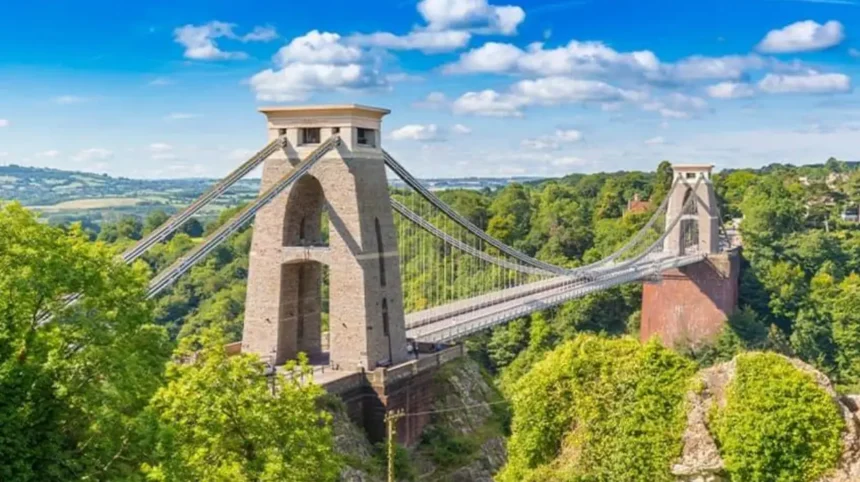
The Clifton Suspension Bridge is one of Bristol’s most recognisable historical landmarks. It crosses the Avon Gorge, connecting Clifton in Bristol with Leigh Woods in North Somerset.
The bridge was designed by Isambard Kingdom Brunel, who won the original design competition in 1831. Construction began in 1831 but experienced significant delays. Following Brunel’s death in 1859, engineers Sir John Hawkshaw and William Henry Barlow completed the project.
The bridge officially opened on 8 December 1864. Its suspension structure represents an important achievement in nineteenth-century civil engineering.
Visitors can explore the bridge, walk across its pedestrian routes and access the visitor information provided by the Clifton Suspension Bridge Trust.
SS Great Britain
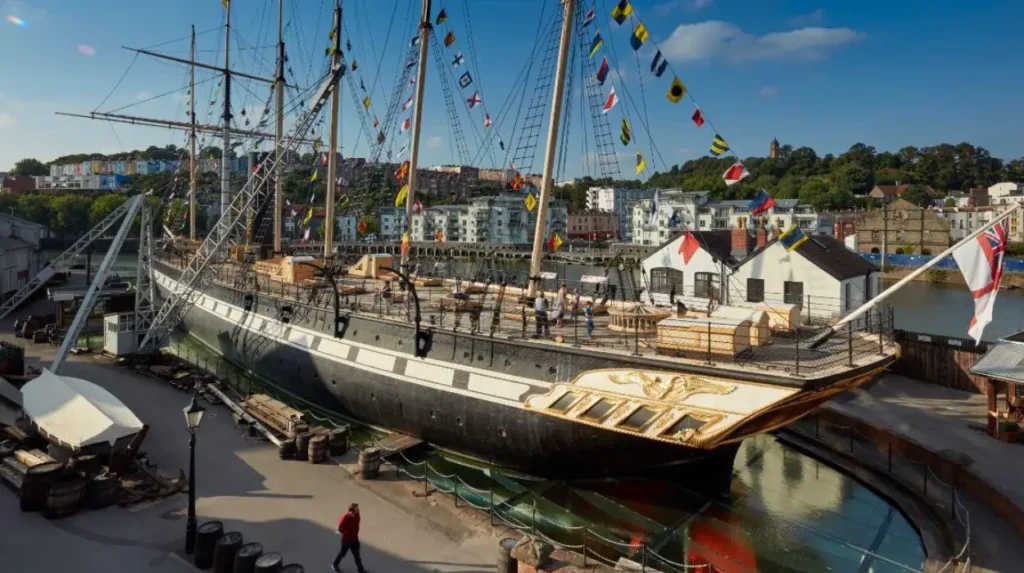
The SS Great Britain is a historic passenger steamship designed by Isambard Kingdom Brunel.
Built between 1839 and 1843, the vessel introduced important innovations in maritime engineering. It combined an iron hull with a screw propeller, demonstrating a major development in steamship design.
The ship operated on transatlantic and Australian routes before later serving other maritime purposes. It eventually returned to Bristol in 1970 and underwent extensive conservation.
Today, SS Great Britain is preserved in the historic dry dock where it was originally constructed. Its visitor attraction explains Victorian shipbuilding, passenger travel, engineering and the lives of people who travelled and worked aboard the vessel.
Bristol Cathedral
Bristol Cathedral is an important religious and architectural landmark near College Green.
Its history dates to the foundation of St Augustine’s Abbey in 1140. The building developed over several centuries and became Bristol Cathedral in 1542 following the English Reformation.
The cathedral is particularly recognised for its medieval architecture, vaulted ceilings, historic memorials and distinctive hall church design. Its architectural features illustrate the development of English ecclesiastical architecture.
The cathedral remains an active place of worship and welcomes visitors interested in Bristol’s religious history.
St Mary Redcliffe Church
St Mary Redcliffe Church is one of Bristol’s most significant medieval religious buildings.
The church stands in the Redcliffe district, an area historically connected with maritime commerce and merchant activity. Its construction developed over several centuries, with much of the surviving Gothic structure dating from the medieval period.
Its architectural features include pointed arches, elaborate stonework, stained glass and a distinctive church tower. The building reflects the wealth and religious importance of medieval Bristol.
Cabot Tower
Cabot Tower stands on Brandon Hill and commemorates the 400th anniversary of John Cabot’s voyage to Newfoundland in 1497.
The tower was completed in 1897. It stands approximately 105 feet high and represents Bristol’s historical association with maritime exploration.
The structure provides views across the city and surrounding landscape. Brandon Hill also contains historic gardens and walking routes, making the tower an important part of Bristol’s public heritage.
Where Can Visitors Discover Bristol’s Maritime Heritage?
Bristol’s maritime heritage is concentrated around the Floating Harbour, historic waterfront warehouses, shipbuilding facilities and former commercial docks. These locations preserve evidence of international shipping, industrial development, merchant activity and engineering innovation that transformed Bristol into an important port.
Bristol’s harbour played a central role in the city’s economic development. Ships transported manufactured goods, raw materials and passengers through the port, connecting Bristol with domestic and international markets.
The Floating Harbour is particularly important. It was created through engineering works completed in 1809 to maintain water levels in the docks despite changes in the River Avon caused by tides.
Bristol Floating Harbour
Bristol Floating Harbour is a historic dock system that transformed the city’s waterfront.
Before its construction, ships experienced difficulties entering and leaving Bristol’s tidal harbour. The Floating Harbour maintained a more consistent water level, improving conditions for commercial shipping.
Today, the harbour contains historic warehouses, converted industrial buildings, museums, restaurants and public spaces. It connects several important heritage attractions, including SS Great Britain, M Shed and Underfall Yard.
The surrounding waterfront provides evidence of how industrial infrastructure has been adapted for contemporary cultural and recreational activities.
M Shed Museum
M Shed is a museum dedicated to the history of Bristol and its communities.
The museum occupies a former dockside transit shed. Its collections explore the city’s development from prehistoric times to the present.
Exhibitions cover maritime trade, industrial activity, transport, social movements, migration and Bristol’s involvement in the transatlantic slave trade.
M Shed is particularly valuable because it presents different perspectives on the city’s history. Its collections include historic photographs, objects, vehicles and personal accounts.
Underfall Yard
Underfall Yard is a historic working boatyard associated with the engineering and maintenance of Bristol Harbour.
Its facilities demonstrate the mechanical systems used to manage water levels within the Floating Harbour. The site includes historic machinery, workshops and dock infrastructure.
The Underfall Yard Visitor Centre explains the engineering principles behind the harbour’s operation. It provides an opportunity to understand how nineteenth-century infrastructure continues to influence Bristol’s waterfront.
The Historic Bristol Docks
The historic docks extend beyond individual attractions. Former warehouses, dock walls, locks and industrial buildings preserve the physical structure of Bristol’s maritime economy.
The City Docks Conservation Area protects important elements of this waterfront environment. Its historic features include industrial buildings, transport infrastructure and distinctive relationships between the harbour and surrounding streets.
The harbour remains one of the strongest examples of Bristol’s industrial heritage and its continuing transformation.
Which Religious and Medieval Heritage Sites Reflect Bristol’s Past?
Bristol’s religious and medieval heritage includes surviving churches, former monasteries, historic chapels and archaeological remains. St James Priory, Bristol Cathedral, St Mary Redcliffe and the New Room demonstrate the city’s religious development, architectural traditions and changing community institutions.
Religious buildings played an important role in Bristol’s medieval development. Churches and monasteries provided places for worship, education, charitable activities and community organisation.
Their architecture also reflects the wealth, craftsmanship and religious traditions of different historical periods.
St James Priory
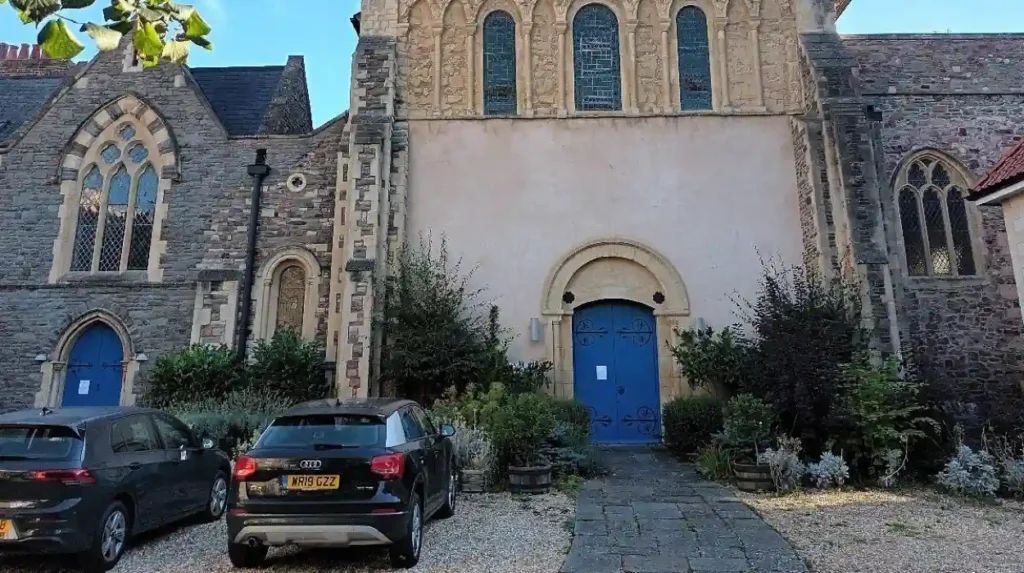
St James Priory is one of Bristol’s oldest surviving religious buildings.
The Benedictine priory was founded during the second quarter of the twelfth century. It originally formed part of a religious community associated with the Benedictine tradition.
The surviving nave preserves important Norman architectural features, while the tower includes later medieval construction. These elements demonstrate how religious buildings developed through successive architectural periods.
The priory is an important destination for understanding medieval religious life and the development of Bristol before the Reformation.
The New Room
The New Room is an important site in the history of Methodism.
Built in 1739, it is recognised as the oldest Methodist chapel in the world. John Wesley, one of the founders of the Methodist movement, used the building as a centre for preaching and religious organisation.
The site preserves the history of early Methodism and its influence on religious and social life in Britain.
Visitors can explore the historic chapel, museum collections and displays explaining the development of the Methodist movement.
The Red Lodge Museum
The Red Lodge Museum is a historic Tudor property associated with Bristol’s wealthy merchant society.
The building contains architectural features from the late sixteenth century and later periods. Its interiors preserve important examples of historic domestic decoration.
One of its most significant features is its Elizabethan room, which provides evidence of the decorative traditions and household arrangements of the period.
The museum helps visitors understand how wealthy Bristol residents lived during the Tudor and early modern periods.
Historic Churches Across Bristol
Other religious heritage locations include historic parish churches and former places of worship in different neighbourhoods.
St Stephen’s Church, near Corn Street, is closely associated with the medieval commercial centre. Temple Church, also known as Holy Cross Church, preserves the remains of a medieval religious building with a distinctive leaning tower.
These buildings demonstrate the relationship between religion, trade and neighbourhood development.
Where Can Visitors Explore Bristol’s Georgian and Victorian Architecture?
Bristol’s Georgian and Victorian architecture is particularly visible in Clifton, Queen Square, Park Street, Brandon Hill and the historic city centre. These areas contain elegant terraces, public buildings, engineering landmarks and merchant properties reflecting the city’s commercial and industrial expansion.
Georgian architecture became prominent in Bristol during the eighteenth century. The period introduced planned residential developments, formal squares, landscaped gardens and classical architectural details.
Victorian development later introduced railway buildings, industrial structures, public institutions and major engineering projects.
Queen Square
Queen Square is a major example of Bristol’s Georgian urban development.
The square was established during the early eighteenth century and became surrounded by elegant residential buildings. Its formal layout reflects Georgian approaches to urban planning and architectural design.
The central green space and surrounding terraces create an important historic townscape.
Queen Square also has connections with Bristol’s political and commercial history. Its buildings and public spaces reflect the influence of wealthy merchants and the city’s growing urban population.
Clifton and Its Georgian Terraces
Clifton is one of Bristol’s best-known historic residential districts. Its architecture includes Georgian terraces, crescents, townhouses and landscaped residential developments.
Royal York Crescent is a particularly recognisable example of Georgian residential architecture. Its long curved terrace demonstrates the scale and formal planning associated with the period.
The neighbourhood also contains historic streets, gardens and buildings that form part of the Clifton and Hotwells Conservation Area.
The Georgian House Museum
The Georgian House Museum provides an insight into domestic life during the late eighteenth century.
The property was associated with John Pinney, a merchant and plantation owner whose wealth was connected to the Caribbean sugar trade and slavery.
The museum examines the household, domestic arrangements and social relationships associated with Georgian Bristol. Its interpretation also addresses the exploitation of enslaved people and the economic structures behind the city’s commercial prosperity.
This makes the Georgian House an important heritage site for understanding both architectural history and the city’s colonial connections.
Bristol Temple Meads Railway Station
Bristol Temple Meads is a major transport landmark with strong connections to Victorian engineering.
The original station was designed by Isambard Kingdom Brunel and opened in 1840. It formed part of the Great Western Railway, connecting Bristol with London and other destinations.
Its historic railway buildings preserve important architectural and engineering features from the development of Britain’s railway network.
The station’s original structures demonstrate how railway transportation changed Bristol’s commercial connections, passenger movement and urban expansion.
Cabot Tower and Brandon Hill’s Victorian Heritage
Cabot Tower also represents Victorian civic architecture and commemorative culture. Its construction in 1897 connected Bristol’s public landscape with the anniversary of John Cabot’s voyage.
Brandon Hill, where the tower stands, is one of Bristol’s important historic public parks. Its landscaped paths, viewpoints and green spaces contribute to the city’s wider heritage environment.
Which Historic Parks, Estates and Gardens Are Part of Bristol’s Heritage?
Bristol’s historic parks and estates preserve designed landscapes, historic buildings, gardens and archaeological features. Blaise Castle Estate, Kings Weston Estate, Arnos Vale Cemetery and Ashton Court demonstrate how historic landscapes contribute to the city’s architectural, environmental and cultural heritage.
Heritage in Bristol extends beyond buildings and monuments. Historic parks and gardens preserve the relationship between architecture, landscape design and public life.
Bristol City Council recognises important historic landscapes through its conservation and planning framework. Several sites also appear on the national Register of Historic Parks and Gardens.
Blaise Castle Estate
Blaise Castle Estate covers approximately 650 acres and is a major historic landscape in north-west Bristol.
The estate includes woodland, parkland, historic buildings, walking routes and Blaise Castle, a picturesque eighteenth-century structure.
The landscape was influenced by the work of Humphry Repton, an important English landscape designer. His approach incorporated natural-looking scenery, carefully positioned viewpoints and designed outdoor spaces.
The estate also contains Blaise Museum, which explores domestic life and local history.
Blaise Castle Estate is Grade II* listed on the Register of Historic Parks and Gardens. The designation reflects its national historical significance.
Kings Weston Estate
Kings Weston Estate covers more than 300 acres and contains important historic buildings and landscaped grounds.
Kings Weston House is an eighteenth-century country house associated with architect Sir John Vanbrugh. The estate also contains historic garden structures, woodland and architectural features.
The Brewhouse and loggias provide examples of the architectural details associated with the estate’s development.
The grounds are accessible without an admission charge, although Kings Weston House is not generally open to the public except during special events.
Arnos Vale Cemetery
Arnos Vale Cemetery is a Victorian garden cemetery established in 1837.
Its landscape includes historic graves, monuments, chapels, woodland and pathways. The cemetery reflects nineteenth-century approaches to burial, memorial architecture and urban green space.
It also provides information about Bristol’s social history through the people buried there, including individuals associated with commerce, politics, public service and local communities.
Arnos Vale is listed Grade II* on the Register of Historic Parks and Gardens.
Ashton Court Estate
Ashton Court Estate is a historic country estate located west of the city centre.
The estate contains historic parkland, woodland, formal landscapes and a substantial historic mansion. Its grounds demonstrate the relationship between country estates and the development of Bristol’s surrounding landscape.
Ashton Court is also listed Grade II* on the Register of Historic Parks and Gardens.
How Does Bristol Preserve Its Industrial and Cultural Heritage?
Bristol preserves its industrial and cultural heritage through museums, historic buildings, conservation programmes, archival collections and protected public spaces. These resources document manufacturing, maritime commerce, migration, architecture, social movements and the experiences of communities that shaped the city.
Bristol’s industrial heritage includes engineering workshops, railway infrastructure, warehouses, manufacturing buildings and former commercial facilities.
The city also has a distinctive cultural identity influenced by migration, religious communities, artistic movements and international trade.
Bristol Museum and Art Gallery
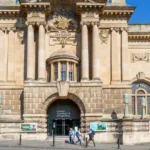
Bristol Museum and Art Gallery occupies an important historic public building in Clifton.
Its collections include archaeology, art, natural history and objects connected with Bristol’s cultural development.
The museum provides historical context through artefacts and exhibitions covering different periods. Its collections help explain the relationship between Bristol and wider British and international history.
Wills Memorial Building
The Wills Memorial Building is one of Bristol’s most recognisable examples of twentieth-century Gothic Revival architecture.
Designed by Sir George Oatley, the building was completed in 1925 and serves as part of the University of Bristol.
Its tower, stonework and elaborate architectural details reflect the university’s institutional development and the city’s educational heritage.
Bristol Archives
Bristol Archives preserves historical documents, photographs, maps, films and records connected with the city.
Its collections provide valuable information for researchers, historians, students and residents investigating family histories, neighbourhood development and Bristol’s commercial past.
The archive also supports the interpretation of historical buildings and archaeological sites through documentary evidence.
Bristol’s Industrial Buildings and Former Warehouses
Former industrial buildings across the city demonstrate how Bristol’s economy changed over time.
The Harbourside contains historic warehouses associated with maritime trade. The Temple Quarter preserves important railway and industrial structures. Bedminster and other former manufacturing districts also retain evidence of industrial development.
Some historic buildings have been converted into cultural venues, offices, residential properties and commercial spaces. These adaptations demonstrate how heritage conservation supports contemporary urban regeneration.
Explore More Area Guide
Bristol’s Historic Streets: Medieval Lanes, Georgian Architecture and Heritage
Historic Buildings in Bristol: Medieval, Georgian and Victorian Landmarks
How Are Bristol’s Heritage Sites Protected and Conserved?
Bristol protects its heritage through national listed-building legislation, conservation areas, local heritage designations, archaeological records and planning policies. Bristol City Council works with Historic England, heritage organisations and local communities to safeguard historically significant buildings and landscapes.
Heritage protection involves identifying historically important places, assessing their significance and controlling changes that affect their character.
Bristol has several mechanisms for recognising and conserving historic assets.
Listed Buildings
A listed building is a structure recognised for its special architectural or historic interest.
Historic England maintains the National Heritage List for England, while the Secretary of State for Culture, Media and Sport makes listing decisions.
Listed buildings receive statutory protection. Owners generally require listed building consent for alterations that affect their special architectural or historic character.
The main listing grades are:
- Grade I: Buildings of exceptional interest, such as Bristol Cathedral.
- Grade II:* Particularly important buildings of more than special interest.
- Grade II: Buildings of special architectural or historic interest.
Conservation Areas
Bristol has 33 conservation areas. These are designated neighbourhoods where the overall historic character and appearance receive special planning consideration.
Examples include Clifton and Hotwells, Queen Square and the City Centre, Redcliffe, Old Market, Kingsdown and Cotham and Redland.
Conservation areas protect more than individual buildings. Their significance also includes historic street layouts, building materials, public spaces, boundaries, trees and important views. Bristol City Council+2
Local Heritage Listings
Bristol City Council adopted its Local List of Valued Buildings in October 2015.
The local list identifies buildings, structures and sites that have architectural, historical, artistic, archaeological or community importance but do not necessarily have national listed status.
This system helps recognise buildings that contribute to Bristol’s local identity.
Historic Environment Records
The Bristol Historic Environment Record contains more than 7,000 entries relating to monuments, archaeological excavations, historical discoveries and surveys.
It also includes historic maps, aerial photographs and archaeological reports.
The information supports research, planning decisions and heritage conservation. The council’s Know Your Place mapping resource allows users to explore historic maps and information about Bristol’s neighbourhoods.
Why Are Bristol’s Heritage Sites Important for Residents and Future Generations?
Bristol’s heritage sites support education, tourism, cultural identity, architectural conservation and sustainable urban development. They preserve historical evidence, strengthen neighbourhood character and provide opportunities for future generations to understand the city’s achievements, social inequalities and changing communities.
Heritage conservation has significance beyond protecting attractive buildings. It maintains historical information that supports research, public education and community understanding.
Educational Importance
Historic buildings and museums provide direct access to evidence from different historical periods.
Students can examine medieval architecture at St James Priory, Victorian engineering at Clifton Suspension Bridge and maritime technology aboard SS Great Britain.
Museums such as M Shed provide additional information through collections, photographs and historical interpretation.
Tourism and the Local Economy
Bristol’s heritage attractions contribute to its visitor economy.
Landmarks such as Clifton Suspension Bridge, Bristol Cathedral and SS Great Britain attract domestic and international visitors. Historic neighbourhoods also support walking tours, cultural activities, hospitality businesses and local retail.
Heritage tourism distributes visitor activity across different parts of the city, including Clifton, the Harbourside, Redcliffe and the Old City.
Community Identity
Historic buildings and public spaces provide connections between present-day communities and earlier generations.
Places of worship, historic streets, parks and former industrial buildings reflect the experiences of different neighbourhoods.
Community participation in conservation also helps identify buildings and spaces with local significance.
Understanding Bristol’s Difficult History
Bristol’s heritage also requires honest interpretation of the city’s involvement in slavery and colonial commerce.
The prosperity of some merchants and institutions was connected to the exploitation of enslaved Africans and plantation economies.
M Shed, the Georgian House Museum and University of Bristol research provide opportunities to examine these historical connections.
Understanding this history is essential to presenting a balanced account of Bristol’s development.
Future Heritage Conservation
Climate change, building deterioration, redevelopment and changing land use create challenges for historic environments.
Long-term conservation requires appropriate maintenance, historical research, responsible planning and investment in traditional building materials.
Adaptation also allows historic buildings to serve modern purposes without losing their defining architectural features.
Bristol’s heritage framework provides a foundation for balancing development with the protection of historically significant places.
Bristol’s heritage sites represent centuries of architectural, maritime, religious, industrial and cultural development. From the medieval remains of St James Priory to the engineering achievements of Clifton Suspension Bridge and SS Great Britain, the city’s historic landmarks preserve important evidence of its past.
Its Georgian neighbourhoods, historic harbour, religious buildings, museums and landscaped estates provide further insight into the communities and industries that shaped Bristol.
Conservation areas, listed-building protection, archaeological records and local heritage initiatives help safeguard these resources. Exploring Bristol’s heritage therefore provides a deeper understanding of the city’s historical identity, its international connections and its continuing development.
What are the most famous heritage sites in Bristol?
Some of Bristol’s most famous heritage sites include Clifton Suspension Bridge, SS Great Britain, Bristol Cathedral, St Mary Redcliffe Church, Cabot Tower and Bristol Floating Harbour. These landmarks represent the city’s architectural, maritime and engineering history.