Bristol is one of England’s most historically significant cities, with an architectural heritage shaped by medieval religion, maritime trade, Georgian prosperity, Victorian engineering and modern industrial development. Its historic buildings reveal how the city developed from a medieval trading settlement into a major international port and an important centre of engineering, commerce and culture.
- How Did Bristol Develop Its Historic Architectural Character?
- Medieval Bristol and Religious Architecture
- Georgian Bristol and Merchant Wealth
- Victorian Bristol and Industrial Expansion
- Which Medieval Buildings in Bristol Are Important to Its Heritage?
- Where Can Visitors Find Bristol’s Historic Georgian Buildings?
- Which Historic Commercial Buildings Reflect Bristol’s Trading History?
- Which Victorian Buildings and Engineering Landmarks Define Bristol?
- Which Historic Buildings Showcase Bristol’s Twentieth-Century Architecture?
- What Architectural Styles Can Visitors Discover in Bristol?
- Norman Architecture
- Gothic Architecture
- Georgian Architecture
- Victorian Gothic Revival
- Bristol Byzantine Architecture
- How Does Bristol Protect Its Historic Buildings?
- Listed Building Protection
- Bristol Conservation Areas
- Local List of Valued Buildings
- Historic Environment Record
- Why Are Historic Buildings Important to Bristol’s Economy and Cultural Identity?
- Tourism and Visitor Attractions
- Education and Historical Research
- Employment and Conservation Skills
- Community Identity
- How Can Visitors Explore Historic Buildings in Bristol?
- Explore the Medieval City Centre
- Discover Georgian Clifton
- Follow Bristol’s Maritime Heritage
- Explore Victorian Engineering
- Use Bristol’s Heritage Resources
- What Is the Future of Historic Building Conservation in Bristol?
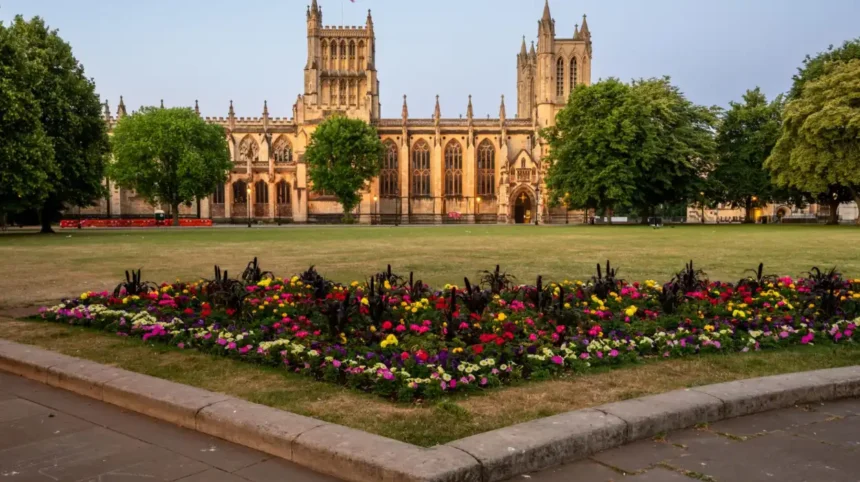
From the Gothic architecture of Bristol Cathedral and St Mary Redcliffe Church to the Georgian townhouses of Clifton and the Victorian engineering landmarks associated with Isambard Kingdom Brunel, Bristol preserves buildings from several important periods of British history.
The city has more than 4,000 listed buildings, according to Bristol City Council’s heritage framework. It also contains 33 designated conservation areas, protecting distinctive historic streets, architectural features and landscapes. These heritage assets provide evidence of Bristol’s economic development, religious institutions, social structure and changing architectural traditions. Bristol City Council+1
Historic buildings in Bristol are not limited to museums and religious landmarks. They include former merchant houses, industrial structures, railway buildings, bridges, public institutions, historic pubs and converted commercial premises. Together, these buildings explain the city’s identity and provide important cultural resources for residents, researchers and visitors.
How Did Bristol Develop Its Historic Architectural Character?
Bristol’s historic architectural character developed through medieval trade, religious foundations, maritime commerce, Georgian wealth and Victorian industrial expansion. Each period introduced different building materials, architectural styles and construction techniques, creating a city where medieval churches, Georgian terraces and Victorian engineering structures remain visible.
Bristol’s architectural history reflects its geographical position beside the River Avon and River Frome. The rivers supported trade, transport and shipbuilding, while the city’s connections with the wider Bristol Channel encouraged international commerce.
The settlement developed around a bridge crossing and became known as Brigstow, an Old English name meaning the place at the bridge. Bristol received its formal town charter in 1155. Its strategic position helped it become an important commercial centre during the medieval period. visitbristol.co.uk+1
Medieval Bristol and Religious Architecture
Medieval Bristol developed around churches, monasteries, hospitals, trading streets and defensive structures. Religious institutions played an important role in education, healthcare, charitable activity and land ownership.
St Augustine’s Abbey, founded around 1140, eventually became Bristol Cathedral. St James Priory, established around 1129, represents another important surviving connection with medieval religious life.
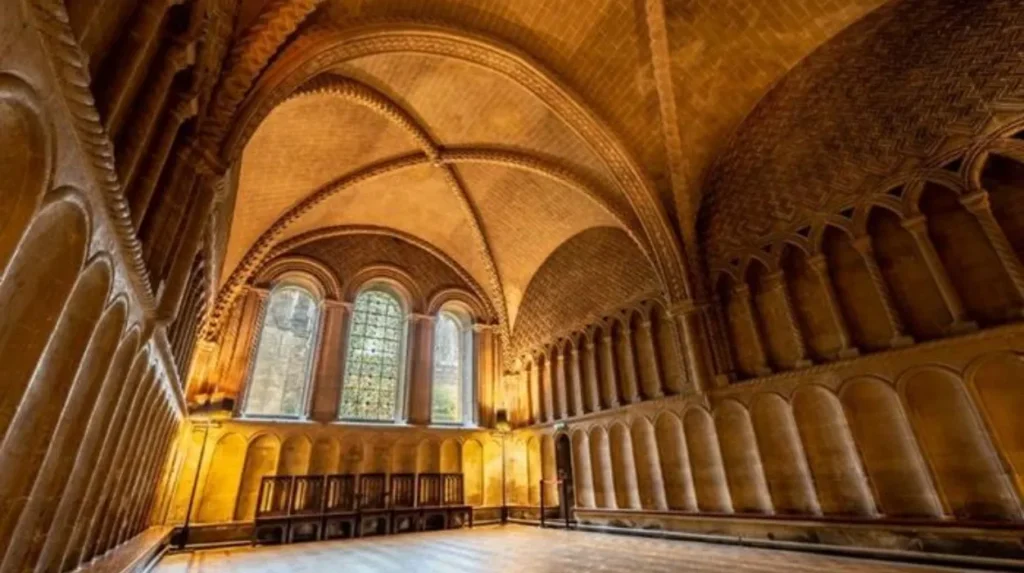
The city’s medieval buildings commonly feature stone construction, pointed arches, carved details, vaulted ceilings and ecclesiastical layouts. These architectural characteristics remain visible in Bristol Cathedral and St Mary Redcliffe Church.
Georgian Bristol and Merchant Wealth
The Georgian period, from 1714 to 1837, transformed Bristol’s residential architecture. Maritime trade, manufacturing and commercial investment supported the construction of elegant houses, terraces and public buildings.
Clifton became particularly associated with Georgian architecture. Its streets contain formal terraces, classical proportions, decorative entrances and large sash windows.
However, Bristol’s Georgian prosperity also depended partly on the Atlantic slave trade. Merchants and businesses accumulated wealth through commercial activities connected with slavery. Understanding this history is essential when interpreting the city’s historic houses and commercial buildings.
Victorian Bristol and Industrial Expansion
The Victorian period introduced new construction methods, engineering achievements and public institutions. Iron, steel, glass and improved manufacturing techniques expanded architectural possibilities.
Isambard Kingdom Brunel became one of the most influential figures in Bristol’s Victorian development. His engineering projects included the SS Great Britain and the Great Western Railway connections associated with the city.
The Clifton Suspension Bridge, completed in 1864, became an internationally recognised example of nineteenth-century engineering. These structures demonstrate how Bristol’s architectural identity expanded beyond traditional buildings into major infrastructure.
Which Medieval Buildings in Bristol Are Important to Its Heritage?
Bristol’s medieval architectural heritage is represented by Bristol Cathedral, St Mary Redcliffe Church, St James Priory and the Lord Mayor’s Chapel. These buildings preserve religious architecture, historic craftsmanship and evidence of the city’s development during the medieval period.
Bristol Cathedral
Bristol Cathedral is one of the city’s most important medieval buildings. Its history begins around 1140, when Robert Fitzharding established St Augustine’s Abbey.
The original religious complex developed over several centuries. Its surviving medieval architecture includes the Chapter House, Abbey Gatehouse and significant sections of the eastern church.
The cathedral became the seat of the newly established Diocese of Bristol in 1542, following the dissolution of the monasteries under Henry VIII.
One of its most distinctive architectural features is the hall church design. In this arrangement, the aisles and central choir reach approximately the same height. This creates an unusually spacious interior and distinguishes Bristol Cathedral from many other medieval English churches.
The cathedral also contains elaborate stone vaulting, pointed arches, historic memorials and Gothic architectural details. Its later nave, constructed between 1868 and 1877, demonstrates the influence of Victorian Gothic Revival architecture.
St Mary Redcliffe Church
St Mary Redcliffe Church is a major example of English Gothic architecture. The church occupies a historic position near Bristol’s former waterfront and reflects the relationship between religion and maritime commerce.
Christian worship has taken place on the site for more than 800 years. The present building developed substantially between 1292 and 1370, with further interior work continuing during the fifteenth century.
Its architecture includes:
- Pointed Gothic arches and elaborate stonework.
- Tall windows and detailed tracery.
- A prominent church tower and spire.
- Medieval memorials and historic interior features.
- Connections with Bristol’s merchant and seafaring communities.
The original spire was destroyed by lightning in 1446. Restoration work during the nineteenth century helped recover important elements of the church’s historic appearance.
Queen Elizabeth I visited Bristol in 1574 and is traditionally associated with describing St Mary Redcliffe as one of England’s finest parish churches. Today, the building remains an important religious, architectural and cultural landmark.
St James Priory
St James Priory represents one of the oldest surviving religious foundations in Bristol.
Robert, Earl of Gloucester, founded the Benedictine priory around 1129. The institution initially housed a small religious community consisting of approximately 11 or 12 monks and a prior.
The priory was connected with the wider Benedictine religious network and played a role in medieval religious life. Its buildings and surviving architectural elements provide evidence of Norman and medieval construction.
St James Priory is particularly important because it demonstrates how religious institutions developed alongside Bristol’s growing settlement and commercial activity.
Its surviving church remains a significant heritage site and an example of the city’s early medieval architectural history. visitbristol.co.uk
The Lord Mayor’s Chapel
The Lord Mayor’s Chapel, also known as St Mark’s, is the surviving building of the medieval Hospital of Saint Mark.
Maurice de Gaunt founded the hospital around 1220. Its charitable work included providing food and care for approximately 100 people each day.
Following the Dissolution of the Monasteries, Bristol Corporation acquired the hospital’s lands in 1541. In 1722, the chapel became the official place of worship for Bristol’s mayor and corporation.
It holds a distinctive position in British civic history because it is the country’s only municipally owned church. Its religious architecture also preserves an important connection with medieval healthcare and charitable institutions.
Where Can Visitors Find Bristol’s Historic Georgian Buildings?
Bristol’s Georgian architecture is concentrated around Clifton, Queen Square, Park Street and Great George Street. These areas contain eighteenth-century merchant houses, formal terraces and commercial buildings that reflect the city’s wealth, architectural planning and involvement in international trade.
The Georgian period transformed Bristol’s residential and commercial landscape. Wealthy merchants, manufacturers and professionals invested in large townhouses, planned streets and public buildings.
Georgian architecture is generally recognised through balanced façades, symmetrical windows, classical proportions, decorative doorways and carefully arranged terraces.
The Georgian House Museum
The Georgian House Museum is one of the most informative surviving examples of Georgian domestic architecture in Bristol.
The house was constructed around 1790 for John Pinney, a wealthy sugar merchant and plantation owner. Architect William Paty designed the property, which reflects the residential preferences of Bristol’s prosperous Georgian commercial class.
The building contains 11 rooms across four floors. Its interior illustrates the differences between wealthy family accommodation and the working spaces used by domestic servants.
The basement includes the kitchen and service areas, while the upper floors contain formal reception rooms, bedrooms and private spaces.
The history of this property also exposes Bristol’s involvement in the transatlantic slave trade. John Pinney’s wealth was connected to sugar plantations in the Caribbean that relied on enslaved African labour. The enslaved man Pero Jones also lived and worked in the house.
The museum therefore provides an important opportunity to understand both Georgian architecture and the economic inequalities behind some of Bristol’s historic wealth.
Royal York Crescent
Royal York Crescent is one of Bristol’s best-known historic residential developments.
The crescent demonstrates the Georgian preference for large, formally arranged residential architecture. Its curved arrangement, repeated façades and elevated position create a distinctive architectural composition.
The buildings illustrate the importance of symmetry, classical detailing and carefully planned urban residential environments.
Royal York Crescent also demonstrates how Clifton developed as an attractive residential district for wealthy households during Bristol’s period of commercial expansion.
Queen Square
Queen Square is a major example of Georgian urban planning.
Developed during the early eighteenth century, the square combines landscaped public space with surrounding historic buildings. Its formal layout reflects the Georgian approach to urban design, where open spaces and substantial residential properties formed part of an organised streetscape.
Queen Square also has important political and social history. The Bristol Riots of 1831 took place partly around the square, causing significant damage to buildings and property.
Its present appearance reflects later restoration and redevelopment. The square remains an important example of how historic public spaces contribute to Bristol’s architectural identity.
Which Historic Commercial Buildings Reflect Bristol’s Trading History?
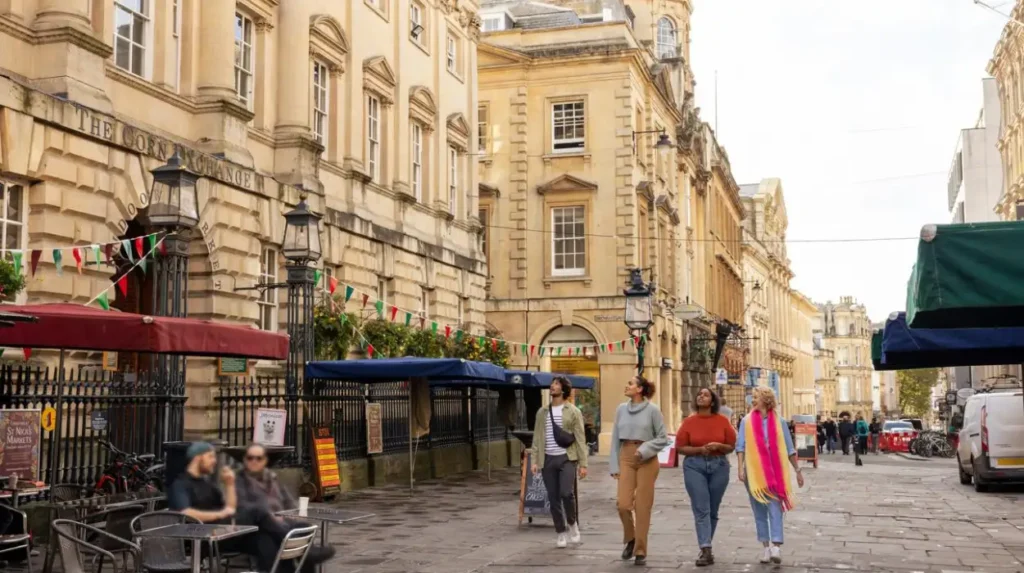
Bristol’s historic commercial architecture includes the Exchange on Corn Street, the surviving merchant facilities of the Old City and historic market buildings. These structures demonstrate how trade, banking, manufacturing and maritime commerce influenced Bristol’s urban development.
The Exchange, Corn Street
The Exchange is one of the most significant Georgian commercial buildings in Bristol.
Designed by John Wood the Elder, construction took place between 1741 and 1743. The building provided a dedicated place where merchants could meet, negotiate transactions and conduct commercial business.
Its architecture reflects the importance of Bristol as an international trading centre. The building’s classical façade and central courtyard demonstrate the relationship between Georgian architectural design and commercial institutions.
The Exchange also contains an important connection with the historic Nails of Bristol.
The Four Nails of Bristol
The four brass Nails outside the Exchange are historic commercial structures dating from the sixteenth and seventeenth centuries.
Merchants used these raised, flat-topped stands to settle transactions and exchange payments. Their designs and dates vary, with examples associated with 1594, 1625 and 1631.
The Nails represent the city’s historic system of commercial exchange. They are also associated with the expression “pay on the nail”, although Historic England notes that the expression probably existed before the structures were installed.
St Nicholas Market
St Nicholas Market is an important part of Bristol’s commercial heritage.
Located within and around the historic Exchange complex, the market preserves the city’s long-standing tradition of independent trading.
Its covered market spaces and surrounding historic streets demonstrate how commercial buildings continue to support everyday urban activity.
The market also illustrates adaptive reuse, a conservation approach that gives historic buildings new functions while retaining their architectural character.
Which Victorian Buildings and Engineering Landmarks Define Bristol?
Bristol’s Victorian architectural heritage includes Clifton Suspension Bridge, SS Great Britain, historic railway structures and major public buildings. These landmarks demonstrate the influence of industrialisation, engineering innovation, maritime commerce and new construction technologies during the nineteenth century.
Clifton Suspension Bridge
Clifton Suspension Bridge is one of the most recognisable historic structures in the city.
The bridge was designed by Isambard Kingdom Brunel and crosses the Avon Gorge, connecting Clifton in Bristol with Leigh Woods in North Somerset.
Brunel was appointed to the project in 1831 following a design competition. Financial difficulties and construction challenges delayed the project, and the bridge opened in 1864, five years after Brunel’s death.
Its engineering features include:
- Suspension chains supporting the bridge deck.
- Stone towers positioned on either side of the gorge.
- Iron components designed to carry traffic loads.
- An elevated crossing above the River Avon.
The structure represents a major development in nineteenth-century bridge engineering. Its Grade I listed status recognises its exceptional architectural and historic importance.
The bridge remains an active transport crossing and a major heritage attraction. Clifton Suspension Bridge+1
SS Great Britain
SS Great Britain is one of Bristol’s most important maritime heritage attractions.
Isambard Kingdom Brunel designed the ship, which was built in Bristol between 1839 and 1843. It was launched in 1843 and introduced major innovations in passenger and maritime transport.
The vessel was particularly significant because it combined an iron hull with a screw propeller. These features helped demonstrate the potential of iron construction and screw propulsion for large ocean-going passenger ships.
The SS Great Britain operated as a passenger vessel before later serving other maritime purposes. It eventually returned to Bristol in 1970.
Today, the restored ship occupies its original historic dry dock. The visitor attraction explains Victorian shipbuilding, engineering, passenger travel and Bristol’s maritime connections.
Its preservation demonstrates how historic industrial structures and engineering achievements can become important educational and cultural resources. UWE Bristol+1
Bristol Temple Meads Railway Station
Bristol Temple Meads Station is another important Victorian landmark.
The original station opened in 1840 as part of Brunel’s Great Western Railway. Its development transformed transport connections between Bristol and other major British cities.
The original station architecture reflected the engineering requirements of early railway travel. Later nineteenth-century extensions introduced additional platforms, larger passenger facilities and more elaborate architectural features.
The station demonstrates how railway infrastructure influenced Bristol’s industrial growth, commercial connections and urban expansion.
Its historic railway buildings remain important examples of Victorian transport architecture.
Which Historic Buildings Showcase Bristol’s Twentieth-Century Architecture?
Bristol’s twentieth-century historic buildings include the Wills Memorial Building, former industrial premises and significant public institutions. These structures demonstrate the city’s transition towards modern education, civic development, commercial activity and new architectural approaches.
Wills Memorial Building
Wills Memorial Building is one of Bristol’s most prominent Gothic Revival buildings.
Designed by architect Sir George Oatley, the building commemorates Henry Overton Wills, an important benefactor of the University of Bristol.
Construction began in 1915 but stopped during the First World War. Work resumed in 1919, and King George V and Queen Mary officially opened the building on 9 June 1925.
Its architectural features include:
- A prominent 68-metre tower.
- Gothic stone façades and decorative detailing.
- An elaborate Great Hall.
- Historic academic and ceremonial interiors.
- Distinctive vertical architectural proportions.
The building houses important university facilities and hosts graduation ceremonies.
During the Second World War, incendiary bombs damaged its Great Hall. Restoration work subsequently returned important interior features to Oatley’s original designs.
The Wills Memorial Building celebrated its centenary in June 2025, marking 100 years since its official opening.
Bristol Museum and Art Gallery
Bristol Museum and Art Gallery is an important cultural institution housed in an architecturally significant Edwardian building.
The museum opened in its present building in 1905. Its architecture reflects the civic ambition of the early twentieth century, when public museums and educational institutions became important features of British cities.
The building provides exhibition spaces for art, archaeology, natural history and historical collections.
Its location near the University of Bristol also contributes to the architectural character of the university quarter.
The museum connects Bristol’s historic built environment with the city’s wider cultural and educational heritage.
Arnos Vale Cemetery Buildings
Arnos Vale Cemetery is a significant example of Victorian cemetery architecture and landscape design.
Established in the nineteenth century, the cemetery reflects changing attitudes towards burial, public health and urban planning.
Its historic buildings include the Anglican Chapel, the former nonconformist chapel and the West Lodge.
The cemetery combines architectural structures, monuments, landscaped pathways and historic burial sites. These features demonstrate how Victorian communities developed dedicated spaces for remembrance and religious observance.
Arnos Vale is also important for conservation because its buildings and landscape require continued maintenance and restoration.
Bristol City Council recognises it as a Victorian cemetery containing listed buildings and monuments.
What Architectural Styles Can Visitors Discover in Bristol?
Bristol’s historic buildings represent several architectural styles, including Norman, Gothic, Georgian, Victorian Gothic Revival, Classical and Bristol Byzantine architecture. Each style reflects different construction periods, cultural influences and changing requirements for religious, residential and commercial buildings.
Norman Architecture
Norman architecture developed following the Norman Conquest of England in 1066.
It is recognised through rounded arches, thick stone walls, substantial pillars and relatively simple decorative details.
St James Priory preserves important connections with Bristol’s Norman religious foundations.
Gothic Architecture
Gothic architecture developed during the medieval period and is characterised by pointed arches, ribbed vaults, tall windows and elaborate stone tracery.
Bristol Cathedral and St Mary Redcliffe Church are important examples of Gothic religious architecture.
Georgian Architecture
Georgian architecture became prominent between 1714 and 1837.
It commonly features symmetrical façades, sash windows, classical proportions and decorative entrances.
Royal York Crescent, Queen Square and the Georgian House Museum demonstrate Bristol’s Georgian architectural character.
Victorian Gothic Revival
The Gothic Revival brought renewed interest in medieval architectural forms during the nineteenth century.
The movement influenced churches, universities and public institutions.
The later architectural development of Bristol Cathedral and the design of the Wills Memorial Building demonstrate this influence.
Bristol Byzantine Architecture
Bristol Byzantine is a distinctive nineteenth-century architectural style associated with industrial buildings in the city.
It combines Byzantine-inspired decorative features with influences from Romanesque architecture and practical industrial construction.
The former industrial buildings around the Floating Harbour and Temple areas provide important examples of Bristol’s industrial architectural heritage.
The style is associated particularly with architects and designers working in Bristol during the Victorian period.
How Does Bristol Protect Its Historic Buildings?
Bristol protects its historic buildings through national listing, conservation area controls, local heritage policies and specialist restoration advice. These measures help preserve architectural character, prevent inappropriate alterations and maintain historically important structures for future generations.
Historic building conservation involves identifying important structures, assessing their condition and controlling changes that affect their architectural or historical significance.
Listed Building Protection
A listed building is a structure recognised for its special architectural or historic interest.
In England, listed buildings receive statutory protection under the Planning (Listed Buildings and Conservation Areas) Act 1990.
There are three principal grades:
- Grade I: Buildings of exceptional interest, such as Bristol Cathedral.
- Grade II*: Particularly important buildings of more than special interest.
- Grade II: Buildings of special architectural or historic interest, such as numerous historic residential properties.
Historic England maintains the National Heritage List for England. The Secretary of State for Culture, Media and Sport makes listing decisions following advice from Historic England.
Owners generally require listed building consent for works affecting the special architectural or historic character of a listed building.
Bristol Conservation Areas
Bristol has 33 designated conservation areas.
A conservation area is a location recognised for its special architectural or historic character. Protection applies to the character and appearance of the wider area, rather than only individual buildings.
Important characteristics include historic street patterns, traditional building materials, architectural details, public spaces, trees and significant views.
Clifton, the Old City and other historic neighbourhoods demonstrate how conservation policies protect entire streetscapes.
Planning controls in conservation areas help ensure that new development respects the established historic environment.
Local List of Valued Buildings
Bristol City Council also maintains a Local List of Valued Buildings.
The local list identifies buildings and structures that have architectural, historic, artistic, archaeological or community importance but do not necessarily have national listed status.
This approach recognises the importance of locally distinctive buildings, including structures that contribute to neighbourhood identity.
Historic Environment Record
The Bristol Historic Environment Record provides information about archaeological sites, historic buildings, monuments, excavations and historic landscapes.
The council’s database contains more than 7,000 entries relating to archaeological and historical evidence.
Researchers, architects, planners and property owners use this information to understand the historic significance of individual sites and surrounding areas.
Why Are Historic Buildings Important to Bristol’s Economy and Cultural Identity?
Historic buildings support Bristol’s cultural identity, tourism, education, conservation employment and local economic activity. They preserve evidence of the city’s development while providing museums, religious spaces, educational facilities, commercial premises and public attractions.
Tourism and Visitor Attractions
Historic architecture is an important part of Bristol’s visitor economy.
Bristol Cathedral, Clifton Suspension Bridge, SS Great Britain and the Georgian House Museum attract visitors interested in architecture, engineering, maritime history and cultural heritage.
These attractions also connect visitors with other historic locations around the city.
Education and Historical Research
Historic buildings provide practical evidence for studying architectural design, construction techniques, social history and economic development.
Universities, museums and heritage organisations use buildings and archival records to investigate the city’s past.
For example, the Georgian House Museum explains the relationship between domestic architecture, wealth and the transatlantic slave trade.
Similarly, SS Great Britain demonstrates the development of Victorian engineering and maritime technology.
Employment and Conservation Skills
Historic building conservation supports specialist employment in architecture, structural engineering, traditional masonry, carpentry, roofing and heritage management.
Restoration projects also require research, building surveys, material assessment and planning expertise.
These activities help maintain traditional construction skills and support the long-term condition of important buildings.
Community Identity
Historic buildings help communities maintain connections with local history.
Churches, public squares, former industrial buildings and traditional residential streets provide visible evidence of how neighbourhoods developed.
Their preservation also supports local cultural activities, educational programmes and community events.
Explore More Area Guide
Bristol History Guide: From Roman Settlement to Modern City
Bike-Friendly Areas in Bristol: Best Neighbourhoods and Routes
How Can Visitors Explore Historic Buildings in Bristol?
Visitors can explore Bristol’s historic buildings through walking routes, heritage attractions, museums, university architecture and guided tours. Combining medieval landmarks with Georgian streets and Victorian engineering sites provides a broad understanding of the city’s architectural development.
Explore the Medieval City Centre
The central historic area provides access to several important religious and commercial landmarks.
A heritage walk can include Bristol Cathedral, the Lord Mayor’s Chapel, St Nicholas Market and the Exchange.
These locations demonstrate how medieval religious institutions and later commercial development shaped the city centre.
Discover Georgian Clifton
Clifton offers a different architectural experience through its historic terraces, crescents and formal residential streets.
Visitors can explore Royal York Crescent, surrounding Georgian streets and the historic setting of Clifton Suspension Bridge.
The area demonstrates the relationship between residential architecture, landscape design and Bristol’s eighteenth-century commercial prosperity.
Follow Bristol’s Maritime Heritage
The Harbourside provides access to major maritime attractions.
SS Great Britain, the historic dock facilities and M Shed help explain the city’s shipbuilding, port operations and industrial development.
The Floating Harbour is particularly important because it reflects Bristol’s response to tidal conditions and the changing needs of maritime trade.
Explore Victorian Engineering
Clifton Suspension Bridge provides an opportunity to understand Brunel’s engineering achievements.
Wills Memorial Building offers another example of architectural craftsmanship and twentieth-century Gothic Revival design.
Visitors interested in transport history can also explore Bristol Temple Meads and its historic railway architecture.
Use Bristol’s Heritage Resources
Visitors and residents can research historic properties through Bristol City Council’s Know Your Place mapping system and Historic England’s National Heritage List.
These resources provide information about building designations, historic maps, archaeological evidence and conservation areas.
Checking official visitor information before travelling is important because access arrangements differ between religious buildings, museums, private properties and university buildings.
What Is the Future of Historic Building Conservation in Bristol?
The future of historic building conservation in Bristol depends on responsible restoration, sustainable maintenance, appropriate building reuse and protection against environmental damage. These measures help retain architectural character while allowing historic properties to serve modern residential, educational and commercial needs.
Bristol’s historic environment faces several long-term challenges.
Climate Change and Building Maintenance
Traditional buildings require appropriate maintenance to protect stonework, timber, brickwork and historic roofing materials.
Changing rainfall patterns, moisture penetration and temperature variations increase the importance of regular inspections and suitable repair methods.
Historic materials also require specialist treatment because modern replacement products do not always perform in the same way as traditional construction materials.
Adaptive Reuse of Historic Buildings
Adaptive reuse means converting an existing building for a new purpose while retaining important historic features.
Examples include former industrial buildings becoming offices, museums, cultural venues or residential accommodation.
This approach helps maintain architectural heritage while reducing the need for unnecessary demolition.
Bristol’s former industrial areas provide important opportunities for sensitive redevelopment.
Sustainable Heritage Development
Sustainable conservation balances environmental performance with the protection of historic architectural features.
Energy improvements, suitable insulation, efficient heating and responsible material selection all contribute to building performance.
However, upgrades must respect the original fabric and character of protected buildings.
Protecting Local Architectural Identity
Bristol’s heritage includes nationally significant landmarks as well as smaller buildings that define individual neighbourhoods.
Continued investment in conservation advice, local heritage records, maintenance and community involvement helps protect this wider architectural environment.
The city’s heritage policies provide an important framework for ensuring that new development respects Bristol’s historic character.
Historic buildings in Bristol represent more than different periods of architectural design. They document the city’s development as a medieval settlement, a major trading port, a centre of Georgian commerce and an important Victorian engineering location.
Bristol Cathedral and St Mary Redcliffe Church preserve medieval religious architecture, while the Georgian House Museum and Royal York Crescent reveal the city’s eighteenth-century residential development. The Exchange and historic Nails demonstrate its commercial heritage, while Clifton Suspension Bridge and SS Great Britain highlight its engineering and maritime achievements.
The Wills Memorial Building and Arnos Vale Cemetery provide further evidence of Bristol’s architectural development and cultural history.
Protecting these structures through responsible conservation, restoration and adaptive reuse ensures that Bristol’s architectural heritage remains an important part of its future.