Bristol has a strong pub culture shaped by its maritime history, independent food scene, local breweries, cider producers and neighbourhood communities. Its modern gastropubs combine the social setting of a British public house with seasonal cooking, Sunday roasts, locally sourced ingredients and contemporary British menus.
- What is a gastropub and how is it different from a traditional pub?
- Which Bristol gastropubs are known for modern British food?
- Which Bristol gastropubs are best suited to Sunday lunch?
- Which Bristol gastropubs focus on locally sourced ingredients?
- Which Bristol gastropubs are suitable for visitors exploring the city?
- Which Bristol gastropubs combine traditional pub character with modern food?
- How important are drinks in Bristol’s gastropub experience?
- Which Bristol gastropubs offer vegetarian and vegan food?
- Which Bristol gastropubs are suitable for families and groups?
- How does Bristol’s pub heritage influence its modern gastropub scene?
- What should visitors check before visiting a Bristol gastropub?
- Why does Bristol remain an important destination for gastropub dining?
The city’s food-and-drink landscape includes historic pubs, independent neighbourhood venues, riverside pubs and modern food-led establishments. Visit Bristol describes the city as having a broad pub and gastro-pub scene that ranges from historic coaching inns to modern brewhouses, with local beers, ciders, spirits and wines widely represented.
Bristol also has a substantial population base for a food-led pub market. The 2021 Census recorded approximately 472,500 residents in Bristol, an increase of 10.3% from 2011.
What is a gastropub and how is it different from a traditional pub?
A gastropub is a public house where food receives a central role alongside drinks, with menus typically emphasising fresh ingredients, skilled cooking, seasonal dishes and restaurant-style service. Traditional pubs focus more strongly on drinks, atmosphere and simple pub food.
The term gastropub emerged in Britain during the early 1990s. The Eagle in Farringdon, London, opened in 1991 and is widely recognised as the first gastropub. Its founders, Michael Belben and chef David Eyre, combined the informal setting of a pub with higher-quality restaurant cooking.
The gastropub model developed during a period of major change in Britain’s pub industry. The 1989 Beer Orders were introduced after concerns about the concentration of brewing and pub ownership. The legislation limited large brewers to 2,000 pubs and required changes to tied estates.
The result was a changing pub market in which independent operators, pub companies and new food-led businesses gained greater importance.
Modern gastropubs retain several traditional pub characteristics. These include a bar, draught beer, cask ale, cider, spirits and informal social space. The main difference is the importance given to the kitchen.
Food is often prepared from seasonal ingredients. Menus commonly include British dishes such as Sunday roast, steak, fish, pies and sausage-based dishes. Modern versions also include vegetarian, vegan and international influences.
Bristol provides a strong environment for this model because its food culture already includes independent restaurants, food markets, breweries and local producers. Visit Bristol highlights local produce, independent food businesses and pubs as major parts of the city’s food-and-drink identity.
Which Bristol gastropubs are known for modern British food?
Bristol gastropubs known for modern British food include The Kensington Arms, The Lock Up, The Gloucester Old Spot, The Blaise Inn, The Chequers Inn and The Lazy Dog, each combining pub hospitality with substantial food menus and contemporary interpretations of British dishes.
The Kensington Arms
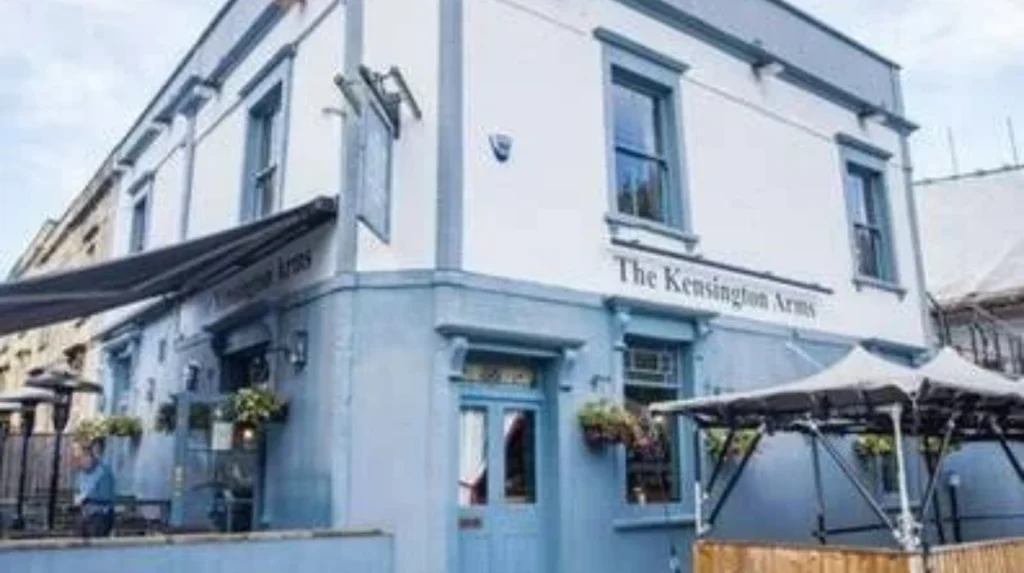
The Kensington Arms, commonly called The Kenny, is in Redland at 35–37 Stanley Road. It describes itself as a traditional pub, chophouse and grill.
Its menu combines modern British dishes, traditional pub classics and Sunday roast. The kitchen focuses on West Country produce, including aged beef, fresh fish, seafood and locally sourced vegetables. Cooking over wood and coal forms part of its food approach.
The venue therefore fits the modern gastropub model through its combination of traditional pub identity and food-led cooking.
The Lock Up
The Lock Up is at 182 Church Road in Redfield. The family-run venue opened in 2016 and focuses on food, drink and community use.
Its kitchen serves modern British dishes and a Sunday roast. The business states that it sources ingredients responsibly and locally where possible.
The food service extends across weekday dinners, Saturday breakfast and lunch, Saturday evening meals and Sunday lunch.
The Gloucester Old Spot
The Gloucester Old Spot occupies 138–140 Kellaway Avenue in Henleaze. Its food offering centres on home-cooked British pub favourites with creative variations.
The kitchen uses seasonal and locally sourced ingredients. Its menu includes weekday dishes, Sunday roasts and stone-baked pizzas.
The pub was refurbished in January 2026, with Bristol & District CAMRA noting its emphasis on locally sourced produce and locally sourced fixtures and fittings.
The Blaise Inn
The Blaise Inn is an independent pub and restaurant at 260 Henbury Road, close to the Blaise Castle Estate.
Its kitchen serves a regularly changing seasonal menu from Wednesday to Saturday and a traditional roast on Sunday. The location also makes it relevant for visitors combining food with a visit to Blaise Castle Estate and its surrounding parkland.
The Chequers Inn
The Chequers Inn is a riverside pub at Hanham Mills on the River Avon. Its food menu focuses on seasonal British ingredients.
The kitchen serves pub classics, steaks, day-boat fish and vegetarian and vegan dishes. Sunday roasts are also part of the offering.
Its position beside the River Avon adds a distinct outdoor and walking dimension to the gastropub experience.
The Lazy Dog
The Lazy Dog at 112 Ashley Down Road describes itself as a community pub serving high-quality food and drink.
Its menu combines world-food small plates with updated pub classics and a Sunday roast. Its drinks selection includes real ales, cocktails and beers from Bristol breweries, alongside locally produced spirits and syrups.
This combination demonstrates how Bristol’s gastropub scene extends beyond strictly traditional British menus.
Which Bristol gastropubs are best suited to Sunday lunch?
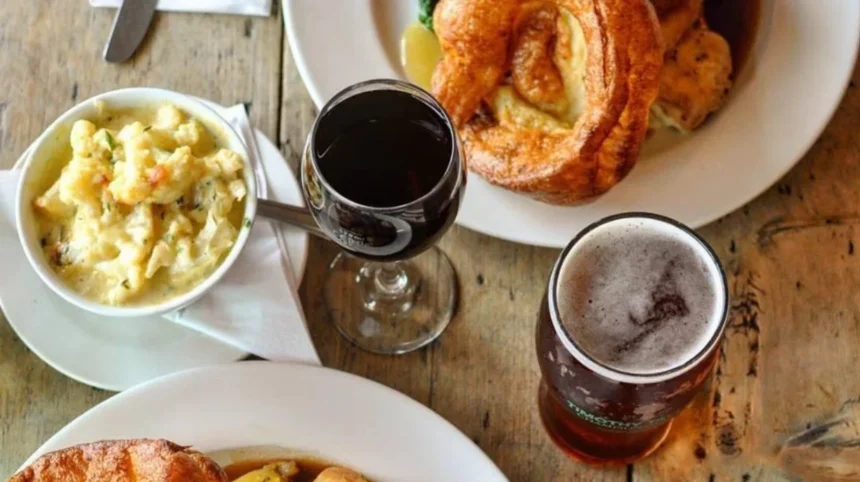
Bristol gastropubs with established Sunday-roast offerings include The Kensington Arms, The Lock Up, The Gloucester Old Spot, The Blaise Inn, The Chequers Inn and The Lazy Dog, with menus centred on roast meat, vegetables, potatoes, gravy and seasonal accompaniments.
Sunday lunch is one of the strongest links between traditional British pub culture and the modern gastropub.
A conventional Sunday roast generally consists of roasted meat or a vegetarian alternative, roast potatoes, vegetables, stuffing or Yorkshire pudding and gravy. Gastropubs typically give the format greater attention to ingredient sourcing, cooking technique and presentation.
The Kensington Arms specifically promotes an established Sunday roast as part of its modern British offering.
The Lock Up also identifies its Sunday roast as one of its principal food offerings.
The Gloucester Old Spot publishes a dedicated Sunday menu and operates food service from midday on Sundays.
The Blaise Inn serves its traditional roast on Sunday, with Sunday kitchen service from midday to 4pm.
The Chequers Inn also features Sunday roasts alongside its seasonal food menu.
The Lazy Dog promotes its Sunday roast as a regular part of its weekly food programme.
For visitors, Sunday lunch also provides a useful way to combine food with Bristol’s neighbourhood attractions, green spaces and walking routes.
Which Bristol gastropubs focus on locally sourced ingredients?
Local sourcing is central to several Bristol gastropubs, including The Kensington Arms, The Gloucester Old Spot, The Lock Up and The Chequers Inn, where menus use seasonal British produce, local vegetables, regional suppliers, fish, meat and other locally produced ingredients.
Local sourcing connects Bristol’s gastropub culture with the wider South West food economy.
The Kensington Arms states that its kitchen prioritises produce from the West Country, including aged beef, fresh fish, seafood and local Bristol vegetables. It also identifies sustainable British fish and market-fresh vegetables among its sourcing priorities.
The Gloucester Old Spot describes its menu as using seasonal and locally sourced ingredients. Its food model combines classic pub dishes with creative changes while retaining a home-cooked approach.
The Chequers Inn describes its food as celebrating British ingredients through seasonal menus. Its kitchen includes steaks, fish and plant-based dishes within that framework.
The Lock Up states that its ingredients are sourced responsibly and locally where possible.
Local sourcing has several practical implications. It supports regional producers, reduces the distance between suppliers and kitchens, and gives menus a seasonal character.
Bristol’s position within the South West also gives food-led pubs access to produce from surrounding Somerset, Gloucestershire, Wiltshire and wider West Country suppliers.
Which Bristol gastropubs are suitable for visitors exploring the city?
Visitors can use Bristol gastropubs as food stops between neighbourhood attractions, parks and waterfront areas. The Kensington Arms suits Redland and Clifton exploration, The Blaise Inn suits Blaise Castle visits, and The Chequers Inn suits River Avon walks.
Location is an important part of choosing a gastropub in Bristol because the city spreads across distinct neighbourhoods.
The Kensington Arms sits in Redland, close to Clifton and the residential streets of north-west Bristol. Its position makes it suitable for visitors exploring Clifton Village, the University area and surrounding neighbourhoods.
The Blaise Inn provides a direct connection with Blaise Castle Estate. The pub itself identifies its location near the estate and presents the venue as a start or finish point for visits to the parklands.
The Chequers Inn occupies a riverside position in Hanham Mills. Its website highlights nearby walking routes including Hanham Lock, Conham River Park Trail and the Avon Valley Trail.
Visit Bristol also identifies the city’s pub landscape as including harbourside venues, historic inns, modern brewhouses and pubs with outdoor seating.
This geographical variety means visitors can select a food-led pub according to the day’s itinerary rather than treating gastropubs as a separate destination category.
Which Bristol gastropubs combine traditional pub character with modern food?
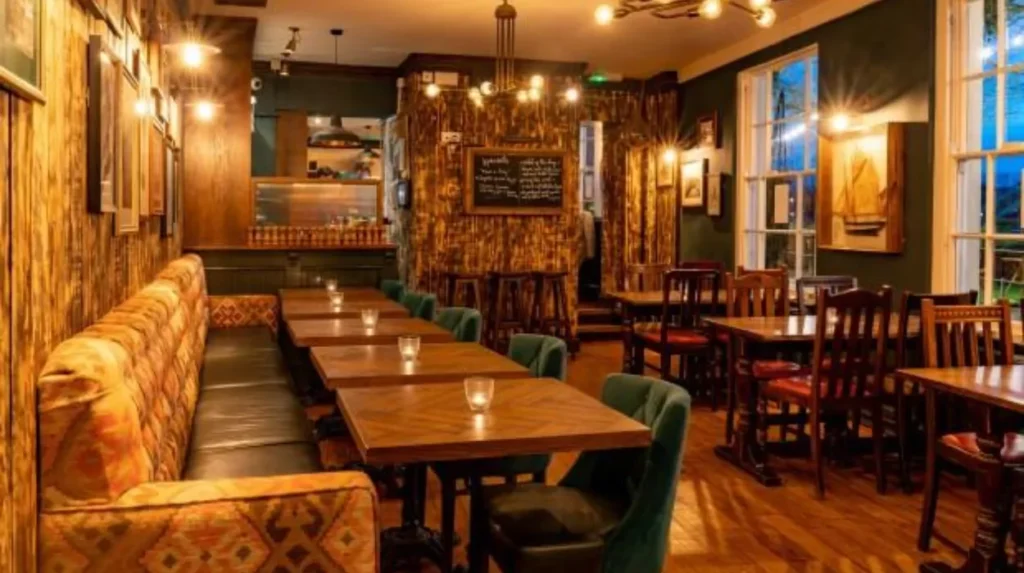
Traditional character remains visible in Bristol gastropubs through timber interiors, bars, gardens, historic buildings, cask beer and classic dishes, while modern food programmes introduce seasonal produce, contemporary cooking, vegetarian options and restaurant-level attention to ingredients.
Bristol has a particularly strong historic pub environment.
Bristol & District CAMRA documents historic venues across the city, including buildings dating from the 17th, 18th, 19th and 20th centuries. The organisation’s pub guide records historic interiors, traditional bars, gardens, cask beer and community functions across Bristol.
The King’s Head on Victoria Street provides a strong example of this heritage. The building dates from the mid-17th century, while its interior contains a nationally important Victorian bar-back. CAMRA classifies its interior as being of outstanding national historic importance.
The King’s Head demonstrates that food-led pub culture operates within a much older British pub tradition.
The Gloucester Old Spot represents a different model. It combines neighbourhood pub character with seasonal food, Sunday roast, pizzas and locally sourced ingredients.
The Blaise Inn similarly combines an independent pub identity with a seasonal restaurant-style menu and traditional Sunday roast.
Gastropubs therefore occupy a middle position between the traditional local pub and the formal restaurant.
How important are drinks in Bristol’s gastropub experience?
Drinks remain an essential part of Bristol gastropubs, with venues commonly offering cask ales, local beer, cider, wine, spirits, cocktails and alcohol-free choices alongside food. Bristol’s brewery and cider culture strengthens the connection between local drinks and pub dining.
A gastropub is not simply a restaurant located inside a pub. The bar remains a central part of its identity.
Visit Bristol notes that many Bristol pubs stock local beers, ciders, gins and wine, reflecting the city’s wider drinks economy.
The Lazy Dog specifically states that it sources the majority of its beers from Bristol breweries and also uses locally made spirits and syrups. Its drinks selection includes real ales and cocktails.
The Clifton Sausage provides another food-led model. Its bar serves more than forty wines by the glass, draught beers and spirits, while its food menu focuses strongly on British sausage dishes and local produce.
Although The Clifton Sausage describes itself as a bar and restaurant rather than explicitly using the gastropub label, its combination of pub-style drinking space, British food and locally sourced ingredients reflects many features associated with the gastropub format.
Bristol’s cider heritage also contributes to the wider pub environment. The city’s location in the West Country places it within a region strongly associated with cider production.
Which Bristol gastropubs offer vegetarian and vegan food?
Modern Bristol gastropubs increasingly include vegetarian and vegan dishes within their main menus rather than treating plant-based food as a separate category, with The Chequers Inn and The Lazy Dog explicitly incorporating plant-based choices into broader food-led pub menus.
Dietary choice has become an important part of contemporary pub dining.
The Chequers Inn specifically lists vegan and vegetarian dishes alongside steaks, fish and traditional pub classics.
The Lazy Dog combines updated pub classics with world-food small plates, creating a broader menu structure that accommodates different eating preferences.
The Clifton Sausage also states that its kitchen can accommodate dietary requirements and allergies because dishes are freshly prepared to order. Its menu includes vegetarian and vegan sausage options.
The practical difference is important for groups. A mixed party can select meat, vegetarian and vegan dishes within the same pub setting.
Food allergies require separate consideration. Customers should communicate specific allergies directly to staff before ordering because menus and ingredients change.
Which Bristol gastropubs are suitable for families and groups?
Family and group dining is available at several Bristol food-led pubs, with venues such as The Gloucester Old Spot, The Clifton Sausage, The Chequers Inn and The Blaise Inn providing substantial menus, varied seating and booking options for different types of visits.
Gastropubs work well for groups because they combine informal pub surroundings with structured food service.
The Gloucester Old Spot describes itself as welcoming to families and adults and provides a large garden. Its food operation includes Sunday roasts, weekday meals and pizzas.
The Clifton Sausage states that large parties are welcome and that bespoke menus can be arranged for groups and special occasions. Dog-friendly seating is also available in its bar area.
The Blaise Inn accepts reservations and asks groups of more than six people to contact the pub directly. Dogs are permitted in the bar area but not in the restaurant.
The Chequers Inn is also positioned as a family-friendly riverside food destination, with all-day food service and seasonal menus.
For larger groups, advance booking remains important, particularly for Sunday lunch and special occasions.
How does Bristol’s pub heritage influence its modern gastropub scene?
Bristol’s gastropub scene developed within a city with centuries of pub, port and trading history, while modern food-led venues have adapted that tradition through seasonal menus, local sourcing, independent ownership, contemporary interiors and stronger emphasis on dining.
Bristol’s historical relationship with the sea, trade and brewing helped establish a strong pub culture.
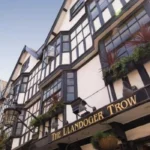
Historic venues documented by CAMRA include pubs associated with the city’s medieval and post-medieval development. The Llandoger Trow on King Street dates from 1664 and occupies a Grade II-listed building. The Hatchet Inn dates from 1606 and is described by CAMRA as probably Bristol’s oldest continuously operating pub.
The city’s pub heritage continued through the industrial and modern periods.
At the same time, Britain’s wider pub industry underwent substantial restructuring. The 1989 Beer Orders changed the relationship between major brewers and pub ownership. By 2019, independent operators accounted for 50% of UK pubs, compared with 31% in 1990, according to a House of Commons Library briefing using BBPA data.
The same briefing recorded a 22% increase in the number of independently owned pubs between 2000 and 2019, despite an overall decline in pub numbers.
This historical shift provides important context for the modern gastropub.
Food-led pubs operate within an industry where independence, local supply chains, brewing and dining increasingly overlap.
Explore More Area Guide
Best Traditional Pubs in Bristol: Historic Pubs & Real Ale
Best Pubs in Bristol: Historic, Real Ale & Waterfront Venues
What should visitors check before visiting a Bristol gastropub?
Visitors should check the current food-service hours, booking requirements, Sunday-roast availability, dietary information, accessibility, dog policy and parking arrangements before visiting because pub kitchens operate different schedules from their bars and menus change seasonally.
Opening hours provide a particularly important distinction.
The Lock Up, for example, has separate bar and kitchen schedules, with dinner service on selected evenings and specific Saturday and Sunday kitchen hours.
The Gloucester Old Spot also publishes separate opening and food-related information, with Sunday service extending into the evening.
The Blaise Inn operates its kitchen from Wednesday to Saturday during lunch and evening periods, while Sunday food service runs from midday to 4pm.
The Chequers Inn publishes food-service times separately from overall opening times.
Menus also change. The Gloucester Old Spot states that its dishes use seasonal ingredients, while The Blaise Inn operates a regularly changing seasonal menu.
Checking current information is therefore more reliable than relying on old directory listings.
Why does Bristol remain an important destination for gastropub dining?
Bristol remains an important gastropub destination because its large urban population, independent food culture, historic pub estate, local breweries, West Country produce and diverse neighbourhoods create strong conditions for pubs that combine social drinking with high-quality food.
The city recorded approximately 472,500 residents in the 2021 Census, making it the largest local authority population in the South West at that census point. Its population increased by 10.3% between 2011 and 2021.
Bristol’s food culture extends across independent restaurants, markets, cafés, breweries, pubs and street-food businesses. Visit Bristol identifies local produce, independent operators and neighbourhood food cultures as important parts of the city’s wider food scene.
The pub sector also has strong historical foundations. CAMRA’s Bristol branch maintains an extensive guide covering historic interiors, community pubs, beer-focused venues and food-led establishments.
Modern gastropubs add another layer to this established culture.
The Kensington Arms connects West Country produce with modern British chophouse cooking. The Lock Up focuses on modern British dishes and responsible local sourcing. The Gloucester Old Spot combines seasonal ingredients with classic pub food. The Blaise Inn links seasonal dining with Blaise Castle Estate. The Chequers Inn combines riverside location with seasonal British cooking. The Lazy Dog blends updated pub classics with world-food small plates.
Together, these venues demonstrate the range of Bristol’s modern gastropub model without separating food from the social role of the pub.
For visitors, the strongest approach is to choose a gastropub according to location, food style, dining occasion and opening schedule. Bristol’s combination of historic pubs, independent operators, local produce and contemporary food programmes gives the city’s gastropub scene a distinctive place within the wider South West food-and-drink landscape.
What is a gastropub?
A gastropub is a pub that places strong emphasis on quality food alongside drinks. Bristol gastropubs commonly serve modern British dishes, seasonal menus, Sunday roasts, local produce, craft beer and cider.