Bristol and the surrounding countryside offer birdwatching opportunities across wetlands, estuaries, nature reserves, woodland, parks and coastal habitats. The best places for birdwatching near Bristol include Slimbridge Wetland Centre, Severn Beach, the Avon Gorge, Chew Valley Lake, Brandon Hill, and the nature reserves of the Severn Estuary. Each location supports different bird species because water depth, vegetation, food availability and seasonal migration patterns influence where birds feed, breed and rest.
- Which places offer the best birdwatching near Bristol?
- Why is WWT Slimbridge one of the best birdwatching destinations near Bristol?
- Which birds can you see at Slimbridge?
- Where should birdwatchers look at Slimbridge?
- When should you visit Slimbridge?
- Where can you watch wild birds at Chew Valley Lake?
- Which birds live around Chew Valley Lake?
- Where can you watch birds around the lake?
- When is Chew Valley Lake best for birdwatching?
- Where is the best place for coastal birdwatching near Bristol?
- Which birds can you see at Severn Beach?
- How do tides and weather affect birdwatching?
- What should you know before visiting Severn Beach?
- Which Bristol city-centre parks are suitable for birdwatching?
- Where can you watch birds at Portbury Wharf Nature Reserve?
- Where can you watch birds around the Avon Gorge and Leigh Woods?
- Where can families go birdwatching at Blaise Castle Estate?
- When is the best time of year for birdwatching near Bristol?
- What can you see in spring?
- Which birds are active in summer?
- Why is autumn important for birdwatching?
- Why should you go birdwatching in winter?
- What equipment do you need for birdwatching near Bristol?
- Which binoculars are suitable for beginners?
- How can you identify unfamiliar birds?
- How should you record your sightings?
- How can you protect wildlife while birdwatching near Bristol?
- How should you plan a birdwatching trip from Bristol?
Birdwatching, also known as birding, is the observation and identification of wild birds in their natural habitats. It includes watching birds with the naked eye, using binoculars, listening to bird calls, recording sightings and contributing observations to wildlife surveys. Near Bristol, birdwatchers can observe waterbirds, wading birds, birds of prey, woodland species and garden birds throughout the year.
The region’s geographical position makes it particularly valuable for birdwatching. Bristol lies close to the River Avon, the Severn Estuary, the Mendip Hills and the Somerset Levels. These landscapes create a varied network of habitats within practical travelling distance of the city.
Which places offer the best birdwatching near Bristol?
The best birdwatching locations near Bristol include WWT Slimbridge, Chew Valley Lake, Severn Beach, Brandon Hill, and Portbury Wharf. These destinations provide wetland, estuary, coastal, and urban habitats for observing resident birds, seasonal migrants, waterbirds, and birds of prey throughout the year.
The most suitable location depends on the species you want to see, your available time and your preferred walking conditions. Wetlands attract ducks, geese and wading birds. Coastal areas support seabirds and shorebirds. Parks and woodlands provide opportunities to observe songbirds, woodpeckers and birds of prey.
The Bristol Ornithological Club, a local organisation dedicated to studying and recording birds, identifies Severnside as an important birdwatching area. Its coastal habitats attract waders, ducks and migrating birds. The club also highlights locations around Portbury, Portishead and Clevedon.
The following destinations provide different birdwatching experiences, from accessible city-centre walks to full-day visits to internationally important wetlands.
Why is WWT Slimbridge one of the best birdwatching destinations near Bristol?
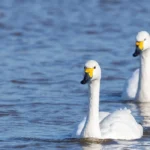
WWT Slimbridge Wetland Centre in Gloucestershire is a leading destination for birdwatching near Bristol because its wetlands support wintering waterbirds, migrating waders and breeding species. Its viewing hides provide opportunities to observe Bewick’s swans, geese, ducks, kingfishers and other birds.
Located near the village of Slimbridge in Gloucestershire, WWT Slimbridge is a wetland nature reserve managed by the Wildfowl and Wetlands Trust (WWT). The organisation focuses on wetland conservation, research, education and wildlife protection.
The reserve covers more than 325 hectares and includes grassland, freshwater pools, reedbeds and habitats connected to the Severn Estuary. Its location makes it important for birds that breed locally and species that travel long distances during migration.
Which birds can you see at Slimbridge?
Slimbridge supports a changing range of birds throughout the seasons. Winter brings large gatherings of ducks, geese, swans and waders. Summer offers opportunities to observe breeding birds and species associated with reedbeds.
Notable species include:
- Bewick’s swans: Migratory swans that travel from Arctic Russia to wintering grounds in Britain and elsewhere in Europe.
- Avocets: Distinctive black-and-white wading birds with slender, upturned bills.
- Kingfishers: Colourful birds frequently associated with rivers, pools and other freshwater habitats.
- Lapwings: Wading birds recognised by their rounded wings and distinctive crests.
- Golden plovers: Flocking waders that use open grassland and wetland areas.
- Reed warblers: Small songbirds that nest and feed among reedbeds.
WWT reports that winter bird numbers can reach approximately 30,000 at Slimbridge, depending on the season and conditions. The reserve also provides opportunities to observe cranes and migratory waders.
Where should birdwatchers look at Slimbridge?
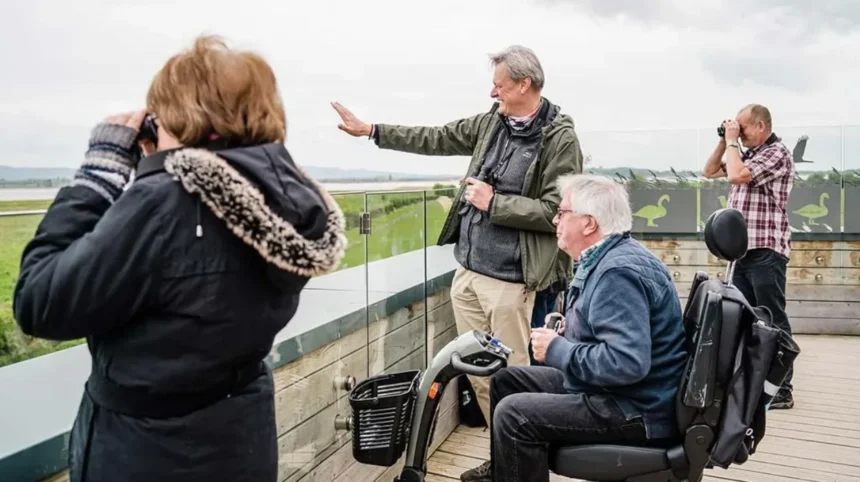
The reserve has 13 viewing hides, allowing visitors to observe wildlife from designated locations. The Estuary Tower Hide offers views across the Severn Estuary, while the Kingfisher Hide provides views of freshwater habitats. The South Lake Observatory Hide is another useful location for watching wetland activity.
The Rushy Pen is particularly relevant during winter, when swans and other waterbirds gather. Visitors should consult the latest sightings information before travelling because bird distribution changes with weather, water levels and migration.
When should you visit Slimbridge?
Winter is especially productive for observing large numbers of waterbirds, while spring and autumn bring migratory species. Summer is suitable for observing breeding birds and listening for warblers in reedbeds.
WWT Slimbridge operates throughout most of the year, closing on Christmas Day. Its seasonal opening hours change, so visitors should check the official visitor information before setting off.
Where can you watch wild birds at Chew Valley Lake?
Chew Valley Lake, south of Bristol, is an important birdwatching destination with open water, reedbeds and surrounding countryside. Its habitats support grebes, ducks, gulls, cormorants and migrating birds, while changing water levels expose feeding areas for waders.
Chew Valley Lake is a large reservoir near Chew Stoke in North Somerset. Bristol Water manages the reservoir, while Avon Wildlife Trust manages Herriott’s Pool Nature Reserve in partnership with Bristol Water.
The lake combines open water with reedbeds, shoreline habitats and nearby fields. These environments provide feeding and resting areas for birds throughout the year.
Avon Wildlife Trust identifies Chew Valley Lake as a significant location for birdwatching and lists the reserve as a Site of Special Scientific Interest (SSSI) and a Special Protection Area (SPA). These designations recognise the importance of the site’s wildlife and habitats.
Which birds live around Chew Valley Lake?
The lake supports resident and migratory waterbirds, including:
- Great crested grebes: Diving birds that catch fish in open water.
- Little grebes: Small waterbirds that feed in sheltered aquatic habitats.
- Tufted ducks: Diving ducks identified by their dark plumage and distinctive head crest.
- Shovelers: Ducks with broad bills adapted for filtering food from water.
- Gadwalls: Dabbling ducks that feed in shallow water.
- Cormorants: Fish-eating birds that dive beneath the surface.
- Goosanders: Diving ducks that hunt fish in freshwater habitats.
Herriott’s Pool also attracts waders when falling water levels expose mud. Species recorded in this habitat include dunlin, ringed plovers and green sandpipers. The surrounding reedbeds provide feeding areas for reed warblers and sedge warblers during migration.
Where can you watch birds around the lake?
Herriott’s Bridge on the A368 provides a recognised viewpoint over Herriott’s Pool. Roadside areas and designated picnic locations also provide access to parts of the lake.
Avon Wildlife Trust states that some hides require a permit obtained through Bristol Water’s recreation department at Woodford Lodge. Check access arrangements before planning a visit to a hide or restricted area.
When is Chew Valley Lake best for birdwatching?
Avon Wildlife Trust identifies April to July and October to February as productive visiting periods. Spring and summer offer breeding activity, while autumn and winter attract migratory and wintering waterbirds.
Early morning is useful for observing feeding activity and listening to bird calls. Visitors should bring binoculars and check recent sightings because the species present depend on season, weather and water levels.
Where is the best place for coastal birdwatching near Bristol?
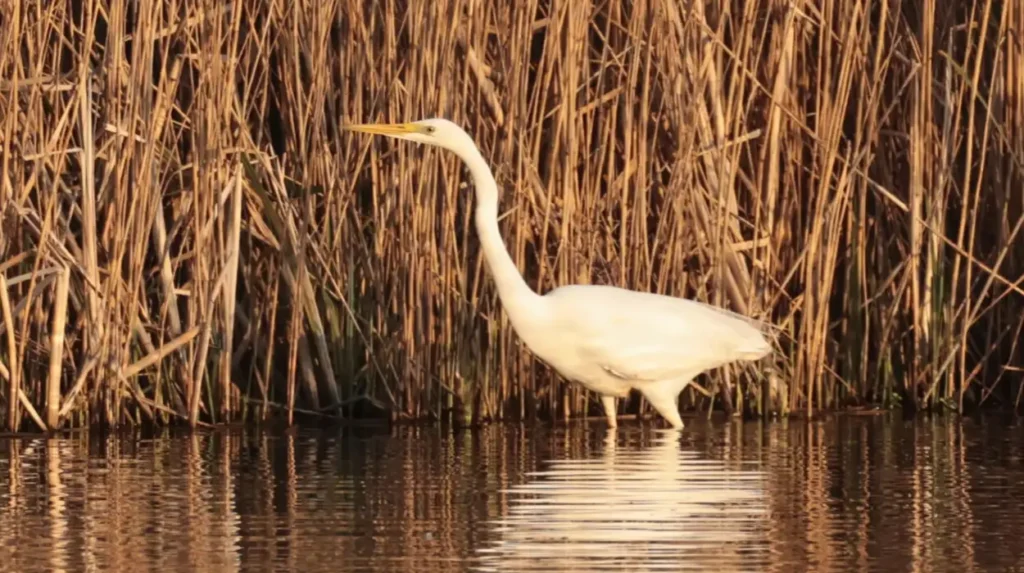
Severn Beach and the wider Severnside coastline provide some of the strongest coastal birdwatching opportunities near Bristol. The estuary’s mudflats, shoreline, coastal fields and scrub attract waders, ducks, seabirds and migrating birds, with sightings changing according to tides, winds and seasons.
The Severn Estuary is the tidal waterway where the River Severn meets the Bristol Channel. Its mudflats, saltmarshes and intertidal habitats provide food and shelter for birds that feed on worms, shellfish and other small animals.
Severn Beach, northwest of Bristol, offers access to this coastal environment. The Bristol Ornithological Club identifies Severnside as a major local birdwatching area because of its variety of coastal and inland habitats.
Which birds can you see at Severn Beach?
The shoreline attracts waders and ducks, while coastal fields and scrub provide resting and feeding areas for migrants.
Birdwatchers can look for:
- Oystercatchers: Black-and-white waders with strong orange bills.
- Redshanks: Shorebirds recognised by their red legs and sharp calls.
- Curlews: Large waders with long, downcurved bills.
- Dunlins: Small waders that gather in flocks along muddy shorelines.
- Ducks and gulls: Waterbirds that use the estuary and adjoining coastal habitats.
- Seabirds: Species travelling along the Bristol Channel, particularly during suitable weather conditions.
These are examples of species groups and possible sightings, not a guarantee that every species will appear on a particular visit.
How do tides and weather affect birdwatching?
Tides influence the amount of exposed mud available to feeding birds. At low tide, mudflats reveal invertebrates that attract waders. As the tide rises, birds move between feeding areas and higher resting grounds.
Strong south-westerly winds can also make Severn Beach a productive location for seawatching. The Bristol Ornithological Club describes occasions when seabirds fly low over the water during these conditions.
Check local tide tables before visiting. Keep a safe distance from the water, remain aware of changing conditions and avoid walking onto exposed mudflats without reliable local safety guidance.
What should you know before visiting Severn Beach?
Severn Beach suits birdwatchers who want open coastal views and opportunities to observe natural behaviour without entering a managed visitor attraction. A pair of binoculars is particularly useful because birds often feed at a distance across the estuary.
Stay on public access routes and respect private land. Coastal weather changes quickly, so waterproof clothing and suitable footwear improve comfort and safety.
Which Bristol city-centre parks are suitable for birdwatching?
Brandon Hill Nature Reserve is a convenient city-centre birdwatching destination in Bristol. Its trees, shrubs, grassland and quieter corners support urban wildlife, including common songbirds. The reserve is free to enter and offers accessible routes from selected entrances.
Brandon Hill is a green space near central Bristol, close to Clifton and the city’s historic streets. It combines public parkland with a designated nature reserve managed for wildlife.
Avon Wildlife Trust records the reserve as approximately two hectares in size. It is open throughout the year, has no entry fee and is identified as a suitable place for birdwatching.
Which birds can you observe at Brandon Hill?
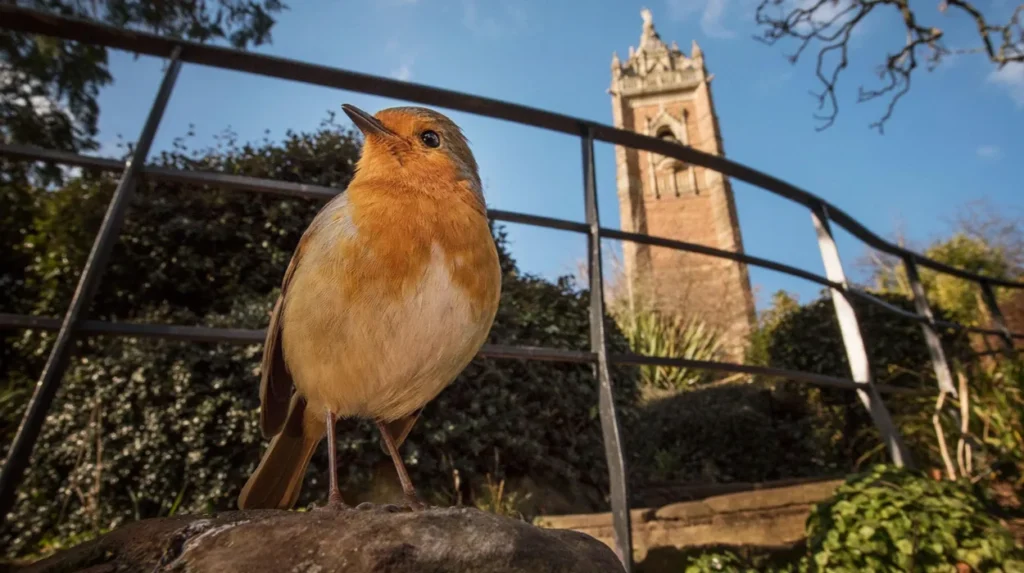
Urban green spaces provide feeding and nesting opportunities for birds that live alongside people. At Brandon Hill, watch for familiar British garden and park birds, such as robins, blackbirds, blue tits, great tits, woodpigeons and magpies.
These examples represent common species associated with urban parks and gardens. Actual sightings depend on the season, vegetation, weather and the bird’s activity.
Look for movement among branches, listen for calls and scan the ground beneath trees. Birds often forage in leaf litter, shrubs and grass rather than remaining in obvious open positions.
Is Brandon Hill suitable for beginner birdwatchers?
Brandon Hill is suitable for beginners because it provides a straightforward introduction to observing birds in a familiar urban environment. Visitors do not need specialist equipment or a full-day excursion to begin identifying local species.
Binoculars help with identifying birds in trees, while a bird identification guide supports learning. Wheelchair access is available from Great George Street and Berkeley Square, although other routes include steps and slopes.
Where can you watch birds at Portbury Wharf Nature Reserve?
Portbury Wharf Nature Reserve, near Portishead and the mouth of the River Avon, offers wetland, grassland and coastal habitats for birdwatching. Its location within the Severnside landscape makes it relevant for observing waterbirds, waders and species using estuarine environments.
Portbury Wharf is part of the wider coastal wildlife landscape northwest of Bristol. The reserve lies close to Portishead and the River Avon, where freshwater habitats and estuarine influences support wildlife.
Avon Wildlife Trust provides information about its nature reserves and regional wildlife sites, while the Bristol Ornithological Club identifies Portbury Wharf within its local birdwatching recommendations.
What makes Portbury Wharf useful for birdwatching?
The combination of wetland and open habitats creates opportunities to observe different feeding behaviours. Waterbirds use pools and wet ground, while waders search for food in suitable muddy areas. Birds of prey also use open landscapes to search for small mammals and other prey.
Birdwatchers should look across the water before scanning the grassland and scrub. This approach helps locate birds that remain still or blend into vegetation.
When should you visit Portbury Wharf?
Spring and autumn provide opportunities to observe migratory birds passing through the region. Winter is useful for searching for waterbirds, while summer supports breeding activity among resident species.
Check local access information and recent sightings before travelling. Stay on public paths and avoid disturbing birds around nesting areas or sheltered wetland margins.
Where can you watch birds around the Avon Gorge and Leigh Woods?
The Avon Gorge and nearby Leigh Woods provide woodland, scrub and rocky habitats west of central Bristol. These landscapes support woodland songbirds and other wildlife, while the gorge’s cliffs and surrounding open areas offer opportunities to observe birds in flight.
The Avon Gorge is a steep-sided valley carved by the River Avon through limestone. Leigh Woods, on the western side of the gorge, contains woodland habitats that differ from the wetlands and open shorelines found elsewhere around Bristol.
These landscapes are useful for birdwatchers interested in woodland species and birds associated with cliffs. Their varied vegetation and terrain create feeding, nesting and sheltering opportunities.
Which birds should you look for in woodland?
Woodland birdwatching focuses on identifying movement, calls and feeding behaviour among trees and shrubs. Species to look for in the wider Bristol woodland landscape include:
- Great spotted woodpeckers: Birds that climb tree trunks and search for insects.
- Nuthatches: Woodland birds that move along trunks and branches while feeding.
- Treecreepers: Small birds that search bark for insects.
- Chiffchaffs: Migratory warblers identified partly by their repetitive song.
- Tits and finches: Small birds that feed on insects, seeds and other natural food sources.
These are examples of species associated with suitable woodland habitats, rather than a confirmed checklist for every part of Leigh Woods.
How can you improve your chances of seeing birds?
Walk quietly, pause frequently and listen before approaching dense vegetation. Birdsong often reveals the presence of a species before the bird becomes visible.
Spring is useful for listening to territorial songs, while autumn brings changes in bird movement and feeding behaviour. During winter, reduced foliage makes some birds easier to see, although fewer summer migrants are present.
Use marked paths and avoid disturbing nesting birds. The gorge also has steep terrain and exposed viewpoints, so keep to safe walking routes.
Where can families go birdwatching at Blaise Castle Estate?
Blaise Castle Estate in northwest Bristol provides parkland, woodland and open grassland for informal wildlife observation. Families can combine walking with watching familiar birds, listening to woodland calls and identifying species around trees, hedgerows and grassy areas.
Blaise Castle Estate is a historic public green space in Bristol. Its combination of woodland, lawns, mature trees and walking routes provides a range of habitats for wildlife.
Compared with a large wetland reserve, the estate offers a more informal birdwatching experience. Visitors can explore at their own pace without needing specialist knowledge or expensive optical equipment.
Which birds can you look for at Blaise Castle?
Search for robins, blackbirds, wrens, blue tits and great tits around trees and shrubs. Woodpigeons and magpies are also familiar species in many urban parkland environments.
Woodland edges deserve particular attention because they combine trees, grassland and dense vegetation. These transitions give birds access to different food sources and sheltered nesting locations.
Children can learn to recognise birds by colour, size, bill shape, calls and movement. Recording observations in a notebook helps them compare sightings across different visits.
How can you plan a family birdwatching walk?
Choose a short route with safe paths and opportunities to stop without blocking other visitors. Start by identifying a few common birds instead of attempting to recognise every species.
Bring binoculars if available, dress for the weather and carry drinking water. Keep a respectful distance from nests and never encourage children to approach or feed wild birds without appropriate guidance.
When is the best time of year for birdwatching near Bristol?
Birdwatching near Bristol offers different opportunities in every season. Winter attracts large numbers of waterbirds to wetlands, spring brings returning migrants and breeding activity, summer supports nesting birds, and autumn provides opportunities to observe migrating waders and changing flocks.
Seasonal changes influence food supplies, breeding behaviour, migration and the availability of suitable habitats. Choosing the right month improves the chances of observing particular species.
What can you see in spring?
Spring brings returning summer migrants and increased bird activity around nesting territories. Listen for chiffchaffs, reed warblers and other songbirds, especially around woodland edges, hedgerows and reedbeds.
Wetland sites also provide opportunities to observe breeding waterbirds. At Slimbridge, spring brings returning migrants and breeding activity among several species.
Which birds are active in summer?
Summer is suitable for observing birds feeding young and defending nesting territories. Wetland reserves support reedbed birds, while woodland parks offer opportunities to listen for songbirds.
Birdwatchers should maintain a greater distance from nests during the breeding season. Avoid entering restricted areas or using playback recordings to attract birds near active nesting sites.
Why is autumn important for birdwatching?
Autumn is a major migration period. Birds move between breeding grounds and wintering areas, stopping at wetlands, estuaries and fields to feed.
At Slimbridge, autumn brings returning ducks, geese and other migrants. Chew Valley Lake also provides opportunities to observe wintering waterbirds as seasonal populations change.
Why should you go birdwatching in winter?
Winter is particularly productive for observing waterbirds at wetlands and estuaries. Birds gather where food and suitable resting habitats are available.
Slimbridge is known for its wintering swans, geese, ducks and waders. Chew Valley Lake also attracts wintering wildfowl, including teal, gadwall and tufted ducks.
Cold weather, shorter daylight hours and changing water levels affect bird distribution. Check recent sightings and daylight times before planning a winter trip.
What equipment do you need for birdwatching near Bristol?
Basic birdwatching equipment includes binoculars, a bird identification guide, weather-appropriate clothing and a notebook or recording app. A telescope helps with distant birds across wetlands and estuaries, while a camera provides photographs for later identification.
Beginners can start without buying specialist equipment. A quiet approach and careful observation are often more useful than expensive accessories.
Which binoculars are suitable for beginners?
Binoculars with magnification around 8x or 10x provide a practical starting point. An 8x magnification offers a relatively steady view, while 10x magnification brings distant birds closer but requires steadier handling.
Choose binoculars that feel comfortable and provide a clear image. Waterproof construction is useful for exposed locations such as Severn Beach and the Severn Estuary.
How can you identify unfamiliar birds?
Identify birds by combining several features rather than relying on colour alone. Consider body size, bill shape, leg colour, flight pattern, habitat and vocalisations.
A field guide or reputable identification app helps compare these characteristics. The Royal Society for the Protection of Birds (RSPB) and the British Trust for Ornithology (BTO) provide bird identification and recording resources.
How should you record your sightings?
Record the date, location, habitat, species and number of birds observed. Add notes about behaviour, weather and the viewing conditions.
The BTO’s Garden BirdWatch and BirdTrack initiatives provide ways to contribute bird observations to wider recording efforts. These records help researchers and conservation organisations understand changes in distribution, migration and population patterns.
Use only identifications you can support with observations. If a species remains uncertain, record it at a broader identification level rather than reporting an unverified rare sighting.
Explore More Area Guide
Best Wildlife Watching Places Near Bristol | Nature Guide
Best Places to Watch the Sunset in Bristol: Top Viewpoints
How can you protect wildlife while birdwatching near Bristol?
Responsible birdwatching protects birds by reducing disturbance, respecting access restrictions and keeping habitats intact. Visitors should remain on permitted paths, avoid approaching nests, control dogs where required, remove litter and follow reserve guidance during breeding and migration seasons.
Birds expend energy when repeatedly disturbed. Nesting birds also need to protect eggs and chicks, while feeding and resting birds depend on suitable habitats to maintain their condition.
What rules should birdwatchers follow?
Follow signs and local conservation guidance at each destination. Keep dogs under control, observe designated access routes and avoid entering reedbeds, saltmarshes or restricted nesting areas.
Do not handle wild birds, collect eggs or damage nests. Avoid leaving food or litter, and never use drones close to wildlife.
At managed sites, check photography restrictions and any rules about tripods, hides or access to sensitive areas.
Why does responsible birdwatching matter?
Bird records provide useful information about wildlife distribution and seasonal changes. Repeated observations help conservation organisations identify changes in populations and understand how birds use particular habitats.
Wetlands such as Slimbridge and Chew Valley Lake are valuable because they provide feeding, resting and breeding environments. Protecting these habitats supports birds throughout their annual life cycles.
How should you plan a birdwatching trip from Bristol?
Choose a birdwatching destination according to your target species, travel time, access needs and available facilities. Brandon Hill suits a short urban visit, Chew Valley Lake suits waterbird observation, and Slimbridge offers extensive wetland habitats and dedicated viewing hides.
A successful trip begins with checking recent sightings, access arrangements and the weather forecast. Bird distribution changes, so recent local reports provide a better guide than relying on a fixed species list.
Which destination is best for different birdwatchers?
- For beginners: Brandon Hill provides a convenient introduction to common urban birds.
- For wetland specialists: Slimbridge offers managed viewing hides and a broad range of seasonal waterbirds.
- For waterbird observation: Chew Valley Lake provides open-water and reedbed habitats.
- For coastal birdwatching: Severn Beach offers estuary views, waders and opportunities for seawatching.
- For woodland birds: Leigh Woods and the Avon Gorge provide woodland and cliff-associated habitats.
- For informal family outings: Blaise Castle Estate provides parkland and woodland walking opportunities.
These choices reflect the habitats and facilities available at each location, rather than a guarantee of particular sightings.
What should you check before leaving home?
Check opening hours, transport connections, parking, weather and recent bird reports. Managed reserves sometimes change access arrangements or close specific paths for wildlife protection.
For Slimbridge, consult the WWT website for opening times, admission and accessibility information. For Chew Valley Lake, consult Avon Wildlife Trust and Bristol Water for reserve access and hide permits. The Bristol Ornithological Club provides local birdwatching information for Severnside and other regional sites.
Birdwatching near Bristol is accessible throughout the year because the surrounding region contains urban parks, woodland, reservoirs and internationally important wetland habitats. Visiting different environments across the seasons provides opportunities to observe resident birds, migratory species and changing wildlife behaviour while supporting appreciation of local nature conservation.
What are the best places for birdwatching near Bristol?
The best places for birdwatching near Bristol include WWT Slimbridge Wetland Centre, Chew Valley Lake, Severn Beach, Brandon Hill Nature Reserve, Portbury Wharf Nature Reserve, Leigh Woods and Blaise Castle Estate.