Key Points
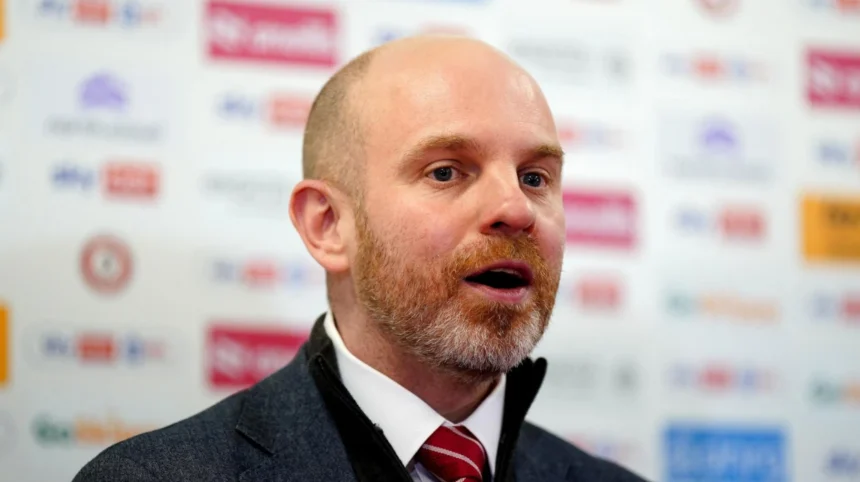
- Bristol City Chief Executive Charlie Boss addressed supporters at a fans’ forum after reports linked Greek gambling entrepreneur George Daskalakis to a possible minority stake in the club.
- Sky Sports News and Sky News reported that Daskalakis, co-founder and CEO of Kaizen Gaming, is in advanced talks with owner Steve Lansdown alongside financier Sandford Loudon.
- Boss said he would not comment on “specific stories or rumours”, maintaining the club’s position on market speculation.
- Boss said new financial regulations mean any fresh investment would not lead to immediate major spending on transfers, with owners allowed to contribute a maximum of £15 million per season.
- Lansdown has invested about £280 million in Bristol City over nearly three decades and remains open to external investment.
Bristol (Bristol Express News) August 25, 2026 – As reported by Daniel Carter of the Bristol Post, Bristol City Chief Executive Charlie Boss took to the stage alongside technical staff to respond to supporter inquiries regarding potential investment at Ashton Gate. Speculation had intensified after initial reports from Sky Sports News and subsequent reporting by Sky News indicated that George Daskalakis, co-founder and chief executive of Kaizen Gaming, was negotiating to acquire a significant minority shareholding from majority owner Steve Lansdown. Joined by financier Sandford Loudon of Oakvale Capital, Daskalakis was reported to have been pursuing a transaction with the Championship club over an extended period.
How did Charlie Boss address the George Daskalakis investment rumours?
When pressed by supporters on the reported interest from external parties, Boss refused to validate specific names while outlining the operational reality of financial transactions in English football. As reported by Daniel Carter of the Bristol Post, Boss stated:
“You’re right, I’m not going to comment on any specific stories or rumours [but] I’ll say two things.”
Addressing the practical impact of any potential capital injection under modern football governance rules, Boss sought to manage supporter expectations regarding immediate spending power. As reported by Daniel Carter of the Bristol Post, Boss explained:
“The honest answer is, not necessarily a huge amount. To set expectations, Steve and Maggie are very good benefactors of the club so, of course, if they get an investor in who puts more in, that’s great, but it is no longer possible for somebody to come in and say, ‘Here’s £200million, James, fill your boots,’ and nor should it be, because that’s not good for English football.”
Why will new investment not lead to an immediate spending surge at Ashton Gate?
Boss emphasized that contemporary financial sustainability metrics and spending limits in the Football League restrict the immediate influence of external funding. Under current regulations, club owners are restricted to topping up a maximum of £15 million per season in equity funding to cover operating losses.
As reported by Daniel Carter of the Bristol Post, Boss elaborated on the wider systemic reasons for financial regulations across the domestic pyramid:
“What we all cherish most is not just the football club we support but the ecosystem we exist in. I’m sure that all of you, as much as you want us to win on the pitch, have that moment of heartbreak when you see a football club go into administration, get relegated because of financial reasons. We should win or lose on the pitch because of what we do on the pitch.”
Boss further added context regarding the long-term vision of majority owners Steve and Maggie Lansdown. As reported by Daniel Carter of the Bristol Post, Boss remarked:
“If Steve and Maggie choose to bring in investment, they’ll do it because they think it is the right long-term thing for this football club, but equally, it’s not an overnight switch that they’re pulling because they want to get us there.”
Background of the particular development
The current landscape surrounding Bristol City’s ownership structure stems from Steve Lansdown’s multi-decade stewardship of the club. Having been associated with the Robins for nearly 30 years, Lansdown has committed over £280 million of personal capital into funding infrastructure projects—including the redevelopment of Ashton Gate and the creation of the High Performance Centre—alongside day-to-day operations.
In recent years, Lansdown has publicly expressed a willingness to bring in third-party investment or hand over control to suitable stewards who possess the capital required to sustain the club’s Premier League ambitions. The emergence of George Daskalakis marks one of the most prominent external investment links to date. Daskalakis’s firm, Kaizen Gaming, operates global online betting brands including Betano, which held high-profile sports sponsorship deals including front-of-shirt placement with Premier League side Aston Villa. Reports indicate that Daskalakis and advisory partner Sandford Loudon have conducted negotiations over an extended window to acquire a minority shareholding, though official representatives from both Bristol City and the investor group declined to comment on the record to Sky News.
Prediction: How this development affects Bristol City supporters and the club’s operations
This clarification from executive leadership primarily impacts Bristol City supporters, the playing squad, and the broader financial trajectory of the club:
- Managing Supporter Expectations: Fans expecting a transformational, immediate outlay on player transfer fees will face a reality check. Boss’s statements establish that even if a transaction involving George Daskalakis completes, financial regulations prevent a sudden influx of uninhibited transfer spending. Supporter focus will shift toward sustainable squad building rather than major transfer windows.
- Long-Term Financial Security: The arrival of an established international investor alongside Steve Lansdown would bolster the club’s financial foundation. This provides structural stability, allowing the club to maximize its permitted £15 million annual owner injection while distributing financial liability beyond the Lansdown family.
- Operational Strategy: Executive management under Charlie Boss will maintain its existing analytical and measured recruitment approach. Future capital will likely be targeted toward long-term infrastructure, commercial expansion through international channels, and strategic squad enhancement within strict spending limits.