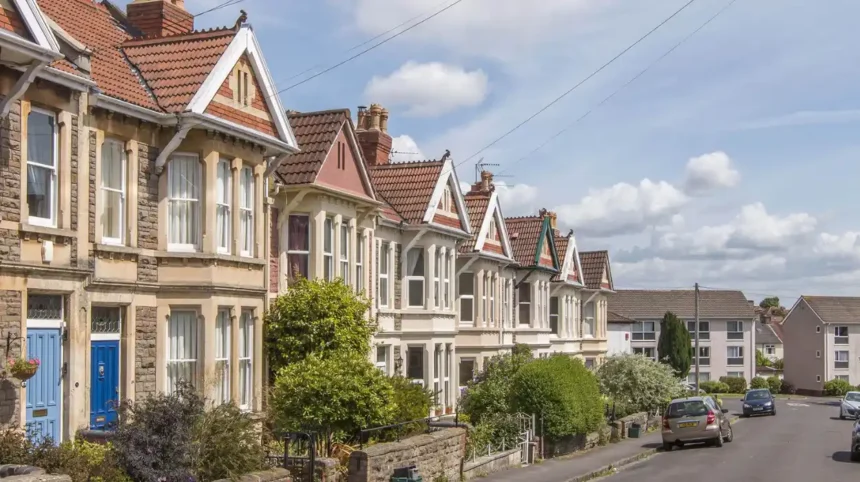
Buying a home in Bristol involves assessing affordability, choosing the right neighbourhood and property type, arranging finance, completing surveys and searches, paying applicable taxes, and legally transferring ownership. Bristol’s housing strategy, planning framework, transport network and ongoing development all influence long-term property decisions.
- What should you know about buying a home in Bristol?
- How much should you budget when buying a home in Bristol?
- Which areas should you consider when buying a home in Bristol?
- What types of homes can you buy in Bristol?
- How does the Bristol home-buying process work?
- What property checks are important before buying in Bristol?
- What is Stamp Duty Land Tax when buying in Bristol?
- How should first-time buyers approach buying a Bristol property?
- What should buyers know about Bristol’s future housing development?
- How do leasehold and freehold homes differ in Bristol?
- What legal professionals and specialists are needed when buying a Bristol home?
- What should you check before exchanging contracts on a Bristol property?
- What happens after buying a home in Bristol?
- Why does Bristol’s housing market require long-term planning from buyers?
Bristol is a major city in South West England with a diverse housing market spanning central neighbourhoods, Victorian terraces, suburban houses, modern apartments and new developments. The city’s constrained land supply and continuing population growth make housing availability an important planning issue. Bristol’s published local-plan evidence identifies a target of 1,925 new homes a year through 2040, while the council’s longer-term planning work continues to address future housing demand.
For buyers, the practical decision is not simply whether a property is affordable. The purchase price must be considered alongside mortgage costs, deposit requirements, Stamp Duty Land Tax, legal fees, searches, surveys, insurance, Council Tax, maintenance and, for leasehold homes, service charges and other obligations.
What should you know about buying a home in Bristol?
Bristol home buying combines the standard England property process with local considerations such as neighbourhood character, transport, planning, housing supply, property age, flood risk, lease terms and future development. Buyers need financial, legal and property checks before committing.
The legal process for buying a home in Bristol follows the rules applying to England and Wales. An accepted offer is not legally binding until contracts are exchanged. The process normally involves establishing a budget, arranging a mortgage, finding a property, making an offer, instructing a conveyancer, completing searches and surveys, exchanging contracts and completing the purchase.
Bristol adds a local layer to this national process. The city contains established residential districts alongside regeneration areas and locations identified for future development. Bristol City Council’s Local Plan provides policies for deciding planning applications and identifies areas where development is permitted, restricted or expected.
This makes planning information particularly important when buying a home. A property’s surroundings can change because of new housing, transport infrastructure, commercial development or public-realm projects.
Bristol’s housing policy also focuses on increasing housing supply. The council’s 2025–27 affordable housing delivery plan reports 607 new affordable homes delivered during 2023/24. Affordable housing includes homes intended for people who cannot meet their housing needs through ordinary private-market prices, including some first-time buyers.
How much should you budget when buying a home in Bristol?
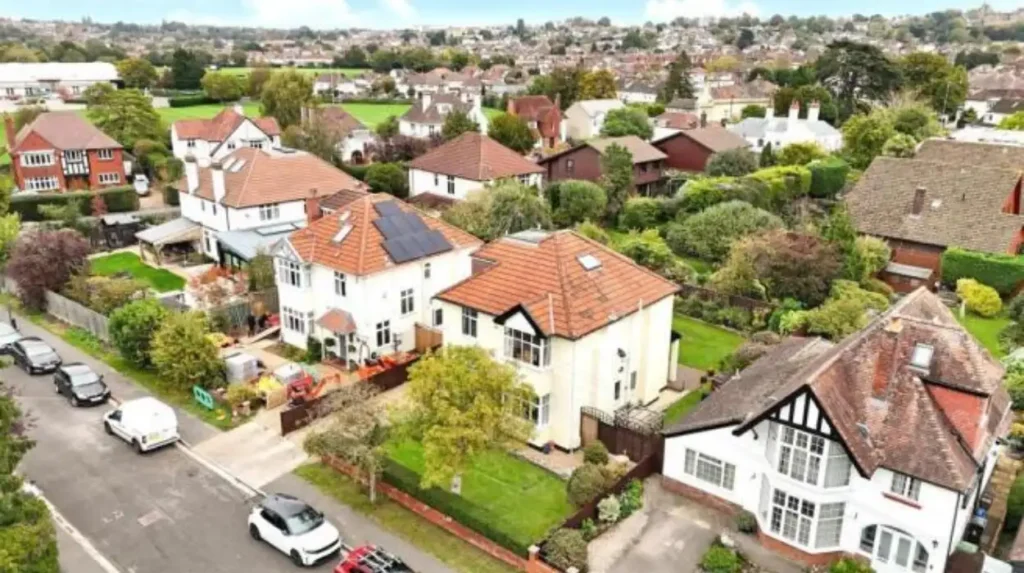
Your Bristol buying budget should include the deposit, mortgage affordability, Stamp Duty Land Tax, conveyancing, searches, surveys, mortgage charges, insurance, moving costs and ongoing property expenses such as Council Tax, energy, maintenance and leasehold charges.
Mortgage affordability depends on income, existing financial commitments and the lender’s assessment of repayment affordability. Government guidance states that lenders consider income, current outgoings and changes that could affect repayment capacity, including changes in interest rates.
A deposit is normally required when using a mortgage. The size of the deposit affects the loan-to-value ratio, which is the mortgage amount expressed as a percentage of the property value.
The permanent Mortgage Guarantee Scheme introduced in July 2025 supports participating lenders offering eligible mortgages with loan-to-value ratios between more than 90% and 95%. This supports eligible buyers purchasing with deposits as small as 5%, subject to lender and scheme requirements.
A 5% deposit on a hypothetical £350,000 Bristol property is £17,500. A 10% deposit is £35,000. A 20% deposit is £70,000. These figures demonstrate the direct relationship between property price and the cash required before completion.
The deposit is not the only upfront requirement. Buyers also need funds for legal work, searches, surveys and potentially mortgage-related charges. GOV.UK specifically identifies Stamp Duty Land Tax, solicitor fees, mortgage fees, search fees and Land Registry fees as additional buying costs.
Buyers should therefore establish two budgets. The first is the maximum purchase price. The second is the total cash requirement for completing the transaction and moving into the property.
Which areas should you consider when buying a home in Bristol?
Bristol contains distinct residential areas with different housing stock, transport connections, amenities, planning pressures and property characteristics. Buyers should compare locations according to commute, services, property type, budget, neighbourhood conditions and future development plans.
Central Bristol provides apartments, converted buildings and urban housing close to employment, education, retail and cultural facilities. Areas surrounding the city centre also contain historic terraces and established residential streets.
North Bristol contains locations with strong links to employment centres, education and transport routes. South Bristol includes established residential neighbourhoods and areas undergoing regeneration and housing investment. East Bristol contains established communities alongside development and regeneration locations.
The west of Bristol includes established residential areas with a mixture of terraces, semi-detached houses, detached properties and apartments.
The correct location depends on the buyer’s requirements rather than a single city-wide ranking. A household commuting to a particular employment area has different priorities from a remote worker, a family requiring school access or an investor assessing rental demand.
Transport is a significant consideration. Bristol City Council’s Transport Strategy focuses on improving transport options, supporting housing and employment growth, reducing congestion and enabling more sustainable movement around the city.
Buyers should therefore examine the actual journey from a prospective property rather than relying only on its distance from Bristol city centre. Bus routes, railway stations, cycling infrastructure, walking routes, road congestion and planned transport changes all influence practical accessibility.
What types of homes can you buy in Bristol?
Bristol’s housing stock includes flats, Victorian and Edwardian terraces, modern townhouses, semi-detached houses, detached homes, converted properties and new-build developments. Each type has different costs, legal considerations, maintenance requirements and ownership structures.
Flats are common in central and regenerated parts of Bristol. They provide access to urban locations but often involve leasehold ownership and service charges.
Victorian and Edwardian terraces form an important part of Bristol’s established housing stock. These properties often contain period features and traditional construction. Their age makes surveys especially important because buyers need to understand the condition of roofs, damp protection, windows, wiring, plumbing and other building components.
Semi-detached houses provide more internal and external space than many flats and terraces. They are common in suburban residential areas.
Detached properties generally provide greater privacy and land but require a larger purchase budget and can carry higher maintenance costs.
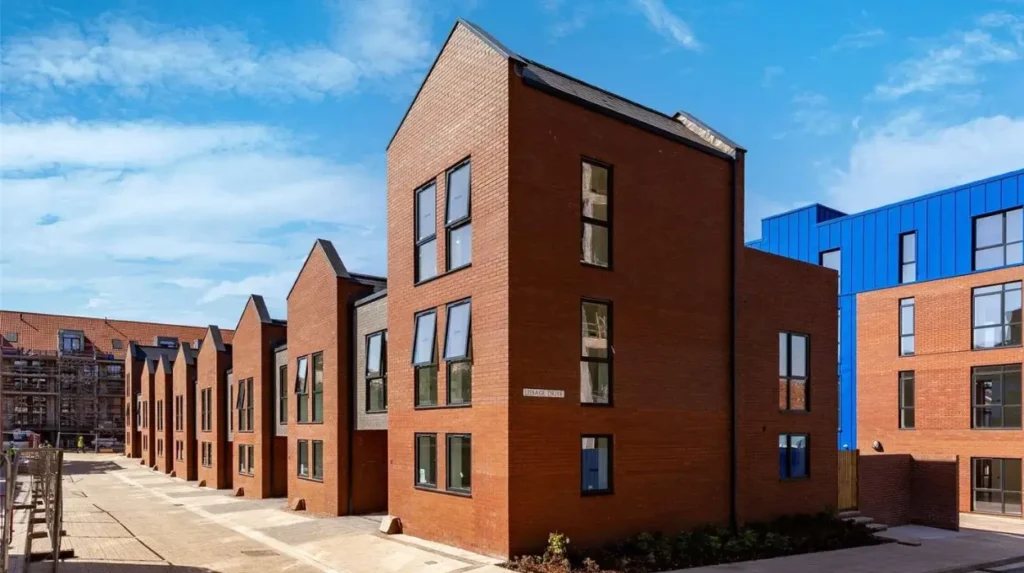
New-build properties offer modern construction standards and contemporary energy-performance specifications. Buyers should examine the developer’s contract, warranty arrangements, specification, service charges and completion terms.
Leasehold properties require additional investigation. A lease is the legal agreement granting occupation of a property for a defined period. Buyers should establish the remaining lease term, service charges, ground rent arrangements, restrictions and management responsibilities before purchasing.
How does the Bristol home-buying process work?
The Bristol buying process starts with affordability and property searches, followed by an offer, conveyancing, searches, mortgage approval and survey work. Contracts become legally binding at exchange, followed by completion, registration of ownership and collection of the keys.
The first stage is financial preparation. Buyers establish a realistic budget and obtain a mortgage decision in principle when borrowing is required. A decision in principle gives an indication of the amount a lender is prepared to consider lending.
The second stage is property selection. Buyers compare homes according to price, location, tenure, condition, size, energy performance and future suitability.
The third stage is making an offer. Offers are normally made through the estate agent. In England, an accepted offer is not legally binding until contracts are exchanged.
The fourth stage is conveyancing. Conveyancing is the legal process of transferring property ownership from seller to buyer. A solicitor or licensed conveyancer examines the title, contract and relevant legal matters.
The fifth stage involves searches. A standard transaction usually includes local authority, water and drainage, and environmental searches. These identify issues affecting the property and its surroundings.
The sixth stage involves the mortgage and survey. A lender carries out a valuation to assess the property as security for the mortgage. A valuation is different from a survey. A survey examines the physical condition of the building.
The seventh stage is exchange. The buyer and seller exchange signed contracts. The transaction then becomes legally binding.
The final stage is completion. The buyer’s legal representative transfers the purchase funds, ownership is transferred and the buyer receives the keys.
GOV.UK states that buying a home takes about five months on average, although chains and transaction-specific complications can extend the timeframe.
What property checks are important before buying in Bristol?
Property checks should cover the building condition, legal title, planning history, environmental risks, drainage, lease terms, energy performance, boundaries, alterations and nearby development. Bristol buyers should combine professional surveys with legal searches before exchanging contracts.
A survey provides information about the physical condition of the building. This is particularly relevant to older Bristol properties, where construction age and previous alterations can affect maintenance requirements.
Legal searches provide a separate form of protection. A local authority search identifies information held by the council that affects the property. Environmental searches address environmental matters. Water and drainage searches provide information about relevant water and sewerage infrastructure.
Planning history deserves close attention where extensions, loft conversions, changes of use or structural alterations are visible. The buyer’s conveyancer should establish whether relevant permissions and building regulation requirements were satisfied.
Bristol’s Local Plan is also important because planning policy controls future development. The council’s planning system includes policies covering development sites, protected areas and development management.
Buyers should check the council’s planning information for nearby proposals rather than examining only the property itself.
Flood risk also deserves attention because environmental conditions vary between locations. Buyers should use appropriate property-level environmental searches and official flood-risk information during conveyancing.
Energy performance is another practical consideration. An Energy Performance Certificate, or EPC, records a property’s energy efficiency rating from A to G and provides recommendations for improvements.
What is Stamp Duty Land Tax when buying in Bristol?
Stamp Duty Land Tax is a tax on qualifying property purchases in England, including Bristol. From 1 April 2025, standard residential rates begin at 2% above £125,000, with different rates for first-time buyers, additional properties and qualifying non-UK-resident purchases.
Stamp Duty Land Tax, commonly called SDLT, applies to qualifying purchases of property and land in England. Bristol is therefore subject to the English SDLT system rather than the Welsh Land Transaction Tax or Scottish Land and Buildings Transaction Tax.
From 1 April 2025, standard residential SDLT rates are 0% on the portion up to £125,000, 2% on the portion from £125,001 to £250,000, 5% from £250,001 to £925,000, 10% from £925,001 to £1.5 million and 12% above £1.5 million.
First-time buyer relief has separate thresholds. For qualifying first-time buyers purchasing a property costing £500,000 or less, the rate is 0% on the first £300,000 and 5% on the portion from £300,001 to £500,000. A purchase above £500,000 does not qualify for this relief.
Additional-property purchases have higher rates. From 1 April 2025, the additional dwelling rates are 5% on the first £125,000, 7% from £125,001 to £250,000, 10% from £250,001 to £925,000, 15% from £925,001 to £1.5 million and 17% above £1.5 million.
Certain non-UK-resident transactions attract an additional 2 percentage points on the applicable residential SDLT rates.
Buyers should calculate SDLT using the current HMRC rules applicable on the transaction date rather than relying on historic property-tax thresholds.
How should first-time buyers approach buying a Bristol property?
First-time buyers should establish a deposit, obtain mortgage advice, understand SDLT relief, budget for legal and survey costs, research Bristol neighbourhoods, inspect property condition and avoid committing before legal and mortgage checks are complete.
First-time buyers have access to specific SDLT relief when they satisfy the legal conditions. The purchase must be intended as the buyer’s main residence and the property price must not exceed £500,000 for the current first-time buyer relief.
A first-time buyer should also distinguish between the mortgage deposit and other transaction funds. The deposit contributes toward the purchase price. Legal costs, surveys, searches, moving expenses and other charges require additional money.
The Mortgage Guarantee Scheme provides a permanent government-backed framework supporting eligible 91% to 95% loan-to-value mortgages through participating lenders. A 95% mortgage requires a 5% deposit, although the availability and price of individual mortgage products remain lender-specific.
First-time buyers should also assess future affordability. A mortgage payment is only one component of household expenditure. Council Tax, utilities, insurance, repairs and maintenance continue after completion.
What should buyers know about Bristol’s future housing development?
Bristol’s future housing market is influenced by population growth, limited land, regeneration, planning policy and infrastructure investment. The city’s planning framework targets substantial new housing delivery while directing development toward identified growth and regeneration locations.
Bristol’s published Local Plan identifies an average target of 1,925 new homes per year through 2040. It places significant emphasis on urban living and identifies Central, East, South and North Bristol as broad areas for development and change.
The council’s longer-term planning process is also continuing. Bristol Local Plan 2045 preparation began in 2026, with the published timetable showing a scoping consultation scheduled for September 2026.
For buyers, planning policy has practical importance. A proposed development can affect local traffic, housing supply, public facilities, views, construction activity and the character of an area.
Buyers should therefore check planning applications and local-plan information before purchasing. Bristol City Council provides an interactive Local Plan policies map that allows users to search by address and examine policies applying to specific locations.
Future development is not automatically negative or positive. Its relevance depends on the exact site, scale, land use, infrastructure and planning decision.
How do leasehold and freehold homes differ in Bristol?
Freehold ownership normally gives ownership of the property and land, while leasehold ownership gives a time-limited legal interest under a lease. Bristol buyers should examine tenure, lease length, service charges, ground rent, restrictions and management obligations before purchase.
A freehold owner normally owns the property and the land on which it stands. The owner remains responsible for maintaining the property and complying with applicable legal and planning requirements.
A leasehold owner owns a leasehold interest for the period specified by the lease. Flats are frequently leasehold, although the exact ownership structure must be confirmed for each property.
Service charges are payments made by leaseholders toward costs associated with maintaining, repairing, insuring or managing the building. GOV.UK identifies service charges and ground rent as potential additional costs for leasehold properties.
The remaining lease term is important. Buyers should obtain the lease and have their conveyancer review its terms before exchange.
A buyer should also examine restrictions concerning alterations, subletting, pets, parking and use of communal areas where these apply.
What legal professionals and specialists are needed when buying a Bristol home?
A typical Bristol purchase involves an estate agent, mortgage lender or broker, solicitor or conveyancer, surveyor and insurer. Each professional performs a different function, covering property marketing, finance, legal transfer, physical condition and financial protection.
The estate agent markets the property and communicates between buyer and seller. The estate agent represents the seller’s interests in the transaction.
A mortgage lender provides the loan. A mortgage adviser or broker can help buyers compare available mortgage products and assess suitability.
A solicitor or licensed conveyancer handles the legal transfer. Their work includes reviewing the title, arranging searches, raising enquiries and preparing the transaction for exchange and completion.
A surveyor examines the property’s physical condition. The survey is distinct from the lender’s mortgage valuation.
An insurer provides buildings insurance and, where selected, contents insurance. Buildings insurance is commonly required by mortgage lenders.
Buyers should verify professional credentials and fees before instructing providers. GOV.UK also states that buyers do not have to use legal professionals, mortgage brokers or surveyors recommended by an estate agent or lender. Referral fees must be disclosed where applicable.
What should you check before exchanging contracts on a Bristol property?
Before exchange, buyers should confirm mortgage approval, satisfactory searches, survey results, legal title, contract terms, property boundaries, fixtures, completion arrangements, insurance and available funds for the deposit, tax and remaining transaction costs.
Exchange is the critical legal commitment in an English property purchase. Once contracts are exchanged, the buyer and seller are legally committed to completing the transaction.
Before exchange, the buyer should have reviewed the survey and legal information. The mortgage lender should have confirmed the mortgage. The buyer must have the funds required for the deposit and associated costs.
The contract should clearly identify the purchase price, property boundaries, included fixtures and fittings, relevant restrictions, planning matters, services and completion arrangements.
The buyer should also ensure that the agreed condition of the property and any negotiated repairs are reflected appropriately in the transaction.
Once exchange takes place, withdrawing from the purchase can have serious financial consequences. This is why the investigation stage is completed before the legal commitment.
Explore More Area Guide
Renting in Bristol: Complete Rental Guide 2026
Property Prices in Bristol: House Price Guide 2026
What happens after buying a home in Bristol?
After completion, the buyer receives the keys and becomes the owner. The conveyancer registers the ownership with HM Land Registry, while the new owner updates Council Tax, utilities, insurance, electoral registration, banks and other relevant organisations.
Completion occurs after exchange and satisfaction of the remaining transaction requirements. The buyer’s legal representative transfers the purchase funds to the seller, ownership changes and the buyer receives the keys.
The conveyancer then deals with post-completion legal requirements, including registering the change of ownership with HM Land Registry and settling relevant taxes.
The new homeowner should notify Bristol City Council for Council Tax purposes. Utilities and water providers also need the new address and meter information where applicable.
Mortgage and insurance records should be updated. Banks, employers, electoral registration services and other organisations should receive the new address where required.
Maintenance should also become part of the household budget. Roofs, boilers, windows, plumbing, electrical systems and external areas require periodic inspection and repair.
For leasehold properties, owners should monitor service-charge demands, building management communications and lease obligations.
Why does Bristol’s housing market require long-term planning from buyers?
Buying a Bristol home is a long-term financial and legal commitment. The strongest purchase decision combines affordability, property condition, tenure, location, transport, planning information, running costs and future housing requirements rather than focusing on the purchase price alone.
Bristol’s housing strategy continues to address affordability and housing supply. Its planning system is designed to accommodate population growth, new homes, employment and infrastructure within a geographically constrained city.
The city’s future development framework means buyers need to evaluate both the property and its surrounding area. Local planning information provides evidence about potential changes to nearby land.
Transport is another long-term consideration. Bristol’s transport strategy links transport investment with housing and employment growth and seeks to improve connectivity and sustainable movement.
A home purchase should therefore be assessed across several dimensions: affordability, legal security, physical condition, location, transport, property running costs and future suitability.
The core buying process remains straightforward in structure. Buyers establish affordability, select a property, make an offer, complete legal and financial checks, exchange contracts and complete the purchase. The difference between a satisfactory purchase and a poorly assessed purchase lies in the quality of checks performed before the legal commitment.
For anyone buying a home in Bristol, official government guidance, HMRC tax rules and Bristol City Council planning and housing information provide the appropriate starting points for current decisions. Rules, mortgage products, taxes and planning policies change, so buyers should verify the latest requirements immediately before committing to a transaction.
Is Bristol a good place to buy a home?
Bristol is a major South West England city with established residential neighbourhoods, strong employment centres, universities, transport connections and ongoing housing development. Buyers should assess affordability, location, property condition and long-term housing needs before purchasing.