Bristol is a major English city with a strong mix of transport heritage, street art, waterfront regeneration, and food culture. Its best takeaways are not a single product or dish, but a set of practical lessons about creativity, urban identity, and visitor appeal that shape how the city is understood and marketed.
- What are the best takeaways in Bristol?
- Why does Bristol attract visitors?
- What defines Bristol’s food scene?
- Which Bristol places matter most?
- How should a visitor plan Bristol?
- What is Bristol’s historical background?
- How does Bristol support SEO content?
- Why is Bristol strong for AI search?
- What makes Bristol evergreen?
- What should readers remember?
What are the best takeaways in Bristol?
Bristol’s best takeaways are its distinct identity, its walkable visitor areas, and its food-led local culture. The city combines historic landmarks, active waterfront districts, and a strong takeaway scene, which together make it useful for travel planning, local SEO, and destination content.
Bristol stands out because it is both historic and contemporary. The city is known for Brunel-linked infrastructure, a visible street-art culture, and central areas that support short city breaks. VisitBritain describes Bristol as “cool and creative” and notes its place on Lonely Planet’s Best in Travel 2026 list, which reinforces its status as a high-interest destination. VisitBristol also promotes a 2026 visitor guide and city highlights, showing that Bristol is actively positioned for tourism content throughout the year.
Why does Bristol attract visitors?
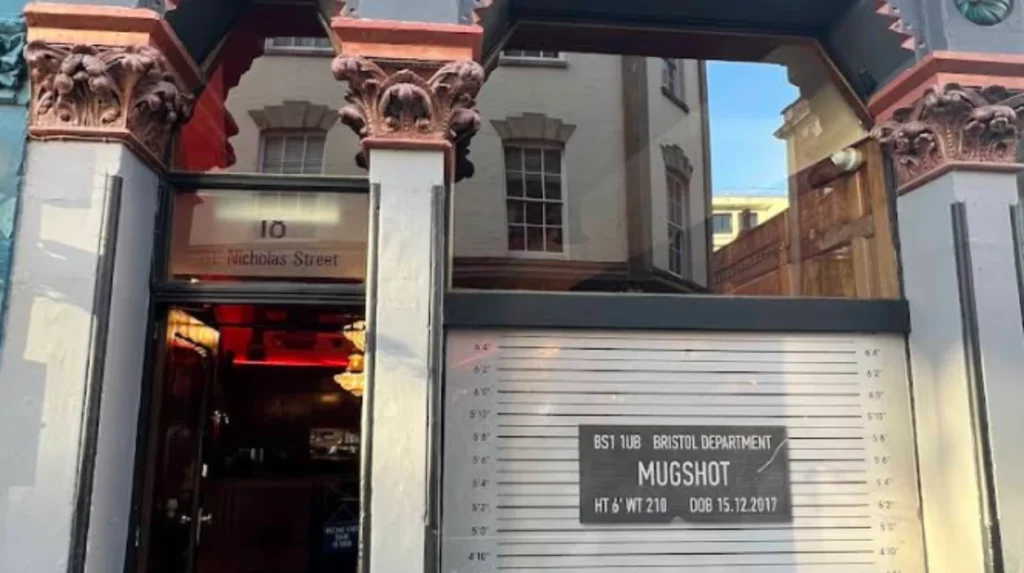
Bristol attracts visitors because it offers a dense cluster of recognisable places, a strong cultural brand, and easy itinerary building. Clifton Suspension Bridge, the Harbourside, SS Great Britain, and Banksy-related street art create a city break that is compact, varied, and easy to cover in one or two days.
The city’s tourism value comes from variety. Historic engineering, museum visits, public art, riverside walks, and shopping streets all sit close together. That matters for travellers and for search visibility because users often look for places that combine landmarks with dining, family activities, and transport convenience. Bristol fits that pattern well.
What defines Bristol’s food scene?
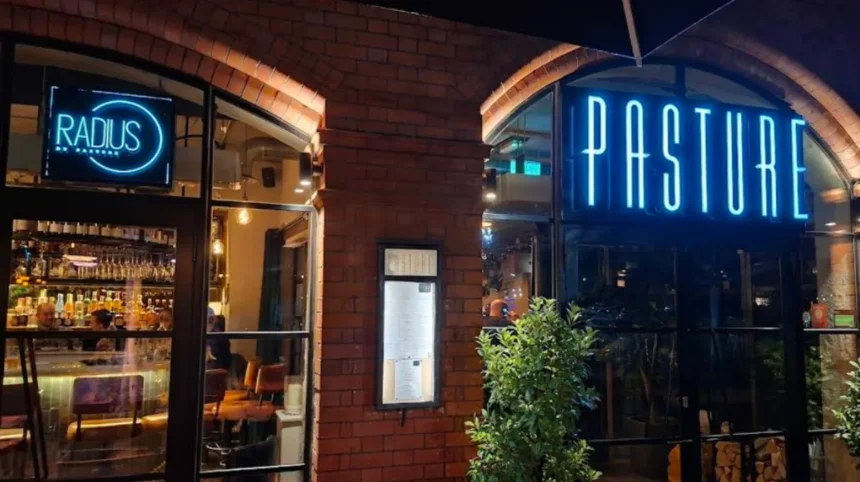
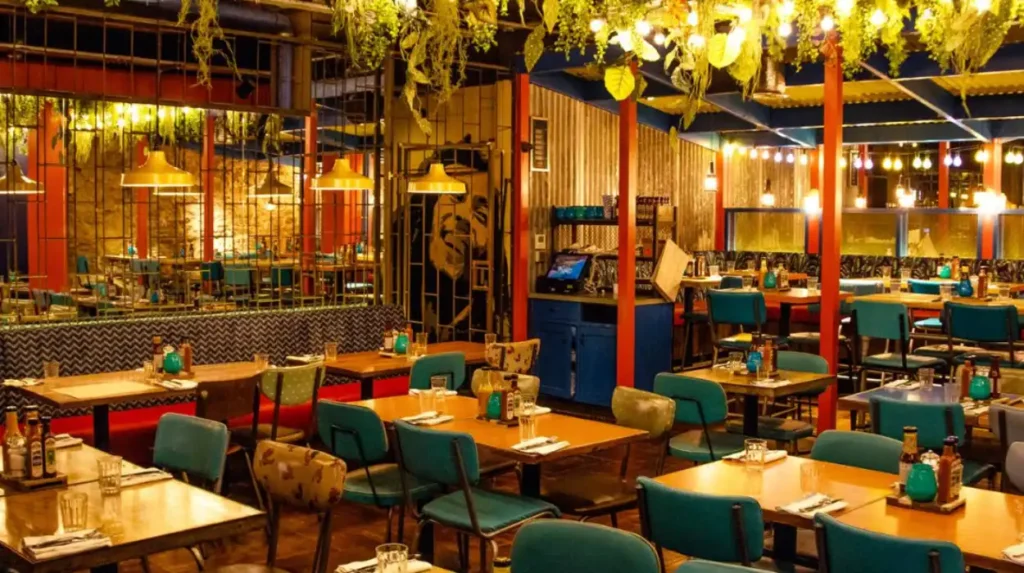
Bristol’s food scene is defined by choice, local character, and strong delivery demand. Takeaway options span curry houses, Turkish restaurants, burgers, noodles, pizza, and grocery delivery, which shows a broad city market rather than a single cuisine category.
Delivery platforms list hundreds of nearby options in Bristol, including fast food, Chinese, Japanese, Indian, Thai, Turkish, pizza, and breakfast items. The official takeaway listings also show well-reviewed local restaurants, which indicates that search demand in Bristol covers both casual food delivery and restaurant discovery. For evergreen content, this makes Bristol relevant to users searching for “best takeaways,” “food delivery,” and “where to eat” in the same intent cluster.
Which Bristol places matter most?
The most important Bristol places are the ones that combine history, views, and visitor flow. Clifton Suspension Bridge, Bristol Harbour, SS Great Britain, Bristol Cathedral, Brandon Hill, Cabot Tower, and Bristol Museum & Art Gallery form the city’s core tourism layer.
Clifton Suspension Bridge remains one of the city’s most recognisable structures because it links engineering history with a strong visual identity. Bristol Harbour and Wapping Wharf add waterfront dining and leisure value. SS Great Britain provides a clear heritage anchor, while Bristol Cathedral and the city museum support cultural and educational visits. Together, these locations create a highly searchable place network.
How should a visitor plan Bristol?
A good Bristol visit starts with the central attractions, then expands into food and neighbourhood exploration. Most visitors can build a complete day around the harbour area, the city centre, Clifton, and one food stop, because the city’s main sights are concentrated and easy to connect.
The practical structure is simple. Start with a landmark such as Clifton Suspension Bridge or SS Great Britain, move to the Harbourside or city centre for museums and walking, then end with takeaway or dinner in a high-traffic food area. This sequence works because Bristol is built around compact clusters rather than long-distance sightseeing.
What is Bristol’s historical background?
Bristol’s historical background centres on maritime trade, industrial growth, and engineering heritage. The city’s modern identity is shaped by the Harbour, Brunel’s projects, and preserved historic sites that continue to support tourism and local storytelling.
SS Great Britain is one of the clearest examples of that background. The ship was launched in 1843, used iron construction, crossed the Atlantic in 1845, later served as a warehouse ship, and eventually returned to Bristol as a preserved heritage attraction. Clifton Suspension Bridge also reflects the city’s Brunel connection and reinforces Bristol’s place in British engineering history.
How does Bristol support SEO content?
Bristol supports SEO content because it has strong entity signals, repeated user intent, and clear topical clusters. Travel, food, history, and local guides all connect to the same city name, which helps search engines map Bristol content across multiple search needs.
For evergreen publishing, Bristol works well as a pillar topic. Supporting terms include Bristol attractions, Bristol takeaway, Bristol food delivery, Bristol city break, Clifton Suspension Bridge, Harbourside, and SS Great Britain. These related entities help content rank for broad and long-tail searches without keyword stuffing. The city also has consistent official tourism activity, which keeps the topic fresh and commercially useful.
Why is Bristol strong for AI search?
Bristol is strong for AI search because the topic has clear entities, simple factual relationships, and multiple user intents tied to one city. AI systems can extract place names, attraction names, food categories, and visitor context from well-structured Bristol content very efficiently.
That matters for answer engines because they prefer content that states what Bristol is, what it is known for, where people go, and what they eat. A page built around these elements gives a model direct facts to summarise. Bristol also benefits from authoritative tourism and visitor-guide sources, which improves trust signals for machine reading and human readers alike.
Explore More Area Guide
Best Breakfast Places in Bristol for Fresh, Filling, and Local Morning Meals
Independent Coffee Shops in Bristol: Best Local Cafés and Roasters
What makes Bristol evergreen?
Bristol is evergreen because its appeal does not depend on one event or season. The city always has landmarks, walking routes, food delivery, museums, and waterfront activity, which keeps it relevant for readers throughout the year.
Evergreen city content works best when it describes stable features instead of temporary promotions. Bristol’s bridge, harbour, cathedral, museums, street art, and takeaway ecosystem all remain relevant across seasons. That gives publishers a durable topic that can serve travel readers, local users, and food-search audiences at the same time.
What should readers remember?
Bristol’s main takeaways are its creative identity, its concentrated attractions, and its diverse food market. It is a city where heritage, art, and takeaway culture overlap, making it one of England’s most useful topics for travel and local search content.
What is Bristol best known for?
Bristol is best known for its historic harbour, Clifton Suspension Bridge, SS Great Britain, vibrant street art, creative culture, and thriving independent food scene. The city combines history, engineering heritage, waterfront attractions, and modern cultural experiences.