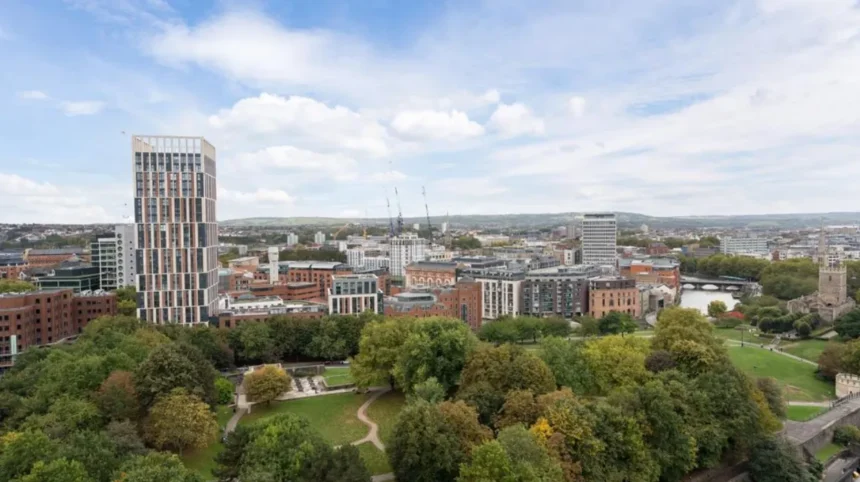
Bristol is one of the strongest property investment markets in South West England because of population growth, a large student population, employment concentration, transport investment, and major regeneration. The city combines established premium neighbourhoods with lower-entry areas where regeneration and rental demand support different investment strategies.
- Why is Bristol an attractive city for property investment?
- What is happening to Bristol property prices and rents?
- Which Bristol areas offer the strongest established investment demand?
- Is Bedminster one of the best areas for Bristol property investment?
- Why is Temple Quarter important for property investors?
- Is St Philip’s Marsh a strong future investment area?
- Why should investors consider Fishponds?
- Is Easton a good area for property investment?
- Why is St George worth considering for Bristol investment?
- What makes Horfield and Bishopston attractive to investors?
- How does transport infrastructure affect Bristol property investment?
- Which Bristol investment areas suit different investment strategies?
- What should investors check before buying property in Bristol?
- How does Bristol’s planning system affect property investment?
- Which Bristol areas have the strongest long-term investment fundamentals?
- What is the future outlook for Bristol property investment?
The investment case is not identical across Bristol. Clifton and Redland provide established demand and high-value housing. Bedminster and Southville combine residential appeal with access to central employment. Fishponds, Easton and St George offer comparatively lower entry points. Temple Quarter and St Philip’s Marsh represent major regeneration opportunities linked to new homes, employment, education and transport infrastructure.
Investors should assess purchase price, achievable rent, operating costs, financing, property condition, planning restrictions, taxation and local demand before purchasing. Rental yield alone does not determine investment performance.
Why is Bristol an attractive city for property investment?
Bristol combines population growth, employment, universities, transport connections and regeneration, creating several distinct property demand markets. Its population reached an estimated 495,300 in mid-2025, while 68,800 students registered at its two main universities in 2024/25.
Bristol is the largest city in South West England and one of the United Kingdom’s Core Cities. Bristol City Council estimates the city’s mid-2025 population at 495,300. The population increased by an estimated 43,500 between 2015 and 2025, representing 9.6% growth. The council projects a population of 526,600 by 2032.
This demographic expansion supports long-term housing demand. It also creates different tenant markets. Students require accommodation close to universities. Professionals prioritise access to employment centres and transport. Families focus on schools, green space and larger homes. Commuters value rail and road connections.
Bristol also has a substantial higher-education economy. In 2024/25, 68,800 students were registered at the University of Bristol and the University of the West of England.
The University of Bristol alone recorded 31,132 students and 9,055 staff in 2024/25. Its reported capital investment included £242.1 million focused on the Temple Quarter Enterprise Campus and Clifton campus.
The university’s economic contribution is also significant. An Oxford Economics study reported that the University of Bristol contributed £1.13 billion to the West of England economy during 2022/23 and supported 16,510 jobs in Bristol.
These fundamentals support several property investment models rather than a single best location.
What is happening to Bristol property prices and rents?
Bristol’s latest official housing data shows an average house price of £357,000 in June 2026 and average private rent of £1,880 per month in July 2026. Both measures increased over the previous year, although local property performance differs significantly.
The Office for National Statistics reported an average Bristol house price of £357,000 in June 2026, provisionally 3.5% higher than June 2025. The average price paid by first-time buyers was £317,000.
Private rents also increased. The average monthly private rent reached £1,880 in July 2026, up 6.5% from £1,765 in July 2025.
These figures describe Bristol’s local authority market rather than individual neighbourhoods. Property investors therefore need to examine individual streets, property types and tenant profiles.
A Victorian terrace in a popular student area has a different financial profile from a modern apartment beside Temple Meads. A family house in Fishponds has different operating costs and tenant demand from a Georgian flat in Clifton.
The ONS also warns that local housing data contains fewer transactions than national estimates, making short-term movements more variable. Longer-term trends provide a stronger basis for assessing market direction.
Which Bristol areas offer the strongest established investment demand?
Clifton, Redland, Bishopston, Cotham and Southville have established residential demand supported by universities, employment, amenities, transport and attractive housing stock. These locations generally command higher purchase prices, making tenant quality and long-term capital preservation central investment considerations.
Clifton
Clifton is one of Bristol’s best-known residential districts. It contains Georgian and Victorian properties, apartments, independent businesses and proximity to the University of Bristol and Clifton campus.
The area attracts students, academics, professionals and higher-income households. Its proximity to Clifton Down, the University of Bristol and central Bristol supports consistent housing demand.
The trade-off is the high acquisition cost. An investor purchasing in Clifton needs a sufficiently strong rent relative to the property’s purchase price, financing costs and maintenance obligations.
Period properties also require careful inspection. Listed-building status, conservation-area controls, roof condition, external masonry and maintenance costs all require attention.
Redland
Redland sits close to Clifton, Cotham, Bishopston and the University of Bristol. Its housing stock includes substantial Victorian and Edwardian properties that attract professional and student tenants.
Redland provides a strong combination of location and residential quality. Investors targeting professional sharers and students can assess larger houses with multiple bedrooms, while investors targeting professionals can consider flats and smaller homes.
The higher purchase price means gross yield calculations require particular care.
Bishopston
Bishopston is strongly associated with Gloucester Road, independent retail, restaurants and established residential streets. It sits north of central Bristol and provides access to employment and university locations.
Its housing stock includes Victorian terraces and family-oriented properties. The area supports multiple tenant profiles, reducing reliance on a single demand segment.
Cotham
Cotham sits between central Bristol, Clifton, Redland and Kingsdown. Its location gives tenants short access to universities, hospitals, employment areas and city-centre amenities.
The area’s central position supports rental demand, particularly for professionals and students. Investors should examine parking availability, lease terms and property condition when assessing apartments.
Southville
Southville is located within BS3, alongside Bedminster and Bower Ashton. Its location south of the River Avon provides relatively direct access to central Bristol.
The wider BS3 market recorded a typical home sale price of £410,000 in 2026 based on 253 registered sales, according to a market dataset using HM Land Registry transactions.
Southville’s residential character, local amenities and access to central Bristol make it relevant for investors seeking a broader tenant base than a purely student-led property strategy.
Is Bedminster one of the best areas for Bristol property investment?
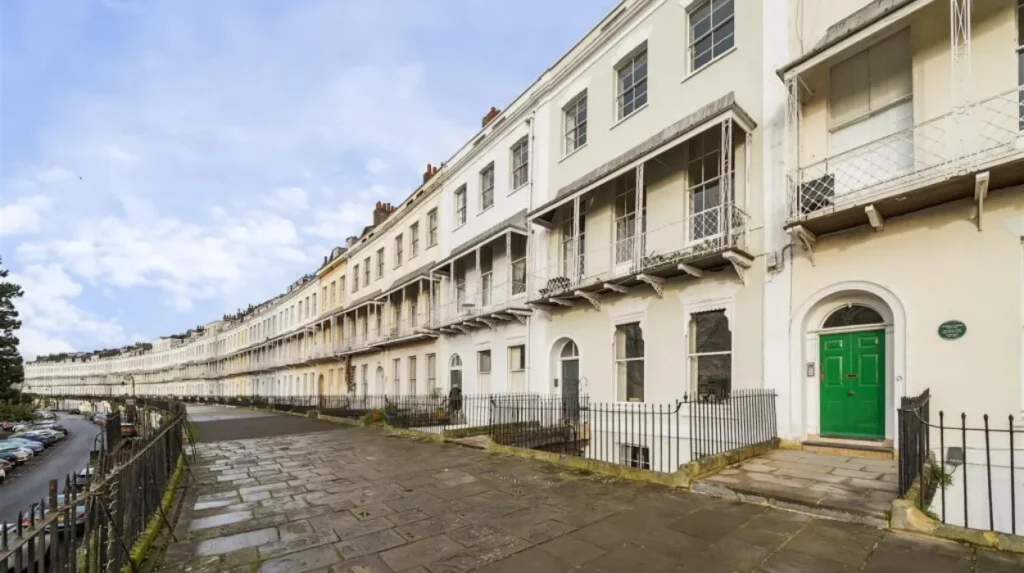
Bedminster is a major residential investment area because it combines established housing, central access, retail amenities, employment connectivity and regeneration activity. Its BS3 location also links it closely with Southville and wider south Bristol housing demand.
Bedminster is one of the most established investment locations in south Bristol. Its housing stock includes terraces, flats and larger family properties.
Its proximity to central Bristol is important. Tenants can access employment and leisure destinations without living directly in the city centre.
Bedminster also benefits from wider regeneration activity. Bristol’s planning framework includes development strategies for central and southern areas, while the city’s local planning system identifies specific regeneration and development frameworks.
The BS3 postcode covers Bedminster, Southville and Bower Ashton. Transaction data for the area shows a typical 2026 sale price of £410,000.
Investors should distinguish between the different parts of BS3. Street-level property condition, transport access, property size and proximity to amenities affect rental performance.
Bedminster suits investors seeking a balanced residential market. Larger houses can appeal to families and professional sharers. Smaller properties can target couples, professionals and first-time renters.
Why is Temple Quarter important for property investors?
Temple Quarter is Bristol’s most significant regeneration-led investment zone, with plans covering more than 130 hectares and targeting 10,000 new homes, thousands of jobs and major education, transport and public-realm improvements over the longer term.
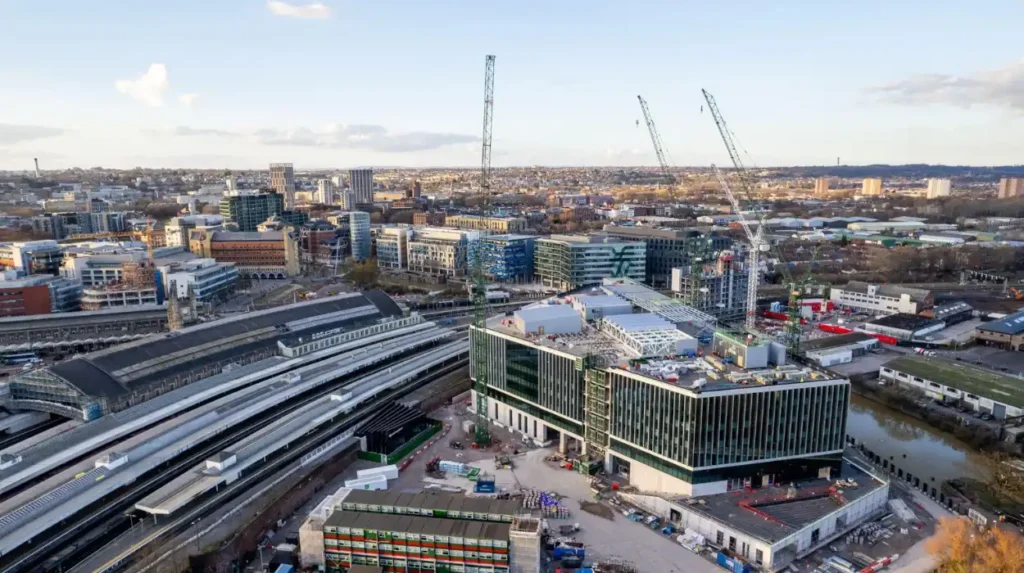
Temple Quarter surrounds Bristol Temple Meads and forms a major regeneration area in central Bristol. Bristol City Council describes the project as one of the UK’s largest regeneration programmes. The programme covers more than 130 hectares of brownfield land and targets 10,000 new homes alongside thousands of jobs.
The area’s investment significance comes from its combination of housing, employment, education and transport.
The Bristol Local Plan identifies Temple Quarter as a comprehensive development area. Planned components include new homes, offices, flexible workspace, education facilities, student accommodation, hotels, retail, leisure uses, walking routes, cycling infrastructure and improved public space.
Temple Meads is particularly important because it is Bristol’s principal railway station. A location close to a major transport interchange gives residential property access to employment and regional travel.
Temple Quarter also contains the University of Bristol’s new Enterprise Campus. The university’s investment in the project adds an education and innovation component to the regeneration programme.
The investment strategy here is different from Clifton. Temple Quarter focuses more heavily on regeneration, new-build development, employment growth and changing land use.
Investors should therefore examine planning permissions, service charges, lease structures, development phases and flood-risk information before purchasing.
Is St Philip’s Marsh a strong future investment area?
St Philip’s Marsh has substantial long-term regeneration potential because Bristol’s plans identify it as a future mixed-use neighbourhood with thousands of homes, employment space, infrastructure, green areas and connections to the wider Temple Quarter regeneration programme.
St Philip’s Marsh forms a major part of Temple Quarter. Bristol City Council and Bristol Temple Quarter LLP published a final draft masterplan framework in June 2026.
The framework identifies the area as an opportunity for a sustainable mixed-use neighbourhood containing thousands of homes, employment and industrial land, community infrastructure and new green spaces.
Planning guidance also identifies housing opportunities across much of the site. The area includes locations connected with the University of Bristol Enterprise Campus and Silverthorne Lane.
Silverthorne Lane already has planning consent for a combination of uses including a secondary school, student accommodation, new homes, employment space and a University of Bristol building.
St Philip’s Marsh therefore represents a regeneration-focused investment market.
However, regeneration investments require detailed planning analysis. Construction phases, infrastructure delivery, development supply, service charges and the timing of neighbourhood completion all affect investment outcomes.
Investors should also assess flood risk. Bristol’s Temple Quarter framework specifically recognises flood-risk management as an important requirement for development in the area.
Why should investors consider Fishponds?
Fishponds combines comparatively accessible residential property with established rental demand, employment connectivity and links to central Bristol. Its larger housing stock supports professional sharers, students and families, creating several potential rental strategies.
Fishponds is an established east Bristol neighbourhood. It has a strong residential character and provides access to central Bristol through road, bus and cycling connections.
The area attracts renters seeking more space than central districts provide. Victorian terraces and larger homes also create opportunities for professional house-share strategies where planning and licensing requirements are satisfied.
Fishponds also sits close to Eastville, Stapleton and other east Bristol districts. This creates a broader local rental market rather than a single isolated tenant zone.
Current rental-market datasets show Fishponds among the areas with substantial rental listing activity. One August 2026 dataset recorded numerous available properties in Fishponds and an indicative average asking rent above £1,500 per month.
Asking-rent datasets are not equivalent to achieved rents. Investors should use actual comparable properties and current letting-agent evidence before calculating returns.
Fishponds suits investors seeking a balance between entry price and rental demand.
Is Easton a good area for property investment?
Easton offers an established inner-city rental market with strong transport access, diverse housing stock and proximity to central Bristol. Its comparatively lower entry prices than premium districts make it relevant to investors prioritising rental demand and long-term regeneration.
Easton is an established inner-city neighbourhood east of Bristol city centre. It has strong cultural diversity, Victorian housing, local retail and access to central employment.
Its position makes commuting relatively straightforward. Residents can access central Bristol without living in the city’s highest-priced districts.
Easton also connects with areas including St George, Lawrence Hill and Stapleton. This creates several neighbouring rental markets with different price points.
The area is relevant to investors who want a lower acquisition cost than Clifton or Redland while maintaining inner-city access.
Property condition remains important. Older terraces often require expenditure on roofs, damp, windows, insulation, heating systems and external maintenance.
Investors should also examine licensing requirements when considering multi-occupancy properties.
Why is St George worth considering for Bristol investment?
St George provides a residential east Bristol market with comparatively accessible housing, established amenities, green space and connections toward central Bristol. Its tenant base includes professionals, families and renters seeking value outside premium inner-city neighbourhoods.
St George lies east of central Bristol and includes established residential streets alongside green space and local amenities.
Its location creates a different investment proposition from central Bristol. Properties typically provide more residential space while remaining within the broader Bristol employment market.
St George also connects with Redfield, Whitehall, Fishponds and other east Bristol districts.
Current rental datasets show St George below several premium Bristol neighbourhoods in indicative asking rents. One August 2026 dataset placed average listed rents in St George at around £1,300 per month, although individual properties vary considerably.
The area therefore suits investors targeting tenants who prioritise affordability, space and local amenities.
What makes Horfield and Bishopston attractive to investors?
Horfield and Bishopston benefit from north Bristol employment access, university demand, Gloucester Road amenities and established residential housing. They suit investors targeting students, professionals and families while avoiding dependence on a single tenant category.
Horfield sits north of the city centre and provides access to Gloucester Road, Southmead and wider north Bristol employment areas.
Southmead is particularly important because Southmead Hospital is a major healthcare employer and regional medical facility. Properties with convenient access to employment centres can support professional rental demand.
Bishopston provides closer access to Gloucester Road and the University of Bristol’s wider student and professional market.
The two areas therefore provide complementary investment opportunities. Smaller properties can target individuals and couples. Larger houses can target families or professional sharers.
Investors should assess the exact street, parking arrangements, garden space and property condition. North Bristol also has strong differences between individual neighbourhoods, so postcode-level analysis is insufficient on its own.
How does transport infrastructure affect Bristol property investment?
Transport access directly affects tenant convenience, employment accessibility and residential demand. Bristol’s investment zones benefit from rail, bus, cycling and walking improvements, with Temple Quarter placing transport connectivity at the centre of its regeneration strategy.
Transport is a core property-investment factor because tenants generally value reliable access to employment, education and amenities.
Bristol Temple Meads provides national and regional rail connections. Temple Quarter’s development framework also prioritises walking, cycling and public-realm improvements.
The regeneration framework specifically identifies improved sustainable transport as central to the development of St Philip’s Marsh and the wider Temple Quarter.
For investors, transport analysis should focus on actual walking distance rather than postcode labels. A property five minutes from a major transport connection has a different rental proposition from a property requiring a longer bus journey.
Transport improvements also affect regeneration areas differently from established neighbourhoods. Existing areas already have functioning amenities, while regeneration districts depend more heavily on future infrastructure delivery.
Which Bristol investment areas suit different investment strategies?
Bristol supports several property investment strategies, including premium residential investment, professional rentals, student accommodation, family rentals and regeneration-led purchases. Clifton, Redland, Bedminster, Fishponds, Easton and Temple Quarter represent different combinations of these characteristics.
Premium residential investment suits areas such as Clifton and Redland. These locations have established housing demand and strong amenities, but acquisition costs are high.
Professional rental strategies suit Bedminster, Southville, Bishopston, Redland and Horfield. These areas combine employment access with established residential environments.
Student-oriented strategies suit Clifton, Redland, Bishopston, Cotham and parts of Fishponds. Bristol’s large student population creates a substantial accommodation market.
Lower-entry investment strategies suit parts of Fishponds, Easton and St George. These areas provide access to the wider Bristol rental market without the premium pricing found in Clifton.
Regeneration-led strategies focus on Temple Quarter and St Philip’s Marsh. These areas have major planning and infrastructure programmes but require closer analysis of delivery schedules and development supply.
The correct strategy therefore depends on the investor’s budget, financing structure, target tenant, required income and investment horizon.
What should investors check before buying property in Bristol?
Investors should verify purchase price, achievable rent, mortgage costs, service charges, insurance, maintenance, taxation, planning status, licensing, energy performance, flood risk and lease terms before committing to a Bristol property.
The first step is calculating the property’s complete acquisition cost. This includes the purchase price, legal fees, survey costs, mortgage costs, tax and any immediate refurbishment.
The second step is calculating sustainable rental income. Investors should use comparable properties rather than optimistic asking rents.
The third step is assessing operating expenditure. Costs include maintenance, insurance, management fees, service charges, void periods and compliance work.
Planning and licensing are particularly important for houses in multiple occupation. An HMO is a property occupied by multiple unrelated households under defined legal circumstances. Bristol properties used for this purpose must be assessed against applicable national and local requirements.
Energy efficiency is another important consideration. Investors should check the property’s Energy Performance Certificate and understand the implications of future energy-efficiency requirements.
Flood risk deserves particular attention in parts of Bristol, especially around the River Avon and regeneration areas. Bristol’s Temple Quarter planning documents explicitly address flood-risk management.
Leasehold properties require additional analysis. Investors should check remaining lease length, ground rent provisions, service charges, major works, restrictions and building insurance arrangements.
How does Bristol’s planning system affect property investment?
Bristol’s planning system determines where housing, employment, student accommodation and regeneration can develop. Investors should monitor the Bristol Local Plan, neighbourhood plans, planning applications and area-specific frameworks before purchasing development-sensitive property.
Bristol City Council’s Local Plan provides policies for deciding planning applications. The emerging Bristol Local Plan 2022–2040 remains under examination, while the council has begun preparation of the Bristol Local Plan 2045.
The new Local Plan timetable began on 30 June 2026. The council’s published timetable identifies submission for examination in October 2028 and proposed adoption in April 2029, subject to the stated timetable and future reviews.
Planning policy matters because development changes neighbourhood supply.
New housing can increase competition between landlords. New transport infrastructure can improve accessibility. New commercial development can create employment. New schools and community facilities can improve neighbourhood functionality.
Investors should therefore study planning information before assuming that regeneration automatically produces capital growth.
The council provides an interactive Local Plan policies map that allows users to check planning policies by address.
Explore More Area Guide
Buying a Home in Bristol: Complete Property Guide 2026
Renting in Bristol: Complete Rental Guide 2026
Which Bristol areas have the strongest long-term investment fundamentals?
The strongest long-term fundamentals occur where housing demand intersects with employment, education, transport, amenities and constrained or improving supply. Clifton and Redland offer established demand, while Bedminster, Fishponds, Easton and Temple Quarter provide different growth and regeneration profiles.
Bristol’s investment landscape is diversified.
Clifton and Redland represent mature markets. Their appeal comes from established amenities, universities, employment access and high-quality housing.
Bishopston and Horfield combine residential demand with north Bristol employment and university connectivity.
Bedminster and Southville combine established housing with central access and ongoing south Bristol development.
Fishponds, Easton and St George offer different entry points and tenant profiles.
Temple Quarter and St Philip’s Marsh represent the most significant regeneration opportunities. Bristol City Council’s plans identify thousands of future homes, employment space, education facilities, transport improvements and public-realm investment across the wider area.
The best investment area therefore depends on the relationship between price, rent, costs, demand and future supply.
What is the future outlook for Bristol property investment?
Bristol’s long-term property outlook is supported by population growth, university activity, employment, housing demand and major regeneration. The strongest investment decisions will combine current rental fundamentals with verified planning and infrastructure evidence.
Bristol’s population is projected to reach 526,600 by 2032, according to Bristol City Council.
The city also has a substantial university economy. The two main universities registered 68,800 students in 2024/25, while the University of Bristol continues significant investment in Temple Quarter.
Temple Quarter provides a long-term regeneration framework extending across more than 130 hectares. The programme targets 10,000 homes and thousands of jobs.
St Philip’s Marsh adds another large-scale development opportunity, with plans for thousands of homes, employment land, community infrastructure and green space.
At the same time, Bristol’s average house price reached £357,000 in June 2026 and average private rent reached £1,880 in July 2026.
These figures demonstrate the scale of the market but do not guarantee investment returns.
Successful Bristol property investment requires location-specific due diligence. Investors should compare completed sale prices, achievable rents, financing costs, maintenance requirements, planning constraints and future development.
For long-term investors, the strongest areas are those where established demand and infrastructure combine with sustainable housing fundamentals. Clifton, Redland, Bishopston, Bedminster, Southville, Fishponds, Easton, St George, Temple Quarter and St Philip’s Marsh each provide distinct investment propositions within the wider Bristol market.
What are the best areas to invest in Bristol?
The best areas include Clifton, Redland, Bishopston, Bedminster, Southville, Fishponds, Easton, St George, Temple Quarter and St Philip’s Marsh. Each area has different property prices, rental demand, tenant profiles and regeneration prospects.