Key Points
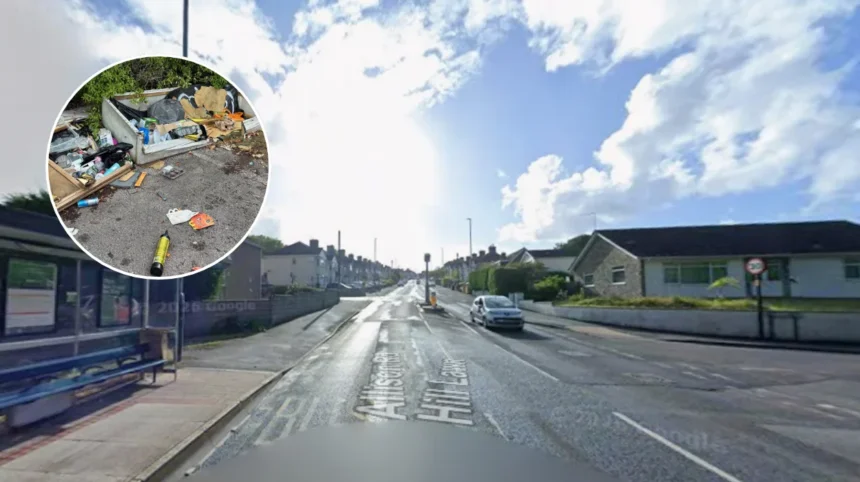
- Local people and shoppers have expressed significant concerns about frequent incidents of fly-tipping that are taking place in the car park of a supermarket in Brislington.
- Some of the things that have been dumped include gas canisters, bags of household rubbish, and other kinds of waste.
- This situation is part of a bigger problem with environmental neglect and poor waste management in Bristol.
Brislington (Bristol Express News) September 7, 2026 – People living in and visiting the Brislington area have voiced mounting frustrations over persistent fly-tipping, with recent attention drawn directly to a local supermarket car park. According to reports covering the neighborhood, the accumulating rubbish has become an eyesore and an environmental nuisance for everyday shoppers and nearby residents.
The neglected spaces have frequently played host to an array of discarded waste items. Among the debris identified by community members are gas canisters and numerous bags of household rubbish, sparking wider conversations about civic responsibility and the standard of maintenance expected around commercial and retail zones.
Explore more Brislington News:
Drug Driver Caught Carrying Unrestrained Children In Van In Brislington 2026
Brislington Brook Pollution Kills Fish and Wildlife in St Anne’s 2026
How Has the Supermarket Responded to the Backlash?
Following public complaints regarding the state of the retail space, representatives for the retail brand have addressed the concerns raised by the local community. As reported by Bristol24/7, a spokesperson for Sainsbury’s stated:
“Please be assured that we take this seriously.”
Elaborating further on the condition of the site, the Sainsbury’s representative added:
“The presence of waste, especially items such as drug paraphernalia, is completely unacceptable, and we apologise that this area has not been maintained to the standard you should expect. We understand your frustration regarding the ongoing dumping and the effect it is having on the local environment.”
In addition to addressing the immediate concerns, the supermarket outlined commitments to rectify the situation moving forward. As noted by Bristol24/7, the spokesperson continued: “We will look into this matter urgently and review what can be done to improve the situation, including more regular clearing and longer-term options for the space. Your feedback has been very helpful in highlighting the issue.”
Concluding their statement regarding community engagement, the spokesperson said: “Thank you again for reaching out and for helping us make the area cleaner and more welcoming.” Alongside these corporate commitments, media reporting noted that Bristol24/7 reached out to Sainsbury’s for further commentary on the matter. Meanwhile, local authorities remind residents that fly-tipping on public roads, pavements, and public land can be officially flagged using the council’s Fix My Street application, with targeted turnaround times dependent on the scale and hazardous nature of the dumped materials.
Background of the Particular Development
Fly-tipping has long remained a contentious and widespread issue across various neighbourhoods in Bristol, stretching beyond individual commercial entities into residential lanes and public green spaces. Local authorities and environmental groups have frequently highlighted that illegal waste dumping places a heavy financial and operational burden on public services and private landowners alike.
Commercial car parks and communal bin areas often become focal points for rogue waste disposal due to open accessibility during off-peak hours. Over recent years, local councils, community reporters, and independent platforms like Bristol24/7 have continuously tracked the impact of waste management challenges, ranging from abandoned shopping trolleys to hazardous industrial and domestic materials left in unauthorized zones.
This development could significantly affect local shoppers, residents, and the management of the supermarket itself. For the local community and shoppers, heightened visibility and corporate accountability promise a cleaner, safer, and more welcoming retail environment, reducing potential health and safety risks associated with neglected waste.
For Sainsbury’s, swift implementation of more regular clearances and longer-term preventative strategies will be vital in restoring consumer confidence, protecting brand reputation, and deterring repeat offenders from treating retail spaces as dumping grounds. Failure to maintain these standards risk alienating regular customers and drawing further scrutiny from municipal authorities regarding commercial waste management compliance.