Key Points
- Date and Topic: Heritage Open Days take place in the Bristol area between September 11 and September 20 with the topic of ‘Everyday Histories’.
- Coverage: Over 30 places throughout Bristol and South Gloucestershire have joined in the project, offering visitors a chance to visit them for free with guides and backstage access.
- Places Included: Among the sites taking part in the program there is the 14th-century Winterbourne Medieval Barn and Grade II Listed Warmley Signal Box, an industrial grotto at William Champion’s Garden.
- Different Types of Places: These are such interesting places as the archaeological sites at Durley Hill Cemetery, architectural sites at Spike Island, ecclesiastical buildings including Temple Church and community sites such as Glenside Hospital Museum.
Bristol (Bristol Express News) September 12, 2026 — As reported by Ellie Kendall Reporter and Kate Wilson Political Editor of Bristol Live, September brings a wealth of local attractions opening free of charge, offering a rare behind-the-scenes look at some of the region’s most celebrated, cherished, and historic venues.
The nationwide initiative, running from September 11 to September 20, brings together thousands of organisations, events, and volunteers to give people the opportunity to explore local heritage, discover stories, and celebrate the places that shape their communities. According to Bristol Live, the scheme provides free access to heritage sites and events, giving residents and visitors the chance to discover hidden treasures and enjoy unique experiences that form the history of Bristol and South Gloucestershire, including its people and places.
What Does The ‘Everyday Histories’ Theme Explore?
As detailed by Ellie Kendall Reporter and Kate Wilson Political Editor of Bristol Live, this year’s theme is ‘Everyday Histories’ and explores local stories of working life, from learning skilled trades to the daily routines, traditions, and ways of working that shaped people’s lives. The initiative offers a wide range of activities and attractions across more than 30 locations in Bristol and South Gloucestershire.
Which Venues Can Visitors Explore Across Bristol and South Gloucestershire?
The extensive list of participating venues features everything from secret crystal-encrusted grottos and much-loved museums to theatre, archaeology, and guided tours back in time.
- Winterbourne Medieval Barn: Scheduled for September 13, 2026, at Winterbourne Court Farm Barn, visitors can marvel at the cutting-edge architectural techniques used in 1342 to create the raised-cruck roof, highlighted by Ellie Kendall and Kate Wilson as a magnificent example of the builders’ craft.
- Signal Box and Community Garden, Warmley: Set for September 19, 2026, this Grade II-listed Midland Railway Signal Box along the Bristol and Bath Cycle Path has been restored to mirror its appearance in the early 1960s when it was fully operating.
- Ashton Gatehouse: Available on multiple dates at Blackmoors Lane, this structure served as the original entrance to the Smyth family home in the 1500s, offering views of both the Ashton Court Estate and South Bristol.
- Durley Hill Cemetery: Opening on September 19, 2026, in Keynsham, the location serves as both a peaceful Victorian burial ground and a major Roman archaeological site featuring photographs, artefacts, and self-guided walks.
- Frenchay Unitarian Chapel: Open on September 12, 2026, this site is noted as one of the oldest purpose-built dissident chapels in the country, built in 1691 and featuring a 1720 four-stage tower and a Halley’s comet wind-vane.
- Tyntesfield: Participating on multiple dates between September 11–20, this ornate Victorian Gothic Revival house with extensive parkland is run by the National Trust and offers free entry during the festival.
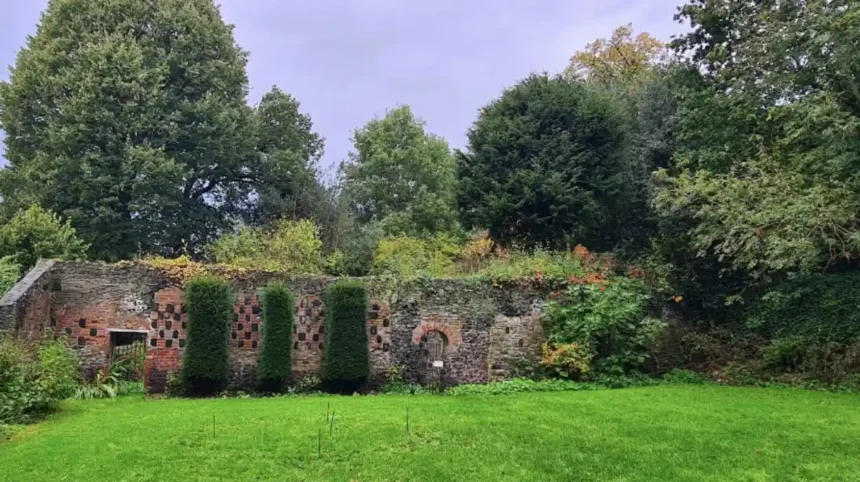
- William Champion’s Garden and Grotto: Featuring multiple dates at Warmley House, this location hosts the world’s only grotto with a microclimate pool ringed by six Grotesque Faces carved into walls built from industrial brassworks waste.
- Spike Island: Opening on September 19, 2026, visitors can embark on a behind-the-scenes tour where artists open their studio doors to showcase the building’s unique architectural features.
- Kings Weston House: Available on September 12, 2026, this Grade I Listed Baroque mansion was designed by Sir John Vanbrugh and sits within 300 acres of landscaped parkland.
- The Chapel of the Three Kings: Open on September 13, 2026, at Foster’s Almshouses, these Grade II listed buildings were founded by a 15th-century merchant to accommodate Bristol’s poor and elderly.
- Temple Church: Offering tours on multiple dates, visitors can explore the ruins of this 900-year-old landmark to discover its medieval history.
- St Luke the Evangelist, Brislington: Featuring multiple dates, this 15th-century Grade II listed church sits in the centre of the Brislington Conservation Area and allows visitors to view the active church bells.
- Glenside Hospital Museum: Opening on September 19, 2026, within a former 1881 asylum church, the museum explores the history and evolving treatment of mental illness.
- Arnos Vale Cemetery: Open on multiple dates, the site features historic chapels, lodges, a crypt, a free sculpture tour, and a short film preview titled Mortal Remains on September 14.
- Jacobs Wells Baths: Available on multiple dates, visitors can experience Melanie Manchot’s art installation Night Moves (2026) alongside guided tours detailing the building’s history and future.
Explore more Brislington News:
Brislington Brook Pollution Kills Fish and Wildlife in St Anne’s 2026
Drug Driver Caught Carrying Unrestrained Children In Van In Brislington 2026
Background of the Particular Development
Heritage Open Days is England’s largest festival of history and culture, established in 1994 as a joint initiative by the Council of Europe and the European Commission, and later backed by the National Trust in partnership with searchable local organisers, civic societies, and volunteers. The annual event was designed to democratise access to historically significant buildings, archives, and cultural spaces that are normally closed to the public or charge admission fees.
Over the decades, the festival has expanded significantly, drawing hundreds of thousands of visitors nationwide to celebrate regional architecture, industrial heritage, and social histories. The inclusion of grassroots community archives, local industrial landmarks—such as Warmley’s brassworks heritage—and ecclesiastical architecture highlights a broader movement towards preserving community-led narratives and promoting local civic pride across urban and rural settlements in the United Kingdom.
The widespread opening of over 30 historical and cultural sites across Bristol and South Gloucestershire during Heritage Open Days is expected to generate a significant boost in local footfall, benefiting small businesses, cafes, and public transport networks near participating venues. For the local community and regional audience, this initiative provides an accessible educational platform, fostering a deeper appreciation for local heritage and encouraging civic engagement without financial barriers.
Furthermore, by spotlighting lesser-known landmarks like the Warmley Signal Box and Jacobs Wells Baths, the event increases public awareness regarding the ongoing preservation needs of historic infrastructure, potentially inspiring long-term volunteerism, charitable donations, and sustained local tourism throughout the autumn season.